Articles
##Maecenas sed diam eget risus varius blandit sit amet non magna. Vivamus sagittis lacus vel augue laoreet rutrum faucibus dolor auctor. Donec id elit non mi porta gravida at eget metus. Etiam porta sem malesuada magna mollis euismod. Vivamus sagittis lacus vel augue laoreet rutrum faucibus dolor auctor. Cras mattis consectetur purus sit amet fermentum.
Most Popular

Table of Contents
Most people know melatonin as a supplement to help you sleep with bonus anti-oxidant benefits. It has a reputation for being safe and effective. But should you really be taking it every night?
We take a look at naturally occuring melatonin, the safety of melatonin supplements, and alternative non-drug sleep enhancing options.
What Is Melatonin?
Melatonin is a naturally occurring hormone produced by the pineal gland in the brain. It plays various roles in the human body, but is primarily known for regulating the circadian rhythm, or the sleep-wake cycle in humans.
But, it’s not only the sleep wake cycle that it controls. Melatonin is also useful in regulating hormonal cycles linked to menstruation and fertility.
Furthermore, melatonin has been shown to be a powerful antioxidant. It fights free radicals and helps reduce inflammation.
How Does Melatonin Work In The Body?
Melatonin is released as darkness sets in, peaks overnight, and slows its production as the body senses light. As you can imagine, late night screen use and bright electric lights can mess with melatonin release and in turn, our sleep-wake cycles. If our melatonin release is interrupted, it’s not just our sleep that can suffer, but our reproductive hormones and inflammation too.
If It Occurs Naturally, Why Do I Need A Supplement?
Melatonin levels can get out of sync because of things like working night shift, using light-emitting electronic devices close to bed time (ahem…scrolling before bed!), and jetlag.
Melatonin has also been shown to settle pre-surgery anxiety without the side effects of other pre-surgical calming medications. It has also been trialled in kids autism and attention deficit hyperactivity disorder (ADHD) because these conditions can cause issues with sleep.
Furthermore, natural melatonin production decreases with age. So older adults who have difficulty sleeping may find melatonin supplementation useful.
How Does A Melatonin Supplement Work?
As with most supplements, when the body doesn’t produce enough of something, taking a supplement is a way to increase that substance in the body.
So, for sleep difficulties, taking a melatonin supplement one to two hours before bedtime may boost your melatonin levels and help you to fall asleep.
Beware, Not All Melatonin Supplements Are The Same
Currently, melatonin is regulated by the Food and Drug Administration (FDA) as a dietary supplement. This means that what you buy over the counter is not regulated as tightly as prescription medications.
A study published in the Journal of Clinical Sleep Medicine found that the majority of over-the-counter supplements did not contain the amount of melatonin that the label indicated. It also found that over a quarter of all supplements contained serotonin.
Serotonin is known as the happy hormone. Although it sounds like a nice idea to get a bonus hit of happy, when serotonin is taken unknowingly it can be harmful. Especially for people already taking medications that alter serotonin levels such as some anti-depressants.
Which Melatonin Supplements Are The Safest?
The safest way to supplement with melatonin is to do so under the guidance of a health professional with specialised knowledge in supplements and their safety.
When choosing a supplement, look for “USP Verified” on the label. This means it has been approved by the United States Pharmacopeia, a non-profit organization that helps ensure quality in dietary supplements.
Is Melatonin Safe If I Take A High-Quality Supplement?
It depends. In the short term, a melatonin supplement is relatively safe for most people but may cause some mild side effects. Long term use is lacking in research, so it’s best to avoid taking melatonin long term unless directed by your healthcare professional.
Short Term
If you’ve found a high-quality supplement through a reputable health professional. Short term use is typically considered safe.
However, some people experience side effects when they take melatonin. If you start with a low dose you are less likely to experience these possible side effects.
Side effects
The most common side effects include:
- Daytime sleepiness
- Dizziness
- Headaches
- Nausea
Some less common side effects can include:
- Agitation
- Mood swings
- Fatigue or drowsiness
- Skin irritation
- Nightmares
- Palpitations
The side effects typically settle on their own within a few days, or go away once you stop the supplement. It is important that you check in with your health professional about your side effects.
Long Term
Melatonin influences our circadian rhythm. But it can also influence other rhythms and cycles of the body, including the female menstrual and reproductive hormone cycles. Currently melatonin’s impact on female reproductive cycles is under investigation.
Melatonin supplementation hasn’t been studied for long enough to know what the long term impacts are on the body and the hormonal system. So it’s best to avoid long term in children, adolescence, and those who still wish to fall pregnant.
For Some People, Melatonin is Not A Safe Supplement
Pregnancy or Breastfeeding
If you are pregnant, breastfeeding, or pumping milk for your baby, avoid taking melatonin. It hasn’t been proven to be unsafe, but it hasn’t been proven to be safe either. So, it’s best to avoid it until further research is available.
Liver or Kidney Conditions
If you have any concerns with your liver or kidneys, don’t take melatonin unless you’ve consulted with your doctor and received the OK. Melatonin is metabolized (broken down) by the liver and excreted from the body via the kidneys. So, if you have pre-existing conditions that effect either of these organs, your body may struggle to breakdown and remove melatonin from your body.
Autoimmune Disorders
If you have an autoimmune condition, only take melatonin if advised to do so my your healthcare provider. Melatonin can impact the immune system but exactly what impact it has in autoimmune conditions is not yet clear. Therefore, until further research conducted, it’s best to avoid it.
Will A Melatonin Supplement Interact With Other Drugs Or Supplements?
If you are taking any other medications or dietary supplements, it is best to check with your treating health professional or pharmacist about possible interactions. In particular, if you are taking other sedatives or anti-anxiety medications, you should take melatonin with caution because the combination might make you too sedated.
Is A Melatonin Supplement Safer Than Other Sleeping Pills?
Melatonin can be just as effective at helping you fall asleep as prescription sleeping pills. But, you may wake feeling a little fresher. Prescription sleepers can cause people to feel groggy and slow their reaction times the next day. Melatonin typically doesn’t have this effect.
Prescription sleeping pills can be addictive. Melatonin is showing the potential to help get patients off long-term prescription sleeping pills and offers a safer alternative.
There is little evidence to suggest that you can develop a tolerance to melatonin.
Will Melatonin Mess Up My Sleep Cycles If I Take It For Sleep?
If you take too much melatonin it could lead to daytime sleepiness. But this typically only happens if you take above the recommended dosage.
What If I Can’t Take Melatonin But Need Help Sleeping?
Non-drug Therapies Are Generally The Safest Solution To Poor Sleep.
All drugs and supplements carry a small risk of allergic reaction or side effects. If you have a long term sleep disturbance, it’s best to look to non-drug alternatives to help you sleep. Some suggestions include:
- Cognitive behavioural therapy
- White noise
- Aromatherapy
- Meditation
- Light therapy
Good Sleep Hygiene Is Important For Good Sleep
Good sleep hygiene means having healthy routines around sleep. Here are a few suggestions.
- Sleep in a dark room (no night lights)
- Avoid screens an hour before bed
- Put a blue light filter on your computer and phone to come on as the sun sets.
- Avoid alcohol before bed
- Go to bed at the same time each night and get up at the same time each morning
- Exercise regularly
- Avoid food too close to bed.
So Overall, Is Melatonin Safe To Take Every Night?
Short term, melatonin1 can help recalibrate your sleep cycles after an interruption such as jetlag. It can also help short term such as when you are losing sleep before a big event, or struggling through a run of night shift.
But, taking it long term is not advisable because we just don’t know what the long term effects will be.
For long term sleep difficulties, try relying on non-drug therapies and good sleep hygiene where you can.

If you’ve been struggling with PMS symptoms, heavy periods, acne, breast tenderness or symptoms of PCOS or perimenopause then you’ve probably come across a DIM supplement as a solution. That’s because DIM supports healthy estrogen levels in the body.
What Are DIM Supplements?
DIM is short for diindolylmethane, a metabolite of indole-3-carbinol. DIM is a compound that can only be made from cruciferous vegetables. When broccoli, cauliflower, and other cruciferous vegetables are exposed to stomach acid after chewing, indole-3-carbinol is created, which is then converted into DIM.
While DIM can be derived from food, it would take eating a whole lot of broccoli to match what can be found in a supplement. That is why many people take a concentrated amount in the form of a supplement.
DIM supplements also skip the entire process of converting it to its active form and deliver the specific nutrient.
As I’ll explain in this article, DIM supports the body in producing more favorable estrogen metabolites, specifically 2-hydroxy estrogen (2OH).
It also can inhibit the conversion of testosterone to estrogen, which may help balance these two hormones.
This nutrient has a lot of potential hormonal health benefits for women — particularly in the case of excess estrogen, which is why many people opt for the supplement
Keep reading if you’re experiencing:
- Breast tenderness or fibrocystic breasts
- PMS
- Heavy periods
- Painful periods
- Bloating before your period
- Difficulty with weight gain on your hips, butt, or thighs
- Fibroids
- Endometriosis
- Adenomyosis
- Perimenopause
- Menopause
- Hair loss, or hair popping up where you don’t want it
What Does DIM Do For Hormones?
One of the most significant things DIM may do for women is improve estrogen metabolism. Estrogen imbalance or excess estrogen, often called “estrogen dominance” can lead to a cascade of undesirable symptoms like hormonal headaches, breast tenderness, and PMS, to name a few.
What Is Estrogen Dominance?
Put simply, estrogen dominance refers to a situation where there is too much estrogen in the body in general or when there is too much estrogen relative to progesterone (i.e. there is not enough progesterone to oppose estrogen).
I’ve written at length about estrogen dominance and the impact it may have on the body. Estrogen dominance could unfortunately come about for various reasons: anovulation (no ovulation), stress, adrenal issues, excess fat in the body, the environment, digestive problems, and autoimmune conditions.
This can result from the ovaries or other tissues producing too much estrogen, testosterone being converted into estrogen, or from poor metabolism of estrogen itself.
Symptoms of estrogen dominance can include:
- Irritability
- PMS
- Weight gain
- Heavy periods
- Painful periods
- Fibrocystic breasts
- Fibroids
- Endometrial hyperplasia
- Water retention
In some instances, estrogen can look normal in labs but the metabolites that are produced in the liver can be problematic. More on that soon.
Now, I just want to clear something up. I know estrogen is often demonized, but we need estrogen! It’s an essential hormone for women, and is responsible for so much good stuff — like cognition, protecting our bones, and helping us have healthy pregnancies. But, like all hormones, it needs to be balanced. So the goal would not be to drop estrogen as low as possible.
Problems can arise when there is too much estrogen circulating in our bodies or the wrong metabolites.
What Does DIM Do To Your Estrogen?
To understand how DIM supports your estrogen we first have to understand how estrogen is metabolized.
When your body no longer needs estrogen it is the liver’s job to package it up so it can be sent out via the urine and stool. Within the liver there are two steps to estrogen metabolism known as Phase 1 and Phase 2 detox.
During Phase 1 your liver converts estrogen into 3 metabolites—2 hydroxy estrone (2OHE1), 4 hydroxy estrone (4OHE1), and 16 hydroxy estrone (16OHE1). The most favorable of the three is 2OHE1. The other metabolites, 4OHE1 and 16OHE1 are associated with unfavorable growths of breast and uterine tissue, including cancer.
In Phase 2 detox these metabolites are methylated and prepared for excretion via the kidneys and bowels. Many people mistakenly think that the liver is the only organ involved in estrogen metabolism and while it is very important, so is the health of your kidneys and bowels. This is why drinking ample water, eating fiber, supporting microbiome health, and ensuring regular bowel movements is so important to your hormone health.
How Does DIM Affect Your Estrogen?
DIM works at the Phase 1 detox level to help your liver make the most favorable metabolite, 2OHE1 and reduce the excess production of potentially harmful 4OHE1 and 16OHE1.
Potential Benefits Of DIM Supplements
Studies on DIM have shown promise for breast health, acne, and reducing PMS. There is also data to support its benefits in certain cancers. DIM may be helpful for breast health because it supports Phase 1 metabolism of estrogen in the liver, favoring 2OHE1. Although there is research and anecdotal evidence to suggest benefits, it is important to note that more data is needed.
DIM For Breast Health
DIM supports liver enzymes that may help with Phase 1 estrogen metabolism, which is the phase that packages hormones and toxins up for elimination.
The best estrogen metabolite is 2-hydroxy estrone (2OHE1), which DIM promotes over the problematic estrogen metabolite, 16 alpha-hydroxy estrone (16OHE1). When estrogen moves down the 16OHE1 pathway, mastalgia (breast pain) may result. Keep in mind that 16OHE1 is the type that can lead to mastalgia and may stimulate estrogen-sensitive cancer cells, like breast cancer.
A double-blind, randomized controlled study showed that 150 Pharmaceutical researchers are taking note and testing indole carbonol-based formulations for mastalgia.
DIM In Estrogen Receptor Positive Breast Cancer
It is also important to note that 16OHE1 metabolites could also stimulate estrogen-sensitive cancer cells, which if left unchecked, could lead to breast tumors.
In a randomized, placebo-controlled trial, women prescribed tamoxifen (a treatment for hormone-receptor positive breast cancer) were either assigned 150 mg of an oral DIM supplement or a placebo for a 12-month period. DIM increased the 2OHE1 ratio compared to the placebo with minimal adverse effects. Researchers concluded that, in women taking tamoxifen, DIM promoted healthier estrogen metabolite production.
DIM For PMS
While this is not true for everyone, the root cause of PMS could be due to estrogen dominance. If you are struggling with heavy periods, tender breasts, mood swings, hot flashes and water retention, there is a high chance that you are estrogen dominant. That’s the bad news.
And supplementation may sometimes be a useful tool in helping the body optimize your hormones. Because it helps regulate estrogen, DIM is a great supplement to look into for women experiencing PMS and period problems (such as cramps and heavy periods), especially when combined with nutrients like calcium and herbs like Vitex.
Read more about supplements for PMS here.
DIM For Heavy Periods And Cramps
As we’ve discussed, estrogen can stimulate tissues to grow, which includes the endometrium. When the endometrial lining is overstimulated it can result in endometrial hyperplasia, which can lead to heavier periods.
Fibroids, polyps, and endometrial lesions, like those seen in endometriosis, can also be stimulated by estrogen. This can result in painful cramps, heavy periods, pain with sex, and spotting between periods. Left untreated, these conditions can progress and require surgery.
The good news is that you don’t always need to rely on painkillers or the pill as the only treatment for these conditions. You can take action at home by beginning to incorporate cruciferous vegetables, fiber, and other nutrients to support your hormones. You can get started with this free recipe guide and meal plan.
While we understand the mechanism by which this may work and many women report benefits, it is important to note that research is lacking.
The Potential Of DIM For Thyroid Proliferative Disease
A pilot study showed that DIM is an effective estradiol modulator (estradiol is a form of estrogen). In the study, a small sample of patients with thyroid proliferative disease (which includes cancer, goiter and adenoma) were given 300 mg of DIM daily for two weeks. It’s important to note that a higher dose of DIM was used because this was a study on patients with thyroid proliferative disease.
In the pilot study I mentioned first, urine analysis showed that DIM regulated estrogen metabolism in patients. After two weeks of taking DIM, patients with thyroid proliferative disease had more good estrogen metabolites, which results in more balanced hormones. After two weeks of supplementation, the ratio of 2OHE1 (the more beneficial estrogen metabolite) to 16OHE1 (a metabolite associated with the growth of tissue) increased, which is a shift in the right direction.
Hold up. What does the thyroid have to do with estrogen? Another study shows that increased levels of 16OHE1 may lead to a greater chance of thyroid proliferative disease.
DIM For Perimenopause And Menopause
Perimenopause is the period between a woman’s later reproductive years and menopause. Periods will start to become irregular, until they disappear altogether. After a year without a period a woman is considered to be in menopause.
During both perimenopause, hormone patterns begin to change. One of those hormones is — you guessed it — estrogen. While in perimenopause, a woman’s progesterone levels will begin to decline as her ovulation is less regular. Left unchallenged, estrogen is allowed to stimulate tissues and as it goes through its own peaks and troughs, it can trigger hot flashes, night sweats, and mood swings. Once in menopause a woman’s estrogen will decline.
We know an imbalance of estrogen and progesterone is not ideal at any time, but during the perimenopausal period, it often dramatically affects a woman’s quality of life. Studies have shown that women in perimenopause and menopause experience a reduced health-related quality of life, as well as higher work impairment.
And that’s where DIM comes in. As I’ve already mentioned, DIM promotes the production of more beneficial estrogen metabolites (2OHE1), and discourages the production of problematic estrogen metabolites (such as 16OHE1). By helping the body maintain a more favorable estrogen profile, DIM may help mitigate the symptoms of perimenopause and menopause when the culprit is estrogen imbalance.
Support Healthy Testosterone Levels
DIM may be effective at inhibiting aromatase. Aromatase is an enzyme that assists in the conversion of testosterone to estrogen. This is why DIM can possibly prevent the excess production of estrogen and support healthy testosterone levels.
DIM may also inhibit DHT, a form of testosterone that is five times more potent than testosterone. DHT is the form of testosterone associated with prostate cancer in men and conditions like hirsutism (hair where you don’t want it) and acne in women.
How Much DIM Do I Need?
Eating a diet rich in cruciferous vegetables may supply you with the DIM your body needs to support healthy estrogen metabolism. Remember that it requires you to chew well and have healthy hydrochloric acid levels present in the stomach. While a DIM supplement may be helpful for some women, it is not essential for everyone. The best way to determine how much DIM you specifically need is to have lab testing that includes estrogen and estrogen metabolites.
There is research showing the benefits of eating cruciferous vegetables, but understand when DIM is specifically looked at, all the benefits come from supplements.
DIM Dosage
Typically, DIM supplements come in 50–300mg capsules. Starting with a lower dose of 50-100 mg is often best to avoid headaches, which can occur when you begin supplementing with DIM. Work with your doctor to determine whether DIM supplementation could be beneficial for you, and to determine the right dose for your body.
Food Sources Of DIM
Cruciferous vegetables contain Indole-3-Carbinol (I3C), which is converted to DIM by the body.
I3C is found in cruciferous vegetables, such as:
- Broccoli
- Cauliflower
- Brussels Sprouts
- Kale
- Cabbage
- Watercress
- Garden cress
- Mustard greens
- Horseradish
- Turnips
- Bok choy
- Kohlrabi
You will not get as much DIM from a vegetable as you would from a capsule. For example, to obtain the dosage of 100–300mg of DIM recommended for women, you’d need to eat a lot more broccoli and cabbage than you might want to.
Should You Take DIM Everyday?
In order to see the benefits, DIM should be taken daily for at least 30 days. Daily supplementation is best if you’re going to use DIM.
Drug Interactions With DIM
Diindolylmethane may help the liver work more efficiently, so if you’re on prescription medication that the liver is primarily responsible for breaking down, it’s possible that your medication may not stay in your system long enough to be effective. Always let your doctor and pharmacist know if you’re taking DIM and any other supplement so that they can advise you about interactions.
Excessively high amounts of DIM may deplete sodium, an essential nutrient. It takes a lot of DIM to mess with your sodium on its own, but if you’re taking diuretics, you might reach your limit faster. Again, let your doctor know you’re taking DIM if you’re on any other medications, whether prescription or over-the-counter.
Supplements With DIM
DIM can be taken on it’s own or in a combination formula with other estrogen supporting nutrients. While DIM alone can help with Phase 1 detox metabolites, it is best taken in a supplement that contains Phase 2 detox nutrients like folate, B12, and magnesium. This can help prevent headaches and other unwanted issues that can arise when using a Phase 1 nutrient alone. In addition, having calcium d-glucarate available can ensure your bowels are able to effectively move the estrogen metabolites created by the liver out of the body.
In cases of microbial dysbiosis in the gut it is possible for an enzyme known as betaglucuronidase to reactivate the metabolites created in the liver and put estrogen back into circulation. Calcium d-glucarate mitigates the effect of betaglucuronidase. It’s important to support the entire system of estrogen metabolism.
Balance Women’s Hormone Support
Balance – Women’s Hormone Support is a comprehensive formula designed to help support a healthy hormone balance of estrogen, progesterone and testosterone in women. It contains ingredients that support Phase 1 and 2 estrogen metabolism in the liver, as well as calcium d-glucarate to ensure the body is able to safely remove estrogen from the body.
Learn more about Balance – Women’s Hormone Support.
DIM, The Hormone Helper
DIM is a compound with a myriad of potential hormonal health benefits for women. By modulating estrogen and estrogen metabolism, DIM may help women with various hormonal difficulties.
Because it helps move estrogen down the pathway that produces more favorable estrogen metabolites, DIM may be useful for women struggling with estrogen dominance, PMS, period problems, perimenopause, and menopause. It may also help maintain breast health and could prevent painful breasts (mastalgia).
Have you tried DIM? Let us know in the comments.
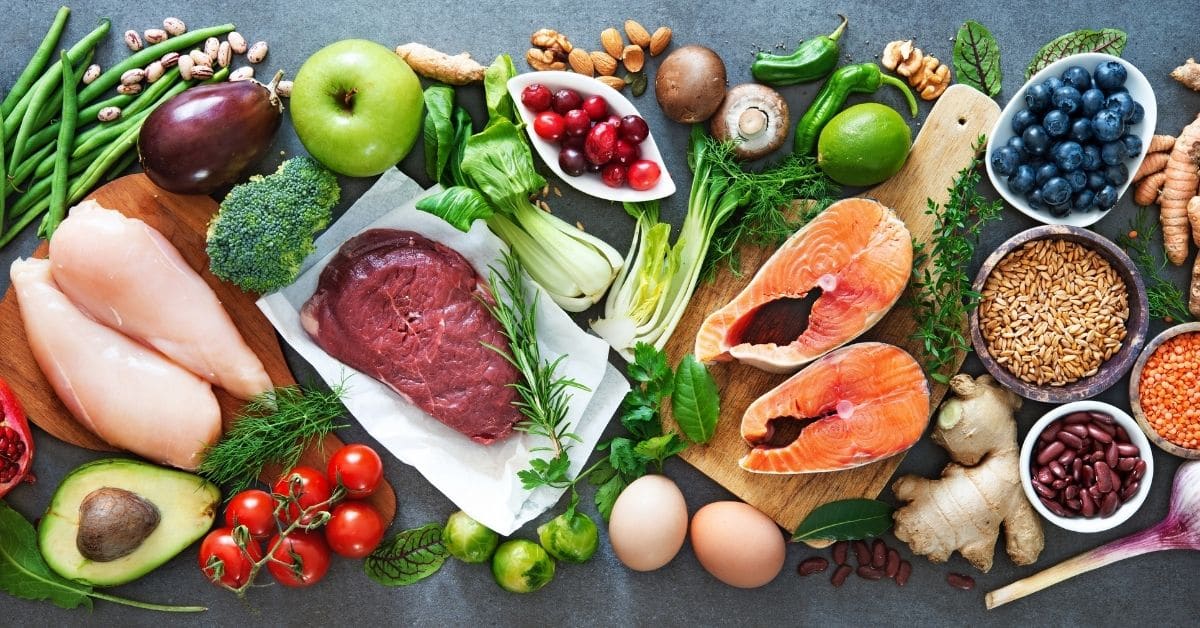
Polycystic ovarian syndrome (PCOS) is a condition that can benefit greatly from diet and lifestyle therapies. In this article we’ll discuss the best diet for PCOS, which should be part of a comprehensive treatment approach to this complex condition.
Often, once diagnosed with PCOS the initial treatment options include hormonal birth control, Metformin, and perhaps Spironolactone. While all of these can be beneficial for some women, they aren’t often enough in the management of PCOS symptoms.
The Best Diet for PCOS
If you’ve taken to Google, you’ll find a long list of diets for PCOS. There are so many claims that individual diet plans are the cure to PCOS and aided in weight loss that it gets confusing.
Firstly, there is no cure for PCOS. You can put your symptoms into remission and manage it well, but at this time, we don’t have a cure for PCOS.
Secondly, it is important to recognize that PCOS can present differently and behave differently for each individual. What is true for one person may not be true for another.
That being said, there are some commonalities to approaching a diet that are universally true for all of us. As we discuss specific foods, just know that you may tolerate them in different portions than someone else or not at all.
PCOS has a metabolic component and is not just about sex hormones. While testosterone is elevated, it is important to understand this is often due to the stimulation of the ovaries by insulin. Elevated levels of insulin cause the ovaries of those with PCOS to produce more testosterone.
What’s even more confusing is that your fasting glucose and hemoglobin A1C, both markers of blood sugar control, can be normal, but you can have spikes (even if transient) in insulin leading to hormone issues. This is why many diets for PCOS focus on blood sugar regulation and insulin control.
In addition, there is also an inflammatory aspect of PCOS that can lend itself to worsening of metabolic issues and increase the risk of cardiovascular disease. It is because of this that I recommend focusing on a diet that promotes lower inflammation levels in the body.
As we walk through this, please continue to ask, “is this true for me” as you read.
In short, the best diet for PCOS is the one that:
- Works for you
- Doesn’t stress you out or create an unhealthy relationship with food
- Feels sustainable
- Helps you achieve your goals—symptom management, weight loss, improved insulin, lower inflammation, better cardiometabolic markers, etc.
The Best Foods for PCOS
There are some simple considerations when thinking about the best and worst foods for PCOS: Focus on nutrient-dense foods. Eat lots of vegetables. Reduce or eliminate inflammatory foods and drinks.
The Best Foods for PCOS Include:
- Grass-fed meat and pasture-raised poultry
- Cold Water Fish
- Healthy fats
- Fruits
- Vegetables
- Seeds and nuts
Grass-Fed Meat and Pasture-Raised Poultry
Commercially-raised meat and poultry have a higher omega-6 to omega-3 ratio than grass-fed or pastured meats and poultry. Now, I know omega-6 fatty acids get a bad rap, but we do need them! However, most of us get way too many omega-6s and way too few omega-3s, which could lead to inflammation.
Ideally, our diets should contain approximately one to four times more omega-6s than omega-3s. In grass-fed beef, the ratio is around 2:1. In commercially raised beef, the ratio is about 9:1. Since omega-6 fatty acids can be inflammatory in excess, eating conventionally raised meat can cause inflammation, which may exacerbate PCOS symptoms.
If you’re going to eat meat, try to select the highest quality as often as possible. You may not have access to this readily, which may mean you want to focus on more plants in your diet.
Cold Water Fish
Cold water fish like salmon are a great source of omega-3s. They’re also a great source of vitamin D (which many of us lack) and protein. Salmon is probably the best-known fatty fish, but others include mackerel, tuna, anchovies, sardines, and trout (to name just a few).
Omega-3 fatty acids provide anti-inflammatory benefits and can aid in insulin sensitivity.
In one animal study it was found that pairing omega-3 fatty acids with a low carbohydrate diet helped in the control of PCOS symptoms, including reducing testosterone.
Unfortunately, the larger fish (usually predators, like tuna) contain higher mercury levels. So eat them in moderation, or swap for smaller fish (like sardines), which are often lower in mercury.
Another way to balance your omega-3 to omega-6 ratio is to take an omega-3 supplement. You can learn more about omega-3 fatty acids here.
Healthy Fats
Fat has been demonized for several years, but human beings need healthy fats. Keep in mind that not all fats are created equal. Healthy fats include monounsaturated fats, polyunsaturated fats, and essential fatty acids. The fat you want to avoid at all costs? Trans fats.
Fat helps with stabilizing blood sugar, keeping your feeling full longer, and may even aid in weight loss.
In one small study comparing low fat vs. high fat diets in women with PCOS it was found that after 8 weeks the higher fat diet resulted in great weight loss. The low fat diet resulted in a loss of lean body mass or muscle. It is important to note that this diet was not a ketogenic diet, as the high fat diet still had substantial calories coming from carbohydrates.
A few examples of healthy fats include:
- Fatty fish
- Nuts
- Pastured meat
- Seeds
- Avocados and avocado oil (cold-pressed, unrefined)
- Coconut oil (cold-pressed, unrefined)
- Olive oil (cold-pressed, unrefined)
- Ghee
Trans fats very rarely occur in nature, and if you want to avoid them, look for the word “hydrogenated” on labels. Fried foods at restaurants are also usually cooked in hydrogenated oils (such as vegetable oil and canola oil), so keep that in mind when eating out.
Fruit
Contrary to popular belief, fruit is not bad for PCOS. Fruits contain several vitamins, antioxidants, minerals, and fiber, all of which support better health. For women with PCOS that are working on optimizing insulin levels, it may be best to opt for fruit lower in sugar, such as berries. But trust that the occasional banana isn’t going to wreck your hormones.
Vegetables
Filling your plate with plenty of vegetables is a great way to care for your gut and support estrogen metabolism. An ideal goal is six to nine servings of vegetables a day. I know that may sound like a lot of vegetables! But it doesn’t have to happen overnight..
I recommend starting where you’re at with daily vegetable servings and adding one additional serving a day each week. Overtime you should ideally be eating vegetables at each meal. And listen, you won’t be perfect every day and that’s totally ok.
I make it easy to incorporate more vegetables in this free meal plan and recipe guide.
Vegetables are vital sources of vitamins, minerals, antioxidants, and fiber. Fiber is essential for gut and hormone health. The ideal goal is to aim for 25 grams per day, which is about twice as much as the average person gets in the U.S.
Research has shown that fiber helps women with PCOS achieve a more ideal body composition (lean body mass and adiposity), as well as improved glucose metabolism. It may also help prevent the chronic illnesses associated with PCOS.
Because of the pattern of anovulatory cycles, women with PCOS often exhibit symptoms of estrogen excess in addition to high androgen symptoms. Vegetables, especially cruciferous like broccoli, cabbage, and kale, supply you with nutrients to support estrogen metabolism. In addition, the fiber they provide helps with the elimination of estrogen via the bowels.
Seeds and Nuts
Nuts and seeds contain healthy fats, protein and minerals, which are great for an overall healthy diet. Nuts like cashews, sunflower seeds, and Brazil nuts provide zinc, which supports balanced testosterone levels.
Brazil nuts, almonds, and hazelnuts provide you with magnesium, which is an essential nutrient for PCOS. Studies have shown magnesium can improve blood sugar and insulin levels. In addition, low levels of magnesium are linked to diabetes and cardiovascular disease. Both are conditions women with PCOS are at higher risk for.
Looking for a way to incorporate more seeds into your diet and support your menstrual cycle? Check out our article on Seed Cycling for Hormone Balance.
Foods That Can Make PCOS Worse
We don’t do “bad” foods around here and yet, there are definitely foods that can aggravate PCOS symptoms and make the condition more difficult to manage. That doesn’t mean these foods are “bad,” it just means they might not work for you. The following list is of foods you want to be mindful of in your diet.
While I’m going to give you a list of foods to limit or avoid, I would highly encourage you to focus on foods to bring in that are beneficial for your health and less on what you’re cutting out.
Foods That Can Make PCOS Symptoms Worse Include:
- Sugar
- Grains
- Dairy
- Alcohol
- Refined oils
Sugar
It may seem obvious that if you struggle with blood sugar dysregulation and insulin resistance that limiting sugar is wise. But for some women with PCOS, sugar can be a culprit in driving acne — a common symptom of PCOS.
When you eat sugar, your body secretes insulin. In an ideal setting insulin knocks on the cell’s door and sugar is invited in. But things get squirrely when you have insulin issues like insulin resistance or PCOS.
Insulin leads to increased oil and testosterone production. It can also lead to increased keratin production, which is a protein that blocks pores.
This is why eliminating sugar from your diet and then bringing it back in can be a good test for how it affects your skin.
Does this mean if you have PCOS you can never eat sugar? No, not at all. But you do need to be mindful of how it impacts your skin, insulin, and testosterone levels.
In this complimentary meal plan and recipe guide I provide you tons of tasty recipes that will leave you satisfied without feeling deprived.
Grains
For women with PCOS, gluten or other grains can be problematic for their skin and metabolic health. Is this universally true for everyone with PCOS? No. And as I explain in Beyond the Pill, it is individualized, which is why cutting them out for about 21 days and bringing them back in to see how they affect you can be very telling.
Gluten can also reduce leptin binding by 50%, which is a hormone that tells you that you’re no longer hungry. Pretty important when it comes to weight regulation. This means gluten may lead to leptin resistance, which means your brain doesn’t get the signal to stop eating.
Some grains can trigger an inflammatory response in some people, and women with PCOS usually have varying levels of inflammation. Many of my PCOS patients in my practice have seen a big difference in their symptoms after limiting grains.
While grains can provide nutrients like B vitamins and are an important source of fiber, they may not work for you or at least not all of them. Again, it’s all about what is true for you.
Dairy
Dairy can raise insulin like growth factor (IGF-1). This in turn leads to high insulin levels, which can stimulate the ovaries to produce more androgens. Those androgens can drive symptoms like cystic acne, oily skin, hair loss on the head, and hair growth on the chin or abdomen. It can also lead to anovulatory (lack of ovulation) cycles.
A study showed that women who adopted a low dairy and low starch diet for eight weeks showed improvement in their PCOS symptoms, such as decreased weight and increased insulin sensitivity.
Alcohol
If you want to better support your hormones, limiting alcohol is a great step. Alcohol can affect our hormones and menstrual cycle, which is problematic enough without adding PCOS into the mix.
Alcohol consumption is associated with an increased risk of fatty liver, cardiovascular disease, menstrual cycle irregularities, depression, and obesity—all of which women with PCOS can be at higher risk for.
One study showed a rise in estrogen levels after just one alcoholic beverage. If estrogen dominance is a problem for you, this is especially important to take note of.
Refined Oils
Refined oils (such as vegetable oil, soybean oil, and canola oil), offer a disproportionate amount of omega-6 fatty acids compared to omega-3s. Since the majority of us do not get enough omega-3s, adding even more omega-6s is problematic.
You’ll often find higher amounts of omega-6 promoting oils in processed foods. This is why focusing on a whole foods diet is an easy way to improve your omega-6 intake and support healthy levels of inflammation.
When Omega-6s are in excess, they can cause inflammation. Aim for cold-pressed, unrefined oils such as coconut, olive, and avocado oil. Keep in mind that some oils work better at high temperatures than others.
What’s the Best Diet for PCOS?
The answer is about what is true for you and may take some trial and error to get there. I hope this outline helps guide you in making choices that help you discover what works best for you.
And remember, even with the best diet and lifestyle practices, we sometimes require additional support from supplements or medication. You can read our Best Supplements for PCOS guide if you’re looking for more support in that area.

If you’ve got ovaries that ovulate, it is highly likely that you develop an ovarian cyst at sometime in your fertile years. You may not even notice the ovarian cyst symptoms or it may be very painful depending on the type and size of the cyst.
Each ovulatory cycle, an egg matures inside of a follicle. Then the follicle bursts open and the egg gets released. Next, either you become pregnant, or your period arrives. After that, the follicle forms the corpus luteum, which is a cluster of cells in the ovary that starts producing progesterone – although not everybody produces enough progesterone.
Sometimes, parts of this process become problematic. For example, if the follicle doesn’t release the egg…The follicle grows and turns into a follicular cyst.
Or, a corpus luteum cyst forms because the follicle bursts open as it would every month, but then it fills with fluid and sticks around a little longer.
When we’re talking about these two types of cysts, they can also be called simple or functional cysts. Two different names for the same condition.
Often, these cysts simply shrink and then disappear. They come and go and you don’t realize that they’ve even been hanging around in your ovaries.
Other times, these cysts become enlarged. This can cause pain and other complications. Sometimes, cysts rupture and can even damage the ovary.
What Are Ovarian Cysts?
Ovarian cysts are fluid-filled pouches that form in or on the ovary. They can range in size from less than 1cm to 10cm. In some cases, there are no ovarian cyst symptoms and in others there may be pelvic pressure or pain.
What Are The Types Of Ovarian Cysts?
Simple cysts aren’t the only kinds of ovarian cysts. There are also complex cysts.
Complex cysts include endometriomas, cystadenomas, and dermoids.
Endometriomas
These are cysts that sometimes occur in women with endometriosis. This happens when tissue that is similar, although distinct, to the uterine lining invades the ovaries. These are sometimes referred to as chocolate cysts.
Cystadenomas
These cysts are pockets of mucus, fluid, and ovarian tissue on the outside surface of the ovary. They are usually benign growths but they can get rather large.
Dermoid
Dermoid cysts, also known as teratomas, commonly occur in the ovaries. In fact, they are one of the most common kinds for women between 20 and 40 years old. These may contain ovarian germ cells and tissues like teeth, hair, or fat. While they may not sound benign, they are for the most part and are rarely cancerous.
While these complex cysts can and do cause problems for many women, in this article, I’ll be focusing on functional cysts.
Ovarian Cysts Symptoms and Signs
If you have a cyst that simply shrinks and fades away, you may never even know that it was there.
However, if your cyst is problematic, there are several symptoms you may experience:
- Pelvic pain (especially around ovulation)
- Irregular cycles
- Spotting mid-cycle
- Lower back pain
- Nausea
- Vomiting
- Fever
- Abdominal bloating
- Feeling full or heavy
- Painful bowel movements or urination (the cyst can put pressure on the bowel or bladder)
- Lack of ovulation
- Fertility struggles
- Painful sex
If you’re experiencing any of these symptoms, and especially if they’re accompanied by sudden pain or fever, it’s important to contact your doctor right away.
Do Ovarian Cysts Hurt?
Most cysts won’t cause a bit of pain — you won’t even know they are there. But if they become enlarged, they most certainly can become painful.
Many women complain of lower back pain, abdominal pain, and pelvic pain associated with ovarian cysts. Still, cysts aren’t always painful – even large cysts can go unnoticed.
Can Ovarian Cysts Cause Bleeding?
Mid-cycle bleeding is a common symptom of ovarian cysts. But it can also be a normal indicator of ovulation, or a symptom of many other conditions. If you ever experience vaginal bleeding and you know it’s not time for your period, it’s important to contact your doctor to get checked out.
Can Ovarian Cysts Cause Back Pain?
In my practice, I’ve seen many women experience a dull, aching lower back pain if they’re experiencing complications due to ovarian cysts. Some women describe hip and pelvic pain as well. Definitely consult with your physician if you’re experiencing pain and you’re not sure why.
Can Ovarian Cysts Cause Bloating?
It might be difficult to distinguish garden variety bloating from bloating caused by an ovarian cyst, but if your bloating is accompanied by pain, discomfort, or bleeding it could be that a cyst is causing your problems.
Can Ovarian Cysts Cause Weight Gain?
Sometimes, as ovarian cysts grow large, women feel like they are ‘gaining weight.’ This isn’t weight gain in the traditional sense. If you have a large cyst, you aren’t putting on body fat. You may experience bloating from the cyst and that can cause water weight to accumulate.
How Do You Know If An Ovarian Cyst Has Ruptured?
Ovarian cysts can rupture without your knowledge. Usually, though, most women will feel pain or discomfort if their cyst ruptures. Sometimes fever or chills accompany a rupture. Complications may arise if the cyst is infected or the weight of the cyst causes the ovary to twist, known as ovarian torsion. Definitely contact your medical professional if you suspect that your ovarian cyst has ruptured, or if you’re experiencing lower back or pelvic discomfort, with or without fever and chills.
How Are Ovarian Cysts Diagnosed?
Ovarian cysts can be tricky to diagnose, especially since many times they don’t cause overt symptoms.
Sometimes, your doctor might discover one during your annual pelvic exam. This can usually be confirmed with an ultrasound. If you have a corpus luteum cyst, you might actually produce a false positive pregnancy test, so doctors often use this method to arrive at a diagnosis. That said, a home pregnancy test alone isn’t enough to diagnose a cyst. Ovarian cysts are also common during pregnancy, so your provider will likely test you.
In postmenopausal women, CA 125 is often ordered to assess an ovarian cyst. CA 125 testing is sometimes ordered in cases of ovarian cysts that are large in premenopausal women. It is not enough on its own to diagnose ovarian cancer and may also be elevated in cases of endometriosis, fibroids, liver or kidney disease, and cases of heart failure.
Ovarian Cysts Vs PCOS
It may seem like polycystic ovarian syndrome (PCOS) is the same thing as ovarian cysts. But they are actually two different conditions with similar names.
In women with PCOS, multiple follicles keep growing, which do not release eggs, and multiple cysts can form in the ovary. PCOS is considered a metabolic condition that is characterized by hormonal imbalances.
Ovarian Cysts Vs Fibroids
Functional cysts are normally filled with fluid, while fibroids are typically denser. Fibroids occur on or in the uterus and cysts occur on or in the ovaries.
Ovarian Cysts Vs Endometriosis
Endometriosis is a condition where tissue similar to the lining of the uterus abnormally grows outside of the uterus. Sometimes, if endometriosis affects an ovary, that ovary can fill with blood. This is called an endometrioma, or a complex ovarian cyst that’s filled with blood. They are also referred to as “chocolate cysts.”
What Causes Ovarian Cysts?
There’s no one singular cause for problematic ovarian cysts.
Technically, they can start with ovulation, but we can’t really define that as a “cause” of the cysts becoming irregular.
Some of the common reasons cysts develop include:
- Pelvic infection: sometimes infections can travel to the ovaries, resulting in cysts
- Endometriosis: complex cysts may develop as a result of endometriosis
- Pregnancy: in early pregnancy, a cyst forms to help nurture the pregnancy while the placenta develops. It can stick around on the ovary for longer than it’s supposed to.
- Estrogen dominance: the hormonal imbalances that result when estrogen levels are high or high in relation to levels of progesterone can cause cysts to develop.
Does the Mirena® IUD Cause Ovarian Cysts?
According to the package insert, 12% of women using Mirena® develop ovarian cysts. If you have a history of ovarian cysts and you’re considering an IUD, ask your doctor if there are concerns about exacerbating the problem.
How Ovarian Cysts Are Treated
For the most part, ovarian cysts seem to resolve themselves. Especially if they are asymptomatic, they may just disappear and you’ll never even know they were there.
For this reason, many doctors take a “wait and watch” approach before resorting to any sort of invasive treatment for ovarian cysts.
Often, your doctor will suggest pain medications like ibuprofen or non-steroidal anti-inflammatories (NSAID) as a treatment for the pain caused by ovarian cysts. If you have a cyst or suspect you might, get a thorough evaluation and your doctor can advise you on the best course of action.
How Are Ovarian Cysts Removed?
If an ovarian cyst is causing significant pain, is larger than 5 cm in diameter, or appears related to endometriosis, your doctor may recommend surgery to have the cyst removed. Your doctor may also suggest surgery if she suspects that it may be cancerous.
The typical surgeries performed to remove ovarian cysts include:
- Laparoscopic cystectomy. This is where a small incision is made to remove the cyst with the assistance of a small camera.
- Oophorectomy. This procedure is the removal of the ovary.
- Hysterectomy. This is the removal of the uterus, ovaries, and possibly fallopian tubes.
Hormonal Birth Control For Ovarian Cysts
It’s quite possible your doctor will recommend hormonal contraception to treat an ovarian cyst. The idea is that if ovulation is suppressed, cysts won’t form, right?
Early formulations of the pill were associated with a lower rate of functional cysts, which many physicians took to mean it could treat ovarian cysts causing them to adopt this treatment practice in the 1970’s. While this approach has shown to be ineffective, it hasn’t really stopped physicians from using it as a treatment. Plus, it can’t shrink or affect an existing cyst in any way. And, keep in mind that birth control options (especially progestin-only options) do not necessarily stop ovulation from happening.
According to a 2014 Cochrane Review, there is no evidence that oral contraceptives cause the resolution of ovarian cysts any faster than what would happen naturally. “Therefore, birth control pills should not be used for this purpose. A better approach is to wait two to three months for the cysts to disappear on their own.”
Plus, we know that the pill can possibly cause a whole host of other unpleasant hormonal side effects. Even if hormonal contraception seemed to work, once you quit taking the pill, your cysts are likely to return if you haven’t addressed the root cause,.
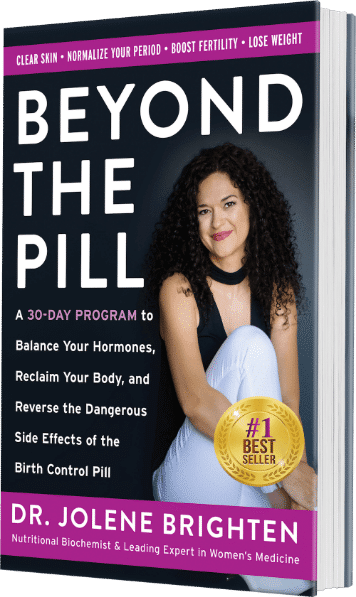
If you’re struggling with any pill-induced discomforts, I’d invite you to check out my best-selling book, Beyond the Pill.
Understand that cysts that do not self resolve often require surgical intervention.
Natural Remedies For Ovarian Cysts
If you’re experiencing pain from an ovarian cyst, there are plenty of natural things you can do to help ease the pain.
Some of my patients swear by taking Epsom salt baths or using a heating pad to help deal with the pain.
But what about getting to the root of the problem, the whole reason cysts are developing in the first place?
Since cysts can often be caused by an overabundance of estrogen, focusing on ways to support estrogen breakdown in the liver and excretion through the digestive system can help treat ovarian cysts.
Some of the things I recommend for women in my clinical practice:
Increase Your Plants
Vegetables and fruits are rich in antioxidants that support ovarian health. They also contain important vitamins and minerals for supporting hormone health. Aim to eat leafy green daily and cruciferous vegetables at least three times a week. Cruciferous vegetables contain nutrients that your body can convert into DIM, a molecule that supports estrogen metabolism.
You can grab my free meal plan and recipe guide to help you begin incorporating these into your diet today.
Targeted Supplements
- Vitex (Chaste tree berry) supports progesterone production, which can help counter estrogen.
- Green tea extract is a potent antioxidant, which may help protect ovarian health. In one PCOS rodent study green tea was shown to reduce the rate of cysts.
- Diindolylmethane (DIM) supports estrogen metabolism and promotes 2-hydroxyestrone, a more favorable estrogen metabolite.
Balance Women’s Hormone Support is a formula that contains ingredients which may help harmonize hormones, and could help your liver process excess estrogen
Eat Your Fiber
I regularly encourage my patients to load up on vegetables for fiber. You need a healthy gut to get estrogen out and fiber can really help encourage frequent elimination, plus support a healthy microbiome.
High-quality Probiotics
Replenishing the gut with friendly microbes can lead to happy hormones. That’s because your gut is a crucial organ in helping you eliminate excess hormones. As it turns out, those gut bugs interact with your estrogen as what is known as the estrobolome. I recommend MegaSporeBiotic to my patients.
Seed Cycling
This time-tested practice may encourage hormone balance by balancing beneficial estrogens with flax and pumpkin seeds in the first half of your cycle. Then in the second half of your cycle (after ovulation) you encourage progesterone with sesame and sunflower seeds. Check out my seed cycling article with all the details here.
Ovarian Cysts And Pregnancy
Ovarian cysts are common in early pregnancy. Because you’re getting so many ultrasounds during this time, you may be more likely to find cysts that you wouldn’t otherwise notice.
For the most part, they are nothing to worry about and will resolve on their own. But do bring up any concerns or symptoms to your OB/GYN.
Can Ovarian Cysts Cause Infertility?
Most (about 4 in 5) ovarian cysts are asymptomatic and will simply disappear within a few months’ time. For the most part, functional cysts are considered unlikely to interfere with fertility.
On the other hand, endometriomas (cysts that are associated with endometriosis) can spawn fertility struggles. But, it’s not clear whether this is a direct result of the cyst itself, or if the underlying issues that caused the cyst are responsible for fertility problems.
Also, if surgery is required to remove a cyst, there is concern that it could interfere with future fertility. But research suggests that in women who undergo in-vitro fertilization (IVF) treatment, surgery to remove ovarian cysts doesn’t impact the chances of achieving pregnancy.
There are minimally invasive options to remove non-cancerous cysts that shouldn’t affect the ovaries. Mention your family planning goals to your doctor when discussing treatment options.
Ovarian Cysts After Menopause
Up until this point, we’ve been primarily discussing ovarian cysts that develop in women of childbearing age, who are still ovulating.
But if ovarian cysts develop after menopause, it’s a slightly different circumstance. Since women who are post-menopausal don’t ovulate, the appearance of functional cysts will likely make your doctor want to investigate further.
Post-menopausal cysts may be benign, but your doctor will likely want to run a few tests to determine what’s going on. Research indicates most simple post-menopausal ovarian cysts either resolve on their own or stay the same.
In most cases, your doctor will want to perform both an ultrasound and CA 125 to screen for cancer before proceeding to a “watch and wait” stance.
Can Ovarian Cysts Be Cancerous?
Typically, ovarian cysts are not cancerous, but it can still be scary to hear the news that you have one. If your doctor is concerned that you possibly have a cancerous ovarian cyst, it’s likely that she will order bloodwork to determine your cancer antigen 125 (CA 125) levels. This blood test can help your physician understand the likelihood of ovarian cancer.
Certain factors put you at higher risk for developing ovarian cancer:
- Family history of ovarian cancer
- Previous history of breast cancer
- Previous history of gastrointestinal cancer
Support Your Hormones (And Ovaries) Naturally
Believe it or not, painless, easy menstruation is completely possible. PMS, bloating, acne, and even ovarian cysts can be a thing of the past…you just need a blueprint for success.
Which is what I’ve created for you in my Hormone Starter Kit to help you get started on the right path.
This completely free resource is absolutely packed with hormone education and even includes a complete 7-day meal plan. It’s literally everything you need to start down the path to hormonal harmony. Download your free copy here.
FREE Resources

Is It Bad To Take Melatonin Every Night?
Most people know melatonin as a supplement to help you

DIM Supplement Benefits For Women
If you’ve been struggling with PMS symptoms, heavy periods, acne,
The Best Diet for PCOS
Polycystic ovarian syndrome (PCOS) is a condition that can benefit

Ovarian Cyst Symptoms And Natural Treatments
If you’ve got ovaries that ovulate, it is highly likely

L-Theanine Benefits: Better Sleep and Less Stress
L-theanine benefits include promotion of relaxation, stress reduction, restful sleep,

What is the Best Treatment for Lichen Sclerosus?
Lichen sclerosus is a chronic skin disease that results in



11 Ways To Prepare Your Daughter For Her First Period
By educating your daughter about how her menstrual cycle works,

What Can I Expect With My First Period?
Puberty can be a confusing time for young women. Bodies

How Does Serotonin Affect Depression?
You probably know serotonin best as the “happy molecule,” but


Hormone Safe Sunscreen: Choosing Natural Sunscreen For Summer
Before you throw on a swimsuit and grab your sunglasses

Why Am I So Hungry On My Period?
Ever notice that your appetite seems to increase in the

How To Increase Serotonin Levels
Serotonin is a key hormone in promoting feelings of happiness

What Is The Role Of Estrogen During Pregnancy?
Estrogen is probably the most talked-about hormone in the female

Serotonin Deficiency – What’s The Risk?
Serotonin (also known as 5-hydroxytryptamine, or 5-HT) is one of

14 Ways Rhodiola Can Benefit Your Health
Rhodiola rosea is an herb known for increasing energy, improving

Does Progesterone Cause Weight Gain?
Hormones. It’s easy to blame them for everything, from mood

The 13 Best Natural Remedies for a UTI
Urinary tract infections (UTIs) are incredibly common. If you’re currently


12 Foods to Avoid During Pregnancy
Until you’ve actually been pregnant, you may not be aware

15 Perimenopause Supplements for Happy Hormones
Perimenopause is a time of hormonal decline as the body
What Is Interstitial Cystitis?
Interstitial cystitis (also known as Bladder Pain Syndrome) is a