
Adrenal

##Maecenas sed diam eget risus varius blandit sit amet non magna. Vivamus sagittis lacus vel augue laoreet rutrum faucibus dolor auctor. Donec id elit non mi porta gravida at eget metus. Etiam porta sem malesuada magna mollis euismod. Vivamus sagittis lacus vel augue laoreet rutrum faucibus dolor auctor. Cras mattis consectetur purus sit amet fermentum. Duis mollis, est non commodo luctus, nisi erat porttitor ligula, eget lacinia odio sem nec elit. Curabitur blandit tempus porttitor. Donec ullamcorper nulla non metus auctor fringilla. Nullam quis risus eget urna mollis ornare vel eu leo. Maecenas faucibus mollis interdum. Cras justo odio, dapibus ac facilisis in, egestas eget quam. Maecenas sed diam eget risus varius blandit sit amet non magna. Curabitur blandit tempus porttitor. Donec ullamcorper nulla non metus auctor fringilla. Nullam quis risus eget urna mollis ornare vel eu leo. Maecenas faucibus mollis interdum. Cras justo odio, dapibus ac facilisis in, egestas eget quam. Maecenas sed diam eget risus varius blandit sit amet non magna.

Most Popular

Do you feel like the holidays might get the best of you and your energy?...

Rhodiola rosea is an herb known for increasing energy, improving mental and physical stamina, and for building resilience to stress.  

While Rhodiola may be one of those herbs that you may not have heard of — yet. But it is a versatile and powerful tool in improving hormonal health.

From helping the body adapt to stress via adrenal support to supporting healthy immunity, it seems like Rhodiola can almost do anything. It’s a fantastic adaptogen that can people turn to for several reasons:

  1. Boost Energy
  2. Reduce Anxiety
  3. Help With Depression
  4. Premature Ovarian Failure
  5. Support Adrenal Function
  6. Improve Brain Health
  7. Help with ADHD
  8. Weight Loss
  9. Stress Management
  10. Increase Athletic Performance
  11. Treat Diabetes
  12. Fight Cancer
  13. Reduce Blood Pressure
  14. Increase Immunity

Let’s explore Rhodiola’s many benefits and discuss how women use it for hormonal support, general health, and more. 

What Is Rhodiola?

Rhodiola is an herb native to the Arctic regions of the world. The roots of this plant function as an adaptogen, which means they help the body to adapt to stress. Prehistoric Siberians, Ancient Greeks, and Chinese Emperors have sung its praises for thousands of years. 

Its proper name is Rhodiola rosea, but it’s also known as arctic root, golden root, king’s crown, or rose root.

As early as 77 AD, Rhodiola started showing up in medical texts. The earliest practitioners of medicine have traditionally turned to Rhodiola to treat colds, flu, enhance energy, extend lifespan, and, more recently, help with depression. 

What Are The Benefits Of Rhodiola?

Rhodiola rosea can help enhance brain function, increase physical stamina, improve energy, increase exercise performance, may decrease symptoms of depression, and can also improve blood sugar.

The benefits of Rhodiola are so numerous that it’s quite an exhaustive list. Here I’ve outlined 13 of the most popular health benefits of Rhodiola.

Does Rhodiola Give You Energy?

One of the primary uses of Rhodiola is to fight fatigue. There have been several clinical trials demonstrating the efficacy of this herb to help ward off the effects of fatigue.

In fact, in a randomized, double-blind, placebo-controlled, parallel-group study, Rhodiola was found to decrease fatigue, increase mental performance, and decrease cortisol in patients with burnout and chronic fatigue syndrome.

Rhodiola has a reputation for quickly increasing energy levels as well. In one clinical trial, participants noticed significant changes after taking Rhodiola for just one week. Energy continued to increase, and fatigue continued to decrease after eight weeks as well.

Does Rhodiola Help With Anxiety?

Rhodiola could also be used to address anxiety. In one small study, participants with a generalized anxiety disorder (GAD) significantly decreased their anxiety symptoms. 

Participants showed improvement in symptoms including:

  • Tension
  • Worry
  • Fear
  • Insomnia
  • Depression
  • Muscle twitch
  • Heart palpitations
  • Difficulty breathing
  • Gastrointestinal upset
  • Dry mouth
  • Sweating
  • Fidgeting
  • Loss of libido

In another study, patients reported the same significant mitigation of their anxiety symptoms after taking Rhodiola for just 14 days. Patients reported these changes gradually over the course of two weeks.

Rhodiola For Depression

Because Rhodiola is generally well tolerated and is known to produce little to no side effects, people often turn to it as part of a complete program to address depression.

In a recent randomized, double-blind, placebo-controlled trial, researchers found that Rhodiola may be useful for reducing depression symptoms. In this study, researchers compared Rhodiola to Zoloft®. While Rhodiola’s effects weren’t as strong as the effects of Zoloft, participants experienced fewer uncomfortable side effects. 

It’s believed that Rhodiola works to treat depression by inhibiting monoamine oxidases (MAO). In another study involving patients with mild to moderate depression, Rhodiola reduced participants’ depressive symptoms and insomnia. In higher doses, it even boosted participants’ self-esteem over six weeks. 

If you’re currently using medications to manage your anxiety or depression, it is important to speak with your prescriber before adding Rhodiola into your routine.

Rhodiola And Premature Ovarian Failure

Premature Ovarian Failure or Primary Ovarian Insufficiecy (POI) is a condition in which women lose their fertility and period before age 40. 

Researchers gave Rhodiola to 40 study participants who had experienced premature ovarian failure. At the end of the study, 25 women had regained their period, and 11 were pregnant.

While Rhodiola is not part of the conventional standard of care for fertility treatment, this study helps demonstrate why many traditional herbalists have recommended Rhodiola for fertility.

Rhodiola For Adrenal Support

We’ve already discussed how Rhodiola could help manage cortisol levels. Regulating cortisol is a necessary step toward restoring proper adrenal function.

When your body perceives that it’s under stress, your adrenals start firing off cortisol, insulin resistance rises, and all kinds of complications ensue.

Rhodiola may help mitigate these consequences. I’ve outlined several others in this article that could help as well.

This is why you’ll find Rhodiola in our Adrenal Support supplement formulation. This is our morning energy support formula that helps your body bring cortisol into balance so your hormones can thrive.

Rhodiola for Brain Function

Rhodiola has been touted for its ability to enhance mental stamina and performance. It may even help alleviate brain fog!

In a double-blind study of physicians working night shifts were given either a placebo or 170 mg of Rhodiola daily for two weeks. What they found was that Rhodiola reduced mental fatigue and improved work performance by 20% when compared to placebo. 

A 2012 study found that after 4 weeks of taking 400 mg of Rhodiola rosea daily participants enjoyed improvement in their fatigue, stress, and anxiety.

Rhodiola and ADHD 

Since people report that their moods have improved since adding Rhodiola to their regimen, researchers have begun evaluating it to enhance and protect brain health.

Scientists are exploring its potential as a non-pharmacological treatment option for ADHD

In one double-blind, placebo trial  students were given Rhodiola supplements for 20 days during an exam period. They found that they experienced significantly improved physical fitness, a reduction in mental fatigue and sleep. They also observed that exam scores were 8% higher when compared with the placebo group.

A review of the available data on Rhodiola Rosea furthermore bolstered these claims, showing it may positively impact learning and memory function.

Some are even hopeful that it could be used as part of a treatment protocol for Alzheimer’s and other neurodegenerative diseases

Does Rhodiola Help With Weight Loss?

Diet and exercise are fundamentals in maintaining a healthy weight. Additionally, we understand that imbalances in cortisol, thyroid estrogen, insulin and other hormones can also be involved in weight gain or inability to lose weight.

In addition to helping with stress, anxiety, and depression, people have credited Rhodiola for their weight loss. In one study, Rhodiola was combined with other botanicals to reduce visceral fat effectively. 

Is Rhodiola Good For Stress?

There are many studies that have demonstrated the effect of Rhodiola on reducing stress, improving fatigue, and helping the body manage anxiety.

As you may imagine, Rhodiola could also be a powerful approach to chronic stress. 

Some of the physical symptoms of stress include:

  • Lack of energy
  • Gastrointestinal upset
  • Chest pain
  • Insomnia

Some of the emotional symptoms of stress include:

  • Becoming easily frustrated
  • Moodiness
  • Low self-esteem
  • Avoidance of social situations

As this review suggests, Rhodiola serves a potentially unique role in the approach to stress. Most traditional pharmaceuticals treat either the physical or emotional symptoms of stress. Rhodiola seems to help with both.

Rhodiola’s Effect On Athletic Performance

In two separate studies of its effect on endurance training, researchers demonstrated that it may improve exercise capacity. 

The studies noted that participants who took Rhodiola had an altered perception of the difficulty of the exercise. This could be how the herb helped to increase performance.

This is yet another reason people have been turning to Rhodiola—its potential to enhance athletic performance. 

Can Rhodiola Help Treat Diabetes?

Diabetes occurs either when the body is unable to make sufficient insulin or the cells do not respond to insulin as they should. The result is elevated blood sugar.

Rhodiola’s benefits may also extend to blood sugar regulation. The herb has been shown in studies to lower blood sugar in diabetic rats. We need more human clinical trials to understand its utility in treating diabetes.

Furthermore, some people with diabetes experience a phenomenon known as hyperalgesia — which means they experience increased pain sensitivity. In one study, Rhodiola demonstrated antihyperalgesic effects, showing promise for addressing this debilitating symptom of diabetes.

Rhodiola’s Cancer-Fighting Properties

Believe it or not, cancer researchers have begun looking into Rhodiola as an adjunct cancer therapy. 

In three separate studies, researchers demonstrated that the compounds in Rhodiola prevented the growth of breast cancer, colon cancer, and bladder cancer cells. These are test-tube studies, but they show promise for Rhodiola as a potential adjunct cancer treatment and further research may point to Rhodiola as an treatment in cancer. More research is needed to understand how to effective it is.

If you’re currently undergoing cancer treatment, be sure to speak with your doctor before adding Rhodiola or any supplement to your regimen.

Rhodiola For Blood Pressure

Rhodiola has been used as a tool to lower blood pressure for thousands of years. It is regarded in Traditional Chinese Medicine (TCM) as an herb for treating aging-related diseases, including high blood pressure.

More recent studies have shown that Rhodiola may lower blood pressure as well.

Rhodiola Can Support Healthy Immunity

A final and critical way Rhodiola could help out our bodies is by boosting our immune system. 

Studies have shown that Rhodiola may have both antibacterial and anti-viral properties. This is precisely why traditional healers have been using it for thousands of years to fight colds. 

Rhodiola Side Effects And Precautions

One thing remains constant in the literature regarding Rhodiola. It is well-tolerated and lacks adverse effects when interacting with other medications. Rhodiola generally does not interact with other drugs, and clinical trials have not uncovered concerning adverse effects. 

The most commonly reported side effects are dizziness and dry mouth.

Some cautions to consider:

  • Since Rhodiola may lower blood pressure, it’s not recommended for anyone who has already low blood pressure. If you’re taking medication to lower your blood pressure, check with your doctor or pharmacist before taking Rhodiola. 
  • Since it could lower blood sugar, it could cause blood sugar to drop too low in people with diabetes or hypoglycemia.
  • When combined with other depression medications, Rhodiola may cause drowsiness.
  • Some studies have shown it’s safe to take while nursing, but always consult your provider before taking anything while pregnant or breastfeeding.
  • Rhodiola is not recommended in combination with Monoamine oxidase inhibitors (MAOIs).
  • It is not advised to take Rhodiola if you have a history of bipolar disorder.

The Different Forms Of Rhodiola

You can take Rhodiola in a few different ways. Each has its own unique advantage. When shopping for a supplement, look for a standardized amount of 3% rosavins and 1% salidrosides. 

Rhodiola Capsules

Capsules are the most widely available version of Rhodiola. These are the easiest to find and the easiest to take, since Rhodiola tends to have a bitter taste.

Rhodiola Tincture

Tinctures are a bit more traditional and have the added advantage of being absorbed 20-30 minutes quicker than medications in capsule form. Again, Rhodiola tinctures can be a bit harder to find and can have a unique taste that many find somewhat unpleasant.

Rhodiola Tea

If you’re fortunate enough to find Rhodiola root, you can make a traditional tea by steeping the chopped root in boiled water for about 4 hours. There are some commercially available teas with Rhodiola in them as well. You can mask the medicinal taste with tea by adding mint, honey, or other ingredients that you like. But be warned, it isn’t going to be a mild flavor like a cup of chamomile.

Rhodiola Rosea Dosage

Dose recommendations for the various things Rhodiola could help with vary, of course. Please talk with your doctor before starting a course of any supplement.

Most people benefit from a dose of about 100 mg daily of standardized Rhodiola that contains 3% total rosavins and 1% salidroside. In some instances, your provider may recommend a higher dose.

Our Products That Contain Rhodiola

Proper adrenal function is the foundation for hormonal balance.

Our Adrenal Support formula contains the highest quality Rhodiola with ideal ratios of the key compounds found in Rhodiola. Thousands of women have used this product as part of a stress hormone management regimen and to gain energy they thought they could never have again.

Is Rhodiola An Adaptogenic Herb?

Rhodiola is an adaptogen. To be an adaptogen, it has to be generally well-tolerated and must help the body deal with the effects of stress. Rhodiola has many other health benefits as well — as we’ve explored here. 

There are several other adaptogenic herbs that work in other ways to help with stress management, and here are some of my favorites.

Other Adaptogenic Herbs

Ashwagandha

Ashwagandha is another excellent adaptogen. I love it for its ability to help with anxiety and stress and improve thyroid function and support immunity. 

I have an entire article that I’ve devoted to Ashwagandha that you can check out.

Licorice root

Another incredible adaptogen I often recommend to patients is licorice root. 

Licorice root is great for supporting the adrenals and reducing stress and anxiety. It may also be used for calming an upset stomach and has been used for centuries to help ease respiratory distress.

Maca

A root vegetable from Peru, maca is an adaptogen that has additional benefits for reproductive health. Healers have used maca traditionally for centuries to increase libido and fertility.

Unlike the other adaptogenic roots, maca actually tastes good – kind of like butterscotch – so you can mix into oatmeal or a smoothie without needing to mask the flavor. 

Read more about Maca here.

Can You Take Rhodiola And Ashwagandha Together?

Two well studied adaptogens, Rhodiola and Ashwagandha, can be quite effective if taken together. 

Rhodiola tends to be more energizing, and Ashwagandha has a bit more calming effect. I purposely added both to my Adrenal Support formulation to help provide energy while promoting a sense of calm.

When their powers are combined, many people report:

  • Mental clarity and focus
  • Increased energy
  • Improved mood
  • Reduction in anxiety
  • Reduced depression
  • Improved libido
  • Enhanced athletic performance

These two herbs combined seem to complement each other in just the right ways to enhance the benefits of each.

There’s a ton of anecdotal evidence to suggest that Rhodiola and ashwagandha, taken at therapeutic doses, is a powerful approach to ADHD as well.

Summary

Rhodiola is a traditional herb used for centuries and supported by science in its ability to enhance mental and physical stamina, reduce stress, improve energy, and strengthen the resilience of the body to anxiety and depression.

I hope this article has helped you understand the uses and benefits of this fantastic herb and how it may play a role in improving hormonal health.

I’d love to help you dig into your hormonal research further. If you’re looking where to start on your hormone journey, grab my hormone balancing starter kit (complete with recipes and tons of bonuses). Then we can nerd out on women’s health together!

Vitamin C is an essential nutrient for many reasons. Also known as ascorbic acid, Vitamin C is water-soluble, so it can’t be stored in large amounts by the body. You’ve got to ingest it daily. Vitamin C is crucial for skin, bones, ligaments, tendons, teeth, eyes, and blood vessels. In this article, we’ll discuss all of some of the top 14 benefits of this incredible vitamin.

You may have heard of vitamin C as a cold remedy or as something to take to “boost your immune system,” but it actually has benefits far beyond just immune system support.

Did you know vitamin C plays a key role in supporting hormone function and thyroid health? It’s also great for your cardiovascular system and can even help keep your skin looking youthful.   

Let’s explore all the ways vitamin C is important for health. In this article we’ll cover:

  • Benefits of vitamin C for immunity
  • How vitamin C supports your hormones
  • Vitamin C for adrenal health and anxiety
  • Top food sources of vitamin C
  • Different supplement forms
  • Dosages that have been shown to be beneficial in the research

1. Vitamin C For The Immune System

As you’re likely aware, vitamin C is a critical component in keeping your immune system in tip-top shape. Many studies have shown its efficacy in cases of bacteria and viral infection, including lung inflammation caused by the flu and pneumonia

It’s thought that vitamin C’s immune supporting benefits come from its ability to help produce white blood cells — the body’s defenders against infection. 

And levels of the vitamin are low in patients who have severe infections like tuberculosis, further indicating a relationship between vitamin C levels and the immune system. 

Does Vitamin C “Boost” Your Immune System?

Vitamin C is important for protecting immune cells. Your immune cells, lymphocytes specifically, produce reactive oxygen species (ROS), which are great in defending against foreign invaders, but can also damage the immune cells themselves. Because vitamin C is an antioxidant, it provides protection for these important cells. These lymphocytes will actual increase the levels of vitamin C they have in order to protect themselves, which is one reason why the body may require increased levels of vitamin C.

In addition, vitamin C supports your immune system in producing white blood cells and helping these cells (specifically lymphocytes, neutrophils, and phagocytes) function at their best.

But while it is an essential nutrient for a healthy functioning immune system, it does not “boost” immune activity. Rather, it supports your immune system’s defenses against viruses, bacteria and other invaders. And it also protects your immune cells. 

Can Vitamin C Prevent or Cure the Common Cold?

Sadly, there just isn’t a cure for the common cold. And as great as vitamin C is, it won’t prevent you from catching it either. 

In a Cochrane Review that looked at 29 studies with a total of 11,306 participants, it was concluded that at the dose of 200 mg or more of vitamin C, there was no reduction in the risk of contracting the common cold. 

However, it was also found that regular supplementation with vitamin had a “consistent effect in reducing the duration of common cold symptoms, which is based on 31 study comparisons with 9745 common cold episodes.” 

  • In adults, supplementing with 200 mg/day was found to reduce the duration of colds by 8% and in children by 14%.
  • In children, vitamin C at a dose of 1,000-2,000 mg/day shortened colds by 18% and also reduced the severity.

This review concluded that:

Nevertheless, given the consistent effect of vitamin C on the duration and severity of colds in the regular supplementation studies, and the low cost and safety, it may be worthwhile for common cold patients to test on an individual basis whether therapeutic vitamin C is beneficial for them. 

In therapeutic trials at doses of 1-8 g/ day, there were no significant effects of beginning vitamin C supplementation once there was an onset of cold symptoms. 

The takeaway here is that consistent daily supplementation has a more significant effect than taking vitamin C at the onset of cold symptoms. Keep reading because we’ll be covering food sources and supplements for vitamin C.

2. Vitamin C For Better Progesterone Levels

Progesterone is a hormone made following ovulation. It’s benefits range from supporting a healthy mood, better sleep, keeping anxiety in check, making periods easier, and improved brain function. 

In one randomized control trial it was found that women who supplemented with vitamin C had increased progesterone levels compared to the placebo group.

3. Vitamin C For Fertility and Pregnancy

Vitamin C has long been touted for its ability to increase fertility. Researchers believe that ascorbic acid is important in many parts of the reproductive process. This is likely because it plays a vital role in hormone production, helps make collagen, and protects cells from free radicals. 

Studies show that vitamin C impacts follicle integrity, and even helps to restore follicular reserves and aging ovaries in mice. Human studies also suggest a correlation between vitamin C levels and follicular fluid levels, making vitamin C an ideal supplement for anyone trying to increase the health of their eggs.

In another study, women who were struggling to get pregnant supplemented with 750mg of vitamin C to great effect. Their progesterone levels increased and within 6 months, 25% were pregnant. 

4. Vitamin C for Stress and Anxiety

Vitamin C is required for making catecholamines, otherwise known as stress hormones. In fact, your adrenal glands are one of the organs with the highest concentrations of vitamin C and leverage this vitamin to do their job. This is why we include vitamin C in our Adrenal Support formulation.

In times of stress, your adrenal glands increase production of catecholamines. Because of this, they are using more vitamin C, which is why some people benefit from increased intake during times of chronic stress. 

When it comes to anxiety, there have been small studies pointing to the benefits of vitamin C. In a small double-blind, randomized, placebo-controlled trial studying the effects of 500 mg daily vitamin C supplementation on anxiety in students it was found that the students supplementing with vitamin C had lower levels of anxiety compared to students in the placebo group.

5. Vitamin C For Endometriosis

Endometriosis occurs when endometrial-like implants grow outside of the uterus. This tissue isn’t exactly the same as the normal lining of the uterus, but can still respond to hormone changes that accompany a normal menstrual cycle. This can be an extremely painful condition for women who suffer from it. 

In one study, chronic pain from endometriosis was reduced in 43% of study participants after treatment with vitamin C and E, suggesting that these antioxidants may reduce pain and inflammation. Furthermore, in animal studies, intravenous vitamin C treatment showed promise as treatment for endometriosis as well.   

I go in depth into other treatment strategies for endometriosis in this article. 

6. Vitamin C For Heavy Periods

Vitamin C supports the integrity of blood vessels. Fragile capillaries are believed to be involved in some cases of heavy periods or menorrhagia. Capillaries are small blood vessels found throughout the body.

Vitamin C and bioflavonoids (a group of antioxidants) also have an anti-inflammatory effect, which may also reduce heavy bleeding.

In one small study, 89% of women experienced a reduction in heavy flow after supplementing with vitamin C and bioflavonoids. The hypothesis is that it’s anti-inflammatory effect, plus its ability to strengthen capillary walls reduces the menstrual bleeding. Since it also helps with the absorption of iron, vitamin C also assists women who have struggled with iron deficiency due to the blood loss.

The doses that have been used in studies are actually quite low when it comes to heavy bleeding. It appears around 600 mg daily is the lowest dose to show benefits.

7. Vitamin C and Birth Control

If you’re currently on the oral contraceptive pill, then you should know that these can deplete your body of vitamins and nutrients. In addition to vitamin C, the pill has been shown to deplete B vitamins, vitamin E, and zinc, magnesium, and selenium. Pay close attention to your nutrition and fill in with a multivitamin or prenatal.

Does Vitamin C Cause Miscarriage?

If you’ve ever heard a rumor that taking massive amounts of vitamin C will terminate a pregnancy, please dismiss this information as just that, rumor. There’s no evidence to support this claim, and it’s definitely not an effective birth control option. 

If you are in need of contraception, check out my contraception guide (which also includes non-hormonal options) or if you’re in an emergency situation, please read my article on the morning after pill.

If you’re considering vitamin C in pregnancy, typically what you find in a prenatal is a safe dose. If you’re considering increasing your dose, please speak with your doctor.

Read more about what to look for in a prenatal here.

8. Vitamin C As A Natural Antihistamine

In addition to supporting the immune system, vitamin C also acts as a natural antihistamine, which is great news for anyone who suffers from allergies. 

Histamines are inflammatory compounds that are a normal part of immune response but when they overreact in certain instances, they can cause an allergic reaction. Vitamin C can help temper that allergic response of seasonal allergies, but understand it is not a treatment for severe allergic reactions, so call your doctor or seek immediate medical care if this is what you’re experiencing. 

Histamines can also play a role in PMS. Histamine in your body, while part of the normal female cycle, can create issues, causing anxiety, migraines, and period pain. Taking vitamin C regularly might help with PMS symptoms that are a result of inflammation caused by histamines.  

9. Vitamin C And Iron

Vitamin C and iron are quite the dynamic duo. Vitamin C has been shown to help with the absorption of non-heme iron quite nicely. This is great news for anyone suffering from anemia. It’s also something to keep in mind if you’re experiencing heavy period blood flow. The amount of vitamin C ingested corresponds directly with the absorption levels of soluble iron. 

I have a comprehensive article to help you if you’re struggling with iron deficiency anemia

10. Vitamin C And Thyroid Health 

Possibly because of its role in increasing iron absorption and it’s strength as an antioxidant, it appears that supplementation with vitamin C can help regulate T3, T4, and TSH levels in thyroid patients. 

In one study, thyroid patients who were given vitamin C saw improved symptoms and lowered oxidative stress. And it seems this holds true for both hypothyroid and hyperthyroid conditions. 

11. Vitamin C As A Powerful Antioxidant

Antioxidants protect you from free radicals, which are unstable molecules that are linked to disease and aging. Vitamin C is one of the most potent antioxidants, and can help increase the levels of antioxidants in your blood. 

This in turn, helps prevent many chronic diseases. Antioxidants have been shown to fight heart disease, cancer, alzheimers, and help delay the physical effects of aging. In short, they’re super important for your health, and getting as many of them in your diet or through high quality supplementation is a really good idea. 

12. Vitamin C For Heart Health

While we can’t completely attribute vitamin C intake to a healthier heart, it seems like increased intake of this vitamin may indicate better heart health. 

In one study, participants took 700 mg of vitamin C in supplement form for 10 years. And the results indicated that they had a 25% lower chance of getting heart disease. In another review, it appeared that vitamin C supplementation reduced bad cholesterol and triglycerides. 

Of course, it’s always possible that those with healthier habits like exercise and eating lots of fruits and veggies are more likely to take supplements, but it’s still a great case for upping the vitamin C wherever and whenever you can.

13. Vitamin C For Memory

Studies have shown that lower levels of vitamin C may correspond with impaired cognitive function. And oxidative stress is likely a key factor in the development of Alzheimer’s disease. 

It stands to reason then, that studies have shown that when vitamin C intake increases, levels of dementia and cognitive decline decreases. This appears to hold true whether vitamins are ingested in supplement or whole food form. 

14. Vitamin C for Healthy Skin

When levels of vitamin C inside the body are low, we can start to see that reflected in the skin. People with vitamin C deficiency often have rough, dry or inflamed skin. We also know that vitamin C helps make collagen…so it only makes sense that beauty industry professionals decided applying vitamin C to our skin topically might have a benefit. 

Turns out they were right — vitamin C serums are amazing natural skin boosters, evening out redness and helping to reduce the appearance of dark spots. In addition, it seems to help increase collagen production, which as any woman in her forties knows, helps decrease fine lines and wrinkles. It’s antioxidant benefits also appear to help protect the skin from sun damage.  

What Kind Of Vitamin C Is Best?

Focus should be on obtaining vitamin C through your diet first. However, as noted in the research studies presented in this article, the benefits of vitamin C have been found through supplementation. 

20 Whole Food Sources of Vitamin C

Vitamin C is found abundantly in whole foods, especially raw fruits and vegetables.

Vitamin C rich foods include:

  1. Strawberries
  2. Oranges
  3. Broccoli
  4. Cauliflower
  5. Bell peppers
  6. Papaya 
  7. Parsley
  8. Brussels sprouts
  9. Kiwi
  10. Lemons
  11. Cantaloupe
  12. Mango
  13. Pineapple
  14. Guava
  15. Grapefruit
  16. Kale
  17. Hot peppers
  18. Tomatoes
  19. Pomelos 
  20. Mandarin oranges

Acerola cherries have a whopping 2,740% of the recommended daily intake of vitamin C. You may not be able to find them easily at the grocery store, but you can buy them powdered online.

Vitamin C Supplements

While there are many different available forms, the vast majority of studies examine ascorbic acid or sodium ascorbate, which is it’s sodium salt form. So when it comes to all the benefits you’ve read above, this is the form that was used.

There’s very little evidence that any one form is more effective or that it is better absorbed. We’ll review the different forms below, but it is important to understand this as a lot of claims are often made about vitamin C benefits via different forms.

Ascorbic Acid

This is the most common form of vitamin C that has been demonstrated to have benefit in clinical trials and scientific studies.

While this may be difficult on the digestive system for those with known ulcers or sensitive stomachs, this can be an effective way to supplement with vitamin C. Plus, it is one of the most cost effective versions. 

But if you find this is difficult on your digestion, you may want to try taking it with food or opting for a buffered vitamin C version.

Buffered Vitamin C

Buffered vitamin C can be gentler on the digestive tract, but it may be absorbed slightly less. And when I say slightly, understand that it is not a huge absorption difference. If you tolerate it better than ascorbic acid then it is a better option for you. 

Intravenous Vitamin C

Vitamin C that’s delivered through an IV directly into the bloodstream appears to be the most advantageous in circumstances where large amounts of vitamin C are needed quickly. It can also help you maintain a steady amount circulating in the blood.

It’s often used as a complementary cancer treatment, as it appears that cancer patients have lower levels of vitamin C, and it helps to offset some of the toxicity of chemotherapy treatment. Furthermore, since it’s an anti-inflammatory and antioxidant, it’s believed to have anti-cancer properties. In a couple of studies, intravenous vitamin C treatment increased survival time for those who were administered it versus those who weren’t. 

However, I want to be clear that vitamin C should not be used in place of any recommendations from your doctor regarding cancer treatment and that you should consult your doctor before pursuing this therapy. It’s also important to understand that vitamin C alone is highly unlikely to prevent cancer. Cancer is cause is complex and vitamin C and antioxidant status is only one piece of this. 

Liposomal Vitamin C

Liposomal, or lipospheric, vitamin C is a vitamin that has been combined with very small fat-like particles. The liposomes help deliver the nutrient they’re combined with quickly and effectively. Research suggests that liposomal vitamin C is slightly more effective at producing circulating levels of vitamin C than the plain version of the vitamin, but not as effective as when it’s introduced intravenously.

Making liposomal forms of vitamins is difficult, so quality matters. If you’re opting for this version, make sure you’re getting it from a company you trust.

While many people will claim that liposomal and IV vitamin C are the best versions for absorption, there’s not substantial evidence that there is a significant difference for the average person. As you read above, there are considerations for using these other forms and times where IV vitamin C may be beneficial.

How Much Vitamin C Should You Take?

The recommended daily allowances for vitamin C intake for adults are:

  • 75 mg for females
  • 85 mg for pregnant females
  • 120 mg for breastfeeding women
  • 90 mg for males

Keep in mind that these suggestions are likely not high enough to achieve optimal levels of vitamin C in the body. Therapeutic doses are generally recommended in the 600-1000 mg per day range.

Clinically, I’ve observed, as have many other clinicians experienced in nutritional therapy, that supplementation with much higher doses is more tolerable during an acute illness then may be otherwise. Remember, the studies on immunity have shown benefit with consistent daily supplementation and not initiation at onset of symptoms. But we also understand that during acute illness our vitamin C requirements can increase. Because we are animals that don’t make vitamin C, there is an argument to be made that we need to increase our intake when we’re sick to support our body.

How Much Vitamin C Is Too Much?

Since vitamin C can’t really be stored by the body, it’s hard to take too much of it. For the most part, your body will excrete any excess vitamin C it can’t use in your urine.

Higher doses of vitamin C may cause some gastrointestinal issues like nausea and diarrhea. This is why it is advised to take in divided doses. In times of illness, it has been observed that higher doses are more tolerable compared to when someone is not currently ill. 

If you’ve ever heard, “take it until bowel tolerance” then what that means is to take vitamin C until you develop loose stools and then backing off to the dose that didn’t cause that issue.

Symptoms Of Vitamin C Deficiency

In today’s society, vitamin C deficiency is somewhat rare. Most people get enough from foods that are fortified with vitamins at the very least. However, some segments of the population are at greater risk for deficiency, like smokers, alcoholics and those with eating disorders. By some estimates, 13% of the population may actually struggle with lower levels of vitamin C. Vitamin C deficiency leads to a condition called scurvy. But I want to be clear, that optimal and deficient are two different things and the absence of scurvy doesn’t mean your levels of vitamin C are sufficient for your needs.

Some of the signs that vitamin C deficiency may be an issue include:

  • Poor immunity
  • Lethargy
  • Rough, dry skin
  • Thin and brittle nails
  • Bleeding gums 
  • Tooth loss
  • Bruising
  • Swelling 
  • Anemia

How To Incorporate More Vitamin C Into Your Life

Hopefully, after hearing all of the amazing benefits of vitamin C, you’re interested in optimizing your levels. 

Load up on those on fruits and vegetables, and fill in the gaps with a high-quality multivitamin that includes at least 600 mg per day like my Women’s Twice Daily formula. You’ll also find vitamin C in my Prenatal Plus and Adrenal Support formulation.           

And — if you’re looking for some killer inspiration on how to cook up those veggies into heart, brain, and hormone friendly meals that are also delicious, be sure to check out my completely free 7 day meal plan and recipe guide for tons of inspiration!

Citations

Kim H, Jang M, Kim Y, Choi J, Jeon J, Kim J, Hwang YI, Kang JS, Lee WJ. Red ginseng and vitamin C increase immune cell activity and decrease lung inflammation induced by influenza A virus/H1N1 infection. J Pharm Pharmacol. 2016 Mar;68(3):406-20. doi: 10.1111/jphp.12529. Epub 2016 Feb 21. PubMed PMID: 26898166.

https://www.ncbi.nlm.nih.gov/pubmed/26898166

Hemilä H, Chalker E. Vitamin C for preventing and treating the common cold. Cochrane Database Syst Rev. 2013 Jan 31;(1):CD000980. doi: 10.1002/14651858.CD000980.pub4. Review. PubMed PMID: 23440782.

https://www.ncbi.nlm.nih.gov/pubmed/23440782

Huijskens MJ, Walczak M, Koller N, Briedé JJ, Senden-Gijsbers BL, Schnijderberg MC, Bos GM, Germeraad WT. Technical advance: ascorbic acid induces development of double-positive T cells from human hematopoietic stem cells in the absence of stromal cells. J Leukoc Biol. 2014 Dec;96(6):1165-75. doi: 10.1189/jlb.1TA0214-121RR. Epub 2014 Aug 25. PubMed PMID: 25157026.

https://www.ncbi.nlm.nih.gov/pubmed/25157026.

Hemilä H, Louhiala P. Vitamin C for preventing and treating pneumonia. Cochrane Database Syst Rev. 2013 Aug 8;(8):CD005532. doi: 10.1002/14651858.CD005532.pub3. Review. PubMed PMID: 23925826.

https://www.ncbi.nlm.nih.gov/pubmed/23925826

Bakaev VV, Duntau AP. Ascorbic acid in blood serum of patients with pulmonary tuberculosis and pneumonia. Int J Tuberc Lung Dis. 2004 Feb;8(2):263-6. PubMed PMID: 15139458.

https://www.ncbi.nlm.nih.gov/pubmed/15139458.

Vollbracht C, Raithel M, Krick B, Kraft K, Hagel AF. Intravenous vitamin C in the treatment of allergies: an interim subgroup analysis of a long-term observational study. J Int Med Res. 2018;46(9):3640–3655. doi:10.1177/0300060518777044

https://www.ncbi.nlm.nih.gov/pmc/articles/PMC6136002/

Szelag A, Merwid-Lad A, Trocha M. [Histamine receptors in the female reproductive system. Part I. Role of the mast cells and histamine in female reproductive system]. Ginekol Pol. 2002 Jul;73(7):627-35. Review. PubMed PMID: 12369286.

https://www.ncbi.nlm.nih.gov/pubmed/12369286

Ohio Academy of Science., Cleveland Museum of Natural History., Case Western Reserve University., & OAS Meeting. (1984). 93rd annual Meeting, the Ohio Academy of Science: April 27, 28, 29, 1984 : “industry/academia relations”. Columbus, Ohio: Ohio Academy of Sciences.

https://corescholar.libraries.wright.edu/ncbp/351/.

Murray AA, Molinek MD, Baker SJ, Kojima FN, Smith MF, Hillier SG, Spears N. Role of ascorbic acid in promoting follicle integrity and survival in intact mouse ovarian follicles in vitro. Reproduction. 2001 Jan;121(1):89-96. doi: 10.1530/rep.0.1210089. PubMed PMID: 11226031.

https://www.ncbi.nlm.nih.gov/pubmed/11226031

Abdollahifar MA, Azad N, Sajadi E, et al. Vitamin C restores ovarian follicular reservation in a mouse model of aging. Anat Cell Biol. 2019;52(2):196–203. doi:10.5115/acb.2019.52.2.196

https://www.ncbi.nlm.nih.gov/pmc/articles/PMC6624328/.

Tony G. Zreik, Pinar H. Kodaman, Ervin E. Jones, David L. Olive, Harold Behrman, Identification and characterization of an ascorbic acid transporter in human granulosa–lutein cells, Molecular Human Reproduction, Volume 5, Issue 4, April 1999, Pages 299–302,https://doi.org/10.1093/molehr/5.4.299

https://academic.oup.com/molehr/article/5/4/299/1141028

Luddi A, Capaldo A, Focarelli R, et al. Antioxidants reduce oxidative stress in follicular fluid of aged women undergoing IVF. Reprod Biol Endocrinol. 2016;14(1):57. Published 2016 Sep 7. doi:10.1186/s12958-016-0184-7

https://www.ncbi.nlm.nih.gov/pmc/articles/PMC5015196/

Henmi H, Endo T, Kitajima Y, Manase K, Hata H, Kudo R. Effects of ascorbic acid supplementation on serum progesterone levels in patients with a luteal phase defect. Fertil Steril. 2003 Aug;80(2):459-61. doi: 10.1016/s0015-0282(03)00657-5. PubMed PMID: 12909517.

https://www.ncbi.nlm.nih.gov/pubmed/12909517

Santanam N, Kavtaradze N, Murphy A, Dominguez C, Parthasarathy S. Antioxidant supplementation reduces endometriosis-related pelvic pain in humans. Transl Res. 2013;161(3):189–195. doi:10.1016/j.trsl.2012.05.001

https://www.ncbi.nlm.nih.gov/pmc/articles/PMC3484190/

Yang NV, Pannia E, Chatterjee D, Kubant R, Ho M, Hammoud R, Pausova Z, Anderson GH. Gestational folic acid content alters the development and function of hypothalamic food intake regulating neurons in Wistar rat offspring post-weaning. Nutr Neurosci. 2020 Feb;23(2):149-160. doi: 10.1080/1028415X.2018.1479628. Epub 2018 May 30. PubMed PMID: 29848222.

https://www.ncbi.nlm.nih.gov/pubmed/27125410

Deeny J. Vitamin C and the Menstrual Function. Ulster Med J. 1940;9(2):117–124.

https://www.ncbi.nlm.nih.gov/pmc/articles/PMC2479725/

Livdans-Forret AB, Harvey PJ, Larkin-Thier SM. Menorrhagia: a synopsis of management focusing on herbal and nutritional supplements, and chiropractic. J Can Chiropr Assoc. 2007;51(4):235–246.

https://www.ncbi.nlm.nih.gov/pmc/articles/PMC2077876/

Menorrhagia – an overview | ScienceDirect Topics.

https://www.sciencedirect.com/topics/medicine-and-dentistry/menorrhagia

Lobo V, Patil A, Phatak A, Chandra N. Free radicals, antioxidants and functional foods: Impact on human health. Pharmacogn Rev. 2010;4(8):118–126. doi:10.4103/0973-7847.70902

https://www.ncbi.nlm.nih.gov/pmc/articles/PMC3249911/

Kim MK, Sasazuki S, Sasaki S, Okubo S, Hayashi M, Tsugane S. Effect of five-year supplementation of vitamin C on serum vitamin C concentration and consumption of vegetables and fruits in middle-aged Japanese: a randomized controlled trial. J Am Coll Nutr. 2003;22(3):208–216. doi:10.1080/07315724.2003.10719295

https://pubmed.ncbi.nlm.nih.gov/12805247/

Knekt P, Ritz J, Pereira MA, et al. Antioxidant vitamins and coronary heart disease risk: a pooled analysis of 9 cohorts. Am J Clin Nutr. 2004;80(6):1508–1520. doi:10.1093/ajcn/80.6.1508

https://pubmed.ncbi.nlm.nih.gov/15585762/

McRae MP. Vitamin C supplementation lowers serum low-density lipoprotein cholesterol and triglycerides: a meta-analysis of 13 randomized controlled trials. J Chiropr Med. 2008;7(2):48–58. doi:10.1016/j.jcme.2008.01.002

https://pubmed.ncbi.nlm.nih.gov/19674720/

Moser MA, Chun OK. Vitamin C and Heart Health: A Review Based on Findings from Epidemiologic Studies. Int J Mol Sci. 2016;17(8):1328. Published 2016 Aug 12. doi:10.3390/ijms17081328

https://www.ncbi.nlm.nih.gov/pmc/articles/PMC5000725/

Goodwin JS, Goodwin JM, Garry PJ. Association between nutritional status and cognitive functioning in a healthy elderly population. JAMA. 1983;249(21):2917–2921.

https://pubmed.ncbi.nlm.nih.gov/6842805/

Charlton KE, Rabinowitz TL, Geffen LN, Dhansay MA. Lowered plasma vitamin C, but not vitamin E, concentrations in dementia patients. J Nutr Health Aging. 2004;8(2):99–107.

https://pubmed.ncbi.nlm.nih.gov/14978605/

Paleologos M, Cumming RG, Lazarus R. Cohort study of vitamin C intake and cognitive impairment. Am J Epidemiol. 1998;148(1):45–50. doi:10.1093/oxfordjournals.aje.a009559

https://pubmed.ncbi.nlm.nih.gov/9663403/

Wengreen HJ, Munger RG, Corcoran CD, et al. Antioxidant intake and cognitive function of elderly men and women: the Cache County Study. J Nutr Health Aging. 2007;11(3):230–237.

https://pubmed.ncbi.nlm.nih.gov/17508099/

William Jubiz, Marcela Ramirez, Effect of Vitamin C on the Absorption of Levothyroxine in Patients With Hypothyroidism and Gastritis, The Journal of Clinical Endocrinology & Metabolism, Volume 99, Issue 6, 1 June 2014, Pages E1031–E1034, https://doi.org/10.1210/jc.2013-4360

https://academic.oup.com/jcem/article/99/6/E1031/2537305

Seven A, Taşan E, Inci F, Hatemi H, Burçak G. Biochemical evaluation of oxidative stress in propylthiouracil treated hyperthyroid patients. Effects of vitamin C supplementation. Clin Chem Lab Med. 1998;36(10):767–770. doi:10.1515/CCLM.1998.136

https://pubmed.ncbi.nlm.nih.gov/9853803/

Palmery M, Saraceno A, Vaiarelli A, Carlomagno G. Oral contraceptives and changes in nutritional requirements. Eur Rev Med Pharmacol Sci. 2013;17(13):1804–1813.

https://pubmed.ncbi.nlm.nih.gov/23852908/

Hallberg L, Brune M, Rossander L. The role of vitamin C in iron absorption. Int J Vitam Nutr Res Suppl. 1989;30:103–108.

https://pubmed.ncbi.nlm.nih.gov/6940487/

Al-Niaimi F, Chiang NYZ. Topical Vitamin C and the Skin: Mechanisms of Action and Clinical Applications. J Clin Aesthet Dermatol. 2017;10(7):14–17.

https://www.ncbi.nlm.nih.gov/pmc/articles/PMC5605218/

Schleicher RL, Carroll MD, Ford ES, Lacher DA. Serum vitamin C and the prevalence of vitamin C deficiency in the United States: 2003-2004 National Health and Nutrition Examination Survey (NHANES). Am J Clin Nutr. 2009 Nov;90(5):1252-63. doi: 10.3945/ajcn.2008.27016. Epub 2009 Aug 12. PubMed PMID: 19675106.

https://pubmed.ncbi.nlm.nih.gov/19675106/

Shade CW. Liposomes as Advanced Delivery Systems for Nutraceuticals. Integr Med (Encinitas). 2016;15(1):33–36.

https://www.ncbi.nlm.nih.gov/pmc/articles/PMC4818067/

Davis JL, Paris HL, Beals JW, et al. Liposomal-encapsulated Ascorbic Acid: Influence on Vitamin C Bioavailability and Capacity to Protect Against Ischemia-Reperfusion Injury. Nutr Metab Insights. 2016;9:25–30. Published 2016 Jun 20. doi:10.4137/NMI.S39764

https://www.ncbi.nlm.nih.gov/pmc/articles/PMC4915787/

Klimant E, Wright H, Rubin D, Seely D, Markman M. Intravenous vitamin C in the supportive care of cancer patients: a review and rational approach. Curr Oncol. 2018;25(2):139–148. doi:10.3747/co.25.3790

https://www.ncbi.nlm.nih.gov/pmc/articles/PMC5927785/

Vitamin C — Health Professional Fact Sheet. 27 Feb. 2020, https://ods.od.nih.gov/factsheets/VitaminC-HealthProfessional/

Do you feel like the holidays might get the best of you and your energy? If preventing holiday fatigue is on your mind, I want to let you know you’re not alone. 

Many of my patients share that the holidays are the most stressful time of year for them! 

Travel, family, late nights, eating out… It’s easy to see why the happiest time of year might zap you of energy, challenge your mood and even push you into putting on a few extra pounds.

The truth is, the holidays mess with your hormones!

Cortisol is up and out of it’s normal rhythm. You feel stressed, on edge, anxious and maybe notice a bit more padding around your midsection.

The downstream effects is weight goes up, you start dragging through the day, you’re irritable with everyone…

Cortisol disruption makes it absolutely impossible for you to enjoy time with your family, let alone keep from losing your temper.

But with a bit of strategy, you can keep your mood, your energy and your cortisol in check. I am sharing with you the tips and strategies I give my patients to prevent holiday fatigue and lower stress.

[alert type=”warning”]Download your FREE Hormone Starter Kit and get your hormones back in balance![/alert]

And be sure to scroll to the end and grab the 5 Tips to Improve Energy image to take with you as you travel.

8 Ways to Prevent Holiday Fatigue 

1. 8 Hours is Non-Negotiable

I LOVE chatting late into the night with my favorite people! Isn’t there something just so good about the conversations that get started somewhere between 10-11 pm?

I’ve been guilty of indulging epic conversations until the wee hours of the next morning so I get it!

But in truth, while this might be bumping my oxytocin (the cuddle hormone), this is also hard on my adrenal glands, melatonin and my progesterone levels.

Does this mean you can’t ever have a late night?

No, but it does mean you’re going to have to take a bit more care with regards your sleep if this is you.

A week before traveling to see friends or family I recommend sleeping 8 hours nightly and being in bed by 10 pm.

If you’re going to stay up late one night, make sure you have some time to sleep in the next day or take a nap. Getting 8 hours is a non-negotiable for someone with adrenal dysfunction.

Remember, anytime you dip below 7 hours you are messing with your hormones!

Here’s what happens when you get too little sleep:

  • Sugar cravings go up
  • Your body stores more calories as fat
  • Blood sugar levels climb
  • Inflammation rises
  • Risk for stroke and heart disease rise

And that is just the tip of the iceberg!

But regarding how much sleep you need… really, the best answer is, however much you need.

If you’ve got some time off of work, I recommend trying to go to bed when you feel tired and sleep until you feel replenished.

Not waking feeling rested despite 10+ hours of sleep could be a sign of of something bigger like a thyroid condition or mononucleosis. It’s best to meet with a doctor to discuss your energy if you find yourself feeling this way.

Can’t sleep?

Difficulty falling asleep and staying asleep are common symptoms of hormone imbalance. The Free Digital Hormone Balancing Starter Kit, which is my gift to you, will help you bring your hormones back into balance so you can get more restful sleep!

If your body is tired, but your mind won’t stop racing, you may benefit from a
cortisol reducing supplement. Taking 1-2 before bed can help lower cortisol levels, allowing you to fall asleep and stay asleep.

Best adrenal supplements2. Start the Optimal Adrenal Kit

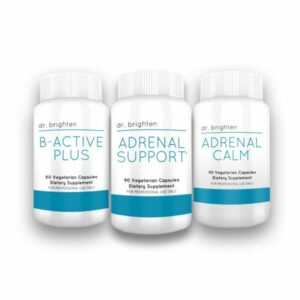
Adaptogenic herbs, like Rhodiola, can help bring cortisol into balance. For my patients, I recommend the Optimal Adrenal Kit from December through February to show their body some serious love & prevent burnout.

The kit contains Adrenal Support, which has adaptogenic herbs to help you have sustained energy throughout the day. The Adrenal Calm is there to help you chill at night & skip that wired & tired business. I also love it for changing time zones & getting in rhythm with the new place. Adrenal Calm helps naturally lower cortisol so it’s an evening formula.

And it has B-Active Plus, which if you saw my post on PMS the other day, all of us need some extra B vitamins through the holidays. Plus, it helps with liver detox (cough -cocktails).

Check out the Optimal Adrenal Kit here.

3. Make That Body Move.

It is soooo tempting to skip your workout. So. Tempting.

I feel you. In the past, whenever the holiday activities roll in I’d find myself scheduling exercise right out of my calendar. And inevitably I’d be tired, cranky and feeling off.

Now we make it a point to make movement part of our holiday celebration.

Whether you’re bringing your family into the mix or just getting some quality time with yourself, getting your exercise is important.

And it only takes about 10-15 minutes to get your metabolism up and get the stress out!

Try a tabata, strength routine or just get your heart rate up with some aerobic activities like running, swimming, biking, hiking or a HIIT routine.

4. Judge Less, Love More

Friend, this goes for yourself too!

Being critical about your friends, family, or yourself does nobody any good. Not even a bit.

It’s easy to judge. It’s easy to criticize. But taking the time to build up, to practice kindness, and to love takes effort… but an it’s an effort with endless rewards.

And self kindness lowers inflammation!

Yes, if you’re spending your days hating on yourself then your adrenals are taking a hit.

Controlling inflammation is one of the major roles your adrenal glands has in the body. When inflammation rises, your adrenal glands secrete cortisol to help reduce the damage that inflammation causes.

For some people, the holiday season can trigger some pretty intense negative self talk or taking an overly critical eye to your life. Self compassion lowers inflammation, brings cortisol into balance and helps you enjoy all the benefits of progesterone — chill mood, loving life, easy periods and blissful sleep.

In one study, it was found that those who practiced self love had lower levels of inflammation.

4. Yes to the Turkey. No to the Stuffing.

Protein is going to make your adrenals, your hormones, your mood and your body oh so happy!

On the other hand, if you want to hate on your adrenal glands, then by all means grab all the low fiber, high sugar foods you can.

Only kidding. I know you want to love your adrenals and hormones like nobody’s business.

Eating protein (and fat) with your meals will keep you full and make for some even blood sugar control, which your adrenals need.

When blood sugar spikes and dips it takes a real toll on your adrenals. They are responsible for helping the liver share some of its sugar stores with the rest of the body. When your blood sugar dips, your body produces cortisol in response.

Overtime, these spikes and dips can create a disruption in how your brain and adrenal glands talk. In addition, your cells can eventually become resistant to insulin, which can lead to diabetes.

Learn more about how diet affects your hormones.

5. One & Done!

Ever find yourself navigating the social event just fine only to have that one relative tell you how disappointed they will be if you don’t eat their dessert?

Firstly, if said dessert will make you ill or you have a known food sensitivity, then you’ll need to give them the “thank you, no thank you” conversation.

But if it is a situation where you don’t want to eat too much sugar or whatever it is, you can do the one and done!

Basically, one bite is all it takes (along with a big fat compliment) to make that relative and your brain happy. The second bite doesn’t make you feel as good.

So if you feel like you can practice the one and done, then take that bite, sing the praise and walk away knowing you made someone’s day.

6. Eat Your Greens.

Take half that plate and fill it with greens. No hesitation. No eyeing those creamy mashed potatoes. None of it!

The first thing you do when you get to the dinner table (aside from thanking the host) is fill half your plate with greens. Salad, Brussel sprouts, green beans, sautéed collards… you get the idea.

Those greens are going to fuel your body, keep your blood sugar regulated and fill you up with nutrient dense goodness, opposed to the empty calorie foods that fill most people’s tables.

Now I’m not saying don’t eat the mashed potatoes. But what I am saying is that focusing on getting your greens and moderating the intake of blood sugar and adrenal sabotaging foods.

These foods will have less of a disruptive effect when you start with a belly full of greens.

7. A Daily B Complex

Those adrenal glands love their B vitamins and as you can imagine, when stress goes up, so does their demand.

Eating whole foods is always the preferable way to get your vitamins, but during the holidays, you’ll likely need a bit more support.

Taking a daily B vitamin every morning can help boost your energy, balance your estrogen and progesterone and lower your body’s perception of stress.

8. Serve an Adrenal Supporting Tea

I have family who fancy themselves an espresso after dinner. I instead opt for a decaf tea that will give my adrenals some support.

I’ve also found that sipping an adrenal tea gives my patients a lot more energy throughout the day and prevents them from being susceptible to every cold that comes by.

Yes! Loving your adrenals will help you ward off colds and flus.

This Alterative Tea is one of my favorites for supporting hormone balance, increasing energy and it has the benefit of improving the health and appearance of your skin.

Need to take the edge off or get some better sleep?

Opt for a Nervine Tea before bed. These herbs nourish the “rest and digest” part of your nervous system.

It won’t knock you out, so feel free to drink throughout the day. The Passionflower in this tea is especially helpful in promoting GABA, the neurotransmitter that helps us feel calm.

One tablespoon of tea, one cup of hot water and 5 minutes later you have a nutritive cup of tea! Feel free to enjoy it as is or add a little honey.

Do you crave coffee, but it aint your friend? Like causing jittery, anxious, sweaty, and other less favorable symptoms then opt for some mushroom tea instead.Four Sigmatic is a delicious medicinal mushroom blends (no not that kind), the kind that helps your adrenals, naturally boosts energy and can supports optimal brain health.

Remember preventing holiday fatigue is far easier that treating it. But if you do feel your energy slipping and stress rising, try any of the above tips to bring your health and life back into balance.

Wishing you an abundance of health this holiday season!

Dr. Jolene Brighten

P.S. These teas also make awesome gifts, especially with a cool tea pot like this one. Can’t go wrong giving the gift of better health! 😉

Get your Hormone Starter Kit today and prevent holiday fatigue with blissful hormones!!!

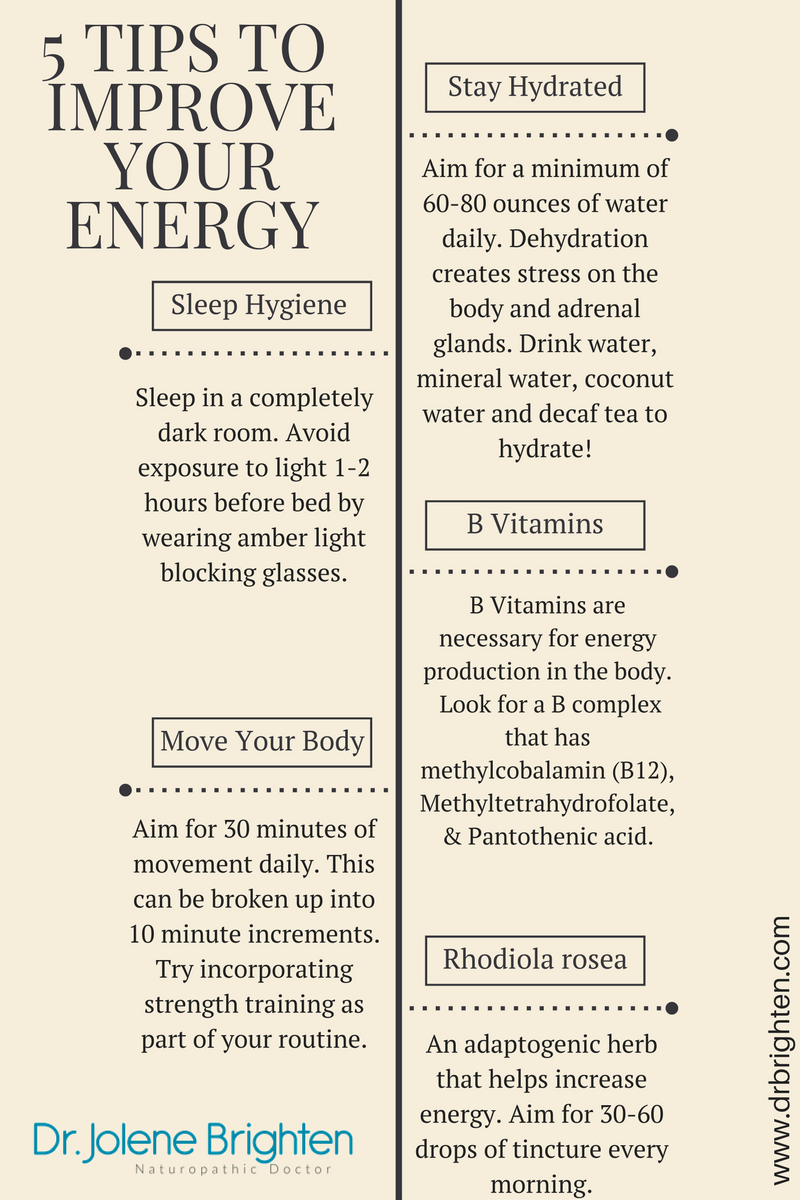
Viewing this on mobile? Grab a screen shot of 5 Tips to Improve Your Energy below and keep it with you while you travel.

adrenal-fatigue-functional-naturopath-medicine