##Maecenas sed diam eget risus varius blandit sit amet non magna. Vivamus sagittis lacus vel augue laoreet rutrum faucibus dolor auctor. Donec id elit non mi porta gravida at eget metus. Etiam porta sem malesuada magna mollis euismod. Vivamus sagittis lacus vel augue laoreet rutrum faucibus dolor auctor. Cras mattis consectetur purus sit amet fermentum. Duis mollis, est non commodo luctus, nisi erat porttitor ligula, eget lacinia odio sem nec elit. Curabitur blandit tempus porttitor. Donec ullamcorper nulla non metus auctor fringilla. Nullam quis risus eget urna mollis ornare vel eu leo. Maecenas faucibus mollis interdum. Cras justo odio, dapibus ac facilisis in, egestas eget quam. Maecenas sed diam eget risus varius blandit sit amet non magna. Curabitur blandit tempus porttitor. Donec ullamcorper nulla non metus auctor fringilla. Nullam quis risus eget urna mollis ornare vel eu leo. Maecenas faucibus mollis interdum. Cras justo odio, dapibus ac facilisis in, egestas eget quam. Maecenas sed diam eget risus varius blandit sit amet non magna.
Lichen sclerosus is a chronic skin disease that results in thin, white, wrinkled patches of skin, usually on the genitals. It can be excruciating and incredibly itchy to deal with. While doctors previously believed it was rather rare, in recent years, doctors have suggested it’s more common than initially thought. By some estimates, cases have doubled between 1991 and 2011.
In this article, we will explore the symptoms, causes, and treatments for this chronic condition.
What Is Lichen Sclerosus?
Lichen sclerosus is an inflammatory skin condition that is ten times more common in women than in men. Lichen sclerosus creates patches where the skin becomes thin, white, and shiny.
While it can crop up on any part of the body, it usually appears on the vulva. Post-menopausal women and prepubescent girls are the most likely to develop lichen sclerosus.
What Are The Symptoms Of Lichen Sclerosus?
Sometimes, lichen sclerosus can be extremely painful and itchy — to the point it may cause difficulty sleeping. Other times, symptoms are mild, and the only thing present is the patches of skin that have lost their pigment.
Other symptoms of lichen sclerosus include:
Smooth un-pigmented patches of skin
Slightly raised or wrinkled patches of skin
Itching that becomes worse at night
Painful sex
Painful bowel movements
Constipation
Redness
Dull or burning pain
Torn or bleeding skin
Sores or blisters
What Causes Lichen Sclerosus?
As with so many conditions that affect the female population, lichen sclerosus hasn’t been widely studied, and therefore we don’t have a definitive cause of it, per se.
Doctors generally agree that a few things could cause lichen sclerosus.
Trauma Can Trigger Lichen Sclerosus
The medical community has recognized trauma to the area of skin as a cause of the disease.
Sometimes, activities like horseback riding, bike riding, or even waxing can irritate the vulva’s delicate skin. Many women report lichen sclerosus after experiencing some sort of difficulty with an activity that created friction in the vulva area.
Sexual abuse, trauma, or under-lubricated sex can also trigger lichen sclerosus.
Is Lichen Sclerosus An Autoimmune Disease?
Some doctors also believe that lichen sclerosus could be related to autoimmunity.
However, the connection seems to exist only in women, not men. In a study of 532 patients with lichen sclerosus, researchers found that women were likely to have another autoimmune condition, especially an autoimmune thyroid condition. The same likelihood wasn’t there for the male participants in the study.
Some of the common autoimmune diseases that occur alongside lichen sclerosus include:
Because lichen sclerosus is more likely to occur in girls who haven’t reached puberty yet and post-menopausal women, researchers believe there may be some connection between lichen sclerosus and fluctuating hormone levels.
To that end, there is some evidence to suggest that topical testosterone cream may help relieve symptoms of lichen sclerosus. However, in a high-quality study, it was only shown to be an effective treatment for the disease in 20% of cases and caused androgenic complications in 40% of the study participants. This leads most doctors to conclude that hormone replacement therapy is not the preferred treatment for the condition.
Lichen Sclerosus And Gut Health
As with many autoimmune conditions, gut health may lie at the root of the problem. Many functional medicine and integrative doctors have found that addressing gut issues can help to heal autoimmune disease.
Because lichen sclerosus is at its core inflammatory, and gut dysbiosis contributes to inflammation, it may just be a root cause of the condition.
How Is Lichen Sclerosus Diagnosed?
Generally, doctors diagnose lichen sclerosus with a physical exam. Most of the time, your doctor will be able to visually spot the telltale signs of lichen sclerosus.
Sometimes, your doctor will take a biopsy to confirm a suspected case of lichen sclerosus. Or, your doctor may order additional testing to rule out other conditions.
Lichen sclerosus can be tricky because it can coexist with several other conditions that may look and feel the same. For example:
Lichen planus causes genital itching and can also occur alongside lichen sclerosus.
Vitiligo also causes the skin to lose its pigment, and can likewise exist at the same time as lichen sclerosus.
Low estrogen levels can cause vaginal tissues to thin and lead to discomfort, itching, and painful sex. Low estrogen levels often accompany lichen sclerosus.
Sexually transmitted infections can cause inflammation that underlies or coexists with lichen sclerosus. Many can also cause itching and painful intercourse.
What Is The Best Treatment For Lichen Sclerosus?
Lichen sclerosus can be challenging to treat, and many women struggle with it for some time before finding relief. Conventional treatment typically focuses on the management of the symptoms and prevention of scarring. While most doctors view lichen sclerosus as a life-long condition, it is possible to put the symptoms into remission. With the right steps, many women can eventually experience total relief. It may not be an easy or straightforward road to recovery, but it is possible.
If your doctor tells you that you have lichen sclerosus, it’s crucial to maintain regular check-ups with your physician. It is considered a chronic disease and does carry an increased risk for the development of skin cancer.
Steroids For Lichen Sclerosus
The most common treatment for lichen sclerosus is steroid cream. It may not be the ideal long term treatment, but many women find it a necessary part of their lichen sclerosus protocol since the itching that comes with it can be overwhelming.
The itching gets worse at night because your cortisol naturally takes a dip at night. As cortisol goes down, inflammation rises. Many women find relief from a steroid cream, which helps them get some much-needed sleep.
Calendula Salve For Lichen Sclerosus
I also recommend calendula salve as a natural alternative. It won’t stop the itch, but it will help with the dryness and irritation.
Calendula has anti-inflammatory, antifungal, and antibacterial properties that also may help reduce swelling and combat any infections in the affected area.
Curcumin For Lichen Sclerosus
Curcumin is the active part of turmeric. There have been studies showing the benefits of turmeric in inflammatory skin conditions.
While not a cure or specific treatment for lichen sclerosus, curcumin can offer anti-inflammatory support and antioxidant protection of the skin. Learn more about the benefits of turmeric.
Address Underlying Inflammation For Lichen Sclerosus
If your body is enduring a state of chronic inflammation due to a hidden infection, food allergies, endometriosis, other autoimmune conditions, or leaky gut, it’s important to address those as part of your lichen sclerosus treatment plan.
Unfortunately, there’s no one-size-fits-all, one and done way to do that.
Testing is vital here — removing triggers and analyzing gut flora can be the right place to start.
Tightening up your diet and minimizing processed foods while increasing your intake of organic vegetables, fruits, and proteins is essential in most cases.
Optimizing your supplement protocol with l-glutamine, aloe, and slippery elm (all ingredients found in Gut Rebuild), and professional-grade probiotics can be a good idea.
Other Important Recommendations For Lichen Sclerosus
Some of my most important recommendations for treating lichen sclerosus involve developing good habits.
Here’s my list of non-clinical things to consider if you’re battling lichen sclerosus:
Use lube for intercourse, especially if you’re post-menopausal
Just be careful what lube you choose, what’s in commercial lubricants can be irritants or endocrine disruptors. Try selecting one that will be gentle to your already sensitive lady parts.
Wear cotton underwear, or at least with cotton on the inside
Cotton helps your vulva to breathe and cuts down on sweat. Synthetic fabrics could lead to irritation and harbor bacteria, which could make matters worse.
Wear loose pants
Now is not the time to rock your tightest fitting jeans. Choose fabrics that allow airflow near your delicate areas.
Always wipe front to back
Wiping front to back helps prevent the spread of bacteria and is a habit that helps prevent urinary tract infections.
Urinate and or wash off with water after sex
Semen is actually not the ideal pH for your vagina. After sex, a quick rinse of the area will help get things back to a normal pH.
Wash your vulva with water only — no soap required
Your vagina is not meant to smell like vanilla sugar cookies. Please don’t buy into the myth that all women are supposed to emit a scent of champagne and berries from their lady parts. A simple rinse with water for the vulva is all you need, and there’s never a need to wash your vagina, ever.
Is Lichen Sclerosus Contagious?
Lichen sclerosus is not contagious. You cannot get it from or pass it to another person. It is not an infection, let alone a sexually transmitted infection.
Is Lichen Sclerosus Cancerous?
Women with lichen sclerosus are at a higher risk of developing squamous cell carcinoma skin cancer of the vulva.
While lichen sclerosus is not cancerous itself, it is important to address any suspected vulvar issues immediately and treat them. As with any disease, early detection and treatment are the best defenses we have against their further development.
Don’t Be Embarrassed To Talk About Your Vulva And Vagina
There are many reasons we don’t have a plethora of good information and reliable studies on lichen sclerosus, and one of them is that women often feel embarrassed because they’ve been shamed about these conversations. It is important to seek help when you’re experiencing abnormalities in your lady parts.
It’s time for this taboo to end.
We all deserve to understand how our bodies work, and we have the right (and maybe even the responsibility) to use their clinical names without an ounce of shame.
No matter what you’re experiencing, I can promise you that your doctor’s already seen it all. There’s absolutely no reason to resist seeking help if your vulva is in less than optimal condition. And in the case of lichen sclerosus, the earlier you are able to treat it, the more likely you can put it into remission and avoid the misery of the painful itching and tearing, and possibly scarring.
If you’re looking for more answers regarding female health and sexuality, I’d love for you to download my free hormone balancing starter kit. It’s a crash course in everything you need to know about your cycle, how to get your hormones aligned, and includes a ton of great hormone-friendly recipes. If you’re a little confused and looking for a place to start, this is it.
Interstitial cystitis (also known as Bladder Pain Syndrome) is a chronic condition involving bladder pain that you cannot attribute to another known cause. Interstitial cystitis symptoms include pain in the bladder or urethra, a frequent need to urinate, and sometimes pain throughout the pelvic floor.
Interstitial Cystitis or Bladder Pain Syndrome most commonly affects women but can also affect men. Its causes are not fully understood, and there may be multiple causes or conditions that lead to interstitial cystitis symptoms.
A Little IC Trivia:
While the term “cystitis” implies inflammation of the bladder, there isn’t evidence that inflammation is always a factor in this condition. This led to the term “Bladder Pain Syndrome.” Despite its misnomer, the name Interstitial Cystitis is still commonly used, partly because there has been so much work done to increase its recognition in the medical community, which historically tends to dismiss conditions involving pain in the female experience. Throughout this article, we will use the term “interstitial cystitis.”
Who Is at Risk for Interstitial Cystitis?
Interstitial cystitis is considered an uncommon condition, but may be more common than we think. Many cases likely go unrecognized because of its confusing symptom presentation making it difficult to diagnose. Interstitial cystitis most commonly affects women in their 30s and beyond. Many people diagnosed with interstitial cystitis also experience other chronic pain syndromes, such as irritable bowel syndrome, fibromyalgia, and vulvodynia.
What Does Interstitial Cystitis Feel Like?
The most common symptoms of interstitial cystitis include:
Chronic pain felt around the bladder or urethra, or both
Chronic pain in the pelvis (often felt in front of the anus)
Frequent need to urinate, even if only small amounts
Pain that intensifies as the bladder fills and relieves after peeing
Bladder pain can range from moderate pressure or tenderness to severe pain. You usually feel it in the urethra or lower pelvis, but some people also experience pain in the low back or abdomen, particularly with a full bladder. It is also common for people with interstitial cystitis to experience more severe tenderness or sensitivity in nearby areas, like the hips, abdomen, genitals, or pelvic floor.
Why Is Diagnosing Interstitial Cystitis So Tricky?
Interstitial cystitis shares symptoms with several other illnesses, and your doctor will likely perform several tests to rule out other conditions or infections before diagnosing. Urinary tract infections (UTIs) or other infections, overactive bladder syndrome, cancers or benign growths, pain syndromes, endometriosis, and some neurological conditions can also result in bladder pain and similar symptoms.
Living with Interstitial Cystitis
The chronic pain, discomfort, urinary frequency, and fatigue (some folks need to empty their bladders several times a night) can lead to a decreased quality of life, interrupting time spent at home, at work, or enjoying hobbies.
Pain can vary day-to-day, and some people may experience symptom-free spans, with periods of worse symptoms commonly called “flares.”
Interstitial Cystitis and Sex
It’s no surprise: interstitial cystitis can place extra stress on sexual or intimate relationships. Pain and a frequent need to pee can make sex or sexual touch feel impossible! It may take time, but as you discover the treatments and timing that work best for you, sexual intimacy can be possible. Open and supportive conversations with partners are always important, especially in relationships affected by interstitial cystitis. Communicate how you are feeling, what works, and what doesn’t feel right.
What Causes Interstitial Cystitis?
Researchers are still seeking the root cause behind interstitial cystitis. It’s possible that there may be several completely different conditions that all lead to the symptoms we call interstitial cystitis.
The root cause of interstitial cystitis is not fully understood, and many patients report no knowledge of a single trigger or event that lead to first signs and symptoms. In some cases, a bad UTI or physical trauma to the area (like surgery or a rough fall) could be a suspect.
Other possible causes include damage to the bladder’s protective inner lining, leaving nearby nerve and muscle tissue more vulnerable to irritants. Changes in the nervous system could also trigger increased pain perception by merely sending some nerves into overdrive. Genes may also play a role in one’s risk for interstitial cystitis.
What Triggers Interstitial Cystitis Flares?
An essential step in managing IC is recognizing the patterns that can help prevent flares. Depending on the individual, certain foods, activities, and even stress and hormones can worsen or set off symptoms.
Foods That May Make Interstitial Cystitis Worse
In general, acidic, spicy, caffeinated, or carbonated foods are common triggers for interstitial cystitis symptoms. Foods to watch out for include:
Citrus fruits
Alcohol
Vitamin C supplements
Pineapple
Tomatoes
Chocolate
Yogurt
Coffee and Tea
Soda
Alcohol
Vinegar
Spicy foods
Artificial sweeteners
Activities That May Increase Interstitial Cystitis Symptoms
Specific activities that put pressure or friction on the pelvis can trigger flares in some people. These include sexual activity, biking, tight clothing, driving, or long periods of sitting.
Hormonal Changes That May Affect Interstitial Cystitis
Your body is sensitive to hormonal changes in ways you often can’t perceive. For menstruating women, symptoms may worsen at certain times in their cycle. For some, this occurs around the time of their period. For others, it can happen when either estrogen or progesterone are at their highest (just before ovulation or during the luteal phase.
How Long Does Interstitial Cystitis Last? Can IC Go Away?
There’s no clear answer to this question. Clinically, I have helped women reverse their IC symptoms and put it into remission. For others, we have identified their triggers, which has resolved symptoms, but also have a symptom management plan in place for when flares arise again.
According to the American Urological Association, you have interstitial cystitis if this pain has continued for more than six weeks, and you cannot attribute it to another condition or infection.
Because the causes of interstitial cystitis can be varied, the duration and severity of the condition also vary. For some folks, interstitial cystitis can resolve on its own. For others, it can be a lifelong condition. Many people experience on and off symptoms, where they may go longer spans without experiencing a flare.
What Happens if Interstitial Cystitis Goes Untreated?
The longer a flare is left untreated, the longer it may take for remedies to kick in and relieve the pain.
This is the hard part: Interstitial cystitis, especially unmanaged, can mess with your quality of life. Chronic physical pain is no joke and carries a severe emotional and mental burden. Frequent discomfort and need to pee can cause difficulty sleeping, focusing on work, leaving home, enjoying socializing, or even just completing daily tasks.
Chronic pain also leads to depression and emotional stress. If you or someone you love is struggling to cope with chronic pain, seek help from a mental health professional. If you have any thoughts of self-harm, professionals are always available for immediate help through the National Suicide Prevention Lifeline number at 1-800-273-8255.
Treatments for Interstitial Cystitis
Because there are so many causes, the same treatments might not work for everyone. People with interstitial cystitis should expect to try a few different remedies or combinations of treatments before finding what works best for them. Because there is no single cause of the sensitivity behind interstitial cystitis, the treatment goal is often to identify triggers or causes, alleviate pain, and help people return to a better quality of life.
Next, we’ll talk through some well-known treatments and others that are emerging and promising for treating IC. This list can be a great way to start a conversation about treatment with your healthcare provider so that together you can find the best path for you.
Identifying Triggers for Bladder Pain Flares
The best way to manage pain is to prevent it. Your experience is your own best tool, and identifying the foods, actions, or other triggers that set off an interstitial cystitis flare can be extremely useful in understanding the condition. While interstitial cystitis can be frustrating, taking the time to track symptoms can give you priceless information.
Consider keeping a detailed diary of your symptoms. Take note of your diet, water intake, when you pee, activities like sex, long drives, or biking, and (if you are a person who menstruates) where you are in your menstrual cycle. This diary may help you to realize patterns between symptoms and help identify the diet and lifestyle choices you can control.
Elimination Diet for Interstitial Cystitis
Another approach is called an elimination diet. Try eliminating the foods listed in the trigger section above, as well as any other foods that you suspect may be irritating your body. Allow your body to reset for at least two to three weeks without these foods, then slowly introduce them back to your diet one-by-one. As you try foods again, take note of how your body responds to each change, and give at least three days between re-introductions of different foods.
Common Treatments for Interstitial Cystitis
Medications
A doctor can help recommend oral medications to treat pain from interstitial cystitis.
Over-the counter pain relievers. You can approach pain with anti-inflammatory pain relievers such as ibuprofen or naproxen sodium.
Antihistamines. Antihistamines may help to reduce the frequency and urgency of urination.
Elmiron®. Elmiron is an FDA-approved drug designed to protect and repair the bladder lining. While its effects take time to kick in, it effectively reduces pain and symptoms in people with interstitial cystitis.
Instillation. Your doctor may provide an “instillation” or medicine that goes directly into the bladder through a catheter. These medications can be used regularly to repair damage to the bladder wall or for urgent pain relief during bad flares.
Physical Therapy
Those who suffer from interstitial cystitis often have tightness or sensitivity in the surrounding muscles. A pelvic floor physical therapy specialist may help identify restrictive motions, trigger points, or tightness around the pelvis, groin, abdomen, low back, butt, and thighs, and is trained to help release tightness and tenderness in those muscles and soft tissues.
Studies show that pelvic physical therapy could help relieve pain and frequency in interstitial cystitis patients by relaxing the resting tension in muscles around the pelvic floor.
Biofeedback in Physical Therapy
Some therapists recommend using biofeedback tools to treat interstitial cystitis symptoms by helping patients connect to their pelvic floor muscles. Probes in the vagina, anus, or the skin around the pelvis can record tension in these muscles and display it on a computer screen. The ability to see this tension changing in real-time can be very valuable in helping people observe their tightness and learn how to consciously relax their pelvic floor muscles.
Bladder Training
Frequent trips to the bathroom can be a real frustration for those with interstitial cystitis. Bladder training aims to increase the intervals between urination and help people regain some control of their time.
Working under the guidance of a health provider can help you be successful with this method. It may be beneficial to combine this with additional therapies. For example, if you currently feel the need to pee every 30 minutes, try extending your intervals to 45 minutes, and continuing that goal until it feels comfortable. Week by week, continue increasing that interval by 15 minutes. The goal is to train your body to tolerate peeing on your schedule, not every time you feel the urge.
If you’re in a flare or experiencing pain, then it may not be a good time for this therapy.
Hydrodistention
Some people with interstitial cystitis find an improvement in pain following a procedure called hydrodistention, where a doctor uses liquid to stretch the bladder to capacity, usually with anesthetics. Clinical standards for this treatment are still developing, and it is essential not to risk damaging the bladder with excessive pressure or duration. Work with someone who specializes in this and be sure to ask about all the potential risks and side effects associated with it.
Electrical Nerve Stimulation
With nerve therapy, small electrical pulses delivered near the sacral nerve may help reduce symptoms by interrupting the pain signals delivered to the brain while also increasing blood flow to the area to help strengthen muscles. This can be performed with a “TENS” device (transcutaneous electrical nerve stimulation) as needed or by surgically implanting a more permanent sacral nerve stimulator.
Surgery
Other surgeries are available to help relieve symptoms, but this approach is only recommended in extreme cases for specific patients, once all other possible treatments have been exhausted. Surgical options include urinary diversion to bypass the bladder, or cystectomy, the removal of the bladder.
Natural Treatments for Interstitial Cystitis
Many of my patients have benefited from natural therapies alone or a combination of conventional and holistic therapies. The good news about natural therapies is that they can be combined with other therapies to help you get relief.
Hot and Cold Therapy
You can use simple heat or cold to potentially relieve pain from interstitial cystitis flares. Depending on the source of your pain, try applying either a hot or cold pack to the abdomen or the perineum (the area between the anus and vulva).
Some people benefit from alternating hot and cold therapy. Applying heat for no more than 20 minutes and then following up with cold as tolerated is one approach that may be helpful.
Acupuncture
The ancient practice of acupuncture could relieve pain and increase blood flow as treatments for many different conditions. Regular sessions with a Licensed Acupuncturist (LAc) may help relieve symptoms from interstitial cystitis.
Stress Reduction
Balancing stress with any chronic pain condition is a vital step towards taking control of your life and actively managing symptoms and treatments. Finding ways to maintain your mental health will help you have the energy to problem-solve triggers, manage diet, stay active, and cope with symptoms when they arise.
Herbal Remedies for Interstitial Cystitis
Marshmallow Root: Marshmallow root acts similarly to the drug Elmiron by gently coating and protecting the bladder wall. Try it as a tea or in a capsule. Talk to a doctor if you are using other medications, as it can reduce absorption.
Aloe Vera: Aloe vera capsules are another natural option to help soothe bladder pain and reduce urinary frequency. Do not take aloe vera during pregnancy.
Kava: Kava is a root used to make a bitter, relaxing tea. Frankly, it tastes like dirt, but it’s happy dirt. Kavalactones in Kava help reduce anxiety, relax muscles, and decrease pain. Sipping on Kava tea could also make your tongue and mouth a little numb, so don’t be alarmed if that’s what you experience!
A practitioner with a background in herbal medicines and natural remedies can also help recommend combinations of herbs to treat interstitial cystitis symptoms. An experienced, qualified practitioner will assess your individual constitution and recommend herb blends tailored to you.
L-Arginine
Studies show mixed results, but in some trials, L-Arginine supplements decreased pain from interstitial cystitis. L-Arginine could help the body increase Nitric Oxide production, which helps relax smooth muscles, release hormones, and regulate bacteria.
Calcium
For many people, acidic foods, spicy foods, or other foods listed above can lead to flares of interstitial cystitis symptoms. A 2001 study showed that supplementing with Calcium Glycerophosphate before eating problematic foods could significantly reduce their negative impact on symptoms. This could act as a remedy to have on hand for situations where you accidentally eat something on your irritant list.
Does Drinking Water Help Interstitial Cystitis?
There’s no doubt that a constant need to pee is inconvenient, not to mention painful when it comes to interstitial cystitis. While it could seem tempting to reduce your water intake, maintaining healthy hydration is essential for interstitial cystitis – and all aspects of health. Sipping a steady intake of water throughout the day, rather than large quantities at once, could help calm aggravating symptoms. Upping water intake can also help dilute the urine, reducing symptoms caused by something you ate.
Living with Interstitial Cystitis, or Bladder Pain Syndrome
If you live with interstitial cystitis, it is important to learn to listen to your body and understand your unique triggers, symptoms, and treatments. You are your best advocate and the most qualified to observe and communicate your own feelings. Finding the perfect treatments that work for your unique body may take time, but I hope this article can be a helpful guide in your journey.
References
Clemens, J Quentin. “Interstitial Cystitis/Bladder Pain Syndrome: Clinical Features and Diagnosis.” UpToDate.
Weiss, Jerome M. “Pelvic Floor Myofascial Trigger Points: Manual Therapy For Interstitial Cystitis And The Urgency-Frequency Syndrome.” Journal of Urology, vol. 166, no. 6, 2001, pp. 2226–2231., doi:10.1016/s0022-5347(05)65539-5. https://pubmed.ncbi.nlm.nih.gov/11696740/
Kirk PS, Santiago-Lastra Y, Qin Y, Stoffel JT, Clemens JQ, Cameron AP. The effects of cystoscopy and hydrodistention on symptoms and bladder capacity in interstitial cystitis/bladder pain syndrome. Neurourol Urodyn. 2018;37(6):2002-2007. doi:10.1002/nau.23555 https://pubmed.ncbi.nlm.nih.gov/29566264/
Bologna RA, Gomelsky A, Lukban JC, Tu LM, Holzberg AS, Whitmore KE. The efficacy of calcium glycerophosphate in the prevention of food-related flares in interstitial cystitis. Urology. 2001;57(6 Suppl 1):119-120. doi:10.1016/s0090-4295(01)01070-6 https://pubmed.ncbi.nlm.nih.gov/11378102/
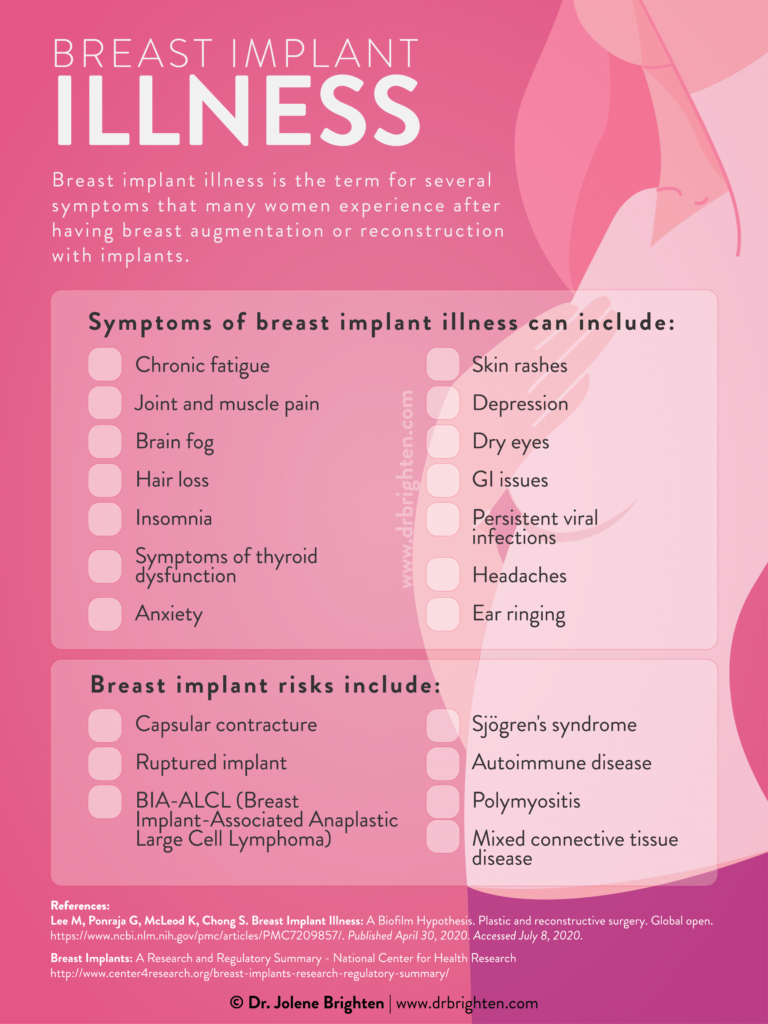
Breast implant illness is starting to gain attention in the medical community. Breast implant illness (BII) is the term used to describe symptoms associated with breast implants and can range from joint pain, skin rashes, hair loss, and headaches to chronic fatigue, anxiety, neurological issues, and brain fog. Many women who identify as having BII experience symptoms after having breast augmentation or reconstruction with implants. As you’ll read in this article, BII symptoms can vary and may not resolve after the removal of implants.
Let me start by saying that I am not for or against breast implants. Instead, I am for a complete and thorough informed consent and supporting a patient in their medical decisions.
This article is here to provide you with information and education to have an informed discussion with your doctor about whether breast implants are right for you, or whether removing implants you already have might be of benefit if you’ve developed symptoms. These decisions are between you and your doctor, and it’s a good idea to be aware of the issues some women face.
Alright, let’s have some real talk about breast implant illness. Is it real? Is it bad? Is it treatable? Let’s dive in.
What Are the Symptoms of Breast Implant Illness?
There is a long list of symptoms for breast implant illness. Most symptoms patients report can be related to other body systems, and you may not immediately think, could this be my breast implants?
Some of the symptoms of breast implant illness include:
Chronic fatigue
Joint and muscle pain
Brain fog
Hair loss
Insomnia
Symptoms of thyroid dysfunction
Anxiety
Skin rashes
Depression
Dry eyes
GI issues
Persistent viral infections
Headaches
Ear ringing
On top of that, researchers have linked silicone implants with higher rates of:
Sjögren’s syndrome (dry eyes and dry mouth)
Scleroderma
Rheumatoid arthritis
Stillbirth
Melanoma
Real Life Breast Implant Illness Syndrome
Breast implant illness research is still in its infancy and while I highly value the science around this topic, I also believe that the patient experience is equally valuable as we seek to understand this emerging issue. I recently interviewed Krista Tagaras, personal trainer and self-love advocate, about her experience with breast implant illness, and her symptoms. Krista shared that within a year of getting breast implants, she developed:
Amenorrhea (loss of period)
Shortness of breath
Nodules on her thyroid
Swollen lymph nodes in her neck
Debilitating fatigue
Neurological symptoms such as brain fog and memory problems
Symptoms of hormonal imbalance
Multiple food intolerances
Severe IBS-D (Irritable Bowel Syndrome with Diarrhea) symptoms
Relentless body pain after even small amounts of activity
Since breast implants illness can manifest in multiple body symptoms outside of the mammary tissue (breasts), doctors may not link symptoms like Krista’s to breast implants. Awareness is increasing, but the progression from noticing patterns to research to practice is a slow one.
Is Breast Implant Illness Real?
This is a big question. Like any surgery, breast implant surgeries carry risks. The most common risks patients are advised of breast implant surgery are implant leakage/rupture, incorrect implant position, changes in nipple sensation, infection, bleeding, and accumulation of fluid.
“When I had my implants put in, I was told about and given papers that discussed common possible issues such as capsular contracture, infection, pain, malposition of the implant, etc. I was never informed about breast implant illness or any significant side effects regarding autoimmune problems or other health issues associated with having breast implants. I was also given a pamphlet made by the breast implant manufacturer, which only highlighted the positives and safety of their breast implants.”
– Krista Tagaras
From Krista’s perspective, she was never informed about breast implant illness at all. This could be because, for many years, the adverse symptoms women complained of after getting implants were brushed off by their doctors, or attributed to other things. The compartmentalization of women’s bodies can often lead to missed diagnosis and leave women to struggle for years with symptoms.
Women’s Health Conditions Can Be Dismissed
Unfortunately, medical gender bias could also play a role in delayed diagnosis and dismissal of symptoms. Women are often treated differently than men when seeking medical care, and women’s symptoms are more likely to be ignored by medical professionals.
Luckily, awareness around breast implant illness is growing, and women’s concerns are more likely to be addressed. While many more physicians now understand that breast implant illness is real, the vast majority may not acknowledge the potential connection between implants and symptoms.
If you’re still on the fence about whether or not breast implant illness is real, check out this video from BII survivor Karissa Pukas. She details her journey with debilitating symptoms that eventually led her to remove her breast implants.
How Often Does Breast Implant Illness Occur?
There isn’t enough research at present for us to know precisely how often breast implant illness occurs. As more women come forward to address symptoms, more data will become available to the medical community about the prevalence of breast implant illness.
What Are Your Chances of Getting Breast Implant Illness?
There is evidence to suggest that breast implant illness may seem to have an autoimmune component. Therefore, it is likely more common in people with either a personal or family history of autoimmune diseases.
Again, there isn’t enough research available to know a woman’s exact chances of getting breast implant illness. Because of this, it’s vital that women are informed of all the risks before moving forward with breast implants, especially women with a personal or family history of autoimmunity.
I recommend that my patients document all their symptoms or lack thereof for at least a month, if not 3, prior to undergoing surgery. I also order baseline lab testing so that we have a complete picture prior to breast implant surgery. This allows us to more objectively track if any adverse changes occur following surgery, especially if symptoms arise.
What Causes Breast Implant Illness?
At the moment, because most doctors do not recognize breast implant illness as a real condition and research is lacking, it is tough to say why it manifests. It is one of the many conditions impacting women that medicine has yet to invest in, let alone unanimously believe the women who are experiencing it.
Some experts have hypothesized about what could potentially cause breast implant illness.
Some of the Possible Causes of Breast Implant Illness Include:
According to the FDA, some possible causes of breast implant illness include:
The body might be reacting to foreign objects (the implants) with an inflammatory response
The body might be reacting to the materials making up the implant (e.g., silicone)
The body may have an adverse reaction to how the breast implant was inserted
How is Breast Implant Illness Diagnosed?
There is no specific test for breast implant illness. However, a doctor may perform other tests and examinations to determine whether the patient has an autoimmune disease(s). While you may have experienced the onset of symptoms following implant surgery, it is important to have lab testing to rule out other medical conditions.
Can You Get Breast Implant Illness with Saline Implants?
Many women are told that saline implants are safe because they’re just filled with salt and water. They are usually not informed that saline implants can be just as dangerous as silicone implants.
Saline implants are usually not hermetically sealed (meaning they are not airtight), nor are their filling valves 100% secure. Because of this, bodily fluids, yeast, molds, and bacteria can all enter the implant, which leads to decay.
It goes both ways. If things can enter, decaying substances can exit the implant into your body.
Over time, the implant contents may start leaking into the chest, and the toxic substances may spread throughout the body. This can cause a person to develop symptoms associated with breast implant illness. Many people don’t realize that breast implants (both silicone and saline) have a lifespan of about ten years, after which they should be removed and replaced. And the longer they remain in the body, the greater the risk of complications developing.
Can Breast Implants Cause Autoimmunity?
Many of the symptoms of breast implant illness (such as joint and muscle pain, fatigue, etc.) are also hallmarks of autoimmunity.
Recently, a large multicentered, cohort study was conducted, involving 99,993 women with breast implants. This has been the most extensive study of breast implant outcomes to date. In this study, 56% of participants had silicone implants. What they found was that silicone implants were associated with higher rates of Sjögren’s syndrome, stillbirth, melanoma, scleroderma, rheumatoid arthritis, and capsular contracture. Saline implants were more likely to rupture in the short term.
When Silicone Implants Leak
In a study of women with silicone breast implants, it was found that when the implants leaked, women were more likely to develop fibromyalgia, Hashimoto’s Disease, polymyositis, mixed connective tissue disease, and pulmonary fibrosis.
While the studies are pointing to an association between implants and the development of autoimmune disease, we do not have strong enough evidence at this time to definitely say that breast implants cause autoimmunity.
What Is BIA-ALCL?
BIA-ALCL (Breast Implant-Associated Anaplastic Large Cell Lymphoma) is a type of non-Hodgkin’s lymphoma (a cancer of the immune system). It is not breast cancer.
In 2011, it was discovered that there could be a link between breast implants (specifically textured implants, the type with a rough surface that minimizes migration and repositioning within the breast pocket) and the development of Anaplastic Large Cell Lymphoma. Typically, BIA-ALCL occurs only near the breast implant and surrounding scar tissue, but it has been known to spread throughout the body.
The chances of a person with breast implants developing BIA-ALCL are between 1 in 3,000 and 1 in 30,000. The disease most commonly occurs approximately a decade after the implant.
What Causes BIA-ALCL?
BIA-ALCL occurs only in women with breast implants. It also seems to be more likely to occur in women who have textured implants (as opposed to smooth implants).
The causes of BIA-ALCL are still unknown, and more research is needed to determine what causes it. Some experts suggest that since textured implants have a greater surface area, there is a higher likelihood that the surgery will introduce bacteria, resulting in inflammation and disease. Others think the scar tissue that forms around an implant might be to blame, while some believe there is also a genetic component.
Is There a Treatment for BIA-ALCL?
Doctors have successfully treated BIA-AL-CL by removing the implant and surrounding scar tissue, along with chemotherapy and radiation.
Does Breast Implant Illness Go Away?
Dr. Anthony Youn, a board-certified plastic surgeon of 15 years, has seen mixed results in his medical practice when women have decided to have their breast implants removed due to symptoms associated with breast implant illness.
“Of those patients who’ve had them removed due to concerns that they were causing symptoms or autoimmune disease, unfortunately most of those with autoimmune disease don’t appear to have improved. I would love to say that they get better, but it hasn’t been my experience. They may say they feel somewhat improved, but I have rarely seen a complete resolution of their autoimmune disease. However, most of them with symptoms, but not true diagnoses of autoimmune disease, appear to resolve significantly. I have recently had two patients with these types of symptoms resolve completely after their implants were removed.”
Dr. Anthony Youn
I asked Krista whether her symptoms have resolved since explant surgery, and she told me that she has experienced almost complete symptom resolution following removal. Her IBS-D completely resolved, she got her period back (it disappeared for three years), her gut health and metabolism are back to normal, no more brain fog, and her lymph node swelling went down.
Will Having Implants Removed Make Symptoms Go Away?
While Dr. Youn has seen mixed results regarding the resolution of symptoms with the removal of implants, he does feel that any patient requesting their implants be removed should have their wishes honored.
“Whenever a patient asks me to remove her implants, whether she has symptoms of BII or not, the answer is always yes. I fully believe that the decision to have implants should be made by the woman with the implants, and no one else.”
Dr. Anthony Youn
How Is Breast Implant Illness Treated?
Explant surgery is currently the primary treatment for breast implant illness. For Krista, deciding to remove her implants was a difficult decision, because she had always dreamed of having large breasts. However, after learning that other women felt so much better after removing their implants, she hoped that it would make her feel better.
I also recommend women work with a naturopathic physician or licensed functional medicine provider to address their individualized health needs. We understand there is a strong connection between hormones and autoimmune disease, which is why it is important to address both as part of a holistic treatment plan. While we know that explant surgery may not be enough to resolve symptoms, there are additional steps you can take to reclaim your health.
What Is Explant Surgery?
Explant surgery involves the removal of breast implants. During explant surgery, the surgeon might also remove silicone from implant leaks, and the breast capsule – the scar tissue that forms after implants are inserted into the body.
Implant leaks do not always occur, nor does scar tissue always need to be removed. However, both can occur, and are also possible reasons for women to have their implants removed.
Krista shares her journey with Breast Implant Illness and life after explant surgery.
Explant Surgery Cost
According to the American Society of Plastic Surgeons, the average cost of explant surgery in 2019 was $2,641. Keep in mind that this fee does not cover anesthesia, medication prescriptions, hospital fees, tests, or X-rays. These can add up quickly, and turn into quite a substantial sum.
If you are considering explant surgery to remove your breast implants, it is essential to discuss all fees with your surgeon.
Another vital factor to consider is insurance. Unfortunately, many insurance companies will not cover implant removal surgery, unless it is medically necessary (e.g., ruptured implants or severe capsular contracture). Be sure to check with your provider to avoid any surprise expenses.
A word of caution in the world of plastic surgery, if the price of surgery seems to be too good to be true, it probably is. If you’re exploring explant surgery, it is advised that you work with a board certified plastic surgeon. Don’t be afraid to ask in depth questions about their experience, training, and how the surgery will be performed.
What to Do If You Can’t Get Your Breast Implants Out Right Now
If your insurance provider will not cover your breast explant surgery cost, and it is not something you can afford out-of-pocket at the moment, you might start to feel stuck in a hopeless situation.
While there is no way to eliminate the symptoms of breast implant illness without implant removal, reducing your overall inflammation might help with symptom management.
One effective way to reduce inflammation is through nutrition, lifestyle, and supplementation under your healthcare provider’s supervision. This is to help mitigate symptoms and is not a treatment or cure for BII.
Nutrition to Help Breast Implant Illness Syndrome
Adopting a whole-foods eating plan to nourish your body and optimize hormones may help support you through this time and can be beneficial when undergoing surgery.
To the best of your ability, fill your plate with fresh, colorful vegetables, grass-fed or pasture-raised meat, wild-caught fatty fish, and healthy carbs. Aim to include anti-inflammatory omega-3 rich foods like walnuts, chia seeds, flax seeds, and cold water fish. Cooking with herbs or drinking teas that include ginger or turmeric can also provide anti-inflammatory benefits. Healthy fats, nutrient dense foods, and fiber rich plants can support your hormones and overall health. If you’re looking on how to get started, grab our free recipe guide and meal plan to learn how to build a hormone-loving diet.
Supplements Support for Breast Implant Illness Syndrome
It is always best to check with your provider about supplements specific to your needs. This is a good list to speak with them about.
Some of the best anti-inflammatory supplements supported by science are:
Turmeric (Curcumin). Curcumin (a compound found in turmeric) may help calm inflammation without the side effects of conventional anti-inflammatory drugs. Keep in mind that dietary turmeric should be combined with a little bit of fat (e.g., coconut oil) and black pepper to increase its absorption. View Dr. Brighten Turmeric Boost HERE.
Omega-3 fatty acids. The proper omega-3 to omega-6 ratio may help quiet inflammation, and omega-3 fatty acids are necessary for many body processes anyway. We have to get our omega-3s through diet or supplementation. Unfortunately, the standard western diet is lacking in omega-3s and is much higher in omega-6 fatty acids. Try Dr. Brighten Omega Plus HERE.
Adaptogenic Herbs.The adrenal glands produce cortisol in response to inflammation. This is a crucial hormone in controlling inflammation and is important in overall hormone balance. Adaptogenic herbs can help support optimal adrenal function. Learn more about our Adrenal Support HERE.
Vitamin D. This vitamin has been shown to be essential in proper immune system function. Because of this, it may also influence inflammation. Check out our Vitamin D HERE.
Will diet and supplementation get rid of breast implant illness? No. But these tools can help you manage your symptoms if you are unable to have explant surgery right now.
How Can You Prevent Breast Implant Illness?
This is one of those times when the saying “prevention is better than cure” is pretty apt. The best way to avoid breast implant illness is not to get breast implants.
If you already have implants, there is no surefire way to avoid breast implant illness. Now, this does not mean that you will definitely feel sick someday as a result of your implants. Many women have no issues with their breast implants.
And it is your body. You know I am not about telling women what they should or should not do with their bodies, so if you want to get implants, then I encourage you to make an educated decision so you can feel confident in what is best for you..
If you are considering breast implants, ask questions. Do your research. Make sure you know all the possible side effects and future implications breast implants could have. Give your plastic surgeon a thorough health history. Try to find a surgeon who has dealt with or believes in breast implant illness, so that if you discover, down the road, that you are suffering from symptoms that may be linked to your implants, you already have a doctor in mind who can assist you.
References
Lee M, Ponraja G, McLeod K, Chong S. Breast Implant Illness: A Biofilm Hypothesis. Plast Reconstr Surg Glob Open. 2020;8(4):e2755. Published 2020 Apr 30. doi:10.1097/GOX.0000000000002755 https://www.ncbi.nlm.nih.gov/pmc/articles/PMC7209857/
Coroneos CJ, Selber JC, Offodile AC, Butler CE, Clemens MW. US FDA Breast Implant Postapproval Studies. Annals of Surgery. 2019;269(1):30-36. doi:10.1097/sla.0000000000002990
Kainer MA, Keshavarz H, Jensen BJ, et al. Saline-filled breast implant contamination with Curvularia species among women who underwent cosmetic breast augmentation. J Infect Dis. 2005;192(1):170-177. doi:10.1086/430613 https://pubmed.ncbi.nlm.nih.gov/15942908/
Wee CE, Younis J, Isbester K, et al. Understanding Breast Implant Illness, Before and After Explantation: A Patient-Reported Outcomes Study. Ann Plast Surg. 2020;85(S1 Suppl 1):S82-S86. doi:10.1097/S
Breast Implant Removal. American Society of Plastic Surgeons. https://www.plasticsurgery.org/cosmetic-procedures/breast-implant-removal. AP.0000000000002446 https://www.ncbi.nlm.nih.gov/pmc/articles/PMC7294749/ Accessed July 8, 2020.
Interstitial cystitis (also known as Bladder Pain Syndrome) is a chronic condition involving bladder pain that you cannot attribute to another known cause. Interstitial cystitis
Breast implant illness is starting to gain attention in the medical community. Breast implant illness (BII) is the term used to describe symptoms associated with