
Perimenopause/ Menopause

##Maecenas sed diam eget risus varius blandit sit amet non magna. Vivamus sagittis lacus vel augue laoreet rutrum faucibus dolor auctor. Donec id elit non mi porta gravida at eget metus. Etiam porta sem malesuada magna mollis euismod. Vivamus sagittis lacus vel augue laoreet rutrum faucibus dolor auctor. Cras mattis consectetur purus sit amet fermentum. Duis mollis, est non commodo luctus, nisi erat porttitor ligula, eget lacinia odio sem nec elit. Curabitur blandit tempus porttitor. Donec ullamcorper nulla non metus auctor fringilla. Nullam quis risus eget urna mollis ornare vel eu leo. Maecenas faucibus mollis interdum. Cras justo odio, dapibus ac facilisis in, egestas eget quam. Maecenas sed diam eget risus varius blandit sit amet non magna. Curabitur blandit tempus porttitor. Donec ullamcorper nulla non metus auctor fringilla. Nullam quis risus eget urna mollis ornare vel eu leo. Maecenas faucibus mollis interdum. Cras justo odio, dapibus ac facilisis in, egestas eget quam. Maecenas sed diam eget risus varius blandit sit amet non magna.

Most Popular

You’ve probably heard of menopause, which officially occurs the year after you completely stop having...

Hormones. It’s easy to blame them for everything, from mood swings to food cravings to those extra pounds that don’t quite make sense. While weight fluctuation can be totally normal and healthy, truly unexplained weight gain can point to a hormone imbalance and might be your body’s way of asking for extra help.

If weight loss is a goal, it’s essential to understand your hormones, not blame them!

Progesterone is one of two major menstrual cycle sex hormones that play an interesting role in regulating body weight (among its lengthy list of distinguished accomplishments). Supporting our body’s progesterone production and understanding how it changes throughout life can help us maintain a healthy weight.

What Is Progesterone?

Progesterone is a sex hormone produced in the ovaries following ovulation. It peaks during the luteal phase of the menstrual cycle and works to prepare the body for the possibility of a pregnancy. 

It also sticks around through gestation to maintain a healthy pregnancy.

What else does it do? Progesterone also plays a role in protecting our brains, bones, metabolism, mood, libido, and thyroid hormone levels.

Progesterone and estrogen (another important sex hormone) both decrease as a woman enters menopause.

Progesterone and Weight

One of the critical ways that progesterone can affect weight is through its interaction with estrogen. When hormone levels are ideal, progesterone and estrogen form a natural balance in our body, regulating the other’s effects. In some tissues, progesterone limits the function of estrogen receptors, helping control the impact of estrogen on those cells. 

While estrogen promotes storing energy as fat (particularly in the breasts and hips), progesterone allows our bodies to metabolize that fat, burning it for energy. Estrogen (and aldosterone, an adrenal hormone) help us retain salt and water, while progesterone is a natural diuretic, allowing water loss and decreasing swelling.

In each of these balances, progesterone doesn’t cause weight loss. Instead, it helps reduce the effects other hormones have on weight gain. When progesterone and estrogen work together, all these factors balance out to promote healthy, fertile weight regulation.

When progesterone levels drop too low, these checks and balances go haywire, and weight gain can sneak in. Our estrogen does SO MANY awesome things for our bodies, but without ample progesterone to rein it in, we can experience something called estrogen dominance. The PMS hits hard, we’re bloated, crampy, grumpy, and our thighs are holding tight to weight that wasn’t there before.

If you suspect your hormones could use a tune-up, sign up for my Hormone Starter Kit with 7-day Meal Plan to give your hormones what they need to find balance.

Reasons Progesterone Can Cause Weight Gain

Supporting healthy progesterone levels – not too high, not too low– is key to supporting healthy metabolism

Progesterone and Insulin Resistance

Both too much and too little progesterone can impair your body’s blood sugar regulation.

During a healthy pregnancy, progesterone and other hormone changes decrease the mother’s sensitivity to insulin. This insulin resistance helps elevate blood sugar levels and ensures that your body delivers enough nutrients to the growing fetus. 

Without a fetus to feed, high progesterone (and low relative estrogen) can also cause “hyperinsulinemia,” meaning it increases the amount of insulin present in the blood. Too much insulin could cause your body to convert even more blood sugar for storage as fat. This is why you may have more food cravings, feel more hungry, and have a more difficult time losing weight during the luteal phase of your cycle when progesterone is highest.

However, low progesterone can also mess with your insulin response, another reason to work closely with a doctor to confirm any hormonal hunches. Low progesterone is linked to PCOS, which is associated with insulin resistance. Excess estrogen can lead to insulin resistance as well!

PCOS is complex, but it is important to clarify that weight loss won’t cure PCOS and your weight gain didn’t cause it. It’s important to monitor weight to understand the hormonal and metabolic influence, but too often doctors hyperfocus on weight and often shame women about it. PCOS causes weight gain. Addressing the factors of PCOS is what is important.

@drjolenebrighten

Have you heard that weight gain causes #pcos ? #pcosweightloss #drjolenebrighten #weightlossjourney

♬ Elastic – Joey Purp

Thyroid Hormone and Body Composition

Thyroid hormone is a critical factor in metabolism, especially when it comes to burning fat. When progesterone levels are too low compared to estrogen, the body produces too much of a protein called Thyroid Binding Globulin (TBG). This protein prevents the normal functioning of thyroid hormones.

This can be a confusing source of weight gain, as the thyroid gland may still produce the proper amount of thyroid hormone, so thyroid tests may appear normal. However, since low progesterone can prevent our body from using those thyroid hormones, we can still experience symptoms of hypothyroidism, such as weight gain. 

Hormone Imbalance and Increased Appetite

For many of us, it’s absolutely no surprise that hormones affect our appetite. (Just ask that empty carton of ice cream.) 

Progesterone and estrogen also have opposite effects on hunger; however, excess progesterone can drive weight gain. Higher estrogen levels reduce appetite while also reducing the amount of ghrelin (the hunger hormone) that our brains receive. Progesterone, on the other hand, stimulates our appetite. 

If you feel like quitting hormonal birth control or hitting menopause had a noticeable effect on your cravings, this could be a clue to look closer at your hormones.

What Causes Low Progesterone?

Because the ovaries create progesterone after releasing an egg, a woman who is not ovulating will likely experience progesterone deficiency symptoms. Missing cycles can result from hormonal birth control, hypothalamic amenorrhea, PCOS, over-exertion, or post-birth control syndrome.

Progesterone levels can also decrease in response to menopause, stress, hypothyroidism, PCOS, overproduction of prolactin. Even with adequate progesterone, elevated estrogen levels can still throw off that balanced ratio, leading to symptoms of too much estrogen, not enough progesterone.

Low progesterone symptoms can also include: 

  • Insomnia or sleep disturbance
  • Low libido
  • Mood changes, anxiety and irritability
  • Breast tenderness
  • Headaches and migraines
  • Weight gain
  • Irregular menstrual cycle
  • Short cycles
  • Mid-cycle spotting

How Progesterone Can Cause Weight Gain During Menopause

For many women, weight gain is a common symptom of perimenopause and menopause. Dramatic changes in hormone levels mean our bodies might react differently to the same diets and routines we’ve kept for years.

In some cases, weight gain during menopause can be linked to estrogen dominance. Wait – aren’t we producing less estrogen? It might seem backward to think of estrogen dominance after menopause, but progesterone production that drops off faster than estrogen levels can again throw off that ratio.

Many factors impact our hormones and our weight during perimenopause and menopause, so it’s essential to work with a provider to identify the best course for your goals. If your progesterone levels are out of whack, your doctor may recommend a bioidentical hormone replacement therapy (BHRT) such as progesterone cream. If used correctly, supplementing your body with bio-identical progesterone can help combat the effects of estrogen dominance, including weight gain.

Is Weight Gain A Side Effect Of Progesterone?

Weight gain can also be a concern for women considering BHRT progesterone therapy, and the confusion of progesterone with scarier synthetic options certainly doesn’t help.

Many studies used to determine progesterone’s side effects studied progestin, a synthetic progesterone replacement. Progestin is not the same as progesterone, and your body definitely knows the difference. Progestins, like those found in combination birth control pills or synthetic hormone therapy, can cause water retention and bloat, unlike natural progesterone. On top of this, taking progestins can actually shut down our bodies’ natural production of progesterone, which can push us further towards estrogen dominance and unwanted weight gain.

If you need to supplement your progesterone production, talk to your doctor about the options to find what will work best for you, and make sure they know the difference. I’ve found clinically that the majority of my patients do better with a bioidentical progesterone opposed to using hormonal birth control for perimenopause and menopausal symptoms.

Can Progesterone Cause Weight Loss?

Progesterone therapy can be useful for weight loss if progesterone levels are unbalanced. Identifying triggers for weight changes can be hugely tricky, and it’s essential to work with a qualified practitioner to understand our bodies’ needs fully. Hormone therapy should never be used as a quick fix for weight loss, and its misuse can cause serious problems.

Remember, we’re working to understand our hormones, not blame them. Our hormones are a beautiful, complex system that cares for us in ways we’re still learning to understand.

Weight Changes as a Signal (Not a Flaw)

Understanding progesterone and the progesterone-estrogen balance is key to understanding our bodies’ changes, especially as we age. While frustrating, unexplained weight gain can be a critical message from your body, cluing you in to changes that need support.

Following these clues and listening to your body are the best way to get the vibrant, healthy hormones you need. Read more here to learn about progesterone deficiency’s underlying causes and 9 ways to boost your progesterone production naturally.

Read next: 9 Ways to Increase Progesterone & Boost Fertility

Unexplained weight gain or loss is generally a symptom of something else going on in your body. It’s my intention that this article will help you understand how your hormones may be at play and help you have a more informed discussion with your provider.

Your weight is one data point that isn’t that useful on its own in determining health.

As a gentle reminder, weight loss isn’t a cure all for every concern you may have—even if your doctor says it is.

@drjolenebrighten

The cringe. #pcos #womenshealth #drjolenebrighten #periodproblems

♬ Somebody to love Basstrologe Bootleg – mthekyng

Perimenopause is a time of hormonal decline as the body prepares to stop ovulating and shift into menopause. While ideas of shifting hormones may feel you with a sense of dread, there are many nutrition, lifestyle, and perimenopause supplements that can help you maintain your energy, mood, and overall well being. 

Perimenopause can be a confusing time in a woman’s life. On the one hand, you’re still having periods, even if they’re not as regular as they used to be. On the other hand, a few aggravating symptoms begin to crop up, such as hot flashes, night sweats, vaginal dryness, acne and hair loss. 

It can be confusing because there are period and hormone issues that we’re told we just have to suffer through for most of our lives. You should NOT be bleeding through countless pairs of underwear, be in excruciating pain during your period, find yourself drenched in sweat, or feel like you’re losing your mind just because you’re a woman.

Perimenopause can feel like world-shaking hormonal change for some women, and it can sometimes be challenging to manage the ever changing hormones. 

In this article, we’re going to specifically discuss perimenopause supplements that can help you have a more comfortable (and less frustrating) transition. If you’re looking for information on perimenopausal conventional treatments or a comprehensive list of what perimenopause looks like, please read Perimenopause Symptoms and Treatment

What Is Perimenopause?

Perimenopause is the transitional period between a woman’s reproductive years and menopause. The most common indication that a woman is heading into perimenopause is irregular periods. Periods will continue to become more and more erratic, until they disappear altogether. At that point (after a year of not having a period), a woman is considered to have gone through menopause and the day following that one year anniversary of no period she is post-menopausal. 

Perimenopausal Hormone Changes

During perimenopause, a woman’s hormones begin to change, taking her on a rollercoaster. One such hormone is estrogen, a vital hormone for women. Estrogen performs so many functions: It helps us develop eggs, helps us ovulate, and helps build the lining of the uterus (the endometrium), which we shed during our period. It is also a player in our brain, bone, immune system, and heart health. Estrogen is a multitasking badass.

During perimenopause, estrogen typically begins to decline. But it doesn’t do so in a gradual fashion. Estrogen levels may become erratic and dip and rise suddenly, leading to annoying symptoms, like hot flashes.

In addition, with infrequent ovulation comes low progesterone levels. This can lead to feelings of anxiety, sleeplessness, water retention, and more. 

Perimenopausal symptoms can be so troublesome and disruptive to a woman’s life that she may seek help from her healthcare provider. 

15 Perimenopause Supplements

  1. Black Cohosh
  2. DIM
  3. Probiotics 
  4. B Vitamins 
  5. L-theanine
  6. Passionflower
  7. Melatonin
  8. Maca
  9. Saw Palmetto
  10. Zinc
  11. Omega-3 Fatty Acids
  12. Turmeric (Curcumin)
  13. N-Acetyl-Cysteine (NAC)
  14. Rhodiola
  15. Vitamin D

1. Black Cohosh (Actaea racemosa)

In a study of 80 postmenopausal women experiencing hot flashes, women who took black cohosh had fewer hot flashes than those who didn’t over eight weeks. 

Improvement may be because Black Cohosh contains fukinolic acid, a compound with similar properties to estrogen. During perimenopause, estrogen levels begin to decline, often leading to the onset of unpleasant symptoms. So, your body welcomes the boost.

Balance – Women’s Hormone Support is a supplement in my line that contains Black Cohosh, along with other nutrients that could help balance hormones.

2. DIM

Unbalanced estrogen, which is common during perimenopause, can cause a whole cascade of awfulness. Hot flashes, night sweats, headaches…I could go on, but you get it. Wonky estrogen doesn’t do you any favors. 

By encouraging the production of beneficial estrogen metabolites and reducing the harmful ones, DIM (Diindolylmethane) can help support balanced estrogen levels. 

DIM is a key perimenopause supplement because of it’s ability to support health estrogen metabolites and combat the symptoms related to the spikes in estrogen that can happen.

This is one reason we’ve formulated Balance – Women’s Hormone Support with DIM. 

3. Probiotics 

When you think perimenopause supplements, probiotics may not be the first thing to come to mind. But a healthy gut is essential for healthy hormones.

An essential function of the gut and the gut microbiome is that it helps us move excess estrogen out of the body (through our poop). Elimination is crucial because while estrogen is typically moving in a downward trajectory as we near menopause, estrogen dominance can sometimes occur in the early years of perimenopause. 

By giving our gut the love it needs and deserves, we can support our bodies’ natural estrogen detoxification mechanisms (that are eliminating the estrogen you no longer need).

Spore based probiotics, like MegaSporeBiotic, can help support a healthy microbiome and aid in the balance of your hormones. Spore-based probiotics deliver spores to the gut, where they get to work colonizing the gut and helping establish a healthy microbiome. The best part? No refrigeration necessary! 

4. B Vitamins

Did you know that your adrenal glands can produce estrogen? It’s true! Once the ovaries stop secreting adequate amounts of sex hormones, the adrenals help take over, producing DHEA, which is then converted into estrogen. How smart are our bodies?!

This is why B Vitamins are a must on the list of the best perimenopause supplements!

Supporting the adrenals is vital as they are going to be what your body relies on to continue estrogen and testosterone production. Stresses of modern life already place a demand on the adrenals without the imminent decline of the ovaries And it is this stress that can cause even more issues with the already declining progesterone. HPA dysregulation is a common issue that in itself can lead to fatigue, anxiety, and sleepless nights.  

B vitamins play an essential role in helping the adrenals respond to stress and produce hormones. If the body does not have enough B vitamins, the adrenals cannot perform at maximum capacity. B-Active Plus is a full-spectrum B vitamin complex that can help you get the range of B vitamins that may be missing in your diet. 

5. L-theanine 

Stress is one of those unavoidable parts of life that many of us wish we could actually avoid. Now, while some stress is normal, leading a stress-filled life without taking any measures to counteract and help reduce stress can wreak havoc on the adrenals, your hormones, and more.

For women going through perimenopause, more hormonal mayhem is the last thing they need. Along with practicing regular stress-management techniques (such as meditation and yoga), supplementing with nutrients to help promote a state of calm can help you feel less on edge and get better sleep. L-theanine has been shown to help those with stress-related woes.  

Sweet Dreams is a sleep supporting formula that contains ingredients that help to calm your mind and promote restorative sleep.” 

6. Passionflower

Passionflower is a nervine herb that supports the activity of GABA, a neurotransmitter that helps you find your chill. If you’re feeling tired but wired and struggle to fall asleep (a common complaint amongst perimenopausal women), passionflower could be helpful. It’s a known sedative and may also help with mild anxiety

Adrenal Calm is what I call a “literal chill pill.” With adaptogenic and nervine herbs, B vitamins, and a few targeted amino acids, it is a fantastic refresher for the adrenals. It can also help support a natural sleep pattern. 

7. Melatonin 

People who struggle with insomnia often turn to melatonin for relief. But that’s not all it’s useful for. Melatonin is also a powerful antioxidant, reducing inflammation and fighting free radicals at every turn. This makes it a powerful tool in support of good brain health. 

Of course, the fact that it could help some people fall and stay asleep doesn’t hurt, either. 

It is not uncommon for women with perimenopause to struggle with sleep due to the fluctuating estrogen and declining progesterone. Unfortunately, skipping out on a good night’s sleep can only add to the fatigue, mood swings, irritability, and stress on your system. This is why a large focus of supporting a perimenopausal woman’s health is making sure she’s not just falling asleep, but that this sleep is the most restorative.

Sweet Dreams contains botanicals that support nervous system function, thereby supporting  quality sleep. 

8. Maca

Maca is an adaptogenic herb that people reach for when they want to boost energy, increase libido, and manage symptoms like hot flashes. I recommend maca to my perimenopausal patients because (aside from helping to reduce those horrible hot flashes) it is a useful herb to support a healthy cortisol response. 

As the ovaries decline, so does testosterone and with it, you may be finding your libido follows. You can read more about how to bring back your mojo at any stage in life.

You’ll find that Maca is on most lists for perimenopause supplements, as well as for menopause support too.

9. Saw Palmetto

Testosterone is often thought of as a “male hormone,” but women have testosterone, too. And when we don’t have enough, we feel it. While it’s true that men do have much more testosterone than women, we need it just as much as they do!

The benefits of testosterone include:

  • Helps women build bones
  • Helps us develop and maintain muscle
  • Supports brain health
  • Boosts energy and libido
  • Helps with weight loss. 

Unfortunately, as we age, testosterone has more of a chance of being converted to DHT (dihydrotestosterone). DHT is an androgen hormone, high levels of which can cause hair loss or thinning hair on the head (which, let’s face it, women don’t want). 

Saw Palmetto could help in this department by inhibiting 5-alpha reductase, responsible for converting testosterone into DHT. 

Saw Palmetto Plus contains Saw Palmetto and pygeum africanum compounds, both of which have been shown to influence testosterone metabolism. It also contains zinc and essential fatty acids.

10. Zinc

Zinc has many wonderful uses for women. It is beneficial for women with PCOS, it helps with thyroid hormone production, and it supports a healthy immune system. 

As mentioned earlier, testosterone can decline as we age. While you may be fretting over what this means for your libido, a testosterone decline can also result in a decline in muscle mass. Decreased muscle mass, along with hormonal shifts, can be one reason why some women can struggle with weight as they enter the perimenopause and post-menopausal years.

Zinc can help with optimizing testosterone levels, including helping ensure they don’t tip into the hair loss causing levels as well. 

Women’s Twice Daily is a full-spectrum multivitamin containing zinc, selenium, B vitamins, calcium and more. 

11. Omega-3 Fatty Acids

Omega-3 fatty acids are essential for human beings—meaning we can’t make them so we have to eat them. And interestingly, we need our natural estrogen to convert plant based omega precursors into omega-3 fatty acids, making fatty fish and supplementation even more important as we age.

While Omega-3s have been touted as a remedy for hot flashes in women, more research is needed to determine whether this alone can have the benefits promised. 

Omega-3s can be a powerhouse for lowering triglycerides (which are an indicator of heart disease) in many people. As estrogen levels decline, so does the cardiovascular protection they offer. It is not uncommon to see increase or shifts in cholesterol into a much less favorable state as we age.

Omega Plus supports a healthy inflammatory response, which could help women better support their hormones. 

12. Turmeric (Curcumin)

Used as a medicinal herb in India for thousands of years, turmeric has made its way to the west. Turmeric is a potent anti-inflammatory and is rich in antioxidants. For perimenopausal women specifically, turmeric is excellent at supporting a healthy estrogen balance

Beyond that, the benefits of turmeric are numerous. It may be helpful with inflammation, osteoporosis, high blood pressure, gut health, iron chelation, fibroids, and more. 

Osteoporosis is one, in particular, I’d like to discuss further. Many women begin to experience the onset of osteoporosis, or bone loss, as they age. It’s a scary thing to think about, but there’s hope! As well as the well-known nutrients that may be helpful in the possible prevention of osteoporosis, like calcium and vitamin D, curcuminoids (present in turmeric) have been shown to prevent bone loss

Turmeric is one of those rare natural superstars that we could benefit from even if we don’t have any specific health conditions presenting themselves. Turmeric Boost contains a highly bioavailable (meaning it is easier for the body to utilize) curcumin formulation. 

13. N-Acetyl-Cysteine (NAC) 

NAC is an amino acid and precursor to glutathione, our most powerful antioxidant. Antioxidants are vital in the fight against oxidative stress. 

Unfortunately, as we age, antioxidant levels decline, leading to higher levels of oxidative stress. Additionally, decreasing estrogen levels also increases oxidative stress. 

Another not-so-fun fact about oxidative stress is that it is involved in the development of menopausal symptoms, such as hot flashes and night sweats. 

What I’m getting at is this: Oxidative stress is terrible. We want to keep it in check, especially as we age. We also want to ensure we’re doing our best to support antioxidants in their vital work in the body. 

That’s where a N-Acetyl-Cysteine (NAC) supplement comes in. By supporting your body’s natural detoxification processes, NAC is a great addition to any supplement toolbox. It’s a precursor to glutathione, which is considred the mother of all antioxidants. Glutathione combats the effects of free radicals and is protective in both the brain and ovaries. I use this one for my patients. 

14. Rhodiola

Rhodiola is an adaptogenic herb, which means it helps support adrenal function and enables you to handle stress a little better. 

As the ovaries begin to decline in function and eventually quit all together in postmenopause, it is the adrenal glands that will become a source of estrogen and testosterone production. To maintain hormone health after menopause, caring for the adrenal glands is a must. 

Rhodiola has been shown to support mental and physical endurance. This is good news in perimenopause when brain fog, fatigue, and decline in exercise tolerance can set in. Consider adding this to your daily perimenopause supplement routine.

Adrenal Support combines adaptogenic herbs, including Rhodiola, and nutrients that may support a normal adrenal function. Learn more about the Adrenal Support formula here. 

15. Vitamin D

Yes, vitamin D is vital for bone health and keeping them strong. But did you know that it has also been shown to help with hot flashes, vaginal dryness and is involved in breast cancer risk. You can read more about vitamin D benefits here.

As our estrogen levels decline our risk for bone disease increases. This is a big reason doctors recommend adding vitamin D to your list of perimenopause supplements in a dosage specific to your needs.

If you’re looking to supplement with vitamin D, you want to select a Vitamin D3 supplement that also has K2 to help it do its job best with less side effects.

Get Relief with These Perimenopause Supplements

Perimenopause does not have to be a horrible period of your life! Adding these supplements to your nutrition and lifestyle routine can make a significant difference to how you navigate this transition.

Being a woman does not have to be one painful, dreadful biological phase after another. Transitioning from our reproductive years to perimenopause to menopause can be a challenging time, but with support, you can ease those symptoms. By giving your body the support it needs, instead of fighting against the changes you’re experiencing, you can have less stressful perimenopausal years. 

References

Santoro N. Perimenopause: From Research to Practice. J Womens Health (Larchmt). 2016;25(4):332-339. doi:10.1089/jwh.2015.5556

https://www.ncbi.nlm.nih.gov/pmc/articles/PMC4834516/

Changes in Hormone Levels. (n.d.). Retrieved September 18, 2020, from https://www.menopause.org/for-women/sexual-health-menopause-online/changes-at-midlife/changes-in-hormone-levels

Mehrpooya M, Rabiee S, Larki-Harchegani A, et al. A comparative study on the effect of “black cohosh” and “evening primrose oil” on menopausal hot flashes. J Educ Health Promot. 2018;7:36. Published 2018 Mar 1. doi:10.4103/jehp.jehp_81_17

https://www.ncbi.nlm.nih.gov/pmc/articles/PMC5868221/

Kruse SO, Löhning A, Pauli GF, Winterhoff H, Nahrstedt A. Fukiic and piscidic acid esters from the rhizome of Cimicifuga racemosa and the in vitro estrogenic activity of fukinolic acid. Planta Med. 1999;65(8):763-764. doi:10.1055/s-2006-960862

https://pubmed.ncbi.nlm.nih.gov/10630125/

Vighi G, Marcucci F, Sensi L, Di Cara G, Frati F. Allergy and the gastrointestinal system. Clin Exp Immunol. 2008;153 Suppl 1(Suppl 1):3-6. doi:10.1111/j.1365-2249.2008.03713.x

https://www.ncbi.nlm.nih.gov/pmc/articles/PMC2515351/

Adrenal Glands. (n.d.). Retrieved September 18, 2020, from https://www.hopkinsmedicine.org/health/conditions-and-diseases/adrenal-glands

Hidese S, Ogawa S, Ota M, et al. Effects of L-Theanine Administration on Stress-Related Symptoms and Cognitive Functions in Healthy Adults: A Randomized Controlled Trial. Nutrients. 2019;11(10):2362. Published 2019 Oct 3. doi:10.3390/nu11102362

https://www.ncbi.nlm.nih.gov/pmc/articles/PMC6836118/

Reiter RJ, Mayo JC, Tan DX, Sainz RM, Alatorre-Jimenez M, Qin L. Melatonin as an antioxidant: under promises but over delivers. J Pineal Res. 2016;61(3):253-278. doi:10.1111/jpi.12360

https://pubmed.ncbi.nlm.nih.gov/27500468/

Davis SR, Wahlin-Jacobsen S. Testosterone in women–the clinical significance. Lancet Diabetes Endocrinol. 2015;3(12):980-992. doi:10.1016/S2213-8587(15)00284-3

https://pubmed.ncbi.nlm.nih.gov/26358173/

Pais P, Villar A, Rull S. Determination of the potency of a novel saw palmetto supercritical CO2 extract (SPSE) for 5α-reductase isoform II inhibition using a cell-free in vitro test system. Res Rep Urol. 2016;8:41-49. Published 2016 Apr 21. doi:10.2147/RRU.S96576

https://www.ncbi.nlm.nih.gov/pmc/articles/PMC4847595/

Institute of Medicine (US) and National Research Council (US) Committee on the Framework for Evaluating the Safety of Dietary Supplements. Dietary Supplements: A Framework for Evaluating Safety. Washington (DC): National Academies Press (US); 2005. Appendix K, Prototype Focused Monograph: Review of Antiandrogenic Risks of Saw Palmetto Ingestion by Women. 

https://www.ncbi.nlm.nih.gov/books/NBK216069/

Jamilian M, Foroozanfard F, Bahmani F, Talaee R, Monavari M, Asemi Z. Effects of Zinc Supplementation on Endocrine Outcomes in Women with Polycystic Ovary Syndrome: a Randomized, Double-Blind, Placebo-Controlled Trial. Biol Trace Elem Res. 2016;170(2):271-278. doi:10.1007/s12011-015-0480-7

https://pubmed.ncbi.nlm.nih.gov/26315303/

Mohammady M, Janani L, Jahanfar S, Mousavi MS. Effect of omega-3 supplements on vasomotor symptoms in menopausal women: A systematic review and meta-analysis. Eur J Obstet Gynecol Reprod Biol. 2018;228:295-302. doi:10.1016/j.ejogrb.2018.07.008

https://pubmed.ncbi.nlm.nih.gov/30056356/

Hewlings SJ, Kalman DS. Curcumin: A Review of Its Effects on Human Health. Foods. 2017;6(10):92. Published 2017 Oct 22. doi:10.3390/foods6100092

https://www.ncbi.nlm.nih.gov/pmc/articles/PMC5664031/

Doshi SB, Agarwal A. The role of oxidative stress in menopause. J Midlife Health. 2013;4(3):140-146. doi:10.4103/0976-7800.118990

https://www.ncbi.nlm.nih.gov/pmc/articles/PMC3952404/

Burdge G. α-Linolenic acid metabolism in men and women: nutritional and biological implications. Curr Opin Clin Nutr Metab Care. 2004;7(2):137-144.  

Giltay EJ, Gooren LJ, Toorians AW, Katan MB, Zock PL. Docosahexaenoic acid concentrations are higher in women than in men because of estrogenic effects. Am J Clin Nutr. 2004;80(5):1167-1174.

You’ve probably heard of menopause, which officially occurs the year after you completely stop having a period. There’s a transition period before menopause that a lot of women experience, called perimenopause. This is a time when perimenopause symptoms start to crop up even though you feel like you’re much too young for that nonsense.

While some women have a completely smooth transition into menopause, others don’t. Some people wrestle with any combination of mood symptoms, unpredictable periods, heavy bleeding during periods, cramping, or unexplainable weight gain. It’s a cluster of extremely frustrating symptoms that can leave you feeling tired, irritable and a bit like you’re losing your mind as the brain fog sets in…  

Perimenopause Symptoms

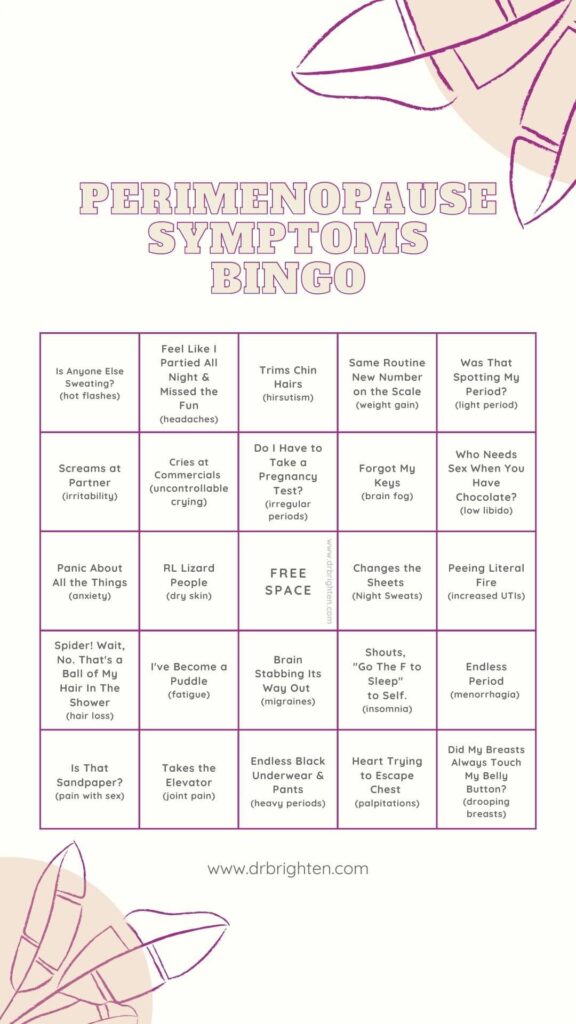
Perimenopause symptoms can present differently for each person. Here’s a short list of common symptoms. Within this article we will take a much deeper look at what happens during perimenopause and how to support your body through the transition.

  • Hot flashes
  • Infrequent or absent periods
  • Weight gain
  • Hair loss
  • Mood swings
  • Insomnia
  • Depression
  • Anxiety
  • Changes in skin and hair texture
  • Headaches

What Happens During Perimenopause?

As we age, our ovaries stop ovulating regularly, and hormone levels start to decline. Because the ovaries don’t just flip off like a switch, their slowdown can come with a gradual onset of symptoms. You can still get pregnant during perimenopause, as you’re still ovulating, albeit less often. 

What Is The Average Age For Perimenopause?

The average age for menopause is 51. Perimenopause typically begins between 4 and 10 years before menopause. Perimenopause is considered “normal” if it starts after age 42. Before then, your doctor will likely consider it premature and investigate other reasons for the onset of symptoms. 

Early menopause is estimated to occur in 1 out of 100 women.

If you are younger than 42 and your doctor indicates perimenopause in your chart, or tells you you’re going through perimenopause without investigating the cause, ask why. Some doctors aren’t concerned with aberrant menstrual patterns or symptoms if you’re not trying to get pregnant. It’s reasonable to request further exploration. 

Certain factors, such as smoking history and diet have been shown to affect the onset of perimenopause and menopause. 

What Does Perimenopause Feel Like?

For some women, the years before menopause are unremarkable in terms of symptoms and discomfort. For others, it can be a rollercoaster of emotions, pain, and despair. The physiological symptoms caused by the decline in hormone levels during this time can affect your moods, your mind, your energy levels, your sleep, and more. Women who experience symptoms may feel angry, tired, clumsy, forgetful, anxious, or sad. 

It’s common for women to struggle with the looming reality that their reproductive years are coming to a close, which adds fuel to an already raging fire. 

If you’re feeling mental emotional distress please do not hesitate to seek professional support.

Is There A Test For Perimenopause?

Most of the time, your doctor can diagnose perimenopause based on symptoms. Because hormone levels rise and fall during the menstrual cycle, levels can be difficult to assess in a single blood test, but a few tests done throughout different phases of the cycle may reveal clues to where your levels are. 

Tests that can provide clues include: 

  • Follicle-stimulating hormones (FSH). A test for levels of follicle-stimulating hormones (FSH) is often used to determine if menopause has occurred. When you’re no longer ovulating, there’s no monthly surge in FSH. 
  • DUTCH test. In my practice, I order dried urine testing (the DUTCH test) to help evaluate levels of hormones as well. 

You can read more about when to test hormones here

What Are The First Signs Of Perimenopause?

Often the first signs of perimenopause can be subtle. Some women report feeling more tired than usual — but who isn’t tired these days? Another common initial symptom is an angry outburst or overreaction with a partner or family member — which can often be dismissed as garden-variety PMS

Shorter cycles can also be an initial clue that something is amiss as well. Difficulty sleeping, hair loss, and dry skin might be signs that perimenopause is beginning too. 

Perimenopause Symptoms

The symptoms of perimenopause are numerous and diverse. While they’re not the same for all women, let’s dig into the most common ones.

Do You Get Hot Flashes During Perimenopause?

This hallmark, dreaded symptom of menopause is so common that it’s become a sitcom cliché, and can start in perimenopause. Hot flashes and night sweats can throw you for a real loop when they start occurring. Because the temperature control center for your body is located in the brain, and it’s influenced by hormones, when hormone levels start changing, hot flashes start. 

Does Perimenopause Make You Tired?

Feeling tired is a common symptom of perimenopause. Because your ovaries are producing fewer hormones, your body turns to the adrenal glands to amp up hormone production. This means that you can start to feel tired, especially if your adrenals aren’t in top form before perimenopause starts. 

Also, if you’re struggling with the night sweats and insomnia that often accompany perimenopause, you can expect to feel tired the next day. It’s difficult to get a good nights’ sleep when you’re waking up drenched in sweat.

Can Perimenopause Make You Feel Ill?

Some women report feeling sick (and not just sick of perimenopause). They feel almost like they have the flu, with headaches, nausea, and a feeling like they can’t get out of bed. Some women report joint pain as well, so when all of these symptoms are co-existing in your body at one time, you can definitely feel ill.

Why Does Perimenopause Cause Weight Gain?

Another common symptom of perimenopause is weight gain. As we age, metabolism slows and muscle mass decreases. We often tend to decrease activity levels as well. Plus, if you’re battling some of the more severe symptoms of these hormonal fluctuations and can’t find the motivation to get out of bed, exercise is likely the last thing on your mind. 

On top of that, many women in their 40’s and 50’s find themselves in stressful situations — kids leaving for college, marriages becoming complicated, aging parents. These stressors can cause cortisol levels to rise, which contributes to weight gain as well.

In a study that followed 485 women aged 42-50, it was found women gained about 5-10 pounds over the course of 3 years. This weight gain was also associated with increases in blood pressure, triglycerides, and fasting insulin levels. 

This weight gain could be a result of changing estrogen levels. In the early stages of perimenopause, estrogen levels soar, and by the latter stages, estrogen fades out. Lower levels of estrogen are associated with insulin resistance, which can cause weight gain. 

Changing levels of ghrelin, the hormone that makes you feel hungry, may be to blame for this weight gain as well. Studies show that levels of ghrelin rise in mid-life, which may lead to overeating. 

Does Perimenopause Make You Feel Crazy?

If you consider the fact that many perimenopausal women suffer from sleep deprivation, sudden changes in body temperature, mood swings, and weight gain, then yes, sometimes, women in perimenopause can feel like they’re going crazy. 

If your symptoms feel overwhelming or begin to disrupt your functioning in everyday life, open a conversation with your doctor. 

Can Perimenopause Cause Anxiety?

The fluctuating levels of hormones during perimenopause most certainly can cause anxiety and/or depression. Studies have shown that even women who are not prone to anxiety are likely to develop it in menopause and the years leading up to it. 

Other Common Perimenopause Symptoms

Here’s a list of the possible symptoms of perimenopause (brace yourself, it’s long):

  • Hot flashes
  • Night sweats
  • Painful sex
  • Fatigue
  • Insomnia
  • Vaginal dryness
  • Dry skin
  • Dry eyes
  • Hair loss or thinning hair
  • Hairs growing on your face
  • Irritability
  • Irregular periods
  • Heavy periods
  • Shorter cycles
  • Weight Gain
  • Decreased Libido
  • Saggier breasts
  • Tender breasts
  • Anxiety
  • Depression
  • Mood swings
  • Unexplained crying, or crying that’s disproportional to the situation
  • Headaches
  • Migraines
  • Brain fog
  • Difficulty concentrating
  • Clumsiness
  • Forgetfulness
  • Increased heart rate and palpitations
  • Decreased pelvic floor strength
  • Urinary tract infections 
  • Increased cholesterol levels
  • Joint pain
  • Acne

How Bad Can Perimenopause Make You Feel?

If you’re experiencing the worst of these symptoms, it can naturally make you feel pretty awful. But take heart. There are many supplements that, when combined with diet and lifestyle changes, can help manage the symptoms, and help make the transition to menopause a much less painful one.

Supplements That May Help With Perimenopause

  1. Black Cohosh may help reduce hot flashes. It’s one of the superstar ingredients in my Balance formula.
  2. A high-quality probiotic to helps support a healthy microbiome, which can help with supporting healthy estrogen levels or when struggling with estrogen dominance. 
  3. Vitamin B complex could help with energy and support the adrenals. 
  4. Vitamin C with adaptogens may help support healthy adrenal function.
  5. Passionflower may help soothe the nervous system and promote a sense of calm.
  6. Diindolylmethane (DIM) to help support a normal estrogen metabolism in the liver.
  7. Melatonin to support brain function and to support normal sleep patterns. 
  8. L-theanine to help keep the edge off of stress and feel calmer. 
  9. Maca to help calm hot flashes and support adrenals.
  10. Saw Palmetto to encourage a normal testosterone metabolism. 
  11. DHEA to address hair loss and thinning hair.
  12. Zinc to help support normal testosterone levels. 
  13. Omega 3 Fatty Acids and Turmeric to help support a normal inflammatory response. 
  14. N-Acetyl-Cysteine (NAC) to support a healthy mood and antioxidant levels.

How Do Periods Change During Perimenopause?

During the menopausal transition years, women often experience changes to their period, including:

  • Absent periods
  • Irregular periods
  • Heavier periods 
  • Spotting 
  • Shorter period (near the beginning of perimenopause), 
  • Longer period (towards the end of perimenopause) 

Do Periods Get Closer Together Before Menopause?

No two women experience perimenopause in the exact same way. While some have periods that are closer together, others have their periods get further apart. Some women even have both — one month their period comes closer to the last, the next month it’s further apart. 

It’s important to note that if you’re regularly having periods very frequently, it may be an indication that something else other than the menopausal transition is going on. It’s best to see your doctor to make sure nothing more serious is affecting your bleeding.  

Do Periods Get Heavier Before Menopause?

Many women do experience heavier periods in perimenopause. In the beginning stages of perimenopause, estrogen levels are high, which means that heavy bleeding is more likely to occur. Also, if your cycle is all over the place, and you didn’t shed your uterine lining last month, it can mean an even heavier flow this month. 

In some cases, a condition known as endometrial hyperplasia can develop, which can become problematic and in some instances, cancerous. 

Some women have the incredibly frustrating experience of bleeding through a tampon and a pad during this time. They have to diligently change protection every hour. Now is the time to invest in black underwear or period panties, ladies.

What Are The Signs That You Need Hormone Replacement Therapy?

Hormone replacement therapy (HRT) is a medical treatment that aims to replace the loss of sex hormones during menopause with a small amount of hormones. Depending on the circumstances, synthetic estrogen and/or progestin are used to “replace” the hormones your body is no longer making. While every woman has to make a personal decision regarding HRT when the time comes, it is worth noting that while the traditional medical community once regarded it as a miracle “cure” for menopause, they now caution against it for the potentially serious side effects it can cause. 

Some of the ways HRT is administered are:

  • Vaginal Rings
  • Pills
  • Patches
  • Injections
  • Creams

Some of the more serious side effects that scientists are concerned about include:

  • Heart attack
  • Stroke
  • Blood clot
  • Gallbladder disease
  • Cancer

You should not consider HRT if you have or have had any of these issues.

Synthetic Vs. Bioidentical Hormone Replacement

It’s important to note that there are differences in the types of HRT your doctor may recommend. Functional, integrative, or naturopathic physicians tend to utilize bioidentical hormones in their practices. Traditional doctors may offer synthetic hormones instead.

But what’s the difference? Unlike synthetic hormones, bioidentical hormones are chemically identical to those your body produces. They are used to replace what you’ve lost and to help mitigate symptoms of hormone deficiency.

Be sure to bring up the difference with your physician, as some reviews suggest that bioidentical hormones tend to produce greater patient satisfaction and decrease the risks and side effects outlined above.

You can read about bioidentical progesterone cream here.

Can A Woman Orgasm After Menopause?

A great sex life is still achievable, in perimenopause and beyond. 

The hormonal changes experienced during this time may present some challenges. Dropping estrogen levels mean vaginal dryness, decreased pelvic floor muscle strength, vaginal atrophy and less sensitivity in the clitoris. Dropping levels of testosterone can mean lowered libido. So there are several things working against sexual pleasure at this stage in the game.

However, many women find that with a regimen of pelvic floor exercises, along with lube and some small lifestyle tweaks, that they can enjoy orgasm well after menopause. Some of the suggestions for increasing orgasm and sex drive before and after menopause include:

  • Kegels
  • Vibrators
  • Reducing alcohol intake
  • Exercise and diet — these measures can help reduce health conditions that can decrease blood flow and the need for medications that may affect the same 

Perimenopause Doesn’t Have To Be Completely Miserable

While it’s true so many of the symptoms and struggles of perimenopausal women seem like a completely miserable time, it is possible to minimize the impact the drop in your hormones has on your body.

By mindfully supporting the adrenals, minimizing inflammation, and ensuring that your diet and exercise regimen is on point, you really can have a lot of control over how the years leading up to menopause go for you.

If you need a little bit of direction in that regard, I’m always here to help.

And if you’re looking for a nudge in the right direction, I’ve created a hormone balancing kit that will get you started on the right foot. It’s chock full of hormone supporting tips and tricks, plus a 4-week meal plan to get you back on track.

Citations

Gold EB. The timing of the age at which natural menopause occurs. Obstet Gynecol Clin North Am. 2011;38(3):425–440. doi:10.1016/j.ogc.2011.05.002

https://www.ncbi.nlm.nih.gov/pmc/articles/PMC3285482/

Santoro N. Perimenopause: From Research to Practice. J Womens Health (Larchmt). 2016;25(4):332–339. doi:10.1089/jwh.2015.5556

https://www.ncbi.nlm.nih.gov/pmc/articles/PMC4834516/

Wing RR, Matthews KA, Kuller LH, Meilahn EN, Plantinga PL. Weight gain at the time of menopause. Arch Intern Med. 1991;151(1):97–102.

https://pubmed.ncbi.nlm.nih.gov/1985614/

Biundo B, Gogola M. Estradiol: THE EMERGING EVIDENCE FOR A PROTECTIVE ROLE AGAINST INSULIN RESISTANCE AND OBESITY. Int J Pharm Compd. 2015;19(4):289–293.

https://pubmed.ncbi.nlm.nih.gov/26625564/

Lizcano F, Guzmán G. Estrogen Deficiency and the Origin of Obesity during Menopause. Biomed Res Int. 2014;2014:757461. doi:10.1155/2014/757461

https://www.ncbi.nlm.nih.gov/pmc/articles/PMC3964739/

Sowers MR, Wildman RP, Mancuso P, et al. Change in adipocytokines and ghrelin with menopause. Maturitas. 2008;59(2):149–157. doi:10.1016/j.maturitas.2007.12.006

https://pubmed.ncbi.nlm.nih.gov/18280066/

Bromberger JT, Kravitz HM, Chang Y, et al. Does risk for anxiety increase during the menopausal transition? Study of women’s health across the nation. Menopause. 2013;20(5):488–495. doi:10.1097/GME.0b013e3182730599

https://www.ncbi.nlm.nih.gov/pmc/articles/PMC3641149/

Decreased Response and Pleasure, Sexual Side Effects of Menopause https://www.menopause.org/for-women/sexual-health-menopause-online/sexual-problems-at-midlife/decreased-response-and-pleasure

Mocelin R, Marcon M, D’ambros S, et al. N-Acetylcysteine Reverses Anxiety and Oxidative Damage Induced by Unpredictable Chronic Stress in Zebrafish. Mol Neurobiol. 2019;56(2):1188–1195. doi:10.1007/s12035-018-1165-y

Facts About Menopausal Hormone Therapy – NHLBI – NIH.

https://www.nhlbi.nih.gov/files/docs/pht_facts.pdf

Menopausal Hormone Therapy and Cancer Risk. 13 Feb. 2015, 

https://www.cancer.org/cancer/cancer-causes/medical-treatments/menopausal-hormone-replacement-therapy-and-cancer-risk.html

Holtorf K. The bioidentical hormone debate: are bioidentical hormones (estradiol, estriol, and progesterone) safer or more efficacious than commonly used synthetic versions in hormone replacement therapy?. Postgrad Med. 2009;121(1):73-85. doi:10.3810/pgm.2009.01.1949

https://pubmed.ncbi.nlm.nih.gov/19179815/

Newson LR. Best practice for HRT: unpicking the evidence. Br J Gen Pract. 2016;66(653):597–598. doi:10.3399/bjgp16X687097

https://www.ncbi.nlm.nih.gov/pmc/articles/PMC5198659/