
Brain Health

##Maecenas sed diam eget risus varius blandit sit amet non magna. Vivamus sagittis lacus vel augue laoreet rutrum faucibus dolor auctor. Donec id elit non mi porta gravida at eget metus. Etiam porta sem malesuada magna mollis euismod. Vivamus sagittis lacus vel augue laoreet rutrum faucibus dolor auctor. Cras mattis consectetur purus sit amet fermentum. Duis mollis, est non commodo luctus, nisi erat porttitor ligula, eget lacinia odio sem nec elit. Curabitur blandit tempus porttitor. Donec ullamcorper nulla non metus auctor fringilla. Nullam quis risus eget urna mollis ornare vel eu leo. Maecenas faucibus mollis interdum. Cras justo odio, dapibus ac facilisis in, egestas eget quam. Maecenas sed diam eget risus varius blandit sit amet non magna. Curabitur blandit tempus porttitor. Donec ullamcorper nulla non metus auctor fringilla. Nullam quis risus eget urna mollis ornare vel eu leo. Maecenas faucibus mollis interdum. Cras justo odio, dapibus ac facilisis in, egestas eget quam. Maecenas sed diam eget risus varius blandit sit amet non magna.

Most Popular

Serotonin (also known as 5-hydroxytryptamine, or 5-HT) is one of the most talked-about neurotransmitters– molecules...

Serotonin is a key hormone in promoting feelings of happiness and well-being. It plays a role in regulating your digestion, sleep, bones, inflammation, libido, and memory. If you’re dealing with depression, anxiety, mood disorders, or insomnia, you may want to ask your doctor about a possible serotonin deficiency.

You can support your body’s natural happiness hormone by understanding how serotonin works in the body. Discover how to increase serotonin naturally with simple lifestyle changes, and learn when your body might need support from supplements or medications.

Depression is a very real struggle, and support is easy to reach. If you’ve found this article because you are considering self-harm, call the National Suicide Prevention Lifeline at 1-800-273-8255 right now, or visit their website for free, 24/7 live chat support.

What Is Serotonin?

Serotonin (5-hydroxytryptamine) is a molecule that helps your nervous system communicate. You may know it as “the happy molecule” for its role in regulating happiness, anxiety, and mood. While most serotonin operates in the gut, scientists best understand the effects of serotonin in the brain, where it impacts our mood and sleep.

Is Serotonin a Hormone or a Neurotransmitter?

The short answer is, serotonin can work as a neurotransmitter or a hormone, depending on where you find it. Serotonin functions as a neurotransmitter in the central nervous system (your brain and spinal cord) and as a hormone in the peripheral nervous system (everywhere else). 

What Does Serotonin Regulate?

Serotonin plays several roles throughout the body, many of which we’re still working to understand. Did you know that 95% of your serotonin actually exists in your gut and not your brain? Still, we tend to associate serotonin with its effect on mood and happiness. 

Research shows that high serotonin in the brain general means happier moods, while low serotonin may be linked to an increased risk for depression. 

That said, it’s not entirely clear whether serotonin regulates our mood, or our mood affects our serotonin. Research shows that adequate serotonin in the brain is important in regulating our anxiety and fear responses.

Serotonin also supports healthy sleep. Our bodies use serotonin to produce melatonin, the hormone that regulates our inner clock and sleep cycles. Our digestive system also benefits from serotonin, as it plays a role in regulating sugar levels, reducing inflammation in the gut, and keeping food moving through your digestive tract

Signs You Need To Increase Serotonin Levels

A serotonin deficiency can occur when serotonin production is too low, or when there’s enough serotonin, but your brain isn’t using it properly. This can happen when your brain has too few serotonin receptors or when serotonin is being stored or broken down too quickly.

You can read all about serotonin deficiency and its symptoms here.

Because we can’t test directly for serotonin levels in the brain, your doctor may identify a serotonin deficiency through symptoms. The best-known signs of low serotonin include depression and anxiety, often accompanied by poor sleep. Less severe symptoms, such as general sadness (especially with a lack of sunshine), low self-esteem, brain fog, and anger can also point to low serotonin.

How To Increase Serotonin With Drugs

Many pharmaceutical treatments for depression and anxiety focus on boosting serotonin. SSRIs, or selective serotonin reuptake inhibitors, are a common group of prescription antidepressants. SSRIs don’t actually increase serotonin, but they do help your brain get the most mileage out of the serotonin already present. 

How do SSRIs work? 

Serotonin acts like a messenger in our brains’ synapses (the space between neurons). As long as serotonin is present in the synapse, it can continue sending messages. Eventually, active serotonin molecules get reabsorbed by a neuron. SSRIs can reduce symptoms of depression by preventing this reabsorption, allowing the serotonin to stay in the active synapse area. 

This means that even with low serotonin, your brain neurons can still receive the messages they need to fuel a positive mood. A similar family of drugs, SNRIs (serotonin and norepinephrine reuptake inhibitors), reduce the reabsorption of both serotonin and norepinephrine.

Common SSRIs include Prozac®, Celexa®, and Zoloft®.

Common SNRIs include Pristiq®, Cymbalta®, Savella®, Effexor®.

While SSRIs can be hugely beneficial in some cases, they have a downside: the long-term use of SSRIs can make serotonin deficiencies even worse. Additionally, while SSRIs can reduce depression symptoms by increasing serotonin availability, they don’t address the root cause of low serotonin levels.

If you are on an SSRI or SNRI and wish to stop, you must absolutely bring this up with your prescribing doctor and adhere to their guidance on dosage. The side effects of stopping SSRIs abruptly can be brutal and dangerous, and this isn’t something you can always power through. You can avoid a lot of suffering and side effects if your doctor is keeping a close eye on your dosage adjustments and symptoms. 

How To Increase Serotonin Naturally

Everyone is different. For some people, an exercise session and some time outside will create an immediate sense of relief. For others, these strategies may address symptoms gradually over time. Some cases are severe and require medical intervention. As always, it’s best to involve your doctor in any concerning health matter. 

Here are some things to try that could increase serotonin naturally, with simple lifestyle changes that may support your serotonin production.

Soak up some sun

Sunshine makes you happy, and science agrees: Exposure to sunlight helps increase serotonin production. This can help explain the seasonal depression that affects so many people in the darker winter months and shine some light on the benefits of getting outside. 

Exercise 

Several studies show that exercise may increase serotonin and tryptophan (the building block of serotonin) levels in the brain. More research links exercise to improved mood, making it a potentially low-risk, low-cost treatment for depression.

Massage

Here’s good news: among the many benefits of massage, research shows an increase in serotonin and decreased cortisol (the stress hormone) following massage. In this study on depression in pregnant women, mothers who received regular massages from their partners reported happier moods, lower anxiety, and healthier outcomes for their babies. 

Reduce stress

“Want to be happier? Stress less!” I know, I know, this sounds almost offensively unhelpful. Before you roll your eyes, let’s glance at the facts: Excess stress causes your body to produce cortisol, and rising cortisol levels deplete serotonin. Finding simple ways to reduce your daily stress, such as meditation, taking a walk, or dancing to your favorite song, can help save your serotonin.

Reduce alcohol intake

While there’s nothing wrong with an occasional toast, alcohol can wreak havoc on our hormones. Alcohol has depressant effects of its own, and excess consumption can reduce the serotonin levels in your brain.

Plus, alcohol isn’t great for hormones overall. You can read about how alcohol can affect your hormones and periods here.

Foods that increase serotonin

How many of us reach for the snacks when we feel blue? ‍♀️ It turns out that the sugary or high-carb snacks we use as comfort foods actually give us a quick hit of serotonin. But as you might guess, this isn’t the way to go. Sugar and refined carbohydrates can also spike cortisol and contribute to inflammation, two factors that will crash your mood just as quickly. 

You can read more about the Anxiety-Sugar Connection here.

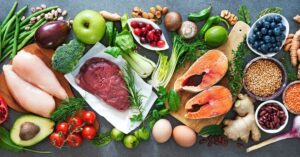
Instead of reaching for sweets, try adding these serotonin-boosters to your diet.

Fatty fish

The beneficial omega-3 fatty acids found in cold-water fatty fish play a role in serotonin’s function in the brain. Research specifically shows that EPA and DHA from fish oil appear to regulate both the release of serotonin and serotonin receptors’ function. Low levels of essential omega-3 fatty acids may impair the serotonin receptor and result in lower levels of serotonin.

Click here to learn more about the benefit of omega-3 fatty acids.

Green Tea and Turmeric

Research shows that theanine, an active compound in green tea, and curcumin from turmeric, can both raise brain serotonin levels. Even more, these ingredients also reduce inflammation, making them beneficial additions to your pantry. 

Learn more about the benefits of turmeric here.

Tryptophan Supplements for Serotonin

Tryptophan is the amino acid our bodies use to create serotonin. It’s also a unique example of a time when a supplement might be more beneficial than a whole food. Here’s why: tryptophan is the building block for serotonin, but this essential amino acid is found in protein-rich foods such as milk, nuts, meats and cheeses. It turns out, a high protein meal actually decreases the amount of tryptophan that can enter the brain (and thus the serotonin the brain can produce). 

The workaround? Tryptophan supplements allow you to get tryptophan without having to consume protein alongside it. Research shows that tryptophan supplements, especially when used with other treatments, may be useful in boosting serotonin and reducing depression symptoms. 

Vitamin D

Especially in latitudes with less sunlight, vitamin D deficiency is very common. Vitamin D, which our bodies produce in response to sunlight, is a necessary factor in the brain’s production of serotonin. Your doctor can help you evaluate your vitamin D levels with a blood test, in order to understand if supplementation can benefit you.

You can learn more about the benefits of vitamin D here.

5-HTP Supplements for Serotonin:

Despite its common use, I do not recommend 5-HTP as a serotonin-boosting supplement to treat clinical depression without the supervision of your provider. 5-HTP is the precursor to serotonin, which your body also converts into melatonin, a molecule that aids in sleep. Unlike serotonin, 5-HTP is small enough to cross the blood brain barrier. 

These factors make it sound like an enticing supplement for those with both depression, but high dose 5-HTP has some serious side effects. 

With long-term use (consistently taking for years), as it actually depletes dopamine and norepinephrine, two other neurotransmitters critical to mood regulation. Even with sufficient serotonin, a deficiency in these neurotransmitters can also lead to depression. 

Further, researchers linked long-term 5-HTP use with pre-existing heart valve disease in rats. That may or may not hold true for humans – further research is needed. 

And if you’re on SSRIs, 5-HTP is a big no-no. Supplementing 5-HTP should never happen together with SSRIs or other antidepressants, a combination that can lead to dangerously high levels of serotonin, known as serotonin syndrome

Summary

If you suspect a serotonin deficiency is affecting your mood, start by talking to your doctor. These articles can serve as a guide to help your conversation and make sure you have the information you need.


Serotonin Deficiency, What’s the Risk?

Serotonin (also known as 5-hydroxytryptamine, or 5-HT) is one of the most talked-about neurotransmitters– molecules that help your nervous system communicate. You may know it as “the happy molecule” because of its role in regulating happiness, anxiety, and mood.

The best-known indicators of low serotonin include depression and anxiety, but it plays a larger role in the body as well. This hormone (yes, it’s a hormone!) also affects your digestion, sleep, bones, inflammation, libido, and memory. 

If you found this article because you are thinking about harming yourself, call the National Suicide Prevention Lifeline at 1-800-273-8255. You can visit the organization’s website for their chat option, if you prefer to speak with someone that way. 

What Is Serotonin Deficiency?

Serotonin deficiency is the state of low serotonin levels, or low serotonin action. This can occur when your body produces too little serotonin or if the serotonin you do have isn’t used properly. Serotonin works by circulating in your brain, activating and releasing from serotonin receptors. If your brain has too few of these receptors, or if your serotonin is breaking down too quickly, you can also experience serotonin deficiency.

Low serotonin levels can contribute to depression, anxiety, mood disorders, insomnia, and a higher risk of certain diseases. 

What Causes Serotonin Deficiency?

Did you know that only 5% of your total serotonin is in your brain? Serotonin can’t cross your brain’s protective barrier, so all the serotonin in your brain is actually made right there. The other 95% of your serotonin is produced in your gut and carries out different roles in the body.

It’s a common misconception that the serotonin made in your gut is used in the brain. Because of the blood brain barrier, a protective barrier which keeps molecules from entering, serotonin made in the gut is unable to be used in the brain. 

In both the gut and the brain, your body makes serotonin from an essential amino acid called tryptophan. Things that slow this conversion, deplete serotonin, or reduce receptors can lead to serotonin deficiency symptoms. Some significant factors include:

Sunlight

It’s no secret that sunshine works wonders for happiness. Exposure to sunlight helps increase serotonin production. With so much of our lives spent cooped up indoors, sunlight is often the missing ingredient. The sunlight-to-serotonin connection also helps explain why so many of us suffer the seasonal blues in darker months, also referred to as seasonal affective disorder.

Vitamin D

Vitamin D, which our bodies produce in response to sunlight, is also specifically needed in the brain’s pathway to build serotonin. Vitamin D is needed to activate the enzyme that helps in the production of serotonin. You can learn more about the benefits of vitamin D here.

Vitamin D deficiency is common, even in areas of the world with sufficient sunlight exposure. The best way to evaluate your vitamin D is through lab testing. This will help you understand if supplementation is necessary.

Omega-3 Fatty Acids

Research has specifically shown marine (fish) derived omega-3 fatty acids to play a role in the production and function of serotonin. Both EPA and DHA from fish oil have been shown to play a positive role in the brain’s utilization of serotonin. EPA appears to regulate the release of serotonin, while DHA regulates serotonin receptor function. Low levels of essential omega-3 fatty acids may contribute to dysfunction of the serotonin receptor and lower levels of serotonin being released.

Click here to learn more about the benefit of omega-3 fatty acids.

Alcohol

On top of depressant effects of its own, excessive alcohol consumption can deplete the serotonin levels in your brain. Interestingly, serotonin appears to play a role in an individual’s predisposition to excessive alcohol consumption.

Long-term Use of SSRIs

Selective Serotonin Reuptake Inhibitors (SSRIs) are a family of commonly-prescribed antidepressant medications. They work by blocking the protein that “cleans up” serotonin, meaning each serotonin molecule can stay active for a longer period of time. 

While SSRIs may be a good option for some, their long-term use can make serotonin deficiencies even worse. 

If you are on SSRIs and you want to stop taking them, you must absolutely bring this up with your prescribing doctor and adhere to their guidance on dosage. The side effects of stopping SSRIs abruptly can be brutal and dangerous, and this isn’t something you can always power through. You can avoid a lot of suffering and adverse effects if your doctor is keeping a close eye on your dosage adjustments and symptoms. 

Hormonal imbalances

Other hormones in the body also help regulate serotonin production, especially estradiol. Estradiol levels can plummet during menopause, after giving birth, and after quitting hormonal birth control, and serotonin levels take a nosedive along with it. This is an important factor in depression during menopause, postpartum depression, and post-birth-control syndrome. 

Excess Stress

Finding ways to manage and reduce stress can only make room for more happiness, and science agrees: Excess stress increases your body’s cortisol levels, and cortisol actually depletes your serotonin

Inflammation and Diet

Tryptophan, an essential amino acid (essential meaning your body doesn’t make it – you have to get it from food), plays a role in serotonin production. But just getting adequate tryptophan isn’t enough. High levels of inflammation (such as with irritable bowel syndrome) can cause your body to break down tryptophan before it has a chance to enter the brain and be used to make serotonin. This is one of the ways inflammation may contribute to depression

Food sources of tryptophan include poultry, eggs, pumpkin, salmon, nuts and seeds.

If you’re looking for some anti-inflammatory recipes, check out my free hormone balancing starter kit that contains free recipes and a meal plan to help you get started.

Serotonin Deficiency Symptoms

Serotonin plays many roles in the body, some of which scientists are still working to understand. For a look at serotonin deficiencies, let’s focus on three major categories: mood, sleep, and metabolism.

Mood

Experts associate many mood disorders and mental health effects to serotonin deficiency. Research also shows that adequate serotonin in the brain is important in controlling our anxiety and fear responses.

Common mental health disorders associated with or exacerbated by serotonin deficiency include:

  • ADHD and attention disorders
  • Anxiety and panic disorders
  • OCD (obsessive-compulsive disorder)
  • SAD (seasonal affective disorder)
  • Social anxiety or phobia
  • Eating disorders
  • PTSD (post-traumatic stress disorder)

But a full-fledged diagnosis isn’t always the case. Sometimes serotonin deficiencies can have more subtle effects, or feel harder to name. General sadness (especially with a lack of sunshine), anxiety, low self-esteem, brain fog, and anger can all point to low serotonin. Over time, serotonin deficiencies can increase the risk of more serious cognitive diseases such as dementia, Alzheimer’s, and schizophrenia. 

Sleep

More than just fueling happy thoughts and sweet dreams, serotonin is actually necessary for sleep itself. Your body needs serotonin to convert into melatonin, the hormone responsible for running your body’s inner clock, and helping you catch your zzz’s.

Hyperactivity, or difficulty falling asleep, staying asleep, or reaching deep sleep, can all be symptoms of a lack of melatonin and serotonin.

Metabolism

Serotonin has several vital roles in your digestive system, including regulating your sugar and digestive homeostasis, regulating inflammation in the gut, and helping food move through your digestive tract. Serotonin levels may also have a role in some metabolic diseases. 

The effects of serotonin on digestion and metabolism are much harder to pinpoint since so many factors can be involved in digestive issues. While these factors might not be enough to diagnose a serotonin deficiency, you can certainly watch for improvement here as you begin healing and increasing your serotonin levels.

Serotonin Deficiency Treatment

In conventional medicine, the first line of defense for depression is often prescription antidepressants. While these may be a solution for some, they can have serious side effects, and may not work for some people. 

In mild to moderate cases of serotonin deficiency, you can experiment with natural ways to boost your serotonin levels.Targeted supplements, tryptophan-rich foods, and simple lifestyle changes like stress reduction, meditation, exercise, and natural sunlight may be enough to do the trick. We’ll dive more into boosting your serotonin in our upcoming article.

More severe cases may warrant prescription medication. Whether using at-home remedies, or prescribed medication, it’s helpful to seek medical advice, and discuss treatment plans with your doctor or psychiatrist.

What Is A Serotonin Deficiency Test?

While there is a test for serotonin in the blood, it’s actually only useful in diagnosing certain serotonin-producing tumors that would cause abnormally high levels. There’s no direct test for serotonin deficiency, since the serotonin in your bloodstream or urine doesn’t necessarily correlate to the levels in your brain. (Remember, serotonin can’t cross the brain’s protective barrier).

Instead, your doctor can assess whether or not you have a serotonin deficiency after evaluating your medical history and symptoms.  

How Long Does It Take To Recover From Serotonin Deficiency?

The time needed to restore healthy levels of serotonin varies between individuals. Factors include the severity of deficiency, the treatments used, and other impacting factors such as diet, daily stress, and management of depression, anxiety, or related disorders. 

If you are beginning treatment to increase your serotonin, try tracking your symptoms with journal entries or weekly reflections, and be patient with your body as it heals.

Summary

In our upcoming article on serotonin, we’ll round up the top ways to support your serotonin levels.