Exercise

##Maecenas sed diam eget risus varius blandit sit amet non magna. Vivamus sagittis lacus vel augue laoreet rutrum faucibus dolor auctor. Donec id elit non mi porta gravida at eget metus. Etiam porta sem malesuada magna mollis euismod. Vivamus sagittis lacus vel augue laoreet rutrum faucibus dolor auctor. Cras mattis consectetur purus sit amet fermentum. Duis mollis, est non commodo luctus, nisi erat porttitor ligula, eget lacinia odio sem nec elit. Curabitur blandit tempus porttitor. Donec ullamcorper nulla non metus auctor fringilla. Nullam quis risus eget urna mollis ornare vel eu leo. Maecenas faucibus mollis interdum. Cras justo odio, dapibus ac facilisis in, egestas eget quam. Maecenas sed diam eget risus varius blandit sit amet non magna. Curabitur blandit tempus porttitor. Donec ullamcorper nulla non metus auctor fringilla. Nullam quis risus eget urna mollis ornare vel eu leo. Maecenas faucibus mollis interdum. Cras justo odio, dapibus ac facilisis in, egestas eget quam. Maecenas sed diam eget risus varius blandit sit amet non magna.

Most Popular

You may have noticed there are times in your cycle where your motivation and physical...

Ever notice that your appetite seems to increase in the days leading up to your period? If so, you’re not alone. During our weekly Ask Dr. Brighten Q&A on social media I am often asked, “why am I so hungry on my period (or before),” especially for sugary snacks. It’s a common question among my patients too. So if you’ve ever experienced this, know that you’re not alone.

This article will explain what can cause an increased appetite around period time and what to do if those cravings hit. 

Why Am I So Hungry During My Period?

Estrogen and progesterone are cyclical, meaning they change and fluctuate throughout the month. They have an impact on our appetite and metabolism that can lead to an increase in feelings of hunger. Experiencing changes in our appetite throughout the menstrual cycle is normal.

Check out my article about the menstrual cycle phases if you need a refresher on how our cycles work. 

What many women experience in the first few days of their cycle is linked to the hormonal changes that happen just before menstruation. It is most common to experience cravings before and the first few days of your period.

Why Am I So Hungry Before My Period?

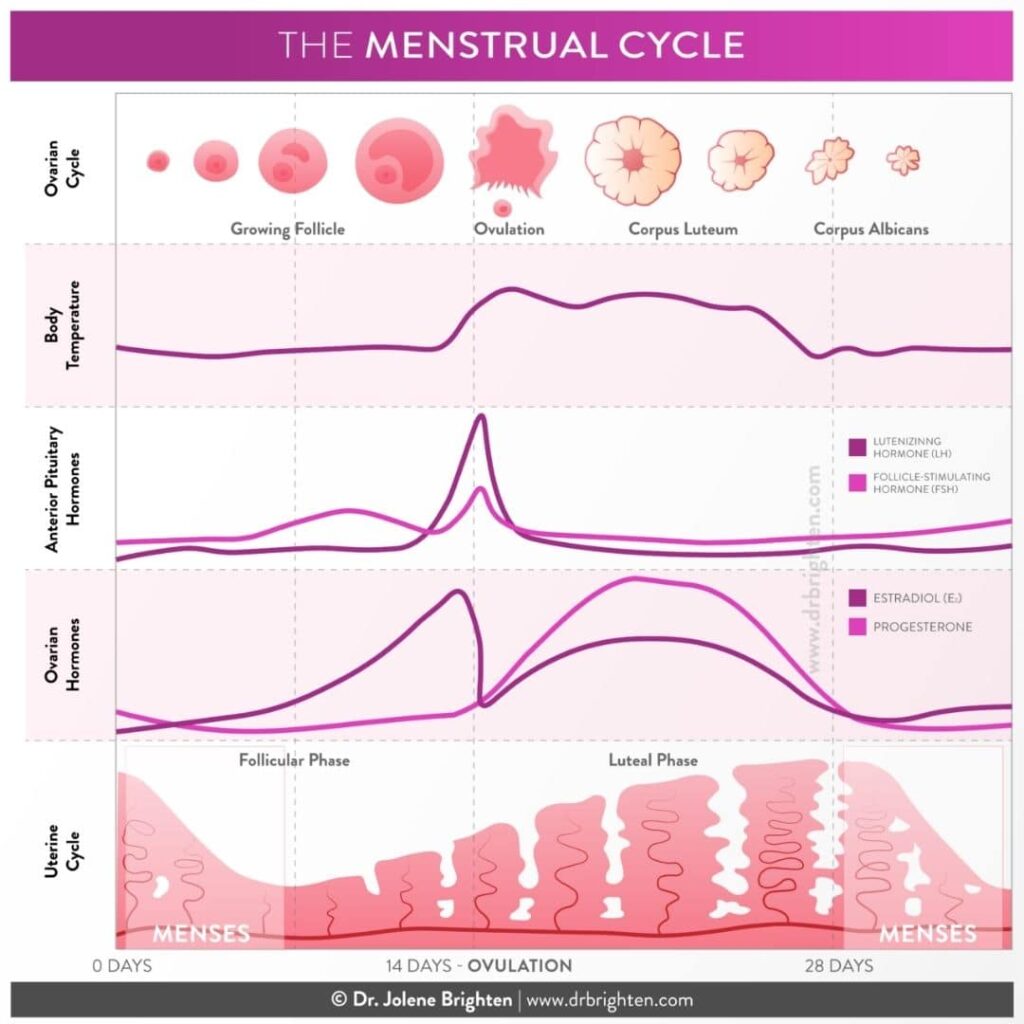
During the luteal phase (which begins following ovulation), your body releases progesterone to prepare the body for pregnancy. 

Progesterone is usually highest around the middle of the luteal phase and is associated with an increase in cravings and hunger. Estrogen, on the other hand, typically has a suppressive effect on our appetite and begins to decline just before menstruation in response to the egg not being fertilized. Depending on the levels of these hormones, you may feel more hungry before your period. The hormonal fluctuations in this phase are one reason women experience symptoms of PMS and cravings or compulsive eating may be part of your PMS symptoms. 
What Is Compulsive Eating?

Individuals who experience compulsive eating have a strong, uncontrollable urge to eat large amounts of food, eat very quickly, or eat when not hungry. This is often referred to as binge eating. In individuals who engage in this behavior twice weekly for 6 months or more, it is considered binge eating disorder (BED).

BED is a diagnosis that needs to be made by a healthcare professional. If you find you’re eating in secret, feeling ashamed after a binge, frequently eating large amounts of food uncontrollably, or eating when you’re not hungry, please meet with your healthcare provider.

Why Does Compulsive Eating Happen Before My Period?

Compulsive eating may feel especially problematic prior to menses due to the rise in progesterone. Research has shown that progesterone can be problematic for people struggling with this issue, which is why the impulses may be highest the days leading up to menstruation.

If this is something your struggle with, meet with your healthcare provider. There are lots of ways to support you including cognitive behavioral therapy, nutritional therapy, and more.

Why Do I Crave Sugary Foods and Carbs Before My Period?

On top of increased appetite, many women crave foods high in sugar and carbs. There are a couple of possible reasons for this. 

Firstly, sugary treats make us feel good. When we’re stressed, upset, or tired, something sweet can instantly boost our mood and energy. Research has shown that sugar releases serotonin, which modulates our mood. 

And many of us find carbs comforting – think pasta, bread, and rice. A study showed that women with higher levels of estradiol in the luteal phase craved more carb-rich foods.

Now, I am not here to shame you for indulging in high-sugar snacks when you crave them. But it is essential to know that sugar highs are always a temporary fix. Besides, sugar can affect our hormones.  

Serotonin and Carb Cravings

Your hormone shifts throughout your cycle also impact neurotransmitters like serotonin. Dips in serotonin prior to your period can have your body craving carbs. Carbohydrates can help increase levels of serotonin.

Serotonin is often thought of as the “happy neurotransmitter” because it is significant to mood health. But it can also be a culprit in mood swings and food cravings. If you’re craving carbs, plus feeling sad, irritable, or having headaches—serotonin may be to blame. 

So is it bad to eat carbs before during your period? Not at all. In fact, it may not only support your serotonin, but also your overall metabolism.

Insulin Sensitivity and Period Cravings

Leading up to your period your insulin sensitivity may decline meaning you’ll be taking blood sugar into your cells slightly less efficiently. Because of this, you may find you’re more hungry and have stronger cravings. 

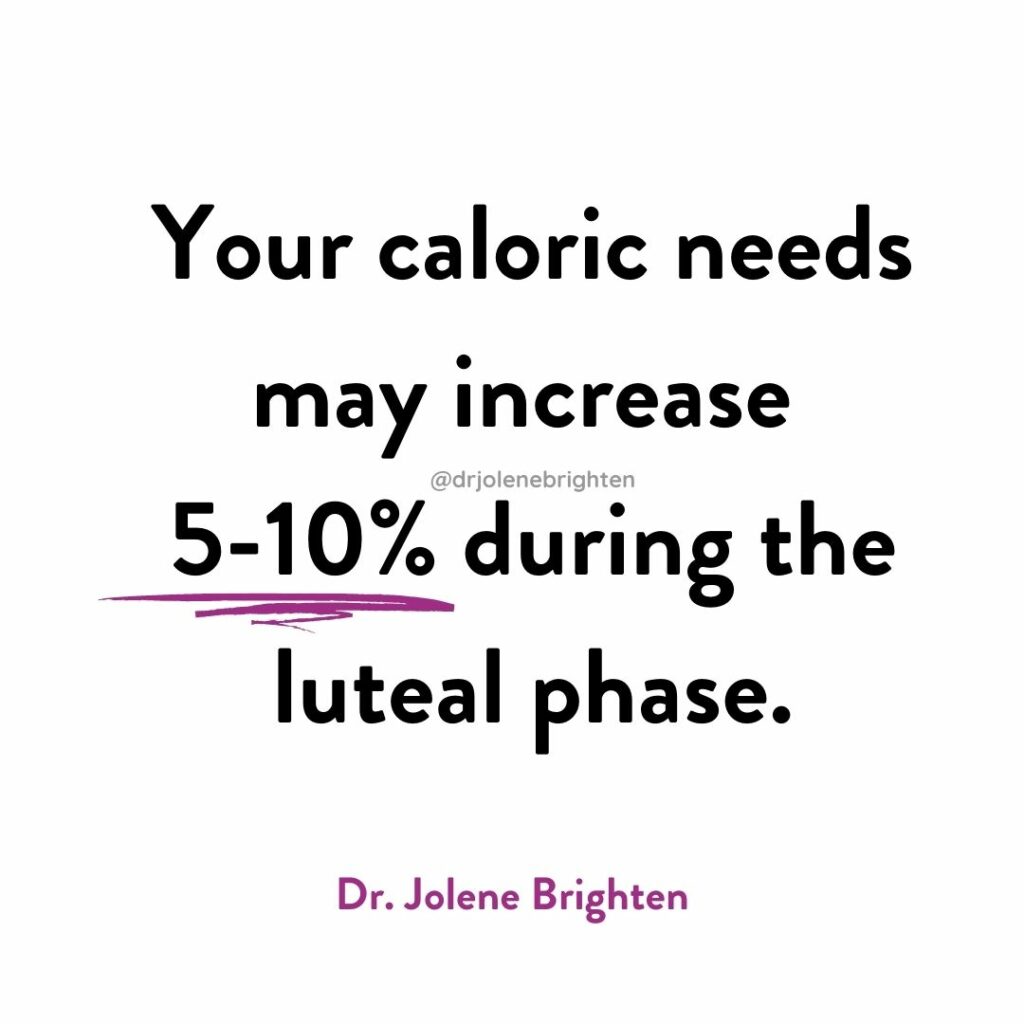
In addition, your caloric needs may increase 5-10% during the luteal phase, which also means you may naturally need more fuel.

You can read more about exercising with your cycle and the physiological changes that happen each month.

Iron Levels and Period Cravings

If you’ve been diagnosed with iron deficiency, or if you suspect that your iron could be low because of heavy periods, you might notice that you tend to have strong cravings. These cravings can last all month long, and you might find yourself particularly ravenous around the time of your period. 

This is your body telling you that it’s missing important nutrients, and it’s signaling you to go find foods that contain them. 

Why would your period ramp up cravings related to iron deficiency? Especially when heavy periods are an issue, another round of blood loss means your iron levels drop further. 

The fix? Work with your doctor to get your iron levels back where they should be, and you might find that your cravings calm down. I don’t recommend supplementing without guidance – you can go overboard with iron supplements, and your body absorbs some better than others. 

Women with severe iron deficiency might find themselves craving non-food items, like ice cubes, dirt, or napkins. That’s a condition called pica, which needs immediate medical attention. 

How to Control Period Cravings with Food

One of the best ways to feel fuller after meals and get a handle on sugar cravings is to incorporate more protein, fat, and healthy carbs in your diet. 

By filling your plate with wholesome, nutritious proteins and vegetables (which contain nutrient dense carbohydrates), you will be better able to stabilize your blood sugar, reducing the chances of sudden, extreme hunger and cravings. 

It’s also important to start the day off right. And no, I don’t mean a sugar-packed breakfast cereal that will inevitably cause an insulin spike and then sugar crash. During your luteal phase, make breakfast with complex carbohydrates, protein, and healthy fats so your body feels full and satisfied. You can grab a free meal plan with recipes to support you in doing just this here. . This will give you the energy to take on your day.  

You can check out what to eat on your period for tips on foods to support your body during this phase.

Also, try to keep simple, healthy snacks on hand so that if a craving does hit, you have options ready. Nuts, seeds, or veggies with dip are great ideas to keep you satisfied and away from less healthful snacks. 

Lastly: Stay hydrated! Thirst is often mistaken for hunger. My advice? Carry around a bottle of water, so you have easy access to your water. You may notice your hunger levels decrease. 

Download my FREE Hormone Balancing Starter Kit with 7-Day Hormone Balancing Meal Plan and Hormone Balancing Recipe Guide.

How to Control Hunger Before Period with Lifestyle

Stress, lack of sleep, and too little daily movement can all contribute to more severe PMS symptoms, which, in turn, can lead you to be hungry before your period. 

I am not saying that reducing stress, sleeping more, and working out will take away those pre-period hunger pangs. I am saying that these lifestyle factors play a huge role in hormone balance, so optimizing them may help reduce the imbalances that cause hunger in the first place. 

Stress management

Our modern lives are very stressful. For many of us, stress management falls to the wayside — we have too many other things to do! But when we don’t manage our stress, our adrenals can start to feel the strain, which can lead to imbalanced hormones and a weakened immune system. 

Stress management does not need to mean a 30-minute long meditation. (But, if you want to try that, go for it!) It can take the form of a five-minute breathwork session, a short walk in nature, or simply being present in the moment. 

Sleep for happy hormones

Another lifestyle intervention that can help you is sleep. Adults need seven or more hours of sleep per night, but many do not get enough Zs. Not sleeping enough can lead to inflammation, so we must get sufficient, restful sleep to start getting our hormones back on track. 

Move every day

Another critical part of a healthy lifestyle is movement and exercise. Modern life can be sedentary, especially if your job confines you to a desk. So, it’s essential to make a conscious choice to move more. 

Try to do exercises that you love (like yoga, weight training, cardio, brisk walks, etc.) regularly. Exercise makes us feel good, keeps our bowels working (regular bowel movements are vital for eliminating excess estrogen), and helps us achieve better hormone balance.  

Hunger Before Your Period: You Can Take Action 

Many of my patients struggle with intense hunger around their periods, and while each case is different, I often see hormonal imbalance as a common thread. 

Know that in most cases, increasing your intake of quality proteins, fats, fruits  and vegetables, working on stress management, prioritizing sleep, and moving daily, you can manage your appetite and say goodbye to cravings before your period.

Serotonin is a key hormone in promoting feelings of happiness and well-being. It plays a role in regulating your digestion, sleep, bones, inflammation, libido, and memory. If you’re dealing with depression, anxiety, mood disorders, or insomnia, you may want to ask your doctor about a possible serotonin deficiency.

You can support your body’s natural happiness hormone by understanding how serotonin works in the body. Discover how to increase serotonin naturally with simple lifestyle changes, and learn when your body might need support from supplements or medications.

Depression is a very real struggle, and support is easy to reach. If you’ve found this article because you are considering self-harm, call the National Suicide Prevention Lifeline at 1-800-273-8255 right now, or visit their website for free, 24/7 live chat support.

What Is Serotonin?

Serotonin (5-hydroxytryptamine) is a molecule that helps your nervous system communicate. You may know it as “the happy molecule” for its role in regulating happiness, anxiety, and mood. While most serotonin operates in the gut, scientists best understand the effects of serotonin in the brain, where it impacts our mood and sleep.

Is Serotonin a Hormone or a Neurotransmitter?

The short answer is, serotonin can work as a neurotransmitter or a hormone, depending on where you find it. Serotonin functions as a neurotransmitter in the central nervous system (your brain and spinal cord) and as a hormone in the peripheral nervous system (everywhere else). 

What Does Serotonin Regulate?

Serotonin plays several roles throughout the body, many of which we’re still working to understand. Did you know that 95% of your serotonin actually exists in your gut and not your brain? Still, we tend to associate serotonin with its effect on mood and happiness. 

Research shows that high serotonin in the brain general means happier moods, while low serotonin may be linked to an increased risk for depression. 

That said, it’s not entirely clear whether serotonin regulates our mood, or our mood affects our serotonin. Research shows that adequate serotonin in the brain is important in regulating our anxiety and fear responses.

Serotonin also supports healthy sleep. Our bodies use serotonin to produce melatonin, the hormone that regulates our inner clock and sleep cycles. Our digestive system also benefits from serotonin, as it plays a role in regulating sugar levels, reducing inflammation in the gut, and keeping food moving through your digestive tract

Signs You Need To Increase Serotonin Levels

A serotonin deficiency can occur when serotonin production is too low, or when there’s enough serotonin, but your brain isn’t using it properly. This can happen when your brain has too few serotonin receptors or when serotonin is being stored or broken down too quickly.

You can read all about serotonin deficiency and its symptoms here.

Because we can’t test directly for serotonin levels in the brain, your doctor may identify a serotonin deficiency through symptoms. The best-known signs of low serotonin include depression and anxiety, often accompanied by poor sleep. Less severe symptoms, such as general sadness (especially with a lack of sunshine), low self-esteem, brain fog, and anger can also point to low serotonin.

How To Increase Serotonin With Drugs

Many pharmaceutical treatments for depression and anxiety focus on boosting serotonin. SSRIs, or selective serotonin reuptake inhibitors, are a common group of prescription antidepressants. SSRIs don’t actually increase serotonin, but they do help your brain get the most mileage out of the serotonin already present. 

How do SSRIs work? 

Serotonin acts like a messenger in our brains’ synapses (the space between neurons). As long as serotonin is present in the synapse, it can continue sending messages. Eventually, active serotonin molecules get reabsorbed by a neuron. SSRIs can reduce symptoms of depression by preventing this reabsorption, allowing the serotonin to stay in the active synapse area. 

This means that even with low serotonin, your brain neurons can still receive the messages they need to fuel a positive mood. A similar family of drugs, SNRIs (serotonin and norepinephrine reuptake inhibitors), reduce the reabsorption of both serotonin and norepinephrine.

Common SSRIs include Prozac®, Celexa®, and Zoloft®.

Common SNRIs include Pristiq®, Cymbalta®, Savella®, Effexor®.

While SSRIs can be hugely beneficial in some cases, they have a downside: the long-term use of SSRIs can make serotonin deficiencies even worse. Additionally, while SSRIs can reduce depression symptoms by increasing serotonin availability, they don’t address the root cause of low serotonin levels.

If you are on an SSRI or SNRI and wish to stop, you must absolutely bring this up with your prescribing doctor and adhere to their guidance on dosage. The side effects of stopping SSRIs abruptly can be brutal and dangerous, and this isn’t something you can always power through. You can avoid a lot of suffering and side effects if your doctor is keeping a close eye on your dosage adjustments and symptoms. 

How To Increase Serotonin Naturally

Everyone is different. For some people, an exercise session and some time outside will create an immediate sense of relief. For others, these strategies may address symptoms gradually over time. Some cases are severe and require medical intervention. As always, it’s best to involve your doctor in any concerning health matter. 

Here are some things to try that could increase serotonin naturally, with simple lifestyle changes that may support your serotonin production.

Soak up some sun

Sunshine makes you happy, and science agrees: Exposure to sunlight helps increase serotonin production. This can help explain the seasonal depression that affects so many people in the darker winter months and shine some light on the benefits of getting outside. 

Exercise 

Several studies show that exercise may increase serotonin and tryptophan (the building block of serotonin) levels in the brain. More research links exercise to improved mood, making it a potentially low-risk, low-cost treatment for depression.

Massage

Here’s good news: among the many benefits of massage, research shows an increase in serotonin and decreased cortisol (the stress hormone) following massage. In this study on depression in pregnant women, mothers who received regular massages from their partners reported happier moods, lower anxiety, and healthier outcomes for their babies. 

Reduce stress

“Want to be happier? Stress less!” I know, I know, this sounds almost offensively unhelpful. Before you roll your eyes, let’s glance at the facts: Excess stress causes your body to produce cortisol, and rising cortisol levels deplete serotonin. Finding simple ways to reduce your daily stress, such as meditation, taking a walk, or dancing to your favorite song, can help save your serotonin.

Reduce alcohol intake

While there’s nothing wrong with an occasional toast, alcohol can wreak havoc on our hormones. Alcohol has depressant effects of its own, and excess consumption can reduce the serotonin levels in your brain.

Plus, alcohol isn’t great for hormones overall. You can read about how alcohol can affect your hormones and periods here.

Foods that increase serotonin

How many of us reach for the snacks when we feel blue? ‍♀️ It turns out that the sugary or high-carb snacks we use as comfort foods actually give us a quick hit of serotonin. But as you might guess, this isn’t the way to go. Sugar and refined carbohydrates can also spike cortisol and contribute to inflammation, two factors that will crash your mood just as quickly. 

You can read more about the Anxiety-Sugar Connection here.

Instead of reaching for sweets, try adding these serotonin-boosters to your diet.

Fatty fish

The beneficial omega-3 fatty acids found in cold-water fatty fish play a role in serotonin’s function in the brain. Research specifically shows that EPA and DHA from fish oil appear to regulate both the release of serotonin and serotonin receptors’ function. Low levels of essential omega-3 fatty acids may impair the serotonin receptor and result in lower levels of serotonin.

Click here to learn more about the benefit of omega-3 fatty acids.

Green Tea and Turmeric

Research shows that theanine, an active compound in green tea, and curcumin from turmeric, can both raise brain serotonin levels. Even more, these ingredients also reduce inflammation, making them beneficial additions to your pantry. 

Learn more about the benefits of turmeric here.

Tryptophan Supplements for Serotonin

Tryptophan is the amino acid our bodies use to create serotonin. It’s also a unique example of a time when a supplement might be more beneficial than a whole food. Here’s why: tryptophan is the building block for serotonin, but this essential amino acid is found in protein-rich foods such as milk, nuts, meats and cheeses. It turns out, a high protein meal actually decreases the amount of tryptophan that can enter the brain (and thus the serotonin the brain can produce). 

The workaround? Tryptophan supplements allow you to get tryptophan without having to consume protein alongside it. Research shows that tryptophan supplements, especially when used with other treatments, may be useful in boosting serotonin and reducing depression symptoms. 

Vitamin D

Especially in latitudes with less sunlight, vitamin D deficiency is very common. Vitamin D, which our bodies produce in response to sunlight, is a necessary factor in the brain’s production of serotonin. Your doctor can help you evaluate your vitamin D levels with a blood test, in order to understand if supplementation can benefit you.

You can learn more about the benefits of vitamin D here.

5-HTP Supplements for Serotonin:

Despite its common use, I do not recommend 5-HTP as a serotonin-boosting supplement to treat clinical depression without the supervision of your provider. 5-HTP is the precursor to serotonin, which your body also converts into melatonin, a molecule that aids in sleep. Unlike serotonin, 5-HTP is small enough to cross the blood brain barrier. 

These factors make it sound like an enticing supplement for those with both depression, but high dose 5-HTP has some serious side effects. 

With long-term use (consistently taking for years), as it actually depletes dopamine and norepinephrine, two other neurotransmitters critical to mood regulation. Even with sufficient serotonin, a deficiency in these neurotransmitters can also lead to depression. 

Further, researchers linked long-term 5-HTP use with pre-existing heart valve disease in rats. That may or may not hold true for humans – further research is needed. 

And if you’re on SSRIs, 5-HTP is a big no-no. Supplementing 5-HTP should never happen together with SSRIs or other antidepressants, a combination that can lead to dangerously high levels of serotonin, known as serotonin syndrome

Summary

If you suspect a serotonin deficiency is affecting your mood, start by talking to your doctor. These articles can serve as a guide to help your conversation and make sure you have the information you need.

Serotonin Deficiency, What’s the Risk?

You may have noticed there are times in your cycle where your motivation and physical stamina are lacking when it comes to your fitness routine. Despite your trainer telling you can do one more or the Peloton instructor is saying “push” you may just find there are times where you lack the motivation. This isn’t because you’re just lazy. Instead, the secret lies in your cycle and in this article we’re going to discuss the science of how to exercise with your cycle.

As it turns out, most research in fitness is done on men and then just applied to women. That means the fitness routine you failed might not be because of your will power, but because it was developed for a non-cyclical creature and then just deemed good enough for you.

You’re not a failure—you’re a uniquely cyclical creature.

Many women notice a difference in the quality of their workouts during their menstrual cycle due to fluctuating hormone levels. 

And the secret to exercise success is syncing your cycles to your fitness routine.

Period Syncing Workouts

To sync your cycle to your self care and fitness routine, you first need to understand some basics. While the period is the most noticeable part of the cycle for most women, it isn’t the only thing we want synced up with our workouts.

Cycle Phases and Your Workout

During a woman’s cycle, the hormone flow follows this general pattern:

Day 1-14 (Follicular Phase)

This is the first day of your period through ovulation. During this time, estrogen levels rise as the body prepares for ovulation. 

About days 1-7 (could be less) your uterine lining is being shed (aka your period). Just prior to your period your estrogen and progesterone levels were at the lowest level in your cycle. By day 3 estrogen is rising again and testosterone isn’t far behind.

For the purposes of this article we’ll be discussing the working out while on your period separately, but know that it is part of the follicular phase. Watch this video to learn more about the phases of your menstrual cycle.

Ovulation

Ovulation happens roughly mid-cycle and is a day long event. To trigger ovulation, estrogen levels peak. Following ovulation your progesterone levels begin to rise. The day after ovulation is the onset of the luteal phase.

Prior to ovulation your estrogen and testosterone rise. Estrogen peaks to trigger ovulation. Energy, stamina, and mental endurance can all increase during this time thanks to these hormones.

Day 15-28 (Luteal Phase)

This is the phase after you’ve ovulated. Your body produces more estrogen to trigger ovulation, which then comes down, but doesn’t drop as you move into your luteal phase. 

During this phase progesterone levels rise and are at their highest. Once the body recognizes pregnancy hasn’t been achieved your estrogen and progesterone levels decline to trigger your period.

It’s important to note that this is just a general framework for discussing the menstrual cycle. Not every woman ovulates on day 14 and not every woman has a 28 day cycle. Be sure to adjust based on your unique cycle. 

Depending on where you are in your cycle, you have different advantages and disadvantages at the gym and on the field.

Let’s dig into how to exercise with your cycle and leverage your hormones to maximize your athletic potential.

menstrual cycle phases

How to Exercise with Your Cycle

Your hormonal fluctuations throughout the month can bolster your workout in many ways. Instead of getting frustrated by periodic shifts in ability, you can plan your workouts to give you an advantage. 

Exercise During Your Period (Early Follicular Phase)

While you’re on your period, you may find a gentle walk, stretching, and easy movement is best for reducing discomfort and matching your energy levels. It’s normal to have lower energy levels the first day of your period and to feel less active if you’re struggling with cramps. However tempting it may be to just hit the alarm and stay in bed, I would encourage you to get up and move.

Exercise can help alleviate cramps, improve energy, balance your moods and give you an overall sense of wellbeing. It may not feel like it when just contemplating exercise but once you get moving your symptoms should improve. Read this article if you need help with cramps.

So does this mean you’re just automatically weaker and have to dial back your athletic routine because you’re on your period? Nope. Far from it.

You may find that even early in the follicular phase you’re able to lift more weight, tolerate high intensity interval training, and push yourself a little more. 

The bottom line (and continuous theme of this article) is to listen to your body and honor how you feel. In fact, how you feel is a more important indicator than any doctor or other health expert telling you how it “should” be. 

Exercise During the Late Follicular Phase (When Your Period Ends to Ovulation)

The increased estrogen and testosterone during this phase of your cycle can make it easier to build muscle. This is when cardio and strength training routines can feel their best. 

Yes, even while on your period your estrogen levels are rising. So you may find that come day 3 of your period that your energy is up and your exercise stamina begins to follow.

Exercise During Ovulation

This is a one day event, but the days surrounding it can leave you feeling even more energized. Around the end of week two to the beginning of week three, which for most women is ovulation time, you may find that you can withstand higher levels of exertion than during other times of the month. 

Exercise During the Luteal Phase

Some women will almost immediately notice shifts in their exercise tolerance and performance following ovulation. For others, the week before their period, may be when they experience a marked decline exercise tolerance, along with having trouble thermoregulating. Our bodies can retain more water and have more difficulty cooling down in this phase, which can significantly hinder your workout. Staying hydrated with an attention to electrolytes prior to your activity can be helpful, as well as wearing breathable clothing and exercising in a cool environment.

Use that information to your advantage and take that time to incorporate more recovery time in your schedule. Leveraging some pilates and yoga as you near your period can help support your body’s needs.

If you’re feeling more hungry prior to your period then know this is completely normal. Your body is slightly less insulin sensitive and your need for calories, specifically carbohydrates, is much higher during this phase. You can choose to listen to your body’s needs and eat in a way that you feel is best or focus on increasing your calories by 5-10%. Take the approach that serves you best. You can use this meal plan to help guide you in plant based carbohydrates that support your hormones.

Tracking your cycle and incorporating different workouts into your routine helps you get the most out of your workout. Plus, it will add variety in your exercise regimen.

Best Exercises for Each Phase of Your Cycle

Tailoring your exercise to your cycle is more than just period syncing, but rather, syncing your entire cycle to include the different phases. We’re going to cover exercise during ovulation, working out while on your period, and how each phase has its own activities based on the hormone changes happening. 

Best Exercises During The Follicular Phase

After your period’s over, hormone levels begin to increase. Higher levels of estrogen and testosterone during this time make for ideal weight training. Some of the exercises you may want to try during this phase include anything that involves resistance training:

  • Running
  • HIIT
  • Cycling
  • Weight training
  • Bodyweight conditioning 

Best Exercises While Ovulating

You experience hormone peaks when ovulating. You may find that you’re feeling super energetic during this time, which is incredible for working out. Anything that makes you burn a few extra calories and sweat a little more during this time is ideal. Exercise to incorporate during the ovulatory phase are:

  • High-Intensity Interval Training (HIIT)
  • Cycling
  • Running
  • Weight lifting
  • Swimming

Best Exercises During The Luteal Phase

After you’ve ovulated, you may feel a bit sluggish, especially after the increased energy from the days prior. During the first days of your luteal phase, your progesterone is rising, and estrogen levels dip and come back up again. Then both taper off just before your period starts. These fluctuations mean you’ll have better energy levels at the beginning of this time, and towards the end, you may feel a little tired and less inclined to exercise. Again, listen to your body and do what feels right to you. At the beginning of the luteal phase, you may find you want to continue with your HIIT, running, dance, or spin class. But if you find that your endurance dips and you’re less inclined to push through like you did a week or two before.

 Towards the end, I’d suggest:

  • Low impact cardio
  • Walking or hiking
  • Yoga
  • Swimming
  • Pilates

You can of course continue any form of exercise you prefer through any time of your cycle and modify it to match your energy and hormones in that phase.

Can You Exercise On Your Period?

Yes, it is not only safe to exercise on your period, but it can also help with some of the symptoms that can accompany the first few days of your period.

While many women shy away from working out while on their period, it’s not necessarily a time to avoid exercise altogether. Sure, if you’re doubled over with cramps, exercising may not sound ideal, but some gentle movement may be just the thing to help alleviate some of your symptoms

If you’re feeling super tired, the best thing to do is listen to your body. Don’t try to overdo it with a strenuous workout. 

Some of the exercises I recommend to my patients during this time of the month include:

  • Walking
  • Yoga 
  • Pilates
  • Stretching

Breakdown of the best exercises to do, when, according to your menstrual cycle.

Follicular PhaseLuteal Phase
PeriodLate FollicularOvulationLate Luteal
WalkingCycling, runningHigh-Intensity Interval Training (HIIT)Low impact cardio
YogaWeight trainingWeight trainingWalking, hiking
PilatesBodyweight ConditioningRunningYoga

Can Exercise Affect My Period?

So, we’ve talked about how our menstrual cycle affects our athletic performance, but what about the other way around?

Can exercise affect our menstrual cycle?

The short answer is yes.

Normal, regular exercise impacts our hormones in positive ways. Healthy levels of moderate cardio and resistance training can do wonders for our health.

But sometimes, excessive exercise or workouts at a very elite level lead to changes in our menstruation, especially when coupled with undereating. Some women even lose their periods altogether, a phenomenon known as amenorrhea

This threshold is different for each individual. Some women are prone to experience cycle changes with exercise and diet routines that don’t affect other women. It’s a delicate balance, and you have to find what works for you.

Can Exercise Cause Irregular Periods?

When we are putting our bodies through extreme stress levels, it can determine that now is just not the best time for getting pregnant. 

So it shuts down ovulation, which leads to an irregular cycle. 

If you start exercising intensely and don’t consume enough calories to compensate for the increase, your body views that as stress. This can result in irregular periods, or loss of your period altogether. Some women may experience lighter, shorter flows than normal after embarking on a new exercise routine. 

If you’ve noticed a difference in your period since changing your fitness regimen, you may need to have your hormone levels checked

Why Do Athletes Lose Their Period?

Athletes lose their period due to severe strenuous exercise and poor fueling that result in a significant hormone imbalance.  Even recreational athletes can lose their period or experience irregularities in their cycle. 

It doesn’t happen to just Olympians or professional ballerinas. 

Amenorrhea can manifest due to any combination of over-exercise, under-eating, weight loss, or stress. Many elite athletes and more casual exercisers experience all of these things in some form, and it’s the perfect storm that results in the loss of the period.

If you lose your period after beginning a new fitness routine or training regimen, meet with a licensed health care provider to have a thorough workup of your health. 

Exercise with Your Cycle

Exercising with your cycle doesn’t have to be a complicated endeavor. You intuitively already have the cues from your body—it’s a matter of respecting it’s signals and not unfairly trying to hold yourself to the same standards as your non-cyclical counterparts. Through leveraging these strategies you can make your hormones work for you to take your fitness goals to the next level.  

Citations

Reed BG, Carr BR. The Normal Menstrual Cycle and the Control of Ovulation. 2018 Aug 5. In: Feingold KR, Anawalt B, Boyce A, et al., editors. Endotext [Internet]. South Dartmouth (MA): MDText.com, Inc.; 2000-.

https://www.ncbi.nlm.nih.gov/books/NBK279054/.

Lowe DA, Baltgalvis KA, Greising SM. Mechanisms behind estrogen’s beneficial effect on muscle strength in females. Exerc Sport Sci Rev. 2010;38(2):61–67. doi:10.1097/JES.0b013e3181d496bc

https://www.ncbi.nlm.nih.gov/pmc/articles/PMC2873087/.

Chidi-Ogbolu N, Baar K. Effect of Estrogen on Musculoskeletal Performance and Injury Risk. Front Physiol. 2019;9:1834. Published 2019 Jan 15. doi:10.3389/fphys.2018.01834

https://www.ncbi.nlm.nih.gov/pmc/articles/PMC6341375/.

S. R. Davis, C. Castelo-Branco, P. Chedraui, M. A. Lumsden, R. E. Nappi, D. Shah, P. Villaseca & as the Writing Group of the International Menopause Society for World Menopause Day 2012 (2012) Understanding weight gain at menopause, Climacteric, 15:5, 419-429, DOI: 10.3109/13697137.2012.707385

https://www.ncbi.nlm.nih.gov/pubmed/22978257.

Wikström-Frisén L, Boraxbekk CJ, Henriksson-Larsén K. Effects on power, strength and lean body mass of menstrual/oral contraceptive cycle based resistance training. J Sports Med Phys Fitness 2017;57:43-52. DOI: 10.23736/S0022-4707.16.05848-5

https://www.ncbi.nlm.nih.gov/pubmed/26558833.

University of Calgary. “Female Hormone Cycle Affects Knee Joints.” ScienceDaily. ScienceDaily, 20 April 2009.

https://www.sciencedaily.com/releases/2009/04/090417114437.htm.

ACL Tear – Emory Healthcare. 2019.

https://www.emoryhealthcare.org/orthopedics/acl-tear.html.

Hewett, T.E. Sports Med (2000) 29: 313. https://doi.org/10.2165/00007256-200029050-00003. https://www.ncbi.nlm.nih.gov/pubmed/10840866

Heitz NA, Eisenman PA, Beck CL, Walker JA. Hormonal changes throughout the menstrual cycle and increased anterior cruciate ligament laxity in females. J Athl Train. 1999;34(2):144–149.

https://www.ncbi.nlm.nih.gov/pubmed/16558557.

Khosla S, Monroe DG. Regulation of Bone Metabolism by Sex Steroids. Cold Spring Harb Perspect Med. 2018;8(1):a031211. Published 2018 Jan 2. doi:10.1101/cshperspect.a031211

https://www.ncbi.nlm.nih.gov/pubmed/28710257.

Osteoporosis – Symptoms and causes – Mayo Clinic. 19 Jun. 2019. https://www.mayoclinic.org/diseases-conditions/osteoporosis/symptoms-causes/syc-20351968.

Lowe DA, Baltgalvis KA, Greising SM. Mechanisms behind estrogen’s beneficial effect on muscle strength in females. Exerc Sport Sci Rev. 2010;38(2):61–67. doi:10.1097/JES.0b013e3181d496bc

https://www.ncbi.nlm.nih.gov/pmc/articles/PMC2873087/.

Chidi-Ogbolu N, Baar K. Effect of Estrogen on Musculoskeletal Performance and Injury Risk. Front Physiol. 2019;9:1834. Published 2019 Jan 15. doi:10.3389/fphys.2018.01834

https://www.ncbi.nlm.nih.gov/pmc/articles/PMC6341375/.

Shultz SJ, Kirk SE, Johnson ML, Sander TC, Perrin DH. Relationship between sex hormones and anterior knee laxity across the menstrual cycle. Med Sci Sports Exerc. 2004;36(7):1165–1174. doi:10.1249/01.mss.0000132270.43579.1a

https://www.ncbi.nlm.nih.gov/pmc/articles/PMC1993893/.

Amy Hess-Fischl MS, RD, LDN, BC-ADM, CDE. What is Insulin? – Important hormone allows your body to use sugar (glucose). 28 May. 2019. https://www.endocrineweb.com/conditions/type-1-diabetes/what-insulin

Thau L, Sharma S. Physiology, Cortisol. [Updated 2019 Feb 15]. In: StatPearls [Internet]. Treasure Island (FL): StatPearls Publishing; 2019 Jan-. https://www.ncbi.nlm.nih.gov/books/NBK538239/

Hewett T, Lindenfeld T, Riccobene J, Noyes, F. The Effect of Neuromuscular Training on the Incidence of Knee Injury in Female Athletes. The American Journal of Sports Medicine. Volume: 27 issue: 6, page(s): 699-706. 1 November 1999.

https://www.ncbi.nlm.nih.gov/pubmed/10569353.

Adam TC, Hasson RE, Ventura EE, et al. Cortisol is negatively associated with insulin sensitivity in overweight Latino youth. J Clin Endocrinol Metab. 2010;95(10):4729–4735. doi:10.1210/jc.2010-0322

https://www.ncbi.nlm.nih.gov/pmc/articles/PMC3050109/.

Petersen MC, Shulman GI. Mechanisms of Insulin Action and Insulin Resistance. Physiol Rev. 2018;98(4):2133–2223. doi:10.1152/physrev.00063.2017

https://www.ncbi.nlm.nih.gov/pubmed/30067154.

Freeman AM, Soman-Faulkner K, Pennings N. Insulin Resistance. [Updated 2019 May 10]. In: StatPearls [Internet]. Treasure Island (FL): StatPearls Publishing; 2019 Jan-.

https://www.ncbi.nlm.nih.gov/books/NBK507839/.

Ranasinghe P, Jayawardena R, Pigera S, et al. Evaluation of pharmacodynamic properties and safety of Cinnamomum zeylanicum (Ceylon cinnamon) in healthy adults: a phase I clinical trial. BMC Complement Altern Med. 2017;17(1):550. Published 2017 Dec 28. doi:10.1186/s12906-017-2067-7

https://www.ncbi.nlm.nih.gov/pmc/articles/PMC5745724/.

Feng E. Uninhibited Chinese Swimmer, Discussing Her Period, Shatters Another Barrier. The New York Times. 16 August 2016. https://www.nytimes.com/2016/08/17/world/asia/china-fu-yuanhui-period-olympics.html