PCOS

##Maecenas sed diam eget risus varius blandit sit amet non magna. Vivamus sagittis lacus vel augue laoreet rutrum faucibus dolor auctor. Donec id elit non mi porta gravida at eget metus. Etiam porta sem malesuada magna mollis euismod. Vivamus sagittis lacus vel augue laoreet rutrum faucibus dolor auctor. Cras mattis consectetur purus sit amet fermentum. Duis mollis, est non commodo luctus, nisi erat porttitor ligula, eget lacinia odio sem nec elit. Curabitur blandit tempus porttitor. Donec ullamcorper nulla non metus auctor fringilla. Nullam quis risus eget urna mollis ornare vel eu leo. Maecenas faucibus mollis interdum. Cras justo odio, dapibus ac facilisis in, egestas eget quam. Maecenas sed diam eget risus varius blandit sit amet non magna. Curabitur blandit tempus porttitor. Donec ullamcorper nulla non metus auctor fringilla. Nullam quis risus eget urna mollis ornare vel eu leo. Maecenas faucibus mollis interdum. Cras justo odio, dapibus ac facilisis in, egestas eget quam. Maecenas sed diam eget risus varius blandit sit amet non magna.

Most Popular

N-Acetylcysteine (NAC) has a list of health benefits longer than its name! While NAC might...

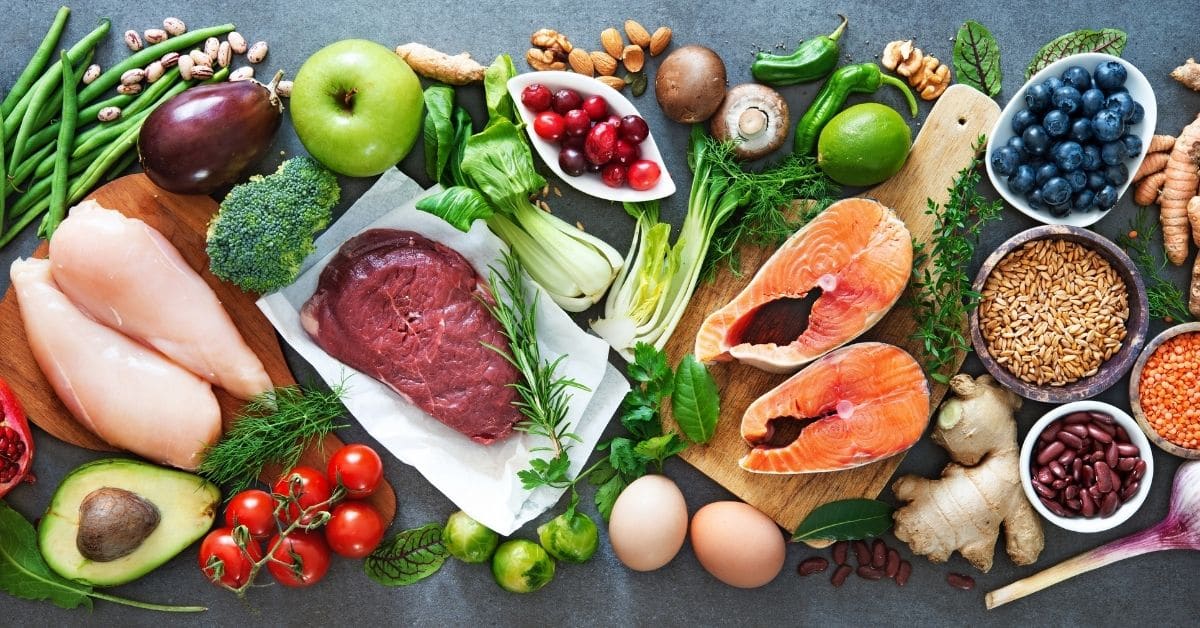
Polycystic ovarian syndrome (PCOS) is a condition that can benefit greatly from diet and lifestyle therapies. In this article we’ll discuss the best diet for PCOS, which should be part of a comprehensive treatment approach to this complex condition.

Often, once diagnosed with PCOS the initial treatment options include hormonal birth control, Metformin, and perhaps Spironolactone. While all of these can be beneficial for some women, they aren’t often enough in the management of PCOS symptoms. 

The Best Diet for PCOS

If you’ve taken to Google, you’ll find a long list of diets for PCOS. There are so many claims that individual diet plans are the cure to PCOS and aided in weight loss that it gets confusing.

Firstly, there is no cure for PCOS. You can put your symptoms into remission and manage it well, but at this time, we don’t have a cure for PCOS.

Secondly, it is important to recognize that PCOS can present differently and behave differently for each individual. What is true for one person may not be true for another.

That being said, there are some commonalities to approaching a diet that are universally true for all of us. As we discuss specific foods, just know that you may tolerate them in different portions than someone else or not at all. 

PCOS has a metabolic component and is not just about sex hormones. While testosterone is elevated, it is important to understand this is often due to the stimulation of the ovaries by insulin. Elevated levels of insulin cause the ovaries of those with PCOS to produce more testosterone.

What’s even more confusing is that your fasting glucose and hemoglobin A1C, both markers of blood sugar control, can be normal, but you can have spikes (even if transient) in insulin leading to hormone issues. This is why many diets for PCOS focus on blood sugar regulation and insulin control.

In addition, there is also an inflammatory aspect of PCOS that can lend itself to worsening of metabolic issues and increase the risk of cardiovascular disease. It is because of this that I recommend focusing on a diet that promotes lower inflammation levels in the body.

As we walk through this, please continue to ask, “is this true for me” as you read. 

In short, the best diet for PCOS is the one that:

  • Works for you
  • Doesn’t stress you out or create an unhealthy relationship with food
  • Feels sustainable 
  • Helps you achieve your goals—symptom management, weight loss, improved insulin, lower inflammation, better cardiometabolic markers, etc.

The Best Foods for PCOS

There are some simple considerations when thinking about the best and worst foods for PCOS: Focus on nutrient-dense foods. Eat lots of vegetables. Reduce or eliminate inflammatory foods and drinks. 

The Best Foods for PCOS Include:

  • Grass-fed meat and pasture-raised poultry
  • Cold Water Fish
  • Healthy fats
  • Fruits
  • Vegetables
  • Seeds and nuts 

Grass-Fed Meat and Pasture-Raised Poultry

Commercially-raised meat and poultry have a higher omega-6 to omega-3 ratio than grass-fed or pastured meats and poultry. Now, I know omega-6 fatty acids get a bad rap, but we do need them! However, most of us get way too many omega-6s and way too few omega-3s, which could lead to inflammation. 

Ideally, our diets should contain approximately one to four times more omega-6s than omega-3s. In grass-fed beef, the ratio is around 2:1. In commercially raised beef, the ratio is about 9:1. Since omega-6 fatty acids can be inflammatory in excess, eating conventionally raised meat can cause inflammation, which may exacerbate PCOS symptoms. 

If you’re going to eat meat, try to select the highest quality as often as possible. You may not have access to this readily, which may mean you want to focus on more plants in your diet.

Cold Water Fish 

Cold water fish like salmon are a great source of omega-3s. They’re also a great source of vitamin D (which many of us lack) and protein. Salmon is probably the best-known fatty fish, but others include mackerel, tuna, anchovies, sardines, and trout (to name just a few). 

Omega-3 fatty acids provide anti-inflammatory benefits and can aid in insulin sensitivity

In one animal study it was found that pairing omega-3 fatty acids with a low carbohydrate diet helped in the control of PCOS symptoms, including reducing testosterone.

Unfortunately, the larger fish (usually predators, like tuna) contain higher mercury levels. So eat them in moderation, or swap for smaller fish (like sardines), which are often lower in mercury. 

Another way to balance your omega-3 to omega-6 ratio is to take an omega-3 supplement. You can learn more about omega-3 fatty acids here

Healthy Fats

Fat has been demonized for several years, but human beings need healthy fats. Keep in mind that not all fats are created equal. Healthy fats include monounsaturated fats, polyunsaturated fats, and essential fatty acids. The fat you want to avoid at all costs? Trans fats. 

Fat helps with stabilizing blood sugar, keeping your feeling full longer, and may even aid in weight loss.

In one small study comparing low fat vs. high fat diets in women with PCOS it was found that after 8 weeks the higher fat diet resulted in great weight loss. The low fat diet resulted in a loss of lean body mass or muscle. It is important to note that this diet was not a ketogenic diet, as the high fat diet still had substantial calories coming from carbohydrates.

A few examples of healthy fats include:

  • Fatty fish
  • Nuts
  • Pastured meat
  • Seeds
  • Avocados and avocado oil (cold-pressed, unrefined)
  • Coconut oil (cold-pressed, unrefined)
  • Olive oil (cold-pressed, unrefined)
  • Ghee

Trans fats very rarely occur in nature, and if you want to avoid them, look for the word “hydrogenated” on labels. Fried foods at restaurants are also usually cooked in hydrogenated oils (such as vegetable oil and canola oil), so keep that in mind when eating out.

Fruit

Contrary to popular belief, fruit is not bad for PCOS. Fruits contain several vitamins, antioxidants, minerals, and fiber, all of which support better health. For women with PCOS that are working on optimizing insulin levels, it may be best to opt for fruit lower in sugar, such as berries. But trust that the occasional banana isn’t going to wreck your hormones.  

Vegetables

Filling your plate with plenty of vegetables is a great way to care for your gut and support estrogen metabolism. An ideal goal is six to nine servings of vegetables a day. I know that may sound like a lot of vegetables! But it doesn’t have to happen overnight.. 

I recommend starting where you’re at with daily vegetable servings and adding one additional serving a day each week. Overtime you should ideally be eating vegetables at each meal. And listen, you won’t be perfect every day and that’s totally ok.

I make it easy to incorporate more vegetables in this free meal plan and recipe guide.

Vegetables are vital sources of vitamins, minerals, antioxidants, and fiber. Fiber is essential for gut and hormone health. The ideal goal is to aim for 25 grams per day, which is about twice as much as the average person gets in the U.S.

Research has shown that fiber helps women with PCOS achieve a more ideal body composition (lean body mass and adiposity), as well as improved glucose metabolism. It may also help prevent the chronic illnesses associated with PCOS.

Because of the pattern of anovulatory cycles, women with PCOS often exhibit symptoms of estrogen excess in addition to high androgen symptoms. Vegetables, especially cruciferous like broccoli, cabbage, and kale, supply you with nutrients to support estrogen metabolism. In addition, the fiber they provide helps with the elimination of estrogen via the bowels

Seeds and Nuts

Nuts and seeds contain healthy fats, protein and minerals, which are great for an overall healthy diet. Nuts like cashews, sunflower seeds, and Brazil nuts provide zinc, which supports balanced testosterone levels.

Brazil nuts, almonds, and hazelnuts provide you with magnesium, which is an essential nutrient for PCOS. Studies have shown magnesium can improve blood sugar and insulin levels. In addition, low levels of magnesium are linked to diabetes and cardiovascular disease. Both are conditions women with PCOS are at higher risk for.

Looking for a way to incorporate more seeds into your diet and support your menstrual cycle? Check out our article on Seed Cycling for Hormone Balance.

Foods That Can Make PCOS Worse

We don’t do “bad” foods around here and yet, there are definitely foods that can aggravate PCOS symptoms and make the condition more difficult to manage. That doesn’t mean these foods are “bad,” it just means they might not work for you. The following list is of foods you want to be mindful of in your diet.

While I’m going to give you a list of foods to limit or avoid, I would highly encourage you to focus on foods to bring in that are beneficial for your health and less on what you’re cutting out.

Foods That Can Make PCOS Symptoms Worse Include:

  • Sugar
  • Grains
  • Dairy
  • Alcohol
  • Refined oils

Sugar

It may seem obvious that if you struggle with blood sugar dysregulation and insulin resistance that limiting sugar is wise. But for some women with PCOS, sugar can be a culprit in driving acne — a common symptom of PCOS.

When you eat sugar, your body secretes insulin. In an ideal setting insulin knocks on the cell’s door and sugar is invited in. But things get squirrely when you have insulin issues like insulin resistance or PCOS.

Insulin leads to increased oil and testosterone production. It can also lead to increased keratin production, which is a protein that blocks pores.

This is why eliminating sugar from your diet and then bringing it back in can be a good test for how it affects your skin. 

Does this mean if you have PCOS you can never eat sugar? No, not at all. But you do need to be mindful of how it impacts your skin, insulin, and testosterone levels.

In this complimentary meal plan and recipe guide I provide you tons of tasty recipes that will leave you satisfied without feeling deprived.

Grains

For women with PCOS, gluten or other grains can be problematic for their skin and metabolic health. Is this universally true for everyone with PCOS? No. And as I explain in Beyond the Pill, it is individualized, which is why cutting them out for about 21 days and bringing them back in to see how they affect you can be very telling.

Gluten can also reduce leptin binding by 50%, which is a hormone that tells you that you’re no longer hungry. Pretty important when it comes to weight regulation. This means gluten may lead to leptin resistance, which means your brain doesn’t get the signal to stop eating.

Some grains can trigger an inflammatory response in some people, and women with PCOS usually have varying levels of inflammation. Many of my PCOS patients in my practice have seen a big difference in their symptoms after limiting grains. 

While grains can provide nutrients like B vitamins and are an important source of fiber, they may not work for you or at least not all of them. Again, it’s all about what is true for you.

Dairy

Dairy can raise insulin like growth factor (IGF-1). This in turn leads to high insulin levels, which can stimulate the ovaries to produce more androgens. Those androgens can drive symptoms like cystic acne, oily skin, hair loss on the head, and hair growth on the chin or abdomen. It can also lead to anovulatory (lack of ovulation) cycles.  

A study showed that women who adopted a low dairy and low starch diet for eight weeks showed improvement in their PCOS symptoms, such as decreased weight and increased insulin sensitivity.

Alcohol

If you want to better support your hormones, limiting alcohol is a great step. Alcohol can affect our hormones and menstrual cycle, which is problematic enough without adding PCOS into the mix. 

Alcohol consumption is associated with an increased risk of fatty liver, cardiovascular disease, menstrual cycle irregularities, depression, and obesity—all of which women with PCOS can be at higher risk for.

One study showed a rise in estrogen levels after just one alcoholic beverage. If estrogen dominance is a problem for you, this is especially important to take note of. 

Refined Oils

Refined oils (such as vegetable oil, soybean oil, and canola oil), offer a disproportionate amount of omega-6 fatty acids compared to omega-3s. Since the majority of us do not get enough omega-3s, adding even more omega-6s is problematic. 

You’ll often find higher amounts of omega-6 promoting oils in processed foods. This is why focusing on a whole foods diet is an easy way to improve your omega-6 intake and support healthy levels of inflammation.

When Omega-6s are in excess, they can cause inflammation. Aim for cold-pressed, unrefined oils such as coconut, olive, and avocado oil. Keep in mind that some oils work better at high temperatures than others. 

What’s the Best Diet for PCOS?

The answer is about what is true for you and may take some trial and error to get there. I hope this outline helps guide you in making choices that help you discover what works best for you. 

And remember, even with the best diet and lifestyle practices, we sometimes require additional support from supplements or medication. You can read our Best Supplements for PCOS guide if you’re looking for more support in that area.

If you’ve got ovaries that ovulate, it is highly likely that you develop an ovarian cyst at sometime in your fertile years. You may not even notice the ovarian cyst symptoms or it may be very painful depending on the type and size of the cyst.

Each ovulatory cycle, an egg matures inside of a follicle. Then the follicle bursts open and the egg gets released. Next, either you become pregnant, or your period arrives. After that, the follicle forms the corpus luteum, which is a cluster of cells in the ovary that starts producing progesterone – although not everybody produces enough progesterone

Sometimes, parts of this process become problematic. For example, if the follicle doesn’t release the egg…The follicle grows and turns into a follicular cyst.

Or, a corpus luteum cyst forms because the follicle bursts open as it would every month, but then it fills with fluid and sticks around a little longer. 

When we’re talking about these two types of cysts, they can also be called simple or functional cysts. Two different names for the same condition.

Often, these cysts simply shrink and then disappear. They come and go and you don’t realize that they’ve even been hanging around in your ovaries.

Other times, these cysts become enlarged. This can cause pain and other complications. Sometimes, cysts rupture and can even damage the ovary.

What Are Ovarian Cysts?

Ovarian cysts are fluid-filled pouches that form in or on the ovary. They can range in size from less than 1cm to 10cm. In some cases, there are no ovarian cyst symptoms and in others there may be pelvic pressure or pain. 

What Are The Types Of Ovarian Cysts? 

Simple cysts aren’t the only kinds of ovarian cysts. There are also complex cysts. 

Complex cysts include endometriomas, cystadenomas, and dermoids.

Endometriomas

These are cysts that sometimes occur in women with endometriosis. This happens when tissue that is similar, although distinct, to the uterine lining  invades the ovaries. These are sometimes referred to as chocolate cysts.

Cystadenomas

These cysts are pockets of mucus, fluid, and ovarian tissue on the outside surface of the ovary. They are usually benign growths but they can get rather large.

Dermoid

Dermoid cysts, also known as teratomas, commonly occur in the ovaries. In fact, they are one of the most common kinds for women between 20 and 40 years old. These may contain ovarian germ cells and tissues like teeth, hair, or fat. While they may not sound benign, they are for the most part and are rarely cancerous.

While these complex cysts can and do cause problems for many women, in this article, I’ll be focusing on functional cysts.

Ovarian Cysts Symptoms and Signs

If you have a cyst that simply shrinks and fades away, you may never even know that it was there.

However, if your cyst is problematic, there are several symptoms you may experience: 

  • Pelvic pain (especially around ovulation)
  • Irregular cycles
  • Spotting mid-cycle
  • Lower back pain
  • Nausea
  • Vomiting
  • Fever
  • Abdominal bloating 
  • Feeling full or heavy
  • Painful bowel movements or urination (the cyst can put pressure on the bowel or bladder)
  • Lack of ovulation
  • Fertility struggles
  • Painful sex

If you’re experiencing any of these symptoms, and especially if they’re accompanied by sudden pain or fever, it’s important to contact your doctor right away.

Do Ovarian Cysts Hurt?

Most cysts won’t cause a bit of pain — you won’t even know they are there. But if they become enlarged, they most certainly can become painful. 

Many women complain of lower back pain, abdominal pain, and pelvic pain associated with ovarian cysts. Still, cysts aren’t always painful – even large cysts can go unnoticed. 

Can Ovarian Cysts Cause Bleeding?

Mid-cycle bleeding is a common symptom of ovarian cysts. But it can also be a normal indicator of ovulation, or a symptom of many other conditions. If you ever experience vaginal bleeding and you know it’s not time for your period, it’s important to contact your doctor to get checked out. 

Can Ovarian Cysts Cause Back Pain?

In my practice, I’ve seen many women experience a dull, aching lower back pain if they’re experiencing complications due to ovarian cysts. Some women describe hip and pelvic pain as well. Definitely consult with your physician if you’re experiencing pain and you’re not sure why. 

Can Ovarian Cysts Cause Bloating?

It might be difficult to distinguish garden variety bloating from bloating caused by an ovarian cyst, but if your bloating is accompanied by pain, discomfort, or bleeding it could be that a cyst is causing your problems. 

Can Ovarian Cysts Cause Weight Gain?

Sometimes, as ovarian cysts grow large, women feel like they are ‘gaining weight.’ This isn’t weight gain in the traditional sense. If you have a large cyst, you aren’t putting on body fat. You may experience bloating from the cyst and that can cause water weight to accumulate.

How Do You Know If An Ovarian Cyst Has Ruptured?

Ovarian cysts can rupture without your knowledge. Usually, though, most women will feel pain or discomfort if their cyst ruptures. Sometimes fever or chills accompany a rupture. Complications may arise if the cyst is infected or the weight of the cyst causes the ovary to twist, known as ovarian torsion. Definitely contact your medical professional if you suspect that your ovarian cyst has ruptured, or if you’re experiencing lower back or pelvic discomfort, with or without fever and chills.

How Are Ovarian Cysts Diagnosed?

Ovarian cysts can be tricky to diagnose, especially since many times they don’t cause overt symptoms.

Sometimes, your doctor might discover one during your annual pelvic exam. This can usually be confirmed with an ultrasound. If you have a corpus luteum cyst, you might actually produce a false positive pregnancy test, so doctors often use this method to arrive at a diagnosis. That said, a home pregnancy test alone isn’t enough to diagnose a cyst. Ovarian cysts are also common during pregnancy, so your provider will likely test you.

In postmenopausal women, CA 125 is often ordered to assess an ovarian cyst. CA 125 testing is sometimes ordered in cases of ovarian cysts that are large in premenopausal women. It is not enough on its own to diagnose ovarian cancer and may also be elevated in cases of endometriosis, fibroids, liver or kidney disease, and cases of heart failure.

Ovarian Cysts Vs PCOS

It may seem like polycystic ovarian syndrome (PCOS) is the same thing as ovarian cysts. But they are actually two different conditions with similar names. 

In women with PCOS, multiple follicles keep growing, which do not release eggs, and multiple cysts can form in the ovary. PCOS is considered a metabolic condition that is characterized by hormonal imbalances. 

Ovarian Cysts Vs Fibroids

Functional cysts are normally filled with fluid, while fibroids are typically denser. Fibroids occur on or in the uterus and cysts occur on or in the ovaries.  

Ovarian Cysts Vs Endometriosis

Endometriosis is a condition where tissue similar to the lining of the uterus abnormally grows outside of the uterus. Sometimes, if endometriosis affects an ovary, that ovary can fill with blood. This is called an endometrioma, or a complex ovarian cyst that’s filled with blood. They are also referred to as “chocolate cysts.” 

What Causes Ovarian Cysts?

There’s no one singular cause for problematic ovarian cysts.

Technically, they can start with ovulation, but we can’t really define that as a “cause” of the cysts becoming irregular. 

Some of the common reasons cysts develop include:

  • Pelvic infection: sometimes infections can travel to the ovaries, resulting in cysts
  • Endometriosis: complex cysts may develop as a result of endometriosis
  • Pregnancy: in early pregnancy, a cyst forms to help nurture the pregnancy while the placenta develops. It can stick around on the ovary for longer than it’s supposed to.
  • Estrogen dominance: the hormonal imbalances that result when estrogen levels are high or high in relation to levels of progesterone can cause cysts to develop.

Does the Mirena® IUD Cause Ovarian Cysts?

According to the package insert, 12% of women using Mirena® develop ovarian cysts. If you have a history of ovarian cysts and you’re considering an IUD, ask your doctor if there are concerns about exacerbating the problem.  

How Ovarian Cysts Are Treated

For the most part, ovarian cysts seem to resolve themselves. Especially if they are asymptomatic, they may just disappear and you’ll never even know they were there.

For this reason, many doctors take a “wait and watch” approach before resorting to any sort of invasive treatment for ovarian cysts. 

Often, your doctor will suggest pain medications like ibuprofen or non-steroidal anti-inflammatories (NSAID) as a treatment for the pain caused by ovarian cysts. If you have a cyst or suspect you might, get a thorough evaluation and your doctor can advise you on the best course of action.

How Are Ovarian Cysts Removed?

If an ovarian cyst is causing significant pain, is larger than 5 cm in diameter, or appears related to endometriosis, your doctor may recommend surgery to have the cyst removed. Your doctor may also suggest surgery if she suspects that it may be cancerous.

The typical surgeries performed to remove ovarian cysts include:

  • Laparoscopic cystectomy. This is where a small incision is made to remove the cyst with the assistance of a small camera.
  • Oophorectomy. This procedure is the removal of the ovary.
  • Hysterectomy. This is the removal of the uterus, ovaries, and possibly fallopian tubes. 

Hormonal Birth Control For Ovarian Cysts

It’s quite possible your doctor will recommend hormonal contraception to treat an ovarian cyst. The idea is that if ovulation is suppressed, cysts won’t form, right? 

Early formulations of the pill were associated with a lower rate of functional cysts, which many physicians took to mean it could treat ovarian cysts causing them to adopt this treatment practice in the 1970’s. While this approach has shown to be ineffective, it hasn’t really stopped physicians from using it as a treatment. Plus, it can’t shrink or affect an existing cyst in any way. And, keep in mind that birth control options (especially progestin-only options) do not necessarily stop ovulation from happening.

According to a 2014 Cochrane Review, there is no evidence that oral contraceptives cause the resolution of ovarian cysts any faster than what would happen naturally. “Therefore, birth control pills should not be used for this purpose. A better approach is to wait two to three months for the cysts to disappear on their own.” 

Plus, we know that the pill can possibly cause a whole host of other unpleasant hormonal side effects. Even if hormonal contraception seemed to work, once you quit taking the pill, your cysts are likely to return if you haven’t addressed the root cause,.

If you’re struggling with any pill-induced discomforts, I’d invite you to check out my best-selling book, Beyond the Pill. 

Understand that cysts that do not self resolve often require surgical intervention.

Natural Remedies For Ovarian Cysts

If you’re experiencing pain from an ovarian cyst, there are plenty of natural things you can do to help ease the pain. 

Some of my patients swear by taking Epsom salt baths or using a heating pad to help deal with the pain.

But what about getting to the root of the problem, the whole reason cysts are developing in the first place?

Since cysts can often be caused by an overabundance of estrogen, focusing on ways to support estrogen breakdown in the liver and excretion through the digestive system can help treat ovarian cysts.

Some of the things I recommend for women in my clinical practice:

Increase Your Plants

Vegetables and fruits are rich in antioxidants that support ovarian health. They also contain important vitamins and minerals for supporting hormone health. Aim to eat leafy green daily and cruciferous vegetables at least three times a week. Cruciferous vegetables contain nutrients that your body can convert into DIM, a molecule that supports estrogen metabolism.

You can grab my free meal plan and recipe guide to help you begin incorporating these into your diet today.

Targeted Supplements

  • Vitex (Chaste tree berry) supports progesterone production, which can help counter estrogen.
  • Green tea extract is a potent antioxidant, which may help protect ovarian health. In one PCOS rodent study green tea was shown to reduce the rate of cysts.
  • Diindolylmethane (DIM) supports estrogen metabolism and promotes 2-hydroxyestrone, a more favorable estrogen metabolite.

Balance Women’s Hormone Support is a formula that contains ingredients which may help harmonize hormones, and could help your liver process excess estrogen

Eat Your Fiber

I regularly encourage my patients to load up on vegetables for fiber. You need a healthy gut to get estrogen out and fiber can really help encourage frequent elimination, plus support a healthy microbiome.

High-quality Probiotics

Replenishing the gut with friendly microbes can lead to happy hormones. That’s because your gut is a crucial organ in helping you eliminate excess hormones. As it turns out, those gut bugs interact with your estrogen as what is known as the estrobolome. I recommend MegaSporeBiotic to my patients. 

Seed Cycling

This time-tested practice may encourage hormone balance by balancing beneficial estrogens with flax and pumpkin seeds in the first half of your cycle. Then in the second half of your cycle (after ovulation) you encourage progesterone with sesame and sunflower seeds. Check out my seed cycling article with all the details here.

Ovarian Cysts And Pregnancy

Ovarian cysts are common in early pregnancy. Because you’re getting so many ultrasounds during this time, you may be more likely to find cysts that you wouldn’t otherwise notice.

For the most part, they are nothing to worry about and will resolve on their own. But do bring up any concerns or symptoms to your OB/GYN. 

Can Ovarian Cysts Cause Infertility?

Most (about 4 in 5) ovarian cysts are asymptomatic and will simply disappear within a few months’ time. For the most part, functional cysts are considered unlikely to interfere with fertility.

On the other hand, endometriomas (cysts that are associated with endometriosis) can spawn fertility struggles. But, it’s not clear whether this is a direct result of the cyst itself, or if the underlying issues that caused the cyst are responsible for fertility problems.

Also, if surgery is required to remove a cyst, there is concern that it could interfere with future fertility. But research suggests that in women who undergo in-vitro fertilization (IVF) treatment, surgery to remove ovarian cysts doesn’t impact the chances of achieving pregnancy. 

There are minimally invasive options to remove non-cancerous cysts that shouldn’t affect the ovaries. Mention your family planning goals to your doctor when discussing treatment options.

Ovarian Cysts After Menopause

Up until this point, we’ve been primarily discussing ovarian cysts that develop in women of childbearing age, who are still ovulating.

But if ovarian cysts develop after menopause, it’s a slightly different circumstance. Since women who are post-menopausal don’t ovulate, the appearance of functional cysts will likely make your doctor want to investigate further. 

Post-menopausal cysts may be benign, but your doctor will likely want to run a few tests to determine what’s going on. Research indicates most simple post-menopausal ovarian cysts either resolve on their own or stay the same. 

In most cases, your doctor will want to perform both an ultrasound and CA 125 to screen for cancer before proceeding to a “watch and wait” stance.

Can Ovarian Cysts Be Cancerous?

Typically, ovarian cysts are not cancerous, but it can still be scary to hear the news that you have one. If your doctor is concerned that you possibly have a cancerous ovarian cyst, it’s likely that she will order bloodwork to determine your cancer antigen 125 (CA 125) levels. This blood test can help your physician understand the likelihood of ovarian cancer.

Certain factors put you at higher risk for developing ovarian cancer:

  • Family history of ovarian cancer 
  • Previous history of breast cancer
  • Previous history of gastrointestinal cancer

Support Your Hormones (And Ovaries) Naturally

Believe it or not, painless, easy menstruation is completely possible. PMS, bloating, acne, and even ovarian cysts can be a thing of the past…you just need a blueprint for success.

Which is what I’ve created for you in my Hormone Starter Kit to help you get started on the right path.

This completely free resource is absolutely packed with hormone education and even includes a complete 7-day meal plan. It’s literally everything you need to start down the path to hormonal harmony. Download your free copy here.

N-Acetylcysteine (NAC) has a list of health benefits longer than its name! While NAC might not be as well known as other nutrients I’ve discussed, it is definitely one worth getting on your radar. 

From detoxification, to brain health, to heart health, to fertility, NAC is a jack of all trades, and it’s a supplement I regularly recommend to my patients.

In this article, I’m going to be discussing 14 benefits of NAC (N-Acetylcysteine)

  1. Boosts Glutathione Production – A Powerful Antioxidant 
  2. May Improve Fertility in Both Men and Women  
  3. Prevents Oxidative Damage and Inflammation
  4. May Improve Symptoms of PCOS
  5. May Help to Stabilize Blood Sugar
  6. Supports a Healthy Microbiome
  7. Reduces Respiratory Symptoms in Chronic Lung Disease (like COPD)
  8. May Enhance Immune Function by Increasing Glutathione and Modulating Inflammation
  9. May Reduce Inflammation and Symptoms Related to Influenza and Viral Illness
  10. May Help Autoimmunity by Reducing Inflammation
  11. NAC Supports Detoxification and Protects Your Kidneys and Liver
  12. May Reduce Psychiatric and Addictive Disorders
  13. May Improve Brain Health
  14. NAC May Help Prevent Heart Disease

What Is N-acetylcysteine (NAC)?

N-Acetylcysteine is the supplement form of Cysteine, an amino acid. Amino acids form the building blocks of proteins in the body. Cysteine is also important for the production of glutathione (the body’s most powerful antioxidant). 

14 NAC Benefits

When thinking about this article, I started by wanting to explore the top five benefits of NAC. I quickly realized eight wasn’t enough, so I increased it to eight…then 10…before finally landing on 13. 

NAC is just one of those sneaky dark horse nutrients that is much more useful than we think.

1. NAC is Needed to Make Glutathione (a powerful antioxidant)

NAC helps your body create intracellular glutathione. Glutathione is our body’s antioxidant powerhouse. Antioxidants protect our cells from free radical damage. Free radicals As I explain in this article about vitamin C, our immune system creates free radicals to defend against viruses, bacteria, and other pathogens.  

How Does NAC Help Your Body Make Glutathione?

Glutathione is made up of three amino acids: L-cysteine, L-glutamate, and glycine. NAC provides the L-cysteine component that enables your body to make glutathione. Glutathione is vital for many functions, like DNA synthesis, helping certain enzymes, supporting the immune system, and more.  

Bottom line: We need glutathione. And NAC, as one of its building blocks, is therefore very important as well.

2. May Improve Fertility in Women (and Men!)

Because of its ability to support antioxidants in the body, NAC has the potential to help with fertility in both women and men. Antioxidants help protect both egg and sperm.

NAC for Female Infertility

In a case controlled study of women struggling with unexplained infertility and undergoing intrauterine insemination, it was shown that women given 1,200 mg NAC had a higher number of follicles, as well as a higher pregnancy rate. 

Continue reading because I’ll share more about fertility in the PCOS section.

NAC and Male Infertility 

Men with fertility issues have higher levels of semen reactive oxygen species (a form of oxidative damage) than fertile men. This can cause sperm damage and dysfunction. In a study of 50 infertile men, who were given 600 mg NAC for 3 months, it was shown that the men’s sperm count and motility increased. Abnormal structures and DNA fragmentation decreased. It was therefore concluded that oral NAC supplementation may improve sperm quality, as well as help with the balance between oxidative stress and antioxidants in men with fertility problems.

In another study with 35 infertile men with a varicocele, the participant underwent surgery to correct the varicocele and supplemented with 600 mg NAC for 3 months. The study found a 22% increase in pregnancy rates and improved sperm quality.  

3. NAC Supplementation for Polycystic Ovarian Syndrome

NAC has been shown in several studies to have benefits in the management of PCOS. We understand that PCOS symptoms can include irregular cycles, weight gain, hair loss on the scalp, hair growth on the face and torso, and infertility. 

In a trial involving 100 women with PCOS, NAC was compared to Metformin, a blood sugar specific drug commonly prescribed in PCOS. In this trial women were given 600 mg of NAC to be taken three times a day or 500 mg metformin three times daily. What they found was that both treatments significantly reduced menstrual irregularities, free testosterone, and hirsutism.

The study showed that NAC helped to decrease:

  • BMI
  • Hirsutism (meaning there was less hair on the face, chest, and abdomen—a common complaint of women with PCOS)
  • Fasting insulin (there was better blood sugar balance)
  • Free testosterone (unusually high levels of testosterone can lead to acne, oily skin, and hair loss)
  • Menstrual irregularities
  • Total and LDL cholesterol (Metformin only led to a decrease in total cholesterol)

The study concluded that NAC was useful in the treatment of PCOS. 

In my clinical practice, I’ve had patients experience the same benefits while taking 900 mg twice daily. This reducing the risk of missed dosages and I’ve have better patient compliance with it.

In another study, it was found that NAC supplementation improved pregnancy and ovulation rates in women with PCOS. 

4. May Stabilize Blood Sugar

A study of high-fat diet-fed mice (who are glucose intolerant and insulin resistant because of their diet) was conducted. These mice presented with elevated fasting glucose levels, as well as impaired glucose disposal.  

After being given NAC at specific doses, NAC improved both glucose tolerance and insulin sensitivity. 

In human clinical trials NAC has been studied as a short-term (2 week intervention) with no benefit to blood sugar. It’s important to note that the majority of studies showing benefit of NAC have had participants supplementing for longer periods of time (generally around 3 months). So it may be that while no benefit is seen after 2 weeks, there may be benefits with a longer duration of use.

Other studies have noted that with regards to PCOS, NAC may be beneficial in supporting healthy insulin levels. Insulin is the hormone that helps glucose (blood sugar) enter the cell.

5. Prevents Oxidative Damage and Inflammation

Because NAC is important for the production of glutathione, a powerful antioxidant, it is also important in helping to prevent oxidative stress and inflammation. “Oxidative stress” is a term that gets thrown around a lot, but what is it, exactly?

Oxidative stress refers to an imbalance between the harmful free radicals and helpful antioxidants in the body. When there are too many free radicals in relation to antioxidants, oxidative damage and inflammation can occur. That’s why it’s important for us to have as much support for our antioxidants as possible. 

6. Supports a Healthy Microbiome

Your gut is where the majority of your immune system resides. So to have a healthy immune system, we need to have a healthy gut. In fact, to be healthy at all we need to have a healthy gut. After all, you are what you eat, digest, and absorb.

As I explain in Beyond the Pill, it is also a key player in hormone balance and can be impacted by the pill, leading to dysbiosis. 

But as we’ll explore in this section, your gut isn’t the only place NAC may be of benefit.

Gut Microbiome

Prevotella, as well as other organisms are known to create biofilms to protect themselves from the body’s immune system and antibiotic therapy. Healthy levels of Lactobacillus brevis can help lower the biofilm defense in order for the immune system to naturally eradicate unhealthy overgrowth of these organisms. However, when overgrowth of normal flora occurs (commonly referred to as dysbiosis), there may not be sufficient Lactobacilli available to inhibit biofilm production. 

This is where NAC can be of benefit!

It is a known biofilm disruptor that can be used alongside antibiotics or antimicrobial herbs in treating the gut. Clinically, I have found great benefit from using NAC alongside an antimicrobial prescription in order to eradicate unhealthy levels of bacteria. 

In a systematic review it was stated, “NAC, in combination with different antibiotics, significantly promoted their permeability to the deepest layers of the biofilm, overcoming the problem of the resistance to the classic antibacterial therapeutic approach.”

Or in other words, NAC helps the medication get to the organisms in order to elicit its effect. 

The study went on to state that because NAC is effective and safe, NAC should be considered for more widespread clinical use.

Biofilm disruptors, like NAC, can also be useful in the treatment of Small Intestinal Bacterial Overgrowth or SIBO.

Biofilms can be present in the gut, vagina, mouth, and in the respiratory tract. 

Respiratory Tract Microbiome

Biofilms have been cited as being associated with recurrent respiratory infections. 

In fact, Prevotella (as the example we are using here) is one of the more predominant organisms in the respiratory tract. Interestingly, some studies have shown however, that this not the case in those who suffer from asthma. 

Keep reading because I’m going to share some more respiratory specific benefits with regards to NAC.

Oral Microbiome

In the Journal of Microbial Physiology and Biochemistry it was stated that NAC has been shown to decrease inflammation in gum tissue and has the potential to disrupt biofilms, as well as elicit and antimicrobial effect. 

More research is needed, specifically clinical trials, to understand how NAC can best be utilized as part of dental care.

7. Reduces Respiratory Symptoms in Chronic Lung Disease (like COPD)

COPD is a common lung disease resulting from chronic airflow obstruction and inflammation. While it isn’t a reversible disease, it is preventable (a major way to help prevent it is to not smoke) and treatable. When administered orally at 1200-1800 mg/day, NAC decreased COPD exacerbations. 

Oxidative stress and free radicals play a role in COPD, which makes anti-inflammatory substances and antioxidants a logical choice for helping to treat and manage the condition. NAC has been shown to reduce COPD and chronic bronchitis flares. 

In a 2016 review in the Journal of Respiratory Medicine it was concluded that NAC either alone or with antibiotics can decrease the risk of increased symptoms or worsening of conditions such as COPD, chronic bronchitis, and rhinosinusitis.   

As with most studies regarding NAC, there is a dose dependent effect. Or in other words, if you aren’t taking enough and doing it consistently then you’re unlikely to see a benefit.

NAC is also a common prescription to be used with a nebulizer (drug is acetylcysteine) for those with COPD. This is because it also helps with the clearance of mucus from the lungs.

8. May Enhance Immune Function by Increasing Glutathione and Modulating Inflammation

As explained in the article on Vitamin C, immune cells product reactive oxygen species are part of immune defense. Unfortunately, this can also harm the very immune cells trying to defend you. 

Improved Immune Function as We Age

As we age, immune function declines, which is in part due to oxidative damage and inflammation.

In a small study assassing the benefits of 600 mg/day of NAC in supporting postmenopausal women’s immune health it was concluded that:

“The present finding suggest that a short period of NAC supply (i.e., 2-4 months) at the dose used may lead to prolonged strengthening of immune defense in postmenopausal women, likely by increasing the leukocyte glutathione pool. Thus, NAC could contribute to maintenance of good health and quality of life in postmenopausal women by decreasing the probability of immune system-related diseases, such as infections, in aging.” 

These conclusions were drawn because NAC supplementation led to the test group’s studied immune system parameters becoming closer to that of the control group (young, healthy females). It was concluded that NAC might exert a modulating effect on the immune system, helping it to find balance. 

Immune Function in HIV Patients

Research has shown improved immune function in those supplementing with NAC. In the research, many studies have focused on human immunodeficiency virus (HIV). 

In one study it was stated: 

“Two randomized placebo-controlled trials have shown that treatment of HIV-infected patients with N-acetyl-cysteine caused in both cases a significant increase in all immunological functions under test, including an almost complete restoration of natural killer cell activity.” 

9. NAC in Influenza and Viral Illness

In cell models, NAC has been shown to inhibit replication of RNA viruses like the kind responsible for influenza A, B and RSV. It has also been shown in both cell models and human studies to inhibit inflammatory molecules. 

Because of its ability to support healthy immune function, antioxidant status and support the body in modulating inflammation, NAC is an important consideration in the treatment of viral illness. 

In a randomized placebo-controlled study of 262 elderly individuals without any pre-existing respiratory illness receiving 600 mg/day NAC for 6 months, it was found that the group taking NAC experienced a significant decrease in frequency of influenza-like episodes, length of time confined to a bed, and a reduction in severity of symptoms. 

What may be most compelling about this study is that they found that in those using NAC, only 25% of those infected developed symptoms. In the placebo group (those not taking NAC), 79% developed symptoms. While this study does show promise, it is important to note it has not been replicated, which is important in determining the efficacy of this treatment. 

More human trials are needed to understand the potential of NAC in this capacity and examine the synergistic effect of NAC alongside pharmaceutical treatment. Some studies have shown that NAC’s effectiveness is strain dependent, which means while it may help with inflammation, immune system modulation, and mucus breakdown, it may not elicit a direct effect on viral replication in all cases. Remember to always talk with your doctor before beginning new supplements. 

10. NAC for Autoimmune Disease

Many autoimmune diseases (e.g. Hashimoto’s, multiple sclerosis, inflammatory bowel disease, etc.) stem from inflammation in the body. Often, finding ways to reduce the inflammation (such as eating more vegetables, eliminating or reducing refined sugar, and limiting intake of vegetable oil) can have positive outcomes for those who suffer with autoimmune diseases. 

Supplementation can also be helpful. And that’s where NAC comes in. As a precursor to glutathione that helps to reduce inflammation, it is a great choice for those with autoimmune conditions who want to support their health. 

Additionally, NAC was shown in a study to inhibit inflammatory cytokines, making it a potential treatment for Th1-mediated autoimmune diseases. 

Remember, autoimmunity is complex, which is why it generally requires a holistic approach, which sometimes also includes pharmaceuticals. 

11. NAC Supports Detoxification and Protects Your Kidneys and Liver

There has been a significant amount of research into the efficacy of NAC in helping with detoxification. NAC is protective of both the kidneys and liver.

Acetaminophen (commonly recognized as Tylenol) toxicity is the common cause of medication-induced hepatotoxicity. NAC is the antidote given in cases of acetaminophen toxicity

Hepatotoxicity refers to damage to the liver caused by medications, supplements, or chemicals. NAC has been used for years as a counter-poison for acetaminophen toxicity. If a person is administered NAC within eight hours of acetaminophen overdose, their chances of recovery are great, and the danger to their liver is minimal.

Acetaminophen metabolism produces a toxin known as N-acetyl-pbenzoquinonimine, which rapidly depletes the body’s glutathione. NAC is thought to be hepatoprotective due to its antioxidant properties, is known to replenish glutathione, and can directly aid the body in metabolising N-acetyl-pbenzoquinonimine. 

You know what else depletes glutathione? Alcohol. Which is why popping a Tylenol after a night of binge drinking can be a big disaster for some people. 

As I explain in Beyond the Pill, NAC is important for phase 2 liver detoxification, which is a crucial step in neutralizing potential toxins created during phase 1 detoxification. Yes, your body sometimes makes toxic intermediates during this process, which is why phase 2 is so important.

Another example of how NAC can help with detoxification is in dentistry. Poly-methyl methacrylate (PMMA) resin is one of the most commonly used materials in dental practices (e.g. to make dentures). However, it has been shown to be a cytotoxin, meaning that it can result in cell damage or cell death. In a study of the dental pulp cells of rats, the addition of NAC to the PMMA resin helped improve the cytotoxicity to the dental pulp cells. 

12. May Reduce Psychiatric and Addictive Disorders

Research has shown that NAC has the potential to help with the treatment of psychiatric and addictive disorders, such as nicotine addiction, OCD, trichotillomania (TTM: the compulsion to pull out body hair), schizophrenia, bipolar disorder, and more. 

Reduction of Trichotillomania Symptoms

In a double-blind, placebo-controlled trial of NAC for the treatment of TTM, 50 people were given 1,200 mg of NAC or a placebo for six weeks, followed by another six weeks of 2,400 mg of NAC or a placebo. Half the people were also taking medication at the time, and a few were undergoing psychotherapy. It was found that NAC decreased the symptoms of TTM. 

NAC for Schizophrenia

It has been found that, in people with schizophrenia, there is dysfunctional glutamate metabolism, as well as decreased levels of glutamate in the prefrontal cortex. Additionally, there is evidence showing that individuals with schizophrenia have oxidative stress. NAC might be helpful in the treatment of schizophrenia because it can decrease oxidative stress, as well as alleviate glutamatergic dysfunction. 

NAC for OCD, Bipolar, and Depression

There have been studies showing benefits of using NAC in moderate to severe OCD. In one randomized, double-blind, placebo-controlled trial NAC was used in addition to fluvoxamine, a common SSRI, in one treatment group. The other group received fluvoxamine and placebo. The group receiving NAC in addition to their medication experienced more improvement in symptoms compared to the placebo group.

NAC has also been found to decrease symptoms of depression and bipolar disorder. In one analysis, it was found that NAC reduced depressive symptoms and resulted in an overall increase in functionality. 

While NAC does show promise in supporting mental health, you should not use NAC to replace your medication or make changes to your regimen without talking to your doctor.

13. May Improve Brain Health

NAC has been shown to ameliorate the symptoms of Alzheimer’s Disease and Parkinson’s Disease, two diseases that affect the brain (as well as other systems in the body). 

NAC for Alzheimer’s Disease

In Alzheimer’s Disease, mitochondrial dysfunction, metal accumulation, and inflammation all play a role…as well as oxidative damage. Different studies have shown that lipoic acid and NAC decreased levels of oxidative damage, while also helping to protect mitochondrial function. 

Because lipoic acid and NAC can act on our mitochondria, they have a lot of potential in the treatment of Alzheimer’s. Mitochondria are a huge source of oxidative stress in neurodegeneration, so protecting them is key. 

NAC for Parkinson’s Disease

Parkinson’s Disease is also caused by deterioration of neurons in the brain and nervous system. It has been found that most patients with Parkinson’s have oxidative damage. In animal models, treatment with NAC has led to improvements in: increased levels of glutathione in the brain, reduction of oxidative damage, and increased brain mitochondrial activities.  

14. NAC May Help Prevent Heart Disease

Oxidative damage can destroy heart tissue and lead to head attack, stroke, and other cardiovascular issues.

Because NAC is helpful in reducing oxidative stress, it can be useful in preventing oxidative damage to tissues of the heart. This gives it great potential to help in the treatment and prevention of heart disease. 

NAC also improves blood flow and circulation by increasing nitric oxide production and acting as an anti-aggregate. An anti-aggregate prevents platelets from clumping together to form a clot in your blood vessels. 

As stated in the PCOS section of this article, NAC has also been shown to have benefits on healthy cholesterol levels. 

N-Acetylcysteine (NAC) Prescriptions and Supplements

As a nebulized medication, your doctor may prescribe a 10% or 20% solution of Acetylcysteine to be used 3-4 times daily. 

For acetaminophen overdose, NAC is administered in a hospital setting via IV.

Cetylev was a prescription effervescent NAC that was recently discontinued in early 2020. The good news is that NAC is easily found over the counter as a dietary supplement. 

In my practice we use N-Acetyl Cysteine supplement, which contains 900 mg of NAC.

NAC Supplementation

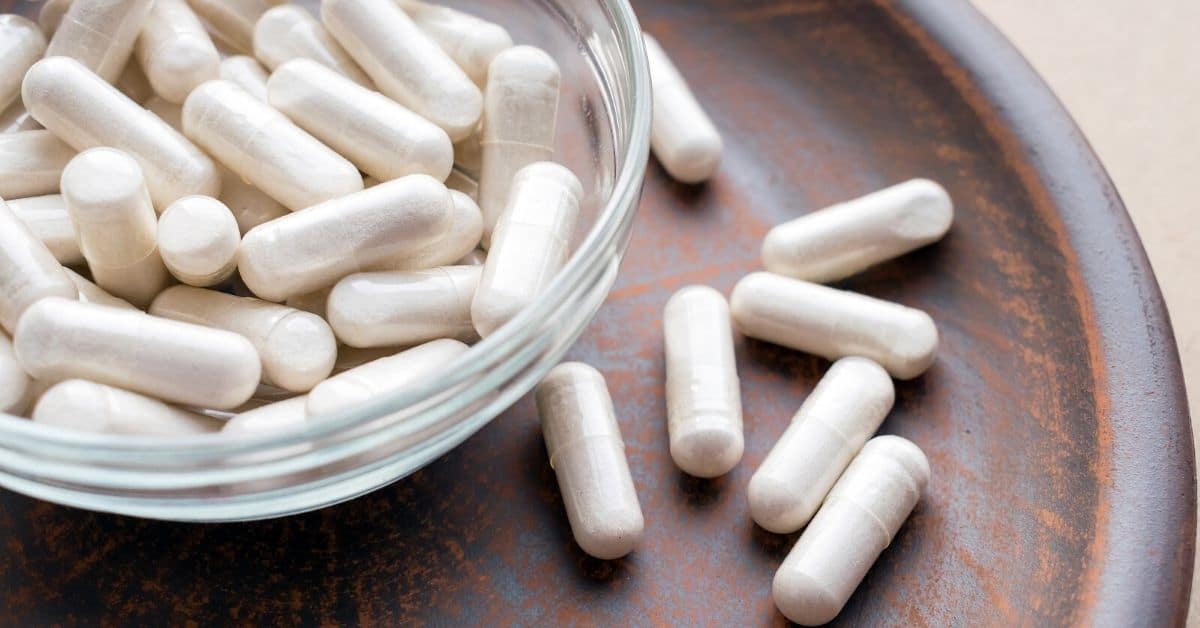
If you feel you could benefit from NAC, I recommend trying our N-Acetylcysteine. Most people do best with one capsule 1-2 times daily.

Remember, as discussed in this article, most benefits are achieved after several months of consistently taking NAC.

It’s important to note that NAC does have an odor. So if you get a bottle and it smells “off” then know this isn’t that the NAC has gone bad…it just smells bad to some people.

How Much NAC?

As discussed above, studies have shown that NAC benefits are dose dependent and require consistency over a period of time. Studies where NAC has been used for only a few weeks showed little benefit, whereas other studies have shown that NAC needs to be taken for at least a 3 month period of time to experience beneficial effects.

The vast majority of studies have used oral NAC supplementation

To summarize some of what has been been shown in the studies cited in this article:

  • Female fertility 1,200 mg/day
  • Male fertility 600 mg/day
  • COPD and respiratory support 1200-1800 mg/day
  • PCOS 600-1200 mg/day
  • Blood sugar support 600 mg/day
  • Viral illness 600 mg/day
  • Immune function post-menopause 600 mg/day

It’s important to note that some of these studies used NAC along with other treatments. Be sure to talk to your doctor about using NAC in your protocol.

I want to be clear here that I am not implying NAC be used as a pharmaceutical or to replace a pharmaceutical. NAC is FDA approved for the treatment of hepatotoxicity due to acetaminophen. 

NAC Side Effects 

For most people, oral NAC is safe and without side effects and is an is an FDA-approved supplement.

If you take it orally without food then you’re likely going to experience heartburn and digestive upset. Trust me, I have made this mistake. Some people may also experience nausea and vomiting, so it is best to take with food.

If you have a peptic ulcer then it is not recommended that you take NAC.

Medication Interactions

If you’re taking a blood thinning agent, anti-cancer drug, nitroglycerin, or metoclopramide then it is best to talk with your doctor before you begin this supplement as it can interact with these medications.

Inhaled NAC

When inhaled, it can increase bronchial secretions. So, you may need to cough, do postural procedures, and aid your body in eliminating phlegm. Some people do experience chest tightness. Be sure to talk to your doctor if you have any uncomfortable symptoms.  

IV NAC

Most side effects come from IV administration and can result in flushing and itching of the skin. Remember, if it is given IV this is because the liver is in big trouble. 

NAC in Summary

Can help support your body in dampening inflammation, immune system modulation, improving antioxidant status, and reducing addictions.

Remember, many studies also included pharmaceutical interventions alongside NAC, so be sure to check with your doctor about what treatment is best for you

Additional Citations

Mokhtari V M.Sc, Afsharia P Ph.D, et al. A Review on Various Uses of N-Acetyl Cysteine. Cell Journal. 2017 Apr-Jun; 19(1): 11–17. doi:10.22074/cellj.2016.4872

Yamada M, Kojima N, Paranjpe A, et al. N-acetyl Cysteine (NAC)-assisted Detoxification of PMMA Resin. Journal of Dental Research. 2008;87(4):372-377. doi:10.1177/154405910808700417

Whillier S, Raftos JE, Chapman B, Kuchel PW. Role of N-acetylcysteine and cystine in glutathione synthesis in human erythrocytes. Redox Report. 2009;14(3):115-124. doi:10.1179/135100009×392539

Sanguinetti CM. N-acetylcysteine in COPD: why, how, and when? Multidisciplinary Respiratory Medicine. 2015;11(1). doi:10.1186/s40248-016-0039-2

Dean O, Giorlando F, Berk M. N-acetylcysteine in psychiatry: current therapeutic evidence and potential mechanisms of action. Journal of Psychiatry & Neuroscience. 2011;36(2):78-86. doi:10.1503/jpn.100057

Betteridge DJ. What is oxidative stress? Metabolism. 2000;49(2):3-8. doi:10.1016/s0026-0495(00)80077-3

Oner G, Muderris II. Clinical, endocrine and metabolic effects of metformin vs N-acetyl-cysteine in women with polycystic ovary syndrome. European Journal of Obstetrics & Gynecology and Reproductive Biology. 2011;159(1):127-131. doi:10.1016/j.ejogrb.2011.07.005

Thakker D, Raval A, Patel I, Walia R. N-Acetylcysteine for Polycystic Ovary Syndrome: A Systematic Review and Meta-Analysis of Randomized Controlled Clinical Trials. Obstetrics and Gynecology International. 2015;2015:1-13. doi:10.1155/2015/817849

Bedaiwy M, Inany ARA, Falcone T. N-acetylcysteine improves pregnancy rate in long standing unexplained infertility: A novel mechanism of ovulation induction. Fertility and Sterility. 2004;82. doi:10.1016/j.fertnstert.2004.07.604

Jannatifar R, Parivar K, Roodbari NH, Nasr-Esfahani MH. Effects of N-acetyl-cysteine supplementation on sperm quality, chromatin integrity and level of oxidative stress in infertile men. Reproductive Biology and Endocrinology. 2019;17(1). doi:10.1186/s12958-019-0468-9

Falach-Malik A, Rozenfeld, H, et al. N-Acetyl-L-Cysteine inhibits the development of glucose intolerance and hepatic steatosis in diabetes-prone mice. American Journal of Translational Research. 2016; 8(9): 3744–3756.

Liu C, Lu X-Z, Shen M-Z, et al. N-Acetyl Cysteine improves the diabetic cardiac function: possible role of fibrosis inhibition. BMC Cardiovascular Disorders. 2015;15(1). doi:10.1186/s12872-015-0076-3

Arranz L, Fernandez C, Rodriguez A, Ribera J, Delafuente M. The glutathione precursor N-acetylcysteine improves immune function in postmenopausal women. Free Radical Biology and Medicine. 2008;45(9):1252-1262. doi:10.1016/j.freeradbiomed.2008.07.014

Stanislaus R, Gilg AG, Singh AK, Singh I. N-acetyl-L-cysteine ameliorates the inflammatory disease process in experimental autoimmune encephalomyelitis in Lewis rats. Journal of Autoimmune Diseases. 2005;2(1):4. doi:10.1186/1740-2557-2-4

The Best Diet for PCOS

Polycystic ovarian syndrome (PCOS) is a condition that can benefit greatly from diet and lifestyle therapies. In this article we’ll discuss the best diet for

Read More »