##Maecenas sed diam eget risus varius blandit sit amet non magna. Vivamus sagittis lacus vel augue laoreet rutrum faucibus dolor auctor. Donec id elit non mi porta gravida at eget metus. Etiam porta sem malesuada magna mollis euismod. Vivamus sagittis lacus vel augue laoreet rutrum faucibus dolor auctor. Cras mattis consectetur purus sit amet fermentum. Duis mollis, est non commodo luctus, nisi erat porttitor ligula, eget lacinia odio sem nec elit. Curabitur blandit tempus porttitor. Donec ullamcorper nulla non metus auctor fringilla. Nullam quis risus eget urna mollis ornare vel eu leo. Maecenas faucibus mollis interdum. Cras justo odio, dapibus ac facilisis in, egestas eget quam. Maecenas sed diam eget risus varius blandit sit amet non magna. Curabitur blandit tempus porttitor. Donec ullamcorper nulla non metus auctor fringilla. Nullam quis risus eget urna mollis ornare vel eu leo. Maecenas faucibus mollis interdum. Cras justo odio, dapibus ac facilisis in, egestas eget quam. Maecenas sed diam eget risus varius blandit sit amet non magna.
Estrogen is probably the most talked-about hormone in the female health world. It takes the blame for everything from acne to mood swings, but it also has an important job to do, especially during pregnancy. Throughout one pregnancy, a woman can produce more estrogen than she will over the rest of her life. This powerhouse hormone is essential in preparing her body to support a new life.
Whether you’re pregnant, planning for pregnancy, or just curious, let’s explore the many roles and changes of estrogen levels during pregnancy.
What Does Estrogen Do During Pregnancy?
During pregnancy, estrogen has many key effects. It helps develop the placenta and the network needed to bring nutrients and waste to and from the growing baby. For the fetus itself, maternal estrogen triggers the development of organs like the lungs, liver, and endocrine glands.
In the mother’s body, increased estrogen levels help expand the uterus, maintain the uterine lining, and increase blood flow and vascularization (the formation of new blood vessels) in the uterus and placenta.
Elevated estrogen also suppresses follicular stimulating hormone (FSH) and luteinizing hormone (LH), preventing ovulation during the pregnancy.
Further into pregnancy, estrogen also promotes the production of milk and the growth of breast tissue, and prepares the body for birth and breastfeeding.
These elevated estrogen levels can have other effects as well. Hyperpigmented skin (usually temporary), and a stuffy nose during pregnancy are both estrogen-linked complaints. Because it triggers increased blood volume, estrogen can also add to spider veins, swelling, nausea, tender breasts, and more frequent trips to the bathroom (you know, in addition to the growing baby tap dancing on top of your bladder).
Mask of Pregnancy – Melasma
Melasma, also called the “mask of pregnancy,” may be linked to estrogen, other hormones or potentially folate metabolism in pregnancy. Patches of light to dark brown skin can show up on the forehead, cheeks, chin, or anywhere on the face. Melasma is very common in pregnancy and in many cases it can resolve or reduce on its own following birth. Avoiding sun exposure and using sunscreen can help prevent the darkening of skin from worsening.
Estrogen is also responsible for the darkening of your areolas, nipples, and other areas of your body.
Blotchy Skin?
Estrogen can be the reason your skin looks red and splotchy or you have patches of red dry skin.It causes an increase in blood flow and circulation which may be why you’re seeing more redness on your skin.
On the bright (radiant, in fact) side, many women experience a “pregnancy glow,” thanks to that increase in estrogen and blood flow to the skin.
Does Estrogen Maintain Pregnancy?
Estrogen works together with several different hormones to maintain a pregnancy, and estrogen is vital for a full, healthy term. Estrogen helps the uterus grow to accommodate the growing baby and maintains a well-functioning uterine lining and placenta. Estrogen plays a role in regulating other essential pregnancy hormones and in developing fetal organs.
How Is Estrogen Produced During Pregnancy?
A number of different tissues produce estrogen in the female (and male!) bodies, but estrogen in females is primarily produced by the corpus luteum in the ovaries. During pregnancy, however, the placenta mostly takes over, causing a steep increase in estrogen production. The primary form of estrogen in an ovulating woman is estradiol, while the placenta produces a form of estrogen called estriol.
Interestingly, estrogen formation is a team effort! Unlike the corpus luteum, the placenta is unable to convert cholesterol into estrogen. Instead, it uses an estrogen precursor produced by the fetus.
Estrogen Levels During Pregnancy Week By Week
Estrogen levels can vary widely during pregnancy and still be within a “normal” healthy range. The big takeaway is that estrogen will be much higher during pregnancy! During the third trimester, a mother’s estrogen can reach over 6000 pg/mL. To put these values into perspective, the “hormonal rollercoaster” of a typical menstrual cycle only fluctuates between about 30-400 pg/mL!
Trimester 1
Trimester 2
Trimester 3
188-2497 pg/mL
1278-7192 pg/mL
3460-6137 pg/mL
Trimester 1
Estrogen levels climb fast during the first trimester, and this rapid increase can make for an uncomfortable ride. “Morning sickness” is the period of nausea, vomiting, or sensitivity to smells and tastes that commonly strikes in early pregnancy. These effects are likely due to the sudden increase in hormones like estrogen, progesterone, and human chorionic gonadotropin (hCG). Pro-tip, herbs such as ginger tea works wonders here!
During this period, the placenta takes over as the primary estrogen production source, as the corpus luteum begins to degenerate.
Trimester 2
During the second trimester, estrogen helps the mother prepare for breastfeeding. This includes enlarging the breasts and developing milk ducts. Estrogen is also triggering the development of hormones in the baby’s body, including cortisol. While we might associate cortisol with stress in our bodies, it is crucial to help the fetus develop its lungs, liver, and other organs.
Trimester 3
Estrogen levels keep on climbing throughout pregnancy, peaking in the 3rd trimester. This is when many mommas can experience extra water retention and swelling, thanks in part to all that excess hormone. Closer to delivery, estrogen is responsible for changes in the uterus and cervix that prepare them for contractions, dilation, and birth.
If you notice excess fluid retention or swelling, try these tips and always communicate with your provider:
Increase foods rich in potassium like potatoes, avocados, acorn squash and spinach.
Avoid standing or sitting for long periods.
Avoid caffeine.
Rest often.
How Is Estrogen Testing Done?
Estriol (E3) is the main estrogen in pregnancy. During pregnancy, a doctor can use blood samples to monitor estriol levels, along with hCG levels, and alpha-fetoprotein. This test is usually performed around weeks 15-20 and can help identify risks for down’s syndrome or other congenital disabilities. Doctors can also monitor estrogen levels through urine or saliva samples.
It’s important to remember that healthy estrogen levels vary widely across pregnancy, so don’t stress out over fluctuations. Your doctor will know when to take action. And for the most part, this isn’t a test that needs to be performed as part of a healthy pregnancy.
What Happens If Estrogen Levels Are Low During Pregnancy?
Low estrogen levels are linked to lower fertility, increased risk of miscarriage and a woman with below-normal estrogen may have difficulty becoming pregnant. If you suspect hormones are slowing down your plans for pregnancy, grab the free 7-day Meal Plan to give your hormones what they need to find balance.
During pregnancy, however, low estrogen is less common. Remember– there is a wide range of tolerance for “healthy” levels!
Abnormally low estrogen levels during pregnancy don’t mean anything by themselves, but together with other factors, can be signs of increased risk of preeclampsia, autism, or certain birth defects. Your doctor can help determine if further testing is needed.
The Bottom Line
Estrogen is just one of several fascinating hormones that help support a healthy pregnancy. Throughout any phase in life, supporting your body’s hormonal health helps your hormones to support you.
Until you’ve actually been pregnant, you may not be aware that there are specific foods to avoid during pregnancy or at least minimize. It can feel a bit overwhelming, especially as the first trimester nausea hits and you’re left with the question, “just what the heck can I eat?” I want to assure you that there are far more foods you can eat then you’ll find in the avoid list.
Finding what foods to avoid shouldn’t be an overwhelming task. This list is a great starting point when trying to decide which foods to bid a temporary farewell.
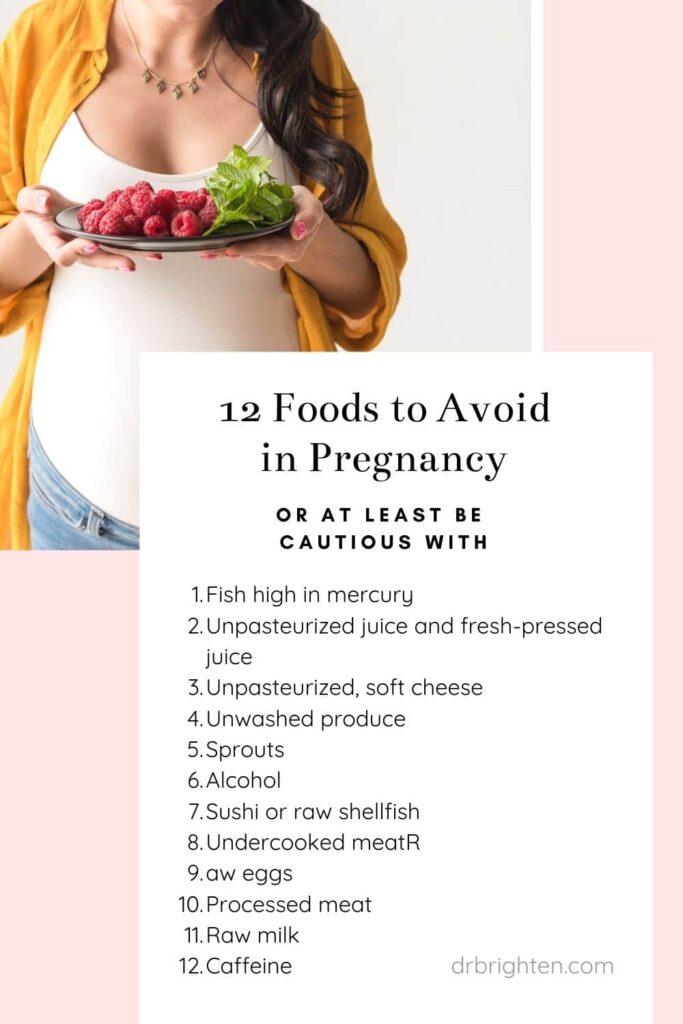
12 Foods to Avoid During Pregnancy (Or at least use caution with)
Medical experts agree that the following foods should be either avoided entirely, limited, or use caution when consuming. Keep reading to get the details on all of these and ways to make them an option in your pregnancy diet.
Fish high in mercury
Unpasteurized juice and fresh-pressed juice
Unpasteurized, soft cheese
Unwashed produce
Sprouts
Alcohol
Sushi or raw shellfish
Undercooked meat
Raw eggs
Processed meat
Raw milk
Caffeine
1. Fish High in Mercury
While seafood is a great source of Omega-3 fatty acids, many types of fish are high in mercury. Mercury is toxic to everyone, but a developing fetus is especially vulnerable to mercury exposure. While there is no safe level of mercury to consume, high amounts can lead to organ damage and is significantly toxic to the nervous system. Even small amounts can be harmful to your baby.
During pregnancy, it is recommended that women avoid food sources that are known to contain higher amounts of mercury like tuna and swordfish. In general, large apex predators (animals at the top of the food chain) in the ocean are higher in mercury than smaller fish like anchovies. Cod, salmon, and haddock are other fish considered to be lower in mercury.
Fish High in Mercury:
Tilefish in Mexico
Tuna
Swordfish
Shark
Marlin
Orange roughy
You can use the Monterey Bay Seafood Watch Database to help you make the best choice when it comes to seafood.
2. Unpasteurized Juice and Fresh-pressed Juice
Pasteurization removes harmful bacteria from juices, such as E. coli. Women in their second or third trimester who contract a severe E. coli infection are at risk for premature rupture of the amniotic sac, low birth weight, or stillbirth.
Additionally, it’s safer to avoid fresh-pressed juice from restaurants or juice bars because of the machinery. Squeezing your own juice at home is a safer option. At juice bars, etc., there is no way for you to know whether their equipment is thoroughly cleaned, and how often. Bacteria can thrive on equipment not completely sanitized, and it could then enter your cup of juice.
Unpasteurized cheeses (usually soft cheeses) may harbor Listeria, which can cause serious food poisoning (vomiting and diarrhea). Pregnant women are ten times more susceptible to listeriosis, which can lead to miscarriage and stillbirth.
During pregnancy, safe cheeses include pasteurized cheeses like hard cheeses such as cheddar, parmesan, romano, and gouda. Avoid brie, paneer, queso blanco, queso fresco, feta, and other soft cheeses, unless the package label explicitly says that the cheese has been pasteurized.
4. Unwashed Produce
If you’ve been following me for a while, you know I am all about eating fresh fruits and vegetables. These nutrient-dense foods are an essential part of any diet. However, they may also carry potentially harmful bacteria (remember the recent E.coli outbreak that was linked to romaine lettuce?).
These bacteria can all cause food poisoning of varying severity, but pregnant women are particularly vulnerable. But, leafy greens are just too nutrient dense to skip altogether. This is why it’s advised to thoroughly wash, peel, and cook your produce to remove microorganisms that can be potentially harmful.
Contracting Toxoplasma gondii, a parasite, is one of the more potentially dangerous consequences of not thoroughly washing fruit and raw veggies. This parasite can cause toxoplasmosis, which can harm you and your unborn baby.
While some symptoms of toxoplasmosis are noticeable (such as fever and swollen glands), many people are asymptomatic.
Listeria, Salmonella, and Cyclospora have also been found on raw, leafy greens, whether they have been washed or not, so in some cases it is best to cook your greens.
5. Raw Sprouts
Pre-pregnancy these super foods may have made a regular debut on your salads, but sadly, due to the way they are grown, eating raw sprouts is not advised while pregnant. The humid environment needed to grow sprouts sets up a perfect scenario for Salmonella to grow. This is a bacteria that is well known in causing food borne illness.
The good news is you can enjoy cooked sprouts in your favorite dishes. Just skip the raw ones.
6. Alcohol
I generally recommend that women consume alcohol only in moderation because of how alcohol can affect hormones, periods, and PMS.
During pregnancy, women are advised not to drink any alcohol for the duration of gestation.
Fetuses are not able to process alcohol in the same way adults are. In fact, the liver is one of the last organs to develop. Consuming alcohol in the first trimester increases your risk of miscarriage, early birth, and low birth weight.
Drinking in the second and third trimesters could affect your child’s behavior and learning ability.
Additionally, it’s best to avoid alcohol when breastfeedingl However, the CDC states that having one standard drink per day, and waiting a minimum of two to three hours before nursing, has not been shown to be detrimental to infants. Excessive consumption of alcohol while breastfeeding can cause problems with infant growth and development, as well as disruptions in sleep patterns.
7. Sushi
Raw and undercooked seafood can carry bacteria that can lead to food poisoning, parasites, and viruses. During pregnancy, it is safest to consume completely cooked, low-mercury seafood.
Similar to raw seafood, raw shellfish — like oysters — should not be consumed during pregnancy. Once thoroughly and completely cooked, shellfish is safe to enjoy.
8. Undercooked Meat
I know, I know, that medium-rare steak is calling out to you. But it’s best to stick with well-done meats until you have your baby. We all know that chicken should be thoroughly cooked to avoid exposure to Salmonella. But most of us eat our beef, lamb, and other meat slightly to very undercooked. Undercooked meat, like unwashed fruit and vegetables, can harbor harmful bacteria and parasites.
While it is commonly thought that infectious organisms are only on the outside of meat, there are many that can be found within the muscle fibers. Using a temperature thermometer is a good way to ensure your meat has been cooked well enough.
As tempting as it may be to let this one slide, please understand that these infectious agents can result in stillbirth, neurological issues like epilepsy, blindness, and developmental issues for baby.
9. Raw Eggs
Avoid raw and runny eggs during pregnancy for the same reason you always avoid undercooked chicken: Salmonella. Certain sauces and dressings like homemade aioli and some Caesar dressings contain raw eggs. Raw cookie dough also contains raw eggs.
It is best to take your eggs hard boiled, scrambled,, and ensure that recipes containing eggs are cooked through.
10. Processed Meat
Deli meats make great protein snacks, but during pregnancy they can also be a source of organisms that can harm you and baby. Processed meats can become contaminated during their creation and packaging. Because of this, it is recommend to heat your hot dogs thoroughly and cook your deli or lunch meat before consuming.
11. Raw milk
Raw milk has become more popular in recent years because some consumers believe that pasteurization kills the milk’s beneficial components. There is not yet enough evidence to show whether raw milk contains beneficial bacteria (versus pasteurized milk), or whether it helps the gut.
We do know for certain that raw milks can contain various harmful bacteria such as Salmonella, E. coli, and Listeria. During pregnancy, it is just safer to not take the risk. If you do drink cow’s milk or milk from other animals, opt for the pasteurized kind.
12. Caffeine
Oh coffee. Seems to be there is always a debate about what is best for coffee and caffeine intake, especially in women’s health. Simply, no, it is not universally bad, but for you, it may not be the best option. For many years, the official recommendation was that women should eliminate caffeine completely during pregnancy. Recently, however, that has changed.
The reason for this change is that it doesn’t appear to be a major contributor to miscarriage or preterm birth as once thought. However, it is important to note that there is not enough data available to say whether high caffeine consumption is associated with an increased risk of miscarriage, which is why it ‘s best to keep the caffeine in moderation.
The American College of Obstetricians and Gynecologists (ACOG) now advised to reduce caffeine intake to 200mg per day. This equates to roughly two 8oz cups of coffee (not the grande at Starbucks). Keep in mind, though, that many types of tea and energy drinks also contain caffeine. This should be taken into account when calculating how much caffeine you’ve consumed in a day.
It’s also important for you to know that caffeine can cross the placenta and that based on your individual risk factors, your doctor may still advise that you skip that daily cup of coffee.
Remember, caffeine is also found in tea, soda, energy drinks and other beverages.
Avoiding Foods in Pregnancy and Still Enjoying Eating
When you’re pregnant, avoiding these foods is important for your health and the health of your baby.
Remember, most foods and beverages are safe to enjoy during pregnancy. As you read through this list I hope you also took note of the modifications you can make, like cooking and choosing pasteurized products, to help you enjoy a wide variety of food.
Peacock, A., Hutchinson, D., Wilson, J., McCormack, C., Bruno, R., Olsson, C., Mattick, R. (2018, March 7). Adherence to the Caffeine Intake Guideline during Pregnancy and Birth Outcomes: A Prospective Cohort Study. Retrieved December 19, 2021, from https://www.ncbi.nlm.nih.gov/pmc/articles/PMC5872737/
Magnesium is near the top of the list of crucial nutrients. It is the fourth most plentiful mineral in the human body, and it helps with things like your heartbeat, sleep cycles, muscle contraction, energy production, immune function, hormone balance and so much more. When you dig into the research, the magnesium benefits seem endless. Safe to say that getting enough magnesium is non-negotiable.
The thing is, over 50% of the population in the U.S. isn’t getting enough magnesium in their diets, not even enough to meet the questionably low recommended daily allowance (RDA). Modern farming practices have depleted our soil of nutrients, and many of our foods don’t have as much magnesium in them as they did a few generations ago.
On top of that, the standard American diet is woefully lacking in whole foods. To compound the issue, the rising prevalence of digestive disorders like celiac disease or Crohn’s means many people cannot absorb magnesium efficiently, either.
Since your body stores most of your magnesium in your bones and soft tissues, blood tests aren’t the best way to diagnose deficiencies. Many women have subclinical (undetectable) magnesium deficiencies that won’t necessarily show up on a blood test.
In a recent review of magnesium studies, researchers found that increasing magnesium by 100 mg a day reduced the risk of stroke by 7 percent, type 2 diabetes 19 percent, and heart failure an impressive 22 percent.
In other words, if you’re trying to stay as healthy as possible, it’s a good idea to make sure you’re prioritizing that magnesium.
Let’s dig into the details of all the ways this crucial mineral can help us every day.
What Are The Benefits Of Magnesium?
People reach for magnesium to address several concerns, including:
Whether or not magnesium regulates these depends on whether the magnesium deficiency is at the root of the problem, or something else. Since magnesium is so crucial for so many functions, there are many benefits to incorporating more magnesium in your day..
Magnesium is in every cell in the human body. It’s required for DNA and RNA synthesis, reproduction, and also for protein synthesis. It’s critical for insulin metabolism, blood pressure regulation, and proper muscle contraction. Magnesium helps your cells extract energy from the food you eat.
When your dietary intake of magnesium is on the low side, as it is for approximately half the United States population, certain chronic diseases are more likely to develop. Researchers have linked diabetes, cardiovascular disease, Alzheimer’s disease, attention deficit hyperactivity disorder (ADHD), insulin resistance, and hypertension to low levels of magnesium.
Here are 15 ways magnesium works to help keep you healthy.
1. Magnesium for Stress Relief
The HPA (hypothalamus-pituitary-adrenal) axis keeps hormones and your nervous system communicating smoothly, which helps regulate hormones. Magnesium works to generally calm the nervous system and reduce anxiety and stress. A recent review of 18 studies showed that magnesium supplementation reduced self-reported levels of anxiety.
And in another study, magnesium deficiency was linked to anxiety as well as HPA axis dysfunction. The HPA (hypothalamus-pituitary-adrenal) axis keeps hormones and your nervous system communicating smoothly, which helps regulate hormones.
Magnesium can be beneficial in helping combat stress, but it is also depleted during times of elevated stress. This is why we include it in our Adrenal Calm formula, along with other nervous system calming herbs, to help you feel more calm and get better sleep.
2. Magnesium Improves PMS Symptoms
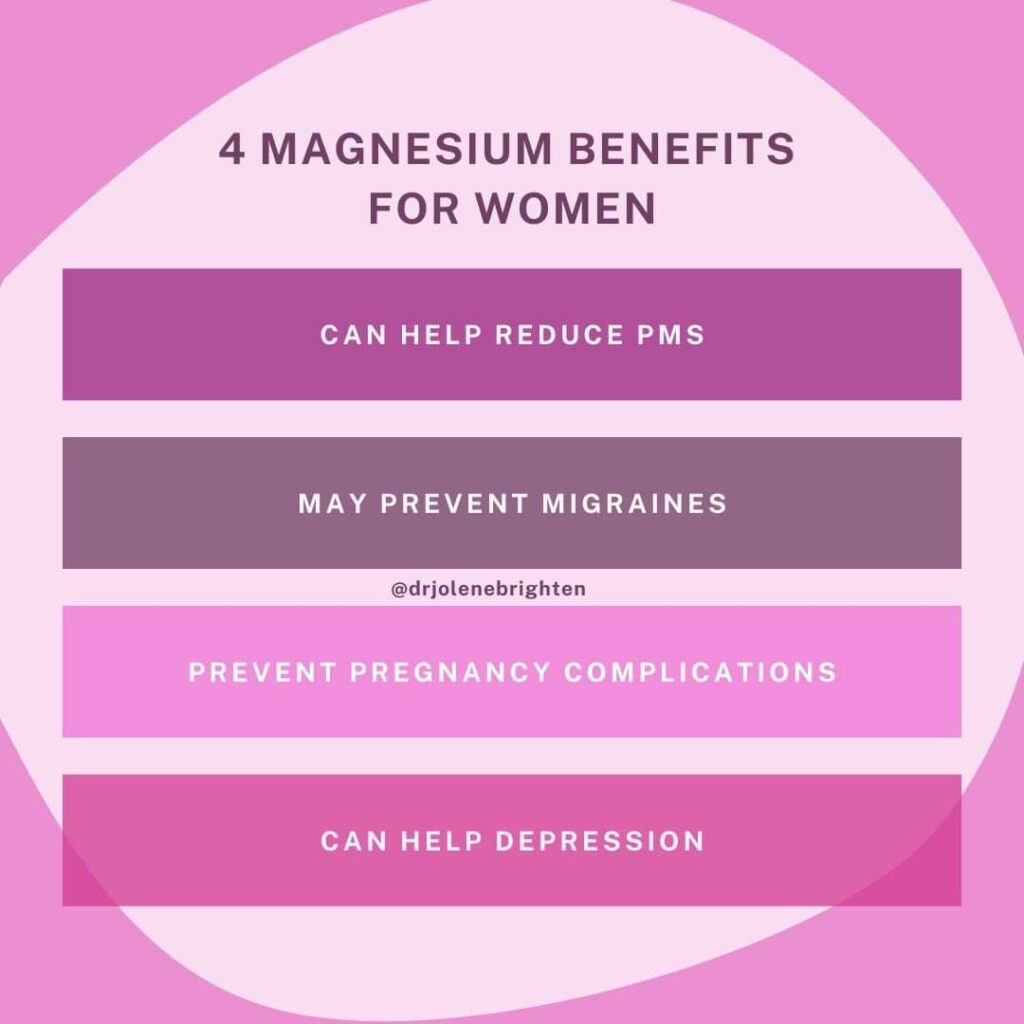
In one study, participants were able to reduce premenstrual syndrome (PMS) symptoms using magnesium supplementation. Studies suggest that it’s even more effective as a PMS remedy when combined with vitamin B6, which is why we include the two in our Balance Women’s Hormone Support supplement.
Studies have also shown that magnesium may reduce fluid retention — one of the most common PMS problems.
Also — magnesium helps your liver process estrogen more efficiently, which is crucial for eliminating those PMS symptoms like:
Breast tenderness
Weight gain
Bloating
Insomnia
3. Magnesium May Lessen Menstrual Cramps
Magnesium could also help with cramps since it plays a role in regulating muscle contraction.
Prostaglandins are hormone-like chemicals that are responsible for the contraction of the uterus (cramps). When compared to placebo, magnesium has been shown to be more effective in reducing period cramps and lowering prostaglandins.
Because it is highly absorbable and doesn’t cause digestive upset like other forms of magnesium, we use Magnesium Bisglycinate in my clinical. A typical starting dose is 300 mg nightly. Some people benefit from increasing their dose the week leading up to their period.
4. Magnesium Supports Thyroid Health
Magnesium and thyroid health are intimately connected – it helps your thyroid gland produce proper levels of thyroid hormones. When magnesium levels are too low, your thyroid gland might enlarge, also known as goiter. Studies suggest that magnesium levels in those with hyperthyroidism are decreased and increased in those with hypothyroidism.
5. Magnesium Helps Improve Sleep
A study of an elderly population suggests that magnesium supplementation could help relieve insomnia because of its calming effects. Many women also find that taking it regularly at bedtime may help improve the quality of their sleep.
The reverse is also true — insomnia or restless sleep could be a key indicator of magnesium deficiency.
6. Magnesium May Prevent Migraine Headaches
Menstrual migraine is a common phenomenon for women that’s not often discussed. Due to the fluctuating hormone levels just before period time, some women get hit with a migraine headache, in addition to other PMS symptoms.
Studies suggest that low levels of magnesium might play a role in the development of these headaches. And magnesium supplementation could help alleviate them. In my practice, I recommend 600 mg of magnesium to my patients at the onset of a headache for the best results. This is the one I use with my patients.
Keep in mind that by the time I’m prescribing a medication or suggesting supplements for my patients, I’ve already done exams, run labs, and reviewed their complete medical history. When you’re starting something new, always run your plans by your doctor.
7. Magnesium in Pregnancy is Important
Magnesium is essential for fetal development and the growth of new tissues, including bone and teeth. It is also necessary for nerve function and muscle contraction.
Sometimes pregnant women develop issues with their blood pressure, referred to as preeclampsia. When the condition worsens, it can lead to eclampsia, which means the mother develops seizures.
Magnesium could be useful in improving these conditions. One study showed that supplementation with magnesium cut the risk of eclampsia in half.
Preeclampsia and eclampsia are extremely serious. Follow your doctor’s guidance the whole way through, and ask your doctor if you want to incorporate magnesium.
8. Magnesium Relieves Constipation
Specific forms of magnesium are considered laxatives due to their effect on the muscles within the digestive tract. Magnesium also pulls water into the bowels, helping things to get moving easier.
Magnesium oxide is one form of magnesium that has a noticeable laxative effect. You don’t absorb much magnesium oxide, so if you’re looking to elevate your magnesium stores, another form might be better. Magnesium citrate also gets things moving and can be gentler than other stimulant-type laxatives.
9. Magnesium Helps With Indigestion
Again, because of its effect on muscular function, magnesium may help calm spasms in the esophagus, which is one possible cause of indigestion and reflux. It also encourages stomach acid production. Low stomach acid could also be a cause of indigestion. There are other possible causes, too, so it’s best to get your indigestion evaluated.
Pharmaceutical companies often include magnesium in over-the-counter acid reflux medications known as proton pump inhibitors. Antacids usually also include magnesium hydroxide or magnesium carbonate.
10. Magnesium Improves Menopause Symptoms
Women who are menopausal experience an array of symptoms, including depression, anxiety, and they might start to experience bone loss.
Magnesium could be effective in addressing these conditions, as we’ll discuss in more detail. Because it’s intimately linked to bone health, magnesium is critical for post-menopausal women or anyone looking to keep ahead of osteoporosis. Also, the calming effect magnesium has on the HPA axis means it reduces anxiety levels. Research has also shown that magnesium may also help alleviate certain kinds of depression. In one study, participants noticed an improvement in as little as two weeks.
11. Magnesium For Osteoporosis
Magnesium is one of the key components of bone. While we typically associate calcium with bone, magnesium is equally as important to bone health.
In a large 2014 study, researchers linked lowered magnesium intake to reduced bone mineral density, a test used to evaluate osteoporosis risk.
And in a long-term study of men, those with the highest magnesium levels were 44 times less likely to experience a bone fracture. What’s more, none of the men with high magnesium levels broke a bone in the 20-year study period.
12. Magnesium May Lower Inflammation
Inflammation is one of those things that we all want to keep in check because it influences disease, obesity, and overall poor health.
Lower levels of magnesium are considered a predictive factor for chronic inflammatory stress that could lead to disease. And magnesium supplementation was shown to reduce markers of inflammation in study participants with prediabetes and overweight individuals.
13. Magnesium Helps Depression in Some Cases
As I briefly mentioned earlier, magnesium has shown great promise in the approach to depression, especially when the source of depression is magnesium deficiency. Since magnesium is considered safe to take, is inexpensive, and results may manifest in as little as two weeks, there’s plenty of reason to ask your doctor about magnesium as part of a depression regimen.
Magnesium deficiencies point to lowered levels of serotonin (the happy neurotransmitter). And one study of 402 students found an inverse relationship between magnesium intake and depressive symptoms, even after researchers accounted for other variables.
14. Magnesium Increases Insulin Sensitivity
Researchers have well-established magnesium’s effect on insulin resistance, and the relationship is clear. Magnesium supplementation may help reduce certain types of insulin resistance, like the kind we see with type 2 diabetes.
Some studies have even linked magnesium deficiencies with insulin resistance. By some counts, almost 50 percent of people with type 2 diabetes have low levels of magnesium.
One large study found that participants who ingested the most magnesium were the least likely to develop diabetes.
15. Magnesium Lowers Blood Pressure
Another compelling benefit of magnesium is its effect on blood pressure.
Because it can relax muscles, even vascular smooth muscles, especially in people who have high blood pressure, magnesium may lower both systolic and diastolic blood pressure.
In one meta-analysis, researchers concluded that people who took magnesium lowered their blood pressure after just three months.
It’s important to note that many scientists consider the RDA for magnesium to be somewhat low, especially if you’re dealing with an existing deficiency. I usually suggest a daily maintenance supplement dose of 300 mg per day for my patients.
What Are The Best Whole Food Sources of Magnesium?
While I am a proponent of food first and supplements second, it’s important to note that according to the Linus Pauling Institute, “Magnesium is considered a shortfall nutrient in the diet, meaning that magnesium is underconsumed by eating the typical American diet.” This is why some people benefit from a supplement and all of us benefit from focusing on incorporating magnesium rich foods in our diet.
Magnesium is a critical nutrient in so many delicious foods. It makes it easy to get in those 300+mg per day! Leafy greens, nuts, and seeds are at the top of the list for many essential vitamins and minerals, and magnesium is no exception.
Some of my favorite, whole foods that contain magnesium include:
Pumpkin seeds
Almonds
Spinach
Broccoli
Cashews
Brown rice
Black beans
Potato, baked with skin
Banana
Salmon, Atlantic
Halibut, cooked
Avocado
Dark chocolate
Looking for an easy way to get your diet on the right track? I’ve got a complete guide that will help you out. It even has recipes done for you for an entire week. It’s got a lot of other great information in it too, and it’s completely free.
How Can I Tell If I’m Deficient In Magnesium?
If you have subclinical levels of magnesium deficiency, you might not notice any symptoms at all.
Some of the more common signs of low levels of magnesium include:
There are so many possible types of magnesium to choose from, it can be confusing!
The first thing to consider is this: what problem are you trying to solve when considering magnesium?
If your concern is constipation, and you’re looking for a laxative effect, you may want to consider magnesium citrate.
For the rest of my patients, I recommend magnesium bis-glycinate, the primary ingredient in my Magnesium Plus. It will give you all the benefits of easily absorbed magnesium, without all diarrhea and digestive upset that you get when using other magnesium forms.
Magnesium Glycinate vs Citrate
Magnesium bisglycinate or glycinate is much more well absorbed compared to citrate. This is why it is used in many of the scenarios discussed throughout this article. Citrate works best as a laxative and is less harsh than the sulfate form.
Different Types of Magnesium
Magnesium glycinate or bisglycinate – One of the most highly absorbable forms. Supports increase in memory, PMS and period relief, improved sleep, and reduced anxiety.
Magnesium citrate – Provides constipation relief by pulling water into the bowel.
Magnesium malate – Often recommended for those with chronic fatigue or fibromyalgia due to its support of energy production.
Magnesium L-threonate – May improve memory and reduce age related memory loss.
Magnesium chloride – This form is applied topically for quick absorption to help improve sleep and promote a sense of calm.
Magnesium oxide – Poorly absorbed, but may help with heartburn relief.
Magnesium sulfide – The most potent laxative, but more commonly used for Epsom salt baths.
Who Should Not Supplement With Magnesium?
Magnesium is generally considered safe. If you have diabetes, heart disease, or kidney disease, consult with your doctor before taking extra magnesium.
Also, if you’re taking any of the following medications, magnesium could interfere with them:
Magnesium from food isn’t as likely to cause problems as supplemental magnesium, so it’s not advisable to avoid healthy foods because of their magnesium content.
Magnesium For Optimal Health
Magnesium is vital for optimal health. Aim for a diet rich in magnesium and consider a supplement if you’re having difficulty meeting your needs with nutrition.
You can download our free meal plan or consider purchasing our Magnesium Plus as a way to increase your magnesium.
Citations
Jahnen-Dechent W, Ketteler M. Magnesium basics. Clin Kidney J. 2012;5(Suppl 1):i3–i14. doi:10.1093/ndtplus/sfr163
Razzaque MS. Magnesium: Are We Consuming Enough?. Nutrients. 2018 Dec 2;10(12). doi: 10.3390/nu10121863. PubMed PMID: 30513803; PubMed Central PMCID: PMC6316205.
Fang, X., Wang, K., Han, D. et al. Dietary magnesium intake and the risk of cardiovascular disease, type 2 diabetes, and all-cause mortality: a dose-response meta-analysis of prospective cohort studies. BMC Med 14, 210 (2016) doi:10.1186/s12916-016-0742-z
Boyle NB, Lawton C, Dye L. The Effects of Magnesium Supplementation on Subjective Anxiety and Stress-A Systematic Review. Nutrients. 2017;9(5):429. Published 2017 Apr 26. doi:10.3390/nu9050429
Cuciureanu MD, Vink R. Magnesium and stress. In: Vink R, Nechifor M, editors. Magnesium in the Central Nervous System [Internet]. Adelaide (AU): University of Adelaide Press; 2011.
Sartori SB, Whittle N, Hetzenauer A, Singewald N. Magnesium deficiency induces anxiety and HPA axis dysregulation: modulation by therapeutic drug treatment. Neuropharmacology. 2012;62(1):304–312. doi:10.1016/j.neuropharm.2011.07.027
Fathizadeh N, Ebrahimi E, Valiani M, Tavakoli N, Yar MH. Evaluating the effect of magnesium and magnesium plus vitamin B6 supplement on the severity of premenstrual syndrome. Iran J Nurs Midwifery Res. 2010;15(Suppl 1):401–405.
Hodges RE, Minich DM. Modulation of Metabolic Detoxification Pathways Using Foods and Food-Derived Components: A Scientific Review with Clinical Application. J Nutr Metab. 2015;2015:760689. doi:10.1155/2015/760689
Jones JE, Desper PC, Shane SR, Flink EB. Magnesium metabolism in hyperthyroidism and hypothyroidism. J Clin Invest. 1966;45(6):891–900. doi:10.1172/JCI105404
Wang K, Wei H, Zhang W, et al. Severely low serum magnesium is associated with increased risks of positive anti-thyroglobulin antibody and hypothyroidism: A cross-sectional study. Sci Rep. 2018;8(1):9904. Published 2018 Jul 2. doi:10.1038/s41598-018-28362-5
Witlin AG, Sibai BM. Magnesium sulfate therapy in preeclampsia and eclampsia. 1998. In: Database of Abstracts of Reviews of Effects (DARE): Quality-assessed Reviews [Internet]. York (UK): Centre for Reviews and Dissemination (UK); 1995-.
Tarleton EK, Littenberg B, MacLean CD, Kennedy AG, Daley C. Role of magnesium supplementation in the treatment of depression: A randomized clinical trial. PLoS One. 2017;12(6):e0180067. Published 2017 Jun 27. doi:10.1371/journal.pone.0180067
Orchard TS, Larson JC, Alghothani N, et al. Magnesium intake, bone mineral density, and fractures: results from the Women’s Health Initiative Observational Study. Am J Clin Nutr. 2014;99(4):926–933. doi:10.3945/ajcn.113.067488
Castiglioni S, Cazzaniga A, Albisetti W, Maier JA. Magnesium and osteoporosis: current state of knowledge and future research directions. Nutrients. 2013;5(8):3022–3033. Published 2013 Jul 31. doi:10.3390/nu5083022
Eby GA, Eby KL, Murk H. Magnesium and major depression. In: Vink R, Nechifor M, editors. Magnesium in the Central Nervous System [Internet]. Adelaide (AU): University of Adelaide Press; 2011.
Wang J, Persuitte G, Olendzki BC, et al. Dietary magnesium intake improves insulin resistance among non-diabetic individuals with metabolic syndrome participating in a dietary trial. Nutrients. 2013;5(10):3910–3919. Published 2013 Sep 27. doi:10.3390/nu5103910
Huerta M, Roemmich J, Kington M, et al. Magnesium Deficiency Is Associated With Insulin Resistance in Obese Children. Diabetes Care May 2005, 28 (5) 1175-1181; DOI: 10.2337/diacare.28.5.1175
Rodríguez-Morán M, Guerrero-Romero F Oral Magnesium Supplementation Improves Insulin Sensitivity and Metabolic Control in Type 2 Diabetic Subjects Diabetes Care Apr 2003, 26 (4) 1147-1152; DOI: 10.2337/diacare.26.4.1147
Barbagallo M, Dominguez LJ. Magnesium and type 2 diabetes. World J Diabetes. 2015 Aug 25;6(10):1152-7. doi: 10.4239/wjd.v6.i10.1152. Review. PubMed PMID: 26322160; PubMed Central PMCID: PMC4549665.
Miscarriages are common, which is why it is important for women to know the signs of a miscarriage and when to call their provider. In this article, I’m going to go through the possible causes and types of miscarriage, ways to help minimize risk, and lab tests to request from your doctor if you’ve experienced more than one miscarriage.
If you’re coming to this post searching for answers about a recent miscarriage, please know that I am so very sorry for your loss. Losing a pregnancy is devastating, emotionally and physically. For a lot of women, however, a miscarriage is typically a temporary stop on the road to a full-term pregnancy, and I understand that may be of little comfort to you at this moment. The most important thing right now is to give yourself space to fully grieve.
What Is a Miscarriage?
A miscarriage is the spontaneous end of pregnancy and loss of a fetus that occurs before the 20th week of gestation.
How Common Are Miscarriages?
Miscarriage is still somewhat taboo in our culture, which can make it seem much more rare than it actually is.
Most doctors will tell you that one in five pregnancies end in miscarriage. When you include pregnancies that were undetected, or mistaken for a late period, that number increases to 1 in 3. Some experts estimate that the number is even higher than that, but since not every miscarriage is counted, it’s hard to know for sure. Bottom line – miscarriage is common.
Knowing that a lot of pregnancies end in miscarriage doesn’t make your experience any easier, and it doesn’t mean that you “should” feel any better about your situation. Loss is loss, and it takes time to process the emotions around it.
But sometimes, knowing just how common miscarriage is can shift your mindset from “what’s wrong with me?” to “this is something that happens sometimes.” Processing grief is much easier if you don’t have feelings of guilt on top of it.
That said, if you do feel you need extra support in the grieving process, please do not hesitate to reach out to a mental health provider.
What Causes Miscarriage?
For many miscarriages that happen early in pregnancy, we may not know the exact cause.
Some of the causes of miscarriage include:
Chromosomal abnormalities
Blighted ovum
Molar pregnancy
Illness or infection
Problems with sperm
Autoimmune disease
PCOS
Luteal phase defect
Ectopic pregnancy
Uterine fibroids
Uterine abnormalities
Cervical incompetence
Placenta difficulties
Environmental exposure
Diabetes
Chromosomal Abnormalities
The most common reason that an embryo (<10 weeks) or fetus doesn’t survive is that it is not viable, due to genetic abnormalities. This means that the fetus is developing with a genetic issue that would mean it is unable to survive outside the womb or further along in pregnancy.
Scientists believe that sometimes, certain genes in a developing baby may be missing or causing abnormal growth of the baby or placenta. The baby has the wrong number of chromosomes. This results in miscarriage. It is possible that the mother’s body recognizes that the fetus is unable to survive and ends the pregnancy.
Blighted Ovum
A blighted ovum is also called anembryonic pregnancy. This means that there is no embryo, only a sac, and a placenta. This condition shows up as a positive pregnancy test because pregnancy hormones are being created. Often, women with a blighted ovum will exhibit symptoms of pregnancy as well. They may feel breast tenderness, have nausea and become bloated. If this condition is discovered by your doctor before you have a miscarriage, you may have to choose between waiting for the pregnancy to terminate on its own or having a surgical procedure to remove the ovum.
Molar Pregnancy
Molar pregnancy, or hydatidiform mole, is a condition that causes miscarriage. There are two kinds of molar pregnancy:
Complete molar pregnancy. This occurs because the chromosomes from the mother are missing and both sets of chromosomes are from the father.
Incomplete or partial molar pregnancy. The mother’s chromosomes are present, but two sets of chromosomes from the father are, too.
Symptoms of a molar pregnancy include vaginal bleeding, nausea, vomiting, pelvic pain, and cysts that pass through the vagina.
Illness Or Infection
If a mother has an illness or infection, it can cause her to lose her pregnancy. Illnesses like the Zika virus, measles, or sexually transmitted infections can prevent a baby from developing to full term.
Problems With Sperm
While traditional narratives typically focus on the mother’s role in miscarriage and infertility, there is evidence to suggest that the quality of the father’s sperm can have an impact on miscarriage. In a recent study, researchers found a link between the quality of a man’s sperm and the incidence of recurrent miscarriage in their partner.
Autoimmune Disease
Sometimes, women who suffer from autoimmune diseases are at risk for miscarriage. While many, many women with autoimmune disease have healthy babies, sometimes it can be a contributing factor to miscarriage.
Some of the autoimmune conditions that researchers have linked to miscarriage include:
Women with Polycystic Ovarian Syndrome (PCOS) are at 3 times higher risk for miscarriage. Researchers believe that elevated levels of insulin and inflammation in women with PCOS may cause this unfortunate phenomenon. Many women with PCOS can and do have full-term pregnancies. Please do not despair if you are trying to get pregnant with PCOS.
Luteal Phase Defect
Luteal phase defect occurs when the lining of the uterus doesn’t develop properly. It is characterized by low levels of progesterone. Your doctor may recommend progesterone treatment if you experience miscarriage and have a luteal phase defect.
Ectopic Pregnancy
An ectopic pregnancy happens when a fertilized egg begins to develop outside of the womb. Typically, this occurs in one of the fallopian tubes. Ectopic pregnancy is considered a life-threatening emergency, and requires immediate medical attention. If the pregnancy isn’t miscarried, the egg continues to grow outside of the womb and is very serious for the mother. Ectopic pregnancy can be accompanied by abdominal pain and vaginal bleeding.
Uterine Fibroids
Since they can hinder the baby’s blood supply and room for growth, uterine fibroids have been a suspected cause of miscarriage. However, a large, high-quality, recent study appeared to refute this commonly held belief, stating there is no association between fibroids and miscarriage. Still, if you have fibroids and plan on getting pregnant, it’s an important thing to mention to your healthcare provider.
Uterine Abnormalities
Some women are born with a uterus that is divided into sections by muscles. This condition is called a septate uterus. Unfortunately, this condition often remains undiagnosed until a woman experiences a loss of pregnancy. Once the septate uterus is discovered, surgery can be performed to correct it in most cases.
Other uterine issues such as endometriosis and Asherman syndrome – which causes scar tissue to form in the uterus – can also lead to a higher incidence of miscarriage. Endometriosis has been linked to an 80% increased chance of miscarriage.
Cervical Incompetence
When the cervix dilates early in pregnancy (it’s not supposed to open until you give birth) miscarriage can occur. This is called cervical incompetence or cervical insufficiency. Sometimes, the cervix can be stitched closed in a procedure called a cerclage to prevent miscarriage if cervical incompetence is discovered before a miscarriage occurs.
Placenta Difficulties
When the placenta does not develop properly, miscarriage can result. The placenta is the organ that develops during pregnancy to sustain the baby’s growth. The placenta provides nutrients to the baby and removes waste from the baby through the umbilical cord. It helps to pass on the necessary antibodies to the baby from the mother and emits the hormones that help keep a pregnancy viable. If the placenta doesn’t grow properly or grow large enough to do its job, miscarriage can result.
Environmental Exposure
Smoking, alcohol, heavy metals, endocrine-disrupting chemicals, solvents, pesticides, pollution, and radiation have all been linked to miscarriage, preterm delivery, low birth weight, and birth defects. If a mother is exposed to high levels of any of these chemicals, loss of pregnancy may result.
Diabetes
Experts recommend getting a good handle on your blood sugar levels before trying to become pregnant if you have diabetes. High blood sugar levels early in pregnancy have been shown to increase the risk of miscarriage. Women with diabetes often have full-term pregnancies and healthy babies, but they do need to plan for extra complications that pregnancy can bring to a woman’s body.
MTHFR Gene Mutation
Methyltetrahydrofolate reductase is a gene involved in the utilization of folate. Folate is necessary for DNA synthesis, which as you can imagine, is happening quite rapidly in a developing baby. Some studies have pointed to MTHFR being a cause of miscarriage due to clotting disorders. There’s also been observations that women who experience miscarriage have a mutation in this gene.
At this time, the data to support this idea is highly debated. When considering the intervention would be taking a quality prenatal with active folate and perhaps beginning aspirin under a doctor’s supervision, many experts agree the benefits outweigh the risks while we await more studies to be produced.
I have an article on folate vs folic acid if you’d like to learn more on the topic.
What Are The Types Of Miscarriage?
Miscarriages are divided into several different types, depending on the cause.
Early Miscarriage
A miscarriage is considered an early miscarriage if it occurs during the first 12 weeks of pregnancy. This is when the majority of miscarriages happen. Some women do not even know they are pregnant yet when a miscarriage occurs since many happen in the first two weeks of pregnancy.
Late Miscarriage
Late miscarriage is when pregnancy is lost between 14 and 24 weeks of gestation. Only about 1-2% of miscarriages occur during this second trimester. That is why you’ll often hear to wait on announcing and celebrating a pregnancy until after 12 weeks have passed. It is much more likely that once a fetus reaches the 12-week mark it will make it to full term.
However, you need to do what is best for you and your family. If announcing and celebrating feels good to you then go for it. Yes, there is a risk off loss, but you’re going to need support if it does, which will likely come from those who you’d share the news with in the first place.
Threatened Miscarriage
When you are experiencing signs and symptoms like bleeding or abdominal pain, this is what’s called a threatened miscarriage. A lot of the time, women that experience these signs and symptoms go on to have full-term pregnancies. Other times, these symptoms can be a symptom that the pregnancy may end prematurely.
Inevitable Miscarriage
An inevitable miscarriage is when a miscarriage happens without any preceding symptoms – meaning, the pregnancy has ended before the mother has any symptoms. Inevitable miscarriage typically is accompanied by severe cramping and vaginal bleeding. During this type of miscarriage the cervix usually opens and the contents of the womb are expelled. Sometimes, women may need to have a procedure to make sure the uterus is clear.
Complete Miscarriage
Complete miscarriage is characterized by a complete voiding of the pregnancy tissues from the uterus. In these situations, women may bleed for several days and/or experience cramping, or even labor-like pains.
Incomplete Miscarriage
As the name implies, incomplete miscarriage means that the body doesn’t completely expel all of the pregnancy-related tissues. The uterus may contract and try to empty, but not everything comes out. Sometimes, women who experience an incomplete miscarriage will need a medical procedure called a dilation and curettage (D&C) in order to remove the remainder of the tissues inside the uterus. During this process, the cervix is dilated and the uterine lining is scraped out. Although this is considered an outpatient procedure, it is a surgery and requires anesthesia.
Missed Miscarriage
When a baby passes away but remains in the womb, this is considered a missed miscarriage. This is sometimes discovered during a routine checkup appointment. Sometimes, women notice that their pregnancy symptoms have subsided but not always. When missed miscarriage occurs, women may be given the choice to wait and see if the miscarriage will happen on its own, or have a D&C procedure done.
What’s the Difference Between a Spontaneous Abortion and Miscarriage?
A spontaneous abortion is the medical term for miscarriage. Miscarriage is the term often used with patients because most people associate the word “abortion” with an elective procedure.
Abortion is a term that refers to the end of a pregnancy due to expulsion or removal of the tissue from the body. In the case of a spontaneous abortion, this is an involuntary event.
Do not be alarmed if you see the diagnosis of spontaneous abortion in your chart notes following a miscarriage. This is the accurate medical diagnosis of this event and does not imply that you had the option to end your pregnancy or not.
What Are The Signs Of Miscarriage?
It’s important to note that sometimes, women have the signs and symptoms of miscarriage but do not actually lose the pregnancy. Sometimes, women have normal spotting around 3-5 weeks into their pregnancy. However, if you experience any of the following symptoms, it’s important to contact your doctor right away.
Some of the signs of miscarriage include:
Brown or bright red vaginal bleeding
Vaginal bleeding with clots
Heavy vaginal bleeding
Painful cramping
Abnormal discharge
Sudden disappearance of pregnancy symptoms like nausea, vomiting or breast tenderness
Back pain
What Does Tissue Look Like When You Miscarry?
For the most part, when you miscarry, the vaginal discharge won’t look too different from a regular period. This is particularly true if you miscarry very early in the pregnancy. Sometimes, rather large blood clots can be expelled.
Bleeding from a miscarriage can take up to two weeks. During a miscarriage, heavy bleeding may occur for several hours as the tissues and fetus pass from the body.
How Common Is Miscarriage?
Miscarriage is estimated to occur in 10-25% of known pregnancies. The risk of miscarriage increases with age. Women under 35 are least likely to have a miscarriage with a 15% chance. Women aged 35-45 are 20-35% likely to have a miscarriage. For women aged 45 and older, the risk increases to 50%.
Having a previous miscarriage means a woman has a 14-25% chance of having another one. If she’s had two, her chances of a third increase to 24-29%.
That said, age plus miscarriage history do not determine whether or not a woman can carry a healthy pregnancy. It’s possible for women over 40 with a history of miscarriages to have healthy babies – sometimes with medical intervention, other times with medical supervision but no intervention.
Miscarriage Prevention
Not all miscarriages can be prevented and a miscarriage does not indicate you did anything wrong. In fact, you can do everything right and a miscarriage may still occur due to issues with the embryo.
Take a prenatal vitamin prior to conceiving and during pregnancy to ensure your fetus has the nutrients it needs to develop.
Meet with your birth provider to ensure you’re getting proper prenatal care.
Communicate with your provider and seek medical care if you have any concerns throughout your pregnancy.
Avoid smoking, alcohol, and drug use while pregnant.
Avoid infection and food borne illness. Wash your hands, avoid sick people, and ensure meals are properly prepared.
Maintain healthy blood sugar levels by eating a nutrient dense diet with plenty of quality protein and vegetables. You can check out a free recipe guide here.
Limit caffeine, whether coffee or tea, to no more than 200 milligrams daily.
How Do Doctors Test For Miscarriage?
Most doctors won’t recommend testing until after you’ve had more than one and sometimes three miscarriages, which can seem cruel, I know. This is because most of the time, women go on to have healthy pregnancies after having a miscarriage.
Some tests your doctor may be able to use to help determine the cause of recurrent miscarriage include:
Tests for autoimmune diseases
Chromosome testing
Hormone testing
Blood sugar testing
Uterine testing
Tests For Autoimmune diseases
Some women have autoimmune diseases and are unaware. Now may be the time to get to the bottom of any issues that may be affecting your immune system. Tests for antiphospholipid antibodies and lupus should be performed.
Chromosome Testing
Certain blood tests for you and your partner may be able to reveal any chromosomal issues that may be going on. Testing the tissues of the miscarriage can also reveal if genetic abnormalities are the cause of miscarriage if a D&C was performed.
Hormone Testing
Abnormal blood levels of certain hormones can shed light on issues that may be causing miscarriage. Thyroid antibodies, and progesterone and prolactin levels should be evaluated, as well as follicle-stimulating hormone (FSH), luteinizing hormone (LH) and anti-Mullerian hormone (AMH).
Blood Sugar Testing
Testing blood glucose levels may be appropriate as well. Some women have diabetes or prediabetes and they are unaware until they miscarry.
Uterine Testing
Since uterine abnormalities can play a role in miscarriage, it’s sometimes warranted to evaluate uterine health. Transvaginal ultrasounds, hysteroscopy, and hysterosalpingogram can visually check for problems that may be contributing to miscarriage. Sometimes, a biopsy of the endometrium can reveal issues that may be causing miscarriage.
There Is Always Hope
Even though you may be experiencing unimaginable pain, grief, and loss right now, there is always hope to hold on to.
Remember, the majority of women who experience a loss of pregnancy go on to have happy, healthy babies.
Don’t forget to utilize your support system, and don’t be afraid to talk to a professional. Most of all, don’t suffer in silence.
I hope you’re able to use this information here to find a small bit of comfort.
Citations
Suzumori N, Sugiura-Ogasawara M. Genetic factors as a cause of miscarriage. Curr Med Chem. 2010;17(29):3431–3437. doi:10.2174/092986710793176302
Soler A, Morales C, Mademont-Soler I, Margarit E, Borrell A, Borobio V, Muñoz M, Sánchez A: Overview of Chromosome Abnormalities in First Trimester Miscarriages: A Series of 1,011 Consecutive Chorionic Villi Sample Karyotypes. Cytogenet Genome Res 2017;152:81-89. doi: 10.1159/000477707
Hardy PJ, Hardy K. Chromosomal instability in first trimester miscarriage: a common cause of pregnancy loss?. Transl Pediatr. 2018;7(3):211–218. doi:10.21037/tp.2018.03.02
Ocak Z, Özlü T, Ozyurt O. Association of recurrent pregnancy loss with chromosomal abnormalities and hereditary thrombophilias. Afr Health Sci. 2013;13(2):447–452. doi:10.4314/ahs.v13i2.35
Channa N Jayasena, Utsav K Radia, Monica Figueiredo, Larissa Franklin Revill, Anastasia Dimakopoulou, Maria Osagie, Wayne Vessey, Lesley Regan, Rajendra Rai, Waljit S Dhillo, Reduced Testicular Steroidogenesis and Increased Semen Oxidative Stress in Male Partners as Novel Markers of Recurrent Miscarriage, Clinical Chemistry, Volume 65, Issue 1, 1 January 2019, Pages 161–169, https://doi.org/10.1373/clinchem.2018.289348
Carrell DT, Salas-Huetos A, Hotaling J. Increasing evidence of the role of the sperm epigenome in embryogenesis: oligoasthenoteratozoospermia, altered embryo DNA methylation, and miscarriage. Fertil Steril. 2018;110(3):401–402. doi:10.1016/j.fertnstert.2018.04.042
Robinson L, Gallos ID, Conner SJ, et al. The effect of sperm DNA fragmentation on miscarriage rates: a systematic review and meta-analysis. Hum Reprod. 2012;27(10):2908–2917. doi:10.1093/humrep/des261
Gomes V, Mesquita A, Capela C. Autoimmune diseases and pregnancy: analysis of a series of cases. BMC Res Notes. 2015;8:216. Published 2015 Jun 4. doi:10.1186/s13104-015-1177-x
Sarkar D. Recurrent pregnancy loss in patients with thyroid dysfunction. Indian J Endocrinol Metab. 2012;16(Suppl 2):S350–S351. doi:10.4103/2230-8210.104088
Boomsma CM, Eijkemans MJ, Hughes EG, Visser GH, Fauser BC, Macklon NS. A meta-analysis of pregnancy outcomes in women with polycystic ovary syndrome. Hum Reprod Update. 2006;12(6):673–683. doi:10.1093/humupd/dml036
Hartmann KE, Velez Edwards DR, Savitz DA, et al. Prospective Cohort Study of Uterine Fibroids and Miscarriage Risk. Am J Epidemiol. 2017;186(10):1140–1148. doi:10.1093/aje/kwx062
Minebois H, De Souza A, Mezan de Malartic C, et al. Endométriose et fausse couche spontanée. Méta-analyse et revue systématique de la littérature [Endometriosis and miscarriage: Systematic review]. Gynecol Obstet Fertil Senol. 2017;45(7-8):393–399. doi:10.1016/j.gofs.2017.06.003
Yang J, Wang Y, Wang XY, Zhao YY, Wang J, Zhao YY. Adverse Pregnancy Outcomes of Patients with History of First-Trimester Recurrent Spontaneous Abortion. Biomed Res Int. 2017;2017:4359424. doi:10.1155/2017/4359424
Jindal P, Regan L, Fourkala EO, et al. Placental pathology of recurrent spontaneous abortion: the role of histopathological examination of products of conception in routine clinical practice: a mini review. Hum Reprod. 2007;22(2):313–316. doi:10.1093/humrep/del128
Triche EW, Hossain N. Environmental factors implicated in the causation of adverse pregnancy outcome. Semin Perinatol. 2007;31(4):240–242. doi:10.1053/j.semperi.2007.07.013
Krieg SA, Shahine LK, Lathi RB. Environmental exposure to endocrine-disrupting chemicals and miscarriage. Fertil Steril. 2016;106(4):941–947. doi:10.1016/j.fertnstert.2016.06.043
When it comes to preconception care, getting pregnant naturally, and having a health pregnancy, taking the best prenatal vitamins is a must. In general, it
Thyroid disease after pregnancy may be the most overlooked and under diagnosed condition affecting new mothers. Taking a conservative estimate, we can expect 300,000-400,000 mothers to develop
Mother’s Day is this weekend and in celebration of all mothers, I am sharing important information about health and nutrition that will support fertility, optimize
This article is by guest author, Mallory Leone, NC. Mallory Leone, NC is a nutrition consultant with certifications in holistic nutrition and sports and exercise.
If there is one universal piece of advice that I give to all moms it is—Support Your Adrenals Postpartum! Postpartum adrenal fatigue is serious. You may