
Thyroid disease after pregnancy may be the most overlooked and under diagnosed condition affecting new mothers. Taking a conservative estimate, we can expect 300,000-400,000 mothers to develop postpartum thyroid disease this year. That is 10% of all new moms.
But some estimate it may be as high as 17%— and those are only the women who are being tested. Many other mothers will go untested and unheard, their symptoms brushed off as “normal” or “just part of being a new mom.”
This is a condition that takes too many moms far too long to get the right diagnosis and treatment they need. And they’re suffering the entire time they’re moving from doctor to doctor because they know something isn’t right.
Suffering and caring for a new baby does not make for a joyful postpartum experience, as you can imagine. Fatigue, weight gain, anxiety, depression, and decline in breast milk supply are only a handful of the struggles a hypothyroid mother faces.
The blatant dismissal of a mother’s symptoms by her doctor is a huge problem. Too many women have heard the words, “Of course you’re tired, you’re a mom!” Or worse, moms are offered an antidepressant and assured that what they are experiencing is all in their head.
Antidepressants are not a solution to a thyroid condition.
Yet, this is so often what new mothers struggling with thyroid disease are offered in lieu of a simple blood test that could identify the underlying cause.
Previous research on postpartum depression and thyroid disease has been mixed, but there is more recent information showing the connection of postpartum depression and thyroid, including studies citing elevated risk associated with elevated Anti-TPO antibodies and elevated thyroid binding globulin in the 3rd trimester.
This makes sense given thyroid disease is a major cause of depression in adults.
And there are consequences to offering a woman psychiatric meds for a thyroid condition. At best, these pharmaceuticals mask symptoms that are caused by a greater underlying issue. At worst, antidepressants allow disease to progress in women who are trying to meet the demands of a new baby. It’s not an easy task to be a mother, but when you’re a mother with untreated thyroid disease, it feels like an impossible task. And in a lot of ways it is.
Whether you’re a first time mom or have multiple children, you should not have to push through the crippling fatigue and pain of postpartum thyroiditis wondering if the only thing that is wrong with you is that you’re just not good enough.
[alert type=”warning”]Learn how to improve your energy, elevate your mood, and feel better throughout the whole day! Download the free hormone balancing meal plan & recipe guide + other goodies to optimize your hormones!
[/alert]
Postpartum Thyroiditis — The Most Common Thyroid Disease After Pregnancy
Postpartum thyroiditis is the most common thyroid condition affecting new mothers. It is an autoimmune thyroid disease that occurs when the immune system flags the thyroid tissue as “non-self” and begins signaling for destruction of the thyroid tissue. This usually develops within the first year after the birth of your baby. But it can also occur after a miscarriage or an abortion, something I’ve observed in many of my patients.
The condition can present differently among women and it is important to note that women do not always start off feeling fatigued. The most classic presentation of postpartum thyroiditis is as follows:
About 20-30% of women with postpartum thyroiditis experience hyperthyroid symptoms — weight loss, palpitations, heat intolerance, anxiety, irritability, tachycardia (faster than normal heart rate), and tremors, about one to four months after delivery.
The duration of hyperthyroid symptoms vary from two to eight weeks on average.
Following the hyperthyroid period, hypothyroidism (too little thyroid hormone) symptoms begin to arise and this is when mothers really take note of just how tired they are. However, upwards of 50% of mothers experience hypothyroid exclusively — lack of energy, cold intolerance, constipation, sluggishness, joint pain, depression, diminished milk supply and dry skin. Often, it is only after the hypothyroid symptoms occur that women and doctors recognize that hyperthyroid symptoms were ever present.
The onset of hypothyroidism is generally experienced between two to six months after delivery and symptoms may resolve six to 10 months later. But an estimated 20% of mothers will remain hypothyroid and will be diagnosed with Hashimoto’s autoimmune thyroid.
Although 80% of mothers are likely to recover from their hypothyroidism within a year, these women have a 20-40% increased risk for developing permanent hypothyroidism in the future. This means that although your thyroid function may fall back into the “normal range” by conventional medicine standards, the autoimmunity has not been addressed and, therefore, will continue to cause destruction of the thyroid.
What Causes Postpartum Thyroiditis?
So, how does thyroid disease after pregnancy happen? Genetics play a substantial role in the incidence of thyroid disease with approximately 50% of all postpartum thyroiditis patients reporting a family history of autoimmune thyroid disease. That said, genetic markers do not equal a diagnosis. Instead they are just one ingredient in the recipe for developing autoimmunity; in fact, many times the development of this disease is multifactorial.
Other risk factors include:
-
- Having a pre-existing autoimmune condition such as celiac disease, type I diabetes or pernicious anemia.
-
- Women who have a history of postpartum thyroiditis have a 42% increased risk in developing postpartum thyroiditis with subsequent pregnancies.
-
- Elevated Anti-TPO and anti-thyroglobulin antibodies prior to conception or during the first trimester of pregnancy. 40-60% of all women who test positive for Anti-TPO in the first trimester will likely develop postpartum thyroiditis.
-
- Nutrient depletions can triggers thyroid inflammation and decrease thyroid hormone production. Nutrient requirements are higher overall during pregnancy and many women enter pregnancy already low in the nutrients important to thyroid health.
-
- Family history of autoimmunity or autoimmune thyroid
-
- Personal history of autoimmunity
-
- Toxin exposure
-
- Gut infection
-
- Food intolerances
Clearly, there are some complex systems at play. Let’s dive into a little more detail about why and how new mothers are particularly at risk for thyroid diseases.
Th1 vs Th2 Immunity
It’s your immune system’s job to identify compounds that it sees as “foreign” like viruses, bacteria, and other molecules in your body. Once the problem is identified, your immune system goes into full attack, protecting you from illness and disease. Th1 is the aspect of the immune system that protects against viruses and bacteria, but with baby being genetically unique, the Th1 system could pose a threat to baby.
When you get pregnant, your body makes a shift to ensure that your immune system does not attack your baby as a foreign invader.
This is referred to as shifting into a state of Th2 dominance. At this time, your body also increases the production of T regulatory cells to guard baby against an attack.
Th2 developed to protect us against parasites, but in more modern times we associate it more commonly with allergies, asthma and eczema. Th2 is much more tolerant of baby, which is why your immune system shifts to this state during pregnancy.
Often times, this shift actually dampens Th1-driven autoimmunity, making it difficult to detect thyroid dysfunction while you’re pregnant. This means that thyroid antibodies present prior to conception often disappear until after delivery. The antibodies may still be detectable in the first trimester, which is why screening in early pregnancy is important.
After baby is born, your immune system switches out of Th2 dominance and thyroid antibodies can once again be detected. Antibodies are highest, on average, between 3-4 months postpartum, which is when I recommend testing, unless you are already having symptoms.
This shift in the immune system to restore Th1 is thought to be a trigger for postpartum thyroiditis since autoantibodies, specifically the TPO antibodies, are primarily driven by a Th1 mechanism, although it is possible to have Th2 driven autoimmunity.
HPA-Axis Dysfunction and Your Thyroid
As a new mother, your adrenal glands take a pretty hard hit. Those hardworking little glands that create and regulate many of your hormones are intimately linked with thyroid function.
Feeling overwhelmed, exhausted, agitated or anxious about the slightest events may be a clue that your adrenals are struggling. If you ever think, “this is more than just being tired,” you’re probably struggling with adrenal dysfunction.
Other symptoms of adrenal dysfunction include unrestful or interrupted sleep patterns, intense cravings, mild to severe depression, low blood pressure, diminished libido, and the onset of PMS symptoms like increased irritability, mood swings, breast tenderness, and clots in menstrual blood.
The stress hormone cortisol is produced in the adrenals and is a key player in immune system regulation and a potent anti-inflammatory. Problems begin to arise when quality of communication between the adrenals and the brain begins to diminish, which can eventually result in low or “flat lined” cortisol readings.
Low cortisol is associated with elevated levels of inflammatory cytokines (IL6, IL12, and TNF alpha), which can lead to flares in autoimmunity. And mothers who have low cortisol levels at 36 weeks gestation are more likely to develop postpartum thyroiditis.
[alert type=”warning”]Learn how to improve your energy, elevate your mood, and feel better throughout the whole day! Download the free hormone balancing meal plan & recipe guide + other goodies to optimize your hormones!
[/alert]
Gluten Intolerance
Gluten is a protein made of gliadin and glutenin found in many grains and insidiously throughout our modern food supply, even showing up in vitamins, medications, alcohol, candy, Play-Doh, and cheese.
It’s a large protein and difficult to digest, making it a trigger for gut inflammation in those who are sensitive.
When this protein breaches the intestinal barrier, the gliadin molecule is tagged by the immune system as a foreign invader — signaling a cascade that can result in the attack of your thyroid.
If you have been diagnosed with postpartum thyroiditis, it is best that you avoid gluten altogether, but at minimum gluten should be avoided for six months with a tracking of symptoms upon reintroduction.
And in all honesty, I advise against gluten reintroduction in patients who have had thyroid antibodies because of the risk of it causing another autoimmune flare. If you do decide to reintroduce gluten regularly into your diet, then you need to have thyroid antibody testing approximately a month after introducing and if symptoms arise or you’re planning to conceive.
Remember, 20% of postpartum women will continue to have elevated thyroid antibodies and subsequent thyroid dysfunction after the first year. Even if you have recovered your thyroid function and antibody levels after six to twelve months postpartum, it is possible for gluten to trigger an antibody cascade that will cause your body to resume the attack on your thyroid.
Epstein-Barr Virus
Infections can also trigger autoimmunity. These include Epstein–Barr virus (commonly known as the mono virus or simply, “mono”), influenza B, mycoplasma, candida, Yersinia, rubella, rubeola, Coxsackie virus, and retrovirus. These infections cause a cross reaction between thyroid stimulating hormone (TSH) receptors and the infectious agent, resulting in thyroid dysfunction.
Epstein–Barr virus can also cause antibodies to T3, which is why in addition to testing for the virus, it is important to test for total T3 and free T3 on your thyroid panel. If you do test positive to Epstein–Barr virus and if it’s attacking T3, the result will be an elevated T3 but a low free T3 on your lab work.
It is important to be screened for these infections but it’s also important to get these underlying infections treated by an experienced functional health care practitioner.
Small Intestinal Bacterial Overgrowth (SIBO)
SIBO, or small intestinal bacterial overgrowth, is another trigger for postpartum thyroiditis.
SIBO is a condition in which there is an increase in the number of bacteria found in the small intestine, which should be relatively free from bacteria compared with the colon. The increase in bacteria may be an overgrowth of what is normally found in the small intestine, but more commonly, it is the result of bacteria finding their way from the large intestine into the small intestine.
SIBO is incredibly common in those with hypothyroidism.
Because thyroid hormone is involved in normal gut motility, the lack of thyroid hormone can result in reduced gut motility and contribute to bacterial overgrowth. However, SIBO can also damage the intestinal lining, causing leaky gut, which can lead to autoimmunity. As you can imagine, the two – hypothyroidism and SIBO – can feed each other in a vicious cycle, so it’s important to treat bacterial overgrowth!
Find a qualified medical practitioner to help you combat SIBO. The most effective approach combines herbal antimicrobials or pharmaceutical therapy along with a targeted dietary protocol, but treatment options may change if you’re breastfeeding.
Even natural treatments can be harmful if used without medical supervision. Please do not begin antimicrobial therapy without first speaking with your healthcare provider.
What to Do Now If You’re Pregnant
If you’re reading this and pregnant, you’re probably wondering what to do now. Here is what I would recommend you do if you’re just not learning about this condition.
Have a Full Thyroid Panel Completed
Because thyroid disease can be a risk factor for the development of preeclampsia, developmental delays in baby, autism, miscarriage and many other conditions, it is important to have thyroid testing completed early in pregnancy. In my opinion, all women should have thyroid screening prior to conception, during the first trimester and again in the early postpartum stage to ensure her thyroid is healthy.
In pregnancy, The American Thyroid Association’s Guidelines for pregnancy recommend that TSH be kept below 2.5 IU/L during the first and second trimester and below 3.0 IU/L during the third trimester.
Have Your Antibodies Checked
Anti-TPO and Anti-Thyroglobulin antibodies should be tested to understand the risk of developing postpartum thyroiditis. In one study it was found that postpartum thyroiditis was 5.7 times more likely to occur in women with positive Anti-TPO antibodies during pregnancy.
Work with a Thyroid Expert
While your OB or midwife is an expert at pregnancy and certainly are equipped to help deliver baby, they may not be as well versed with thyroid disease. Have a conversation with your provider and make sure they are familiar with the 2017 Guidelines of the American Thyroid Association.
I created the Thyroid Masterclass to help women understand what they need to know about their thyroid, beyond the basics, so that they can enter into a conversation with their provider much more educated. It is my hope that this will help you advocate for your health and get the care you deserve!
Here is a clip from my interview for The Thyroid Secret Documentary where I share more about how thyroid disease should be approached in mothers.
Download Your Hypothyroid Guide
Download a free copy of my eBook, Your Hypothyroid Guide, and learn how to restore the health of your thyroid naturally and understand what steps you must take to optimize your mood, energy and metabolism.
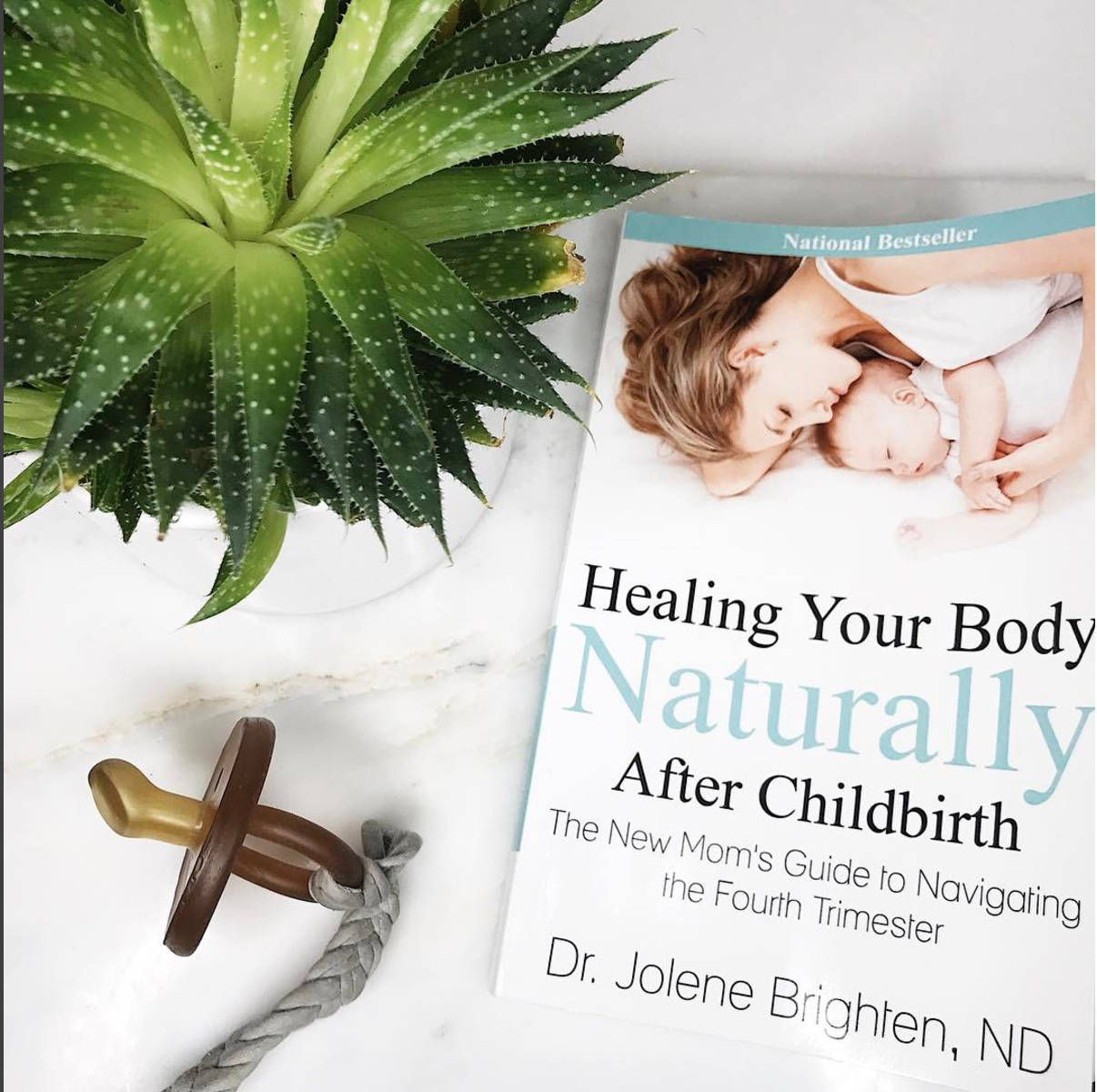
Read Healing Your Body Naturally After Childbirth: The New Mom’s Guide to Navigating the Fourth Trimester
In my postpartum book, I share vital information to healing after baby, thriving in the fourth trimester and completely rocking motherhood!
Taking care of your adrenals and thyroid are vital to creating incredible health after pregnancy and absolutely essential to getting your energy and mood back. That is why I dedicate several chapters to teaching you how these glands work and how you can optimize your hormones.
This is the only book on the market that specifically addresses the needs of a mother struggling with thyroid disease and provides safe and effective treatments that can be used during breastfeeding.
Get your copy of Healing Your Body Naturally After Childbirth and take back your health in motherhood.
Read Your Healthy Pregnancy with Thyroid Disease
Both Dana Trentini and Mary Shomon have experienced pregnancy with thyroid disease. In their book they detail the information women need to know before becoming pregnant, as well as during their pregnancy.
With personal stories and cutting-edge medical advice from leading health practitioners, the book explains how to recognize thyroid symptoms, get properly diagnosed/treated, manage thyroid problems during pregnancy.
Get your copy of Healthy Pregnancy with Thyroid Disease here.
What to Do If You Suspect Postpartum Thyroiditis
Request Testing
If you suspect you’re suffering from postpartum thyroiditis or one of the conditions that may trigger it, ask your doctor for the following tests:
-
- Adrenal Stress Index (ASI)
-
- SIBO Lactulose Breathe Test
-
- IgG Antibody Testing
-
- Celiac disease:
-
- tTG-IgA
-
- IgA Endomysial Antibody (EMA)
-
- Total IgA
-
- Deaminated gliadin peptide (DGP IgA and IgG
- Remember, false positive tests can occur in people with autoimmune conditions. If you have a positive test, a tissue biopsy will help determine if you truly have celiac disease.
-
- Celiac disease:
- Thyroid: Antibodies are highest, on average, between 3-4 months postpartum, which is when I recommend testing, unless you are already having symptoms.
-
- TSH
-
- Free T4
-
- Free T3
-
- Reverse T3
-
- Anti-TPO
- Anti-Thyroglobulin
-
Work with an Experienced Thyroid Expert
It is important that your labs be interpreted using the optimal reference ranges and that your symptoms are considered in conjunction with the results. There are several mechanisms that can contribute to hypothyroidism, which is why you must be examined as a whole person, rather than as a single gland.
Partnering with a doctor who understands the unique needs of a postpartum mom who is struggling with thyroid disease is imperative to your health.
Every woman has increased nutritional requirements the year following childbirth, but women with autoimmune disease require specific nutrients in order to heal and repair after birth, provide enough breast milk to feed baby, and keep autoimmune symptoms at a minimum.
Remove Gluten
If you’re experiencing hyper or hypothyroid symptoms, I suggest you remove gluten. If you plan on testing for celiac disease, test before you eliminate it from your diet as blood tests will only detect what is in your system.
Take Care of Your Adrenals
There’s plenty you can do on your own to support adrenal function. Start small and work your way up. After all, self-care should not be stressful!
-
- B vitamins. The most common nutrients that are needed for restoring the adrenal glands include B vitamins, so I typically recommend a good B-complex with methylfolated folate (activated folate) and methylfolated B-12. This can sometimes be found in a prenatal.
-
- Adaptogenic herbs. Adaptogenic herbs are a beautiful way to restore adrenal function. Some adaptogenic herbs that I find helpful in postpartum moms include licorice, rhodiola, schisandra, reishi, astragalus, and ashwagandha. However, I don’t recommend that any herbs be taken during pregnancy without direct supervision of a skilled and qualified medical practitioner.
-
- Sleep. I know you moms, especially new moms, are either laughing or crying at that suggestion. Even if you’re still waking up with baby, start by sleeping in a completely dark room and create a bedtime routine for yourself and baby. This will help to maximize the sleep you can get!
-
- Find support. Enlist your partner, family, and friends to help you, especially in those early months postpartum. If you can, a postpartum doula can be helpful, or you can hire someone to help clean the house. Do what you can to find time for rest.
-
- Movement. You’ll likely be cleared for exercise around 6 weeks postpartum. At this point, it’s important to get some form of movement in daily. Walking, light jogging, stretching or yoga will do!
- Don’t forget to eat! High quality protein and fat at every meal will help to balance blood sugar and support your adrenal glands. Here are some tips to balance blood sugar.
Remember, all of the statistics outlined here do not account for all the mothers who go undiagnosed. It’s my belief that these numbers would be staggering if we actually listened to mothers’ symptoms and tested appropriately.
My philosophy as a doctor and a mother is that if we want to ensure the health of our future generations it begins by taking care of our mothers— all mothers and our future mothers.