##Maecenas sed diam eget risus varius blandit sit amet non magna. Vivamus sagittis lacus vel augue laoreet rutrum faucibus dolor auctor. Donec id elit non mi porta gravida at eget metus. Etiam porta sem malesuada magna mollis euismod. Vivamus sagittis lacus vel augue laoreet rutrum faucibus dolor auctor. Cras mattis consectetur purus sit amet fermentum. Duis mollis, est non commodo luctus, nisi erat porttitor ligula, eget lacinia odio sem nec elit. Curabitur blandit tempus porttitor. Donec ullamcorper nulla non metus auctor fringilla. Nullam quis risus eget urna mollis ornare vel eu leo. Maecenas faucibus mollis interdum. Cras justo odio, dapibus ac facilisis in, egestas eget quam. Maecenas sed diam eget risus varius blandit sit amet non magna. Curabitur blandit tempus porttitor. Donec ullamcorper nulla non metus auctor fringilla. Nullam quis risus eget urna mollis ornare vel eu leo. Maecenas faucibus mollis interdum. Cras justo odio, dapibus ac facilisis in, egestas eget quam. Maecenas sed diam eget risus varius blandit sit amet non magna.
Ever notice that your appetite seems to increase in the days leading up to your period? If so, you’re not alone. During our weekly Ask Dr. Brighten Q&A on social media I am often asked, “why am I so hungry on my period (or before),” especially for sugary snacks. It’s a common question among my patients too. So if you’ve ever experienced this, know that you’re not alone.
This article will explain what can cause an increased appetite around period time and what to do if those cravings hit.
Why Am I So Hungry During My Period?
Estrogen and progesterone are cyclical, meaning they change and fluctuate throughout the month. They have an impact on our appetite and metabolism that can lead to an increase in feelings of hunger. Experiencing changes in our appetite throughout the menstrual cycle is normal.
What many women experience in the first few days of their cycle is linked to the hormonal changes that happen just before menstruation. It is most common to experience cravings before and the first few days of your period.
Why Am I So Hungry Before My Period?
During the luteal phase (which begins following ovulation), your body releases progesterone to prepare the body for pregnancy.
Progesterone is usually highest around the middle of the luteal phase and is associated with an increase in cravings and hunger. Estrogen, on the other hand, typically has a suppressive effect on our appetite and begins to decline just before menstruation in response to the egg not being fertilized. Depending on the levels of these hormones, you may feel more hungry before your period. The hormonal fluctuations in this phase are one reason women experience symptoms of PMS and cravings or compulsive eating may be part of your PMS symptoms.
What Is Compulsive Eating?
Individuals who experience compulsive eating have a strong, uncontrollable urge to eat large amounts of food, eat very quickly, or eat when not hungry. This is often referred to as binge eating. In individuals who engage in this behavior twice weekly for 6 months or more, it is considered binge eating disorder (BED).
BED is a diagnosis that needs to be made by a healthcare professional. If you find you’re eating in secret, feeling ashamed after a binge, frequently eating large amounts of food uncontrollably, or eating when you’re not hungry, please meet with your healthcare provider.
Why Does Compulsive Eating Happen Before My Period?
Compulsive eating may feel especially problematic prior to menses due to the rise in progesterone. Research has shown that progesterone can be problematic for people struggling with this issue, which is why the impulses may be highest the days leading up to menstruation.
If this is something your struggle with, meet with your healthcare provider. There are lots of ways to support you including cognitive behavioral therapy, nutritional therapy, and more.
Why Do I Crave Sugary Foods and Carbs Before My Period?
On top of increased appetite, many women crave foods high in sugar and carbs. There are a couple of possible reasons for this.
Firstly, sugary treats make us feel good. When we’re stressed, upset, or tired, something sweet can instantly boost our mood and energy. Research has shown that sugar releases serotonin, which modulates our mood.
And many of us find carbs comforting – think pasta, bread, and rice. A study showed that women with higher levels of estradiol in the luteal phase craved more carb-rich foods.
Now, I am not here to shame you for indulging in high-sugar snacks when you crave them. But it is essential to know that sugar highs are always a temporary fix. Besides, sugar can affect our hormones.
Serotonin and Carb Cravings
Your hormone shifts throughout your cycle also impact neurotransmitters like serotonin. Dips in serotonin prior to your period can have your body craving carbs. Carbohydrates can help increase levels of serotonin.
Serotonin is often thought of as the “happy neurotransmitter” because it is significant to mood health. But it can also be a culprit in mood swings and food cravings. If you’re craving carbs, plus feeling sad, irritable, or having headaches—serotonin may be to blame.
So is it bad to eat carbs before during your period? Not at all. In fact, it may not only support your serotonin, but also your overall metabolism.
Insulin Sensitivity and Period Cravings
Leading up to your period your insulin sensitivity may decline meaning you’ll be taking blood sugar into your cells slightly less efficiently. Because of this, you may find you’re more hungry and have stronger cravings.
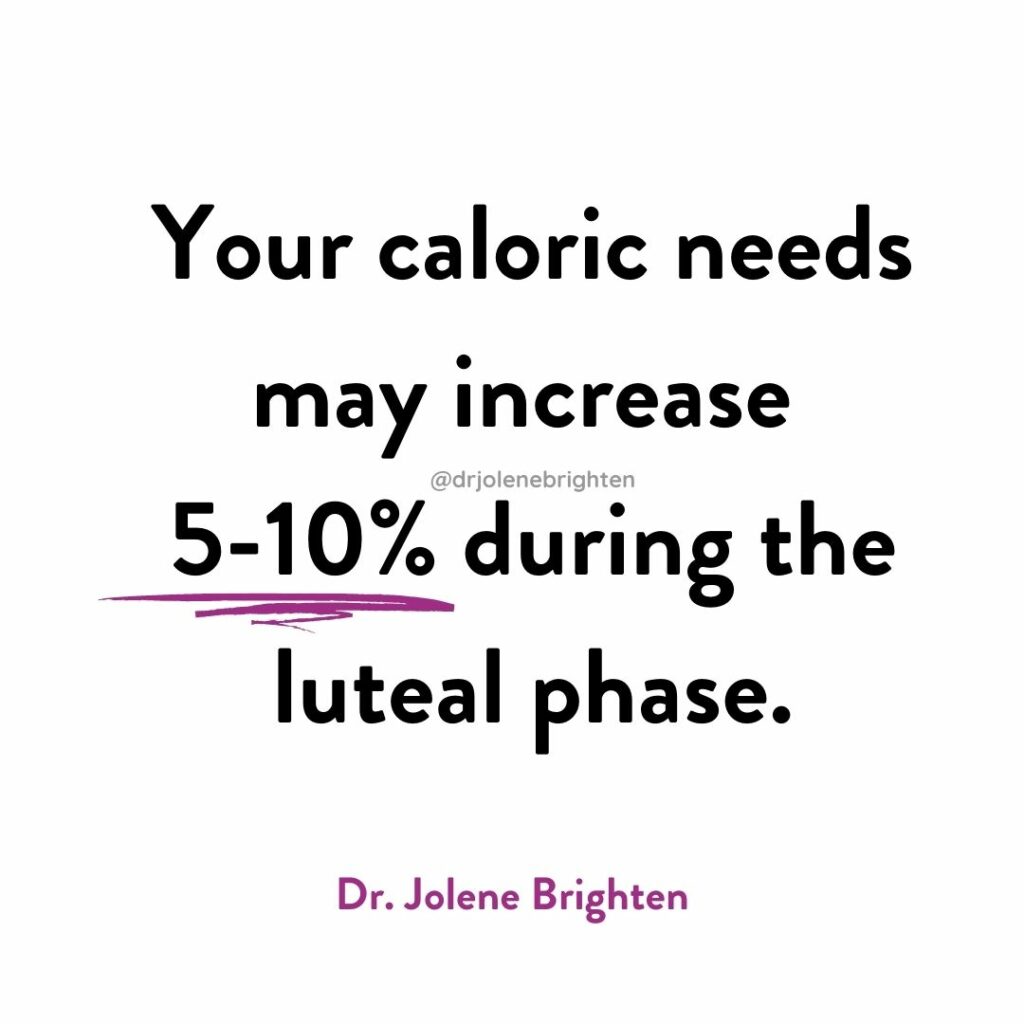
In addition, your caloric needs may increase 5-10% during the luteal phase, which also means you may naturally need more fuel.
You can read more about exercising with your cycle and the physiological changes that happen each month.
Iron Levels and Period Cravings
If you’ve been diagnosed with iron deficiency, or if you suspect that your iron could be low because of heavy periods, you might notice that you tend to have strong cravings. These cravings can last all month long, and you might find yourself particularly ravenous around the time of your period.
This is your body telling you that it’s missing important nutrients, and it’s signaling you to go find foods that contain them.
Why would your period ramp up cravings related to iron deficiency? Especially when heavy periods are an issue, another round of blood loss means your iron levels drop further.
The fix? Work with your doctor to get your iron levels back where they should be, and you might find that your cravings calm down. I don’t recommend supplementing without guidance – you can go overboard with iron supplements, and your body absorbs some better than others.
Women with severe iron deficiency might find themselves craving non-food items, like ice cubes, dirt, or napkins. That’s a condition called pica, which needs immediate medical attention.
How to Control Period Cravings with Food
One of the best ways to feel fuller after meals and get a handle on sugar cravings is to incorporate more protein, fat, and healthy carbs in your diet.
By filling your plate with wholesome, nutritious proteins and vegetables (which contain nutrient dense carbohydrates), you will be better able to stabilize your blood sugar, reducing the chances of sudden, extreme hunger and cravings.
It’s also important to start the day off right. And no, I don’t mean a sugar-packed breakfast cereal that will inevitably cause an insulin spike and then sugar crash. During your luteal phase, make breakfast with complex carbohydrates, protein, and healthy fats so your body feels full and satisfied. You can grab a free meal plan with recipes to support you in doing just this here. . This will give you the energy to take on your day.
Also, try to keep simple, healthy snacks on hand so that if a craving does hit, you have options ready. Nuts, seeds, or veggies with dip are great ideas to keep you satisfied and away from less healthful snacks.
Lastly: Stay hydrated! Thirst is often mistaken for hunger. My advice? Carry around a bottle of water, so you have easy access to your water. You may notice your hunger levels decrease.
How to Control Hunger Before Period with Lifestyle
Stress, lack of sleep, and too little daily movement can all contribute to more severe PMS symptoms, which, in turn, can lead you to be hungry before your period.
I am not saying that reducing stress, sleeping more, and working out will take away those pre-period hunger pangs. I am saying that these lifestyle factors play a huge role in hormone balance, so optimizing them may help reduce the imbalances that cause hunger in the first place.
Stress management
Our modern lives are very stressful. For many of us, stress management falls to the wayside — we have too many other things to do! But when we don’t manage our stress, our adrenals can start to feel the strain, which can lead to imbalanced hormones and a weakened immune system.
Stress management does not need to mean a 30-minute long meditation. (But, if you want to try that, go for it!) It can take the form of a five-minute breathwork session, a short walk in nature, or simply being present in the moment.
Sleep for happy hormones
Another lifestyle intervention that can help you is sleep. Adults need seven or more hours of sleep per night, but many do not get enough Zs. Not sleeping enough can lead to inflammation, so we must get sufficient, restful sleep to start getting our hormones back on track.
Move every day
Another critical part of a healthy lifestyle is movement and exercise. Modern life can be sedentary, especially if your job confines you to a desk. So, it’s essential to make a conscious choice to move more.
Try to do exercises that you love (like yoga, weight training, cardio, brisk walks, etc.) regularly. Exercise makes us feel good, keeps our bowels working (regular bowel movements are vital for eliminating excess estrogen), and helps us achieve better hormone balance.
Hunger Before Your Period: You Can Take Action
Many of my patients struggle with intense hunger around their periods, and while each case is different, I often see hormonal imbalance as a common thread.
Know that in most cases, increasing your intake of quality proteins, fats, fruits and vegetables, working on stress management, prioritizing sleep, and moving daily, you can manage your appetite and say goodbye to cravings before your period.
Anyone looking to balance hormones has tried a diet (or maybe 5) to help them get their hormones back on track. However, balancing your hormones with diet alone might not be getting you the results you really need. That’s where a holistic detox comes in! Different to a normal detox, holistic detoxes incorporate more than just your diet and nutritional intake.
If you are experiencing acne, hormonal headaches, symptoms of estrogen dominance, have a thyroid condition, struggle with adrenal dysfunction or other signs of a hormone imbalance you may need a holistic detox to help balance your hormones. It can also be helpful to support your entire detox system months before trying to become pregnant.
How do you know if you’re in need of a hormone focused detox?
If you experience any of the following symptoms, you’d likely benefit from pushing the reset button on your body and creating a little more internal hormonal harmony:
Low energy
Mood swings
Depression
Anxiety
Irritability
Low mood
Painful, heavy, or irregular periods
Breast tenderness
Bloating
Acne, rashes, or dry skin
Weight gain
Low libido
Vaginal dryness
Hot flashes and night sweats
Infertility or miscarriage
Ovarian cysts or uterine fibroids
Endometriosis
Hair loss or excess body hair
Muscle aches
Joint pain
Estrogen dominance
Clearly these can also be symptoms of other medical conditions. If you’re at all concerned speak to your doctor while you consider a holistic detox for your hormones.
How does a holistic detox balance hormones?
By supporting the liver and other organs of elimination, your body can effectively excrete excess hormones, metabolic waste and environmental toxins.
When people say, “You should detox” or “I’m detoxing” what does that really mean?
Most commonly, what we Naturopathic and Functional Medicine Doctors are referring to when we say “detox” is not only the reduction of incoming toxins, but also the body’s basic physiological process of metabolizing chemicals, hormones, toxicants, and other environmental compounds to a less toxic or harmful form.
The basic premise is to support your organs of elimination, those organs which detox and remove waste from the body — liver, kidneys, gut, lymphatic system, lungs, skin, and sweat glands.
The definition of detox according to the Cambridge Dictionary is: “a period when you stop taking unhealthy or harmfulfoods, drinks, or drugs into yourbody for a period of time, in order to improveyourhealth.”
This definition focuses a lot on what we are consuming, but doing a holistic detox involves more than just food — it also must account for reducing environmental exposures, reducing stress and enhancing your body’s natural pathways of elimination.
We take a three step approach in my clinic, which includes diet, lifestyle and quality supplements. This is the most effective way I’ve found to reset hormones and ditch bothersome symptoms like brain fog, bloating, and period problems. Check out the Hormone Revolution Detox program or read on for 10 steps to a holistic hormone detox:
1. Improve your diet
Diet plays a big role in balancing your hormones. It’s one of the key parts of any holistic detox. Here are some of the foods you should be like to incorporate into your daily meals:
Vegetables: 3-6 cups daily is the minimum. Get those greens in, along with beets, carrots, garlic, onions, broccoli and artichokes.
Protein: Your liver requires protein to run those mighty detox pathways. Eat organic, pasture raised meats, eggs…or if you don’t eat meat, focus on your legumes, nuts and seeds.
Healthy Fats: Avocado, cold pressed olive oil, coconut oil, macadamia nut oil, olives, etc. Keeping your blood sugar balanced and supplying your body with the fuel it needs to create hormones is why healthy fats are crucial to your health.
Water: If you’re not already getting half your bodyweight in ounces of fluid daily, definitely start there. A good rule is to up your intake of water by about 20 extra ounces per day during a detox.
Limit your consumption of toxins and other unhealthy foods
It’s my philosophy that there is on bad food, but there may be foods that are not working for your right now. We have to test how foods are affecting you to understand the best way to bring your hormones back into balance. These are some of the foods thats may be upsetting your ability to complete a holistic detox.
Sugar: It increases inflammation, disrupts blood sugar, stresses your hormones, and is addicting…which is plenty of reason to ditch it!
Alcohol: You probably knew that one was coming, but yes, no alcohol while you’re showing your liver some love. Let it take a break from processing alcohol and other toxins…trust me, you’ll be happy you did.
Inflammatory Fats: Canola oil, corn oil, cottonseed, peanut, etc. You build hormones from fat, so if you want awesome hormones, you can’t be eating these fats.
These fats drive hormones and the immune system wild. Cut them out! And leave them out!
Hormone Disrupting Foods: Soy, dairy, wheat, corn, and all grains.
2. Consider Detox Supplements:
Detox specific supplements support the natural function of the body. A quality detox supplement should contain antioxidants like glutathione, green tea, and alpha lipoic acid. It should also provide nutrients to support all phases of detoxification, including amino acids, B-vitamins, Milk Thistle and Vitamin C. And lastly, protein is absolutely essential! This is often missed in most supplements, but the liver can not do its job without quality protein.
You probably know by now that not all supplements are created equal. I am super picky about the supplements I recommend in my clinic and wouldn’t stand behind anything that I wouldn’t give to my family. Make sure if you’re using a detox supplement that it is gluten-free, non-GMO, and does not contain sugar, hydrogenated fats, or food coloring.
The detox kit I use in my practice (and sell in my store) are made with the highest quality ingredients and provide comprehensive detox support. Because we all have individualized needs, I have created two options protein options—bone broth or pea protein based. The Paleo Detox Kit is made with highly concentrated, pure bone broth protein isolate. While the Plant Based Detox Kit is made with a pea protein and includes extra digestive support for maximum absorption.
3. Cut Toxins Out:
Check your cleaning products, lotions, lipsticks, nail polish and other beauty products. Parabens, formaldehyde and synthetic fragrances are a handful of the hormone disrupting chemicals found in regular beauty products. Check out EWG Skin Deep Database to make sure your makeup is safe.
Exercise, sweat and enjoy yourself! Movement will get your lymphatic system moving, your blood flowing and the sweat will move waste out of your body. Get about 30 minutes daily of movement with 2-3 days of HIIT, 2 days of strength training and 2-3 days of yoga/mind-body exercise.
Having a friend join you in your holistic detox or being part of a group will help you get the support you need and keep you accountable. For women, feeling the support of others and having a group you can depend on does wonders for your hormones. That’s why I include a private Facebook group during the Hormone Revolution Detox. It helps women create new friendships with other ladies who are living a hormone loving lifestyle. But beyond that, it helps women get the support they need and their questions answered as they begin to balance their hormones.
Take 5 minutes every morning to tune into your breath, your body and your thoughts. Allow those thoughts that no longer serve you to be released and set your intentions for the day. Incorporate deep breathing to engage the “rest and digest” aspect of the nervous system.
Aim for 50-100 cleansing breaths… like you’re blowing bubbles. Set an alarm to take these breaths every hour or at the start and end of every day. This will relax your mind and help your lungs release metabolic waste.
8. Journal:
Let those emotions flow…and let them go! Write down your thoughts, free from judgement, and just allow them to be released in the process. Keep a notebook next to your bed and empty your thoughts prior to bed.
9. Sleep
Aim for 8 hours (or more) every night during your holistic detox for hormones. Sleep is where you recover, repair and restore the body for the next day. It is also an important time for your melatonin and growth hormone to do their work, so make sleep a priority.
10. Visualization
You can certainly make a vision board, but you don’t need a special board on a wall to take a mini-vacay to future you. Just close your eyes, think about your goals and then envision what it feels like to reach those goals. What will you feel? What will your life look like?
This practice will not only help keep you motivated, but it will also decrease your stress and help you get organized — 2 little things your hormones happen to love!
In need of more support? Check out how the Hormone Revolution Detoxcan help you improve your energy, mood, period and libido!
This program takes you through a 21 day program that is designed to help you solve your hormone symptoms and eliminate them for good.
I know not everyone can make the trip to see me in my clinic, so I created a program that could help women balance their hormones and feel better quick. In it, I take you through the necessary steps and provide resources, like meal plans, recipes, detox guides and more, to help ensure your success.
Here’s what some of the women who have gone through the program have experienced.
“I have more energy now than I’ve had in my life. It’s really unbelievable how good I feel.” Gretchen E.
“My digestion has improved and I have less cramps with my period.” Daniel M.
If this sounds like it is right for you then I encourage you to follow the link below. If not, then I want you to know I’m happy to continue supporting you and hope you’ll check out some of the other hormone articles I have on my website.
Maca is an herb that has long been used in women’s health to increase energy, boost libido, and eliminate uncomfortable symptoms like hot flashes. Adaptogens are gaining steam in the health and wellness realm, as more and more people are learning how these herbs (many of which have been used in traditional medicine for thousands of years) can bring balance to chaotic hormones. Maca powder benefits have long been reported by women who use this root and there is research to show several ways in which Maca can improve our health.
In this article, I’ll be answering an important question about the main mojolicious adaptogen: What are the health benefits of Maca powder?
Benefits of Maca Root
Alleviate menopausal symptoms
Improve your mood
Boost energy and endurance
Protect skin from sun
Improve brain health and memory
Increase libido
Increase fertility
Lower blood pressure
Increase antioxidants
What is Maca root?
Maca root (also known as Peruvian ginseng) is a hardy plant grown in the Andes. It’s a cruciferous vegetable, so it’s related to one of my favorites, broccoli. Maca is an adaptogen, and is available for consumption as a powder (made by grinding up the root), as a tincture or as a supplement in pill form.
What are adaptogens?
Adaptogenic herbs are becoming more and more famous for their ability to restore harmony to various hormones and systems in the body, most notably the adrenals. That’s right, this old school herbal medicine just became internet famous. 😉
Adapatogenic herbs support your body in what it does naturally, which means they won’t help you run yourself into the ground. If you’re skipping sleep, exercise and pulling all nighters then know that these herbs will only take you so far. Adaptogens help your body modulate healthy function and can take three months or more to notice their effect.
In my practice, we use the Optimal Adrenal Kit, which contains a blend of adaptogenic herbs, minerals, vitamins and amino acids to provide comprehensive adrenal care.
The typical way my patients use the kit is… ☀️Adrenal Support 3 caps with breakfast ☀️B Active Plus 1 cap with breakfast Adrenal Calm 3 caps after dinner (we call this the “chill pill” in my clinic)
What are the benefits of maca powder?
And now we get into the juicy stuff: the benefits of maca powder. Maca is perhaps best known for improving libido and enhancing sexual desire. However, it has many other powerful uses that can support our health.
As an adaptogenic herb it can support healthy energy levels, better moods, and dampen down hormonal chaos that stems from imbalance.
Alleviate Menopausal Symptoms
Maca powder can help ease hot flashes associated with menopause. Additionally, because adaptogens are great for supporting the adrenals, maca can be used to regulate cortisol. This is important because during menopause, the adrenals play a huge role in your health by producing DHEA and other hormones.
Read more about how to naturally eliminate the symptoms of menopause in this article.
Improve Your Mood
Studies have shown that maca is a great mood-booster, largely due to the presence of flavonoids. Flavonoids are believed to reduce depression and anxiety.
Boost Energy and Endurance
Maca has become the endurance-enhancing supplement of choice for many athletes and fitness fundis. It has also been touted for increasing muscle mass. While these benefits are widespread anecdotally, currently, no scientific evidence exists to support them.
Protect Skin from Sun
Interestingly, Maca has been shown to protect the skin from sun damage. In a study conducted on rats by the Universidad Peruana Cayetano Heredia in Peru, it was concluded that Maca can provide protection for the skin against UV radiation in a similar fashion to conventional sunscreen.
Improve Brain Health and Memory
One of the amazing Maca powder benefits is how it can boost your brain power! Maca can increase mitochondrial activity and regulate autophagy signaling (both of which typically decrease with age and can lead to cognitive impairment). It could therefore be an effective tool in slowing down an age-related decline in cognition.
Increase Libido
So now that we know Maca is good for more than just your mojo, let’s dive into how it can increase sexual desire and help with a low sex drive in both men and women. Studies have shown that Maca, when taken regularly over a period of time, can increase libido.
To help get your groove back, add 5 grams of Maca to your smoothie in the morning and enjoy a second dose at lunch (daily).
I’ve written loads on why Maca can help with low libido and sexual dysfunction. Check out these articles for more information:
There are studies that show that when maca is taken by men, it can help increase the volume and motility of sperm, thereby increasing fertility.
In women, maca promotes balanced estrogen and progesterone levels. When these hormones are out of balance, and are too high or too low at the wrong times in your cycle, it can affect your ability to conceive.
Reduce Blood Pressure
There is research pointing to the ability of maca root to reduce blood pressure. In a randomized, double-blind, placebo-controlled, cross-over 2015 study conducted on postmenopausal women in China, it was discovered that daily doses of maca for 12 weeks led to reduced blood pressure.
Increase Antioxidants
Maca root is an effective tool to decrease the effects of free radicals in the body by encouraging antioxidants (such as glutathione and superoxide dismutase) to flourish. Free radicals cause damage to cells in the body, inflammation, and oxidative stress. Antioxidants help to neutralize free radicals, and are therefore vital.
How does maca root regulate hormones?
Since maca is an adaptogen, it helps regulate the body’s response to stress. Healthy cortisol levels enable the body to put less energy into the stress response and more energy into balancing other hormones.
Maca nourishes the hypothalamus in the brain and the pituitary gland. Since these are responsible for the proper function of so many systems in the body (I’m talking the thyroid, pancreas, ovaries and more!), when they are properly stimulated, it can lead to a positive ripple effect throughout the body.
The full effect of maca on hormones is not fully understood yet, but there is research that indicates that maca has a positive impact.
Why does maca alleviate menopausal symptoms?
This is another facet of maca that is not completely understood yet, but maca is packed with nutrients that help regulate estrogen and other hormone levels. This leads to fewer hot flashes and night sweats in menopausal women.
After menopause, women are more prone to osteoporosis, and there is research that shows that maca can be helpful in improving bone density.
Loss of libido is common in menopausal women, and maca is an effective tool in supporting sexual function.
Are there any risks associated with maca powder?
While maca is generally considered safe, it’s important to note that (like any supplement) it may not work for everyone.
Side Effects
Maca can cause stomach discomfort in some women. If this is true for you, try lowering the dosage.
Some women also find maca too stimulating (it causes a “wired” feeling in some people). Try a lower dose and slowly work your way up as your body gets used to the herb.
Warnings
For some women, maca can be overstimulating. This is why I recommend the Mighty Maca blend and going slow. If it makes you feel too stimulated then it might not be for you. It’s best to speak with your medical practitioner when deciding whether adding maca to your regimen is a good idea.
Women who are pregnant should not take maca.
Dosage
First things first: If you’re consuming maca root (not the powdered or capsule form), ensure that it is boiled first.
Typical starting dose is 500–1,000 mg daily (if you feel jittery after, lower your dosage and increase it slowly over time).
Maca (also called Peruvian ginseng) is a South American adaptogenic crucifer grown in the Andes. It has many potential health benefits for men and women, including better brain function, increased libido and fertility, UV protection and more. As an adaptogen, it works to regulate stress in the body, leading to better hormonal balance.
Maca is a potent herb that can be overstimulating for some—it can cause a “wiredness” similar to that after consuming caffeine. If this is the case for you, start small and work up to a full daily dose, so your body has time to adjust.
Looking for better hair, skin, and nails? Biotin is hands down one of the best nutrients to help with strong nails, healthy skin, and luscious locks. But there is a whole lot more to biotin than just looks.
Biotin (vitamin B7) is one of the eight B vitamins. It is an essential nutrient with myriad functions in the body. Today, we’ll take a closer look at biotin: Where can we find it? Why do we need it? How do we know if we are deficient? We’ll also talk about the best way to include biotin in your routine with diet and supplements.
What is biotin?
According to Medicine Net, the definition of Biotin is:
“A water-soluble B-complex vitamin involved in carbon dioxide transfer and therefore essential to the metabolism of carbohydrate and fat. A balanced diet usually contains enough biotin. Foods with high biotin levels include nuts, cereals, green leafy vegetables and milk.”
Therefore, Biotin is part of the B vitamin family (it’s also known as vitamin B7). Since biotin is water soluble, it is not stored in the body, so excess biotin is excreted in urine. This helps lower the risk of toxicity, but also means you need to be replenishing your levels with food and supplements.
Biotin is naturally-occurring in:
Nuts and seeds
Organ meats (e.g. liver)
Egg yolk
Avocado
Bananas
Cauliflower
Mushrooms
Leafy greens
Cheese
Looking to build a hormone balancing diet that works for your body? Grab my free meal plan & recipe guide aimed at helping you get your hormones in check!
What can biotin do for you?
Biotin is probably best known for its benefits for healthy hair, skin, and nails. It is said to restore strength to brittle nails, encourage hair growth, and lead to younger-looking skin.
Biotin for hair loss
While there isn’t a ton of research to demonstrate that high dose biotin is an effective treatment for alopecia, hair loss. This may be because hair loss can be due to a combination of issues including, biotin deficiency, autoimmunity, hormone imbalance and more. Many people have used biotin to encourage healthy hair and as you’ll find, many people swear by it.
Because biotin deficiency does cause hair loss, it is included in various “hair growth” masques and other products (just so you know, before you go shelling out on these “miracle products”, biotin is most useful when consumed. It is not absorbed well through the skin).
Ever heard of keratin? It’s a protein that makes up our skin, hair, and nails. Biotin improves the architecture of keratin, so that’s one way it could help promote and support healthy hair growth.
Biotin for brittle nails
Since biotin improves the quality of keratin (the protein nails are made of), it is helpful in restoring strength and flexibility to brittle, soft nails.
Research has shown that biotin supplementation can help people experiencing problems with their nail health. In this study, of 32 people, one group composed of eight people with brittle nails experienced a whopping 25% increase in the thickness of their nails.
Other biotin benefits
May help diabetics
Research has shown that biotin can help lower blood sugar. It also helps support insulin, encouraging better blood sugar balance.
In diabetes there is a dysfunction with insulin with either lack of production or resistance at the cell so that insulin can’t be used. Biotin may help with the production of insulin and support the blood sugar lowering effects of this hormone.
In one small study it was shown that supplementation with 9 mg of biotin was associated with an average reduction in blood sugar by 45% within one month. There have been other studies to show less promising effects, which means we definitely need more research to understand the benefits of biotin in diabetes.
Supports the adrenals and thyroid
Biotin aids in proper endocrine function. Biotin deficiency can result in dysfunction of both the adrenals and thyroid.
Biotin supplementation has been shown to cause false elevations of thyroid hormones, while also leading to falsely lowered TSH on labs. What does this mean? It means that your labs may show that you are hyperthyroid when in fact, you are not. Biotin does not cause hyperthyroidism. Instead it impacts the accuracy of the labs. A doctor correlating your symptoms with your labs would understand that you are not hyperthyroid based on labs alone.
What’s the solution? It is recommended to discontinue biotin supplementation 72 hours prior to lab testing.
May help Multiple Sclerosis
Multiple Sclerosis (MS) is an autoimmune disease that causes the destruction of the myelin sheath. The myelin sheath is what covers nerves and enables them to function properly. It’s like the orange plastic material that coats and extension cord. Without it, the electrical current doesn’t go from point A to point B.
Because biotin helps with fatty acid synthesis or in other words, the creation of fat, it is believed to support the neurological system. The myelin sheath and much of your brain and spinal cord are dependent on healthy fats to function.
In one multicenter, randomized, placebo-controlled trial there was significant clinical improvements in people with progressive MS who received 300 mg of biotin for 48 weeks. In patients given the placebo there were no significant improvements noted.
In another nonrandomized, uncontrolled pilot study of 23 people with progressive MS, high doses of biotin (100–600 mg per day) led to clinical improvements in visual loss and partial limb paralysis.
While biotin therapy has shown great promise in MS, it is important to remember that many factors impact this disease and its progression. As such, it is important to partner with a root cause medical provider in order to make sure you’re addressing your individualized needs.
What are the symptoms of a biotin deficiency?
Biotin is a very important vitamin, and it’s vital that we have adequate amounts in the body. Biotin deficiency initially presents with hair, skin and nail symptoms. Longer term deficiency then begins to manifest as neurological symptoms. While biotin deficiency is rare, because it is present in a variety of popular foods, it is still possible.
Symptoms of Biotin Deficiency:
Hair loss (alopecia)
Conjunctivitis (red, inflamed eyes)
Skin rashes (similar to eczema)
Seborrheic dermatitis (dandruff)
Seizures
Depression
Fatigue
Weakness
Lethargy
Low muscle tone
Ataxia (lack of coordination)
Susceptible to bacterial and yeast infections
Rashes on the face
Biotin deficiency can result in rashes on the face and body, and even seborrheic dermatitis (also known as dandruff). The rashes often appear red and scaly.
If you’re experiencing unexplained rashes, as your doctor if biotin supplementation should be considered.
Thinning of the hair
Many women with Polycystic Ovarian Syndrome (PCOS) report improvements in hair growth when supplementing with biotin. This may be due to the effect on both hair synthesis and biotin’s ability to support optimal blood sugar. Hair loss is common in women with PCOS, as is blood sugar dysregulation. In fact, insulin and blood sugar metabolism are the root cause of many women’s PCOS. You can read more about PCOS here.
Despite there not being much research on the efficacy of biotin as a miracle hair vitamin some claim, a lack of biotin can result in hair loss. If you are losing more hair than is normal for you, a biotin deficiency may be the cause.
Research has shown that supplementing with biotin when experiencing a deficiency can encourage new hair growth.
And remember, you need biotin to actually make hair, so be sure your diet is filled with biotin rich foods.
Depression or lack of interest
Depression doesn’t always show up with just a feeling of being sad. Depression can also look like fatigue, disinterest in activities that normally bring joy, social isolation, and lack of motivation.
If you do not get enough biotin in your diet and become deficient, it is possible to experience symptoms of depression, lethargy, and a general feeling of malaise.
Often, these symptoms resolve with supplementation. Some people will need to be on a supplement for life, however.
Conjunctivitis
Conjunctivitis is commonly referred to as “pink eye.” The conjunctiva is a layer of tissue that covers the whites of your eyes. When inflamed it turns a red color, which is why it gets the name pink eye.
While it can be due to infection, it may also be a sign of biotin deficiency. Conjunctivitis is typically only found in severe cases of biotin deficiency.
Seborrheic Dermatitis
You may have heard of cradle cap, which is the term seborrheic dermatitis that babies get. But adults experience this too.
Seborrheic dermatitis is one of the most common inflammatory skin conditions. It can show up on the scalp, face, inside your ears, on your eyebrows and for men, in their beard. It is classically a white to yellow scale that forms in areas of oil production.
A study of 541 females showed that biotin deficiency could lead to seborrheic dermatitis, and supplementation could be helpful in alleviating the symptoms.
Seizures
At its core, a seizure is a sudden electrical disturbance in the brain that can cause uncontrollable movements, feelings and loss of consciousness.
Inadequate levels of biotin can lead to seizures. Additionally, anticonvulsant medications (used to treat seizures in people with epilepsy) can lead to biotin depletion, so supplementation may be necessary.
Talk with your doctor if you are currently taking any medication to ensure you’re not at risk of a biotin deficiency due to medication depletions.
Fatigue
Any nutrient that supports healthy blood sugar, adrenal function, and thyroid health can help energy. In the case of biotin, it does all of this, plus supports energy production within the cell. It is an important nutrient that enables the mitochondria (cellular energy machines) to do their job.
In a study conducted on mice, biotin deficiency led to fatigue. Interestingly, the brain and muscles did not indicate biotin deficiency, but the liver did. Once the mice were given biotin, their symptoms reversed.
Lethargy
Lethargy is more than just lack of energy. It can also show up as apathy, lack of interest in fun activities, and feeling like you’re more lazy than your normal self. Lethargy is another neurological symptom associated with biotin deficiency.
Muscle Weakness
Without biotin, the mitochondria and nervous system can’t function at their best. In severe deficiency this can result in muscle weakness.
Infants with biotin deficiency may show signs of weak muscles.
Low muscle tone
Muscle strength, as we just discussed, is when you activate your muscles. It is different from muscle tone.
Muscle tone is about tension in the muscle when it is at rest. Low tone means there is very little tension and your limbs may appear floppy. Low tone results in a lack of fine motor skills, inability to maintain posture, lack of endurance for both gross and fine motor activities, poor coordination, and difficulty standing still. If you find you constantly need to lean against a wall or use something to prop yourself up then you may have low muscle tone.
Low muscle tone is a symptom usually associated with babies. A baby with low muscle tone can appear ‘floppy’, and not be able to control his or head very well.
Ataxia
Ataxia is a medical term used to describe the loss of control in movement. Inability to pick items up, slurred speech, stumbling, falling when trying to stand up or walk can all be signs of ataxia.
Biotin-responsive basal ganglia disease (also called thiamin metabolism dysfunction syndrome-2) can cause ataxia, or a lack of coordination, in children. The symptoms usually begin to manifest around three or four years old.
Susceptible to bacterial and yeast infections
Biotin deficiency can make an individual more susceptible to bacterial and yeast infections.
Finding you can’t clear yeast infections, athlete’s foot, fungal overgrowth on your toe or experiencing strange rashes that are related to yeast? Make sure your doctor is evaluating you for a biotin deficiency.
Who is at risk of a biotin deficiency?
While biotin deficiency is very uncommon, certain groups of people are more prone to it than others.
Risk of Biotin Deficiency is Higher:
Pregnancy
Breastfeeding
Alcoholism
Long-term antibiotic use
Certain medications like anticonvulsants and isotretinoin (retin A)
Celiac disease or conditions that impact nutrient absorption through the intestines
Congenital defects
Smokers
Consumption of raw egg whites for a long period of time*
*Interestingly, raw egg white contains avidin, a protein that binds biotin so your body can not access it. Cooking eggs whites denatures this protein and increases the bioavailability of biotin.
Pregnant women
You may notice that most prenatal vitamins contain biotin. The B vitamins as a whole are very important in the development of a healthy fetus, so it is important for mama to get enough of them.
Biotin is involved in the rapid cell division that takes place early in pregnancy. Deficiency of biotin has been shown to be teratogenic (causes birth defects) in many species.
Some studies have shown that as pregnancy progresses, biotin levels decrease and are significantly lower in the third trimester. It has been estimated that a substantial portion of pregnant women are marginally biotin deficient, meaning it can impact baby, but mom doesn’t present with overt deficiency symptoms. Studies have shown that supplementation of 300 mcg daily helps minimize issues of deficiency after just two weeks. This is why you’ll find 300 mcg of biotin in my Prenatal Plus supplement.
Additionally, women who are lactating need more biotin than the average person, because they have a higher biotin output.
Breastfeeding
Breastfeeding is one of the most energetically demanding phases in a woman’s life. In fact, many nutrients have higher recommended intake levels for this reason. Biotin is no exception.
A study concluded that biotin metabolism is altered in lactating women, which suggested that a higher recommended intake may be necessary for women who are breastfeeding.
Smokers
So we all know smoking is a bad habit for a myriad of reasons. It has absolutely no benefits, and a LONG list of horrible side effects (e.g. lung damage, cancer, heart disease…I could go on, but you get the gist). One negative effect of smoking that you may be unaware of is the possibility of a biotin deficiency.
Studies have shown that women who smoke metabolize biotin faster, which leads to a mild biotin deficiency.
If you are a smoker (of anything) or exposed to secondhand smoke, you may want to consider biotin as part of a B vitamin complex.
Alcoholism
Alcohol intake is associated with several nutrient deficiencies, including biotin. Chronic intake of alcohol can lead to a large reduction in plasma biotin levels.
If you consume alcohol regularly, consider taking a multivitamin or prenatal to help safeguard against nutrient deficiencies. Of course, the ideal is to limit alcohol intake rather than simply trying to out supplement it. However, I am a firm believer in harm reduction in lieu of judgement while you work on the root cause of the behavior.
Long-term antibiotic use
Those good gut bugs do a whole lot for our health, including making biotin. Therefore, anything that kills off these critters can drive a biotin deficiency.
Antibiotics destroy both harmful and beneficial bacteria in the gut. Therefore, long-term use will end up destroying biotin-producing bacteria, too.
Certain medications like anticonvulsants and isotretinoin (retin A)
Anticonvulsants (like those used to treat seizures in people with epilepsy) and isotretinoin can deplete biotin, leading to inadequate biotin levels in the body.
Celiac disease or conditions that impact nutrient absorption through the intestines
Celiac disease is when your immune system attacks your gut in response to gluten exposure. It hinders your ability to digest and absorb nutrients.
Malabsorption of nutrients is characteristic of Celiac disease. People with a compromised ability to absorb nutrients are at an increased risk for nutrient deficiencies, including biotin deficiency.
Congenital defects
If during pregnancy a woman does not have enough biotin, there is a chance of congenital defects in her child (in some animals, maternal biotin deficiency has been known to cause cleft palate and skeletal abnormalities).
In addition, there are inherited defects that can affect your biotin status. When in doubt, meet with your doctor to find out if this is true for you.
Dietary causes of biotin deficiency
Certainly if you are not eating enough biotin rich foods you could develop a deficiency. But did you know that consumption of raw egg whites for a long period of time have also been associated with deficiency? Skip the raw egg white protein drinks and instead opt for eggs where the whites are solid.
Biotin Rich Foods
Egg, cooked 13-25 mcg
Liver 27-35 mcg
Salmon 4-5 mcg
Avocado 2-6 mcg
Raspberries 0.2-2 mcg
Cauliflower 0.2-4 mcg
Yeast packet 1.4-14 mcg
Sunflower seeds 2.6 mcg
Biotin Supplements
Biotin is beneficial for immune function, blood sugar regulation, hormone balance, energy production, healthy moods, pregnancy and breastfeeding, and nervous system support. It is also used to build strong and healthy hair, skin and nails.
Biotin Dosage
The adequate intake for an adult is 30 mcg daily. Thirty micrograms is also considered adequate for pregnant women, whereas breastfeeding women adequate intake levels are set at 35 mcg. However, many experts feel that this is substantially lower than what a typical individual needs to feel optimal.
There is no Recommended Daily Allowance (RDA) because there isn’t substantial research to support recommendations.
B-Active Plus is a Comprehensive B Complex Vitamin
This very powerful B vitamin combination formula supplies most of the B vitamins in their coenzymated forms, so the body does not have to phosphorylate them in order to be used in biochemical reactions. Say what? Basically they are in their active form, which the body can easily use.
This formula provides the nutrients your body needs to produce energy at the cellular level, while also supporting adrenal and thyroid function. In addition, important nutrients like vitamin B6 are readily available for your body to build healthy hormones and neurotransmitters.
B vitamins are essential for liver detoxification of your own natural hormones, xenoestrogens (estrogen mimicking chemicals) and environmental toxins.
This formula also includes a proprietary blend of active isomer naturally-occurring folates. TMG and choline are included to support methylation.
Build your hormones, immune system and give your body what it needs to support what it does naturally! Women’s Twice Daily is a full-spectrum multivitamin with specially processed minerals that are aimed at supporting maximum absorption and bioavailability. This powerhouse multivitamin supplies supportive nutrients not normally found in regular multis, such as alpha lipoic acid, TMG, fruit bioflavonoids, choline, and inositol.
This formula also contains high gamma tocopherol vitamin E, high levels of all the B vitamins, including a proprietary blend of active isomer naturally-occurring folates, and natural mixed carotenoids.
This multivitamin contains 2 mg of copper as copper glycinate chelate, a stabilized mineral chelate from Albion Minerals that reduces the risk of free copper in the body, which can cause oxidative stress. This multi is also iron and PABA free.
If you’re a woman who is no longer menstruating or have issues with iron metabolism, this multivitamin is the better choice when compared to Prenatal Plus.
Prenatal Plus provides optimal supplementation for pregnant women, lactating women, and women wishing to become pregnant. The earlier supplementation begins the better because women need adequate nutrient stores to meet the greater nutrient demands for a growing baby.
This prenatal multivitamin contains our proprietary NatureFolate™ blend of active isomer naturally-occurring folates in place of synthetic folic acid. The minerals chosen for Prenatal Plus are true chelates, which provide superior absorption compared to those found in standard prenatal vitamins.
This formula is the better choice for menstruating females as it provides iron, an important mineral that is lost with menstrual blood.
Many of us take multivitamins, which typically include all the B vitamins (as well as other vital vitamins and minerals). Some of us may choose to take a Vitamin B Complex, which contains all the B vitamins.
I usually do not recommend supplementing with just one type of B vitamin, because increasing one could lead to a decrease in another, and create an unpleasant ripple effect from there. However, if you are deficient in a certain vitamin (e.g. you have a biotin deficiency), your healthcare practitioner may put you on a supplement containing just that one nutrient.
The next time you pick up your multivitamin or B Complex, check to see if it has all the B vitamins:
B1 – thiamin
B2 – riboflavin
B3 – niacin
B5 – pantothenic acid
B6 – pyridoxine
B7 – biotin
B12 – cyanocobalamin
Folate (not folic acid)
Biotin Benefits – Summary
Biotin (vitamin B7) is an essential nutrient, which is present in a well-balanced whole-foods diet. It is best known for encouraging hair growth, healthy skin, and strong nails. Lesser known benefits include better blood sugar regulation, energy production, muscle strength, and neurological support.
A biotin deficiency is quite rare, but is possible (especially in pregnant women and smokers). Biotin deficiency can cause a skin rash, thinning hair, and symptoms of depression. Supplementation typically resolves these symptoms.
Biotin is usually present in multivitamins and Vitamin B Complexes. It is also present in a wide array of widely consumed foods such as avocados, nuts and seeds, and bananas.
Want to make sure you are eating a balanced, nutritious diet? Click to download my Hormone Balancing Starter Kit. You’ll get a week’s worth of delicious hormone-loving recipes, an E-book, articles, and more!
Maca is an herb that has long been used in women’s health to increase energy, boost libido, and eliminate uncomfortable symptoms like hot flashes. Adaptogens
Odds are that if you’re struggling with symptoms of hormone imbalance, PMS, PCOS, infertility, endometriosis, irregular periods, missing periods or any other period problem, you’ve
Ashwagandha is an adaptogenic herb that has become increasingly popular as more people learn about how herbal medicine can support their health. It has myriad
Hypothyroidism and the menstrual cycle are intimately tied. While thyroid hormone isn’t a sex hormone, it does play a role in keeping your period regular.