
Libido

##Maecenas sed diam eget risus varius blandit sit amet non magna. Vivamus sagittis lacus vel augue laoreet rutrum faucibus dolor auctor. Donec id elit non mi porta gravida at eget metus. Etiam porta sem malesuada magna mollis euismod. Vivamus sagittis lacus vel augue laoreet rutrum faucibus dolor auctor. Cras mattis consectetur purus sit amet fermentum. Duis mollis, est non commodo luctus, nisi erat porttitor ligula, eget lacinia odio sem nec elit. Curabitur blandit tempus porttitor. Donec ullamcorper nulla non metus auctor fringilla. Nullam quis risus eget urna mollis ornare vel eu leo. Maecenas faucibus mollis interdum. Cras justo odio, dapibus ac facilisis in, egestas eget quam. Maecenas sed diam eget risus varius blandit sit amet non magna. Curabitur blandit tempus porttitor. Donec ullamcorper nulla non metus auctor fringilla. Nullam quis risus eget urna mollis ornare vel eu leo. Maecenas faucibus mollis interdum. Cras justo odio, dapibus ac facilisis in, egestas eget quam. Maecenas sed diam eget risus varius blandit sit amet non magna.

Most Popular

Perimenopause is a time of hormonal decline as the body prepares to stop ovulating and...

Serotonin is a key hormone in promoting feelings of happiness and well-being. It plays a role in regulating your digestion, sleep, bones, inflammation, libido, and memory. If you’re dealing with depression, anxiety, mood disorders, or insomnia, you may want to ask your doctor about a possible serotonin deficiency.

You can support your body’s natural happiness hormone by understanding how serotonin works in the body. Discover how to increase serotonin naturally with simple lifestyle changes, and learn when your body might need support from supplements or medications.

Depression is a very real struggle, and support is easy to reach. If you’ve found this article because you are considering self-harm, call the National Suicide Prevention Lifeline at 1-800-273-8255 right now, or visit their website for free, 24/7 live chat support.

What Is Serotonin?

Serotonin (5-hydroxytryptamine) is a molecule that helps your nervous system communicate. You may know it as “the happy molecule” for its role in regulating happiness, anxiety, and mood. While most serotonin operates in the gut, scientists best understand the effects of serotonin in the brain, where it impacts our mood and sleep.

Is Serotonin a Hormone or a Neurotransmitter?

The short answer is, serotonin can work as a neurotransmitter or a hormone, depending on where you find it. Serotonin functions as a neurotransmitter in the central nervous system (your brain and spinal cord) and as a hormone in the peripheral nervous system (everywhere else). 

What Does Serotonin Regulate?

Serotonin plays several roles throughout the body, many of which we’re still working to understand. Did you know that 95% of your serotonin actually exists in your gut and not your brain? Still, we tend to associate serotonin with its effect on mood and happiness. 

Research shows that high serotonin in the brain general means happier moods, while low serotonin may be linked to an increased risk for depression. 

That said, it’s not entirely clear whether serotonin regulates our mood, or our mood affects our serotonin. Research shows that adequate serotonin in the brain is important in regulating our anxiety and fear responses.

Serotonin also supports healthy sleep. Our bodies use serotonin to produce melatonin, the hormone that regulates our inner clock and sleep cycles. Our digestive system also benefits from serotonin, as it plays a role in regulating sugar levels, reducing inflammation in the gut, and keeping food moving through your digestive tract

Signs You Need To Increase Serotonin Levels

A serotonin deficiency can occur when serotonin production is too low, or when there’s enough serotonin, but your brain isn’t using it properly. This can happen when your brain has too few serotonin receptors or when serotonin is being stored or broken down too quickly.

You can read all about serotonin deficiency and its symptoms here.

Because we can’t test directly for serotonin levels in the brain, your doctor may identify a serotonin deficiency through symptoms. The best-known signs of low serotonin include depression and anxiety, often accompanied by poor sleep. Less severe symptoms, such as general sadness (especially with a lack of sunshine), low self-esteem, brain fog, and anger can also point to low serotonin.

How To Increase Serotonin With Drugs

Many pharmaceutical treatments for depression and anxiety focus on boosting serotonin. SSRIs, or selective serotonin reuptake inhibitors, are a common group of prescription antidepressants. SSRIs don’t actually increase serotonin, but they do help your brain get the most mileage out of the serotonin already present. 

How do SSRIs work? 

Serotonin acts like a messenger in our brains’ synapses (the space between neurons). As long as serotonin is present in the synapse, it can continue sending messages. Eventually, active serotonin molecules get reabsorbed by a neuron. SSRIs can reduce symptoms of depression by preventing this reabsorption, allowing the serotonin to stay in the active synapse area. 

This means that even with low serotonin, your brain neurons can still receive the messages they need to fuel a positive mood. A similar family of drugs, SNRIs (serotonin and norepinephrine reuptake inhibitors), reduce the reabsorption of both serotonin and norepinephrine.

Common SSRIs include Prozac®, Celexa®, and Zoloft®.

Common SNRIs include Pristiq®, Cymbalta®, Savella®, Effexor®.

While SSRIs can be hugely beneficial in some cases, they have a downside: the long-term use of SSRIs can make serotonin deficiencies even worse. Additionally, while SSRIs can reduce depression symptoms by increasing serotonin availability, they don’t address the root cause of low serotonin levels.

If you are on an SSRI or SNRI and wish to stop, you must absolutely bring this up with your prescribing doctor and adhere to their guidance on dosage. The side effects of stopping SSRIs abruptly can be brutal and dangerous, and this isn’t something you can always power through. You can avoid a lot of suffering and side effects if your doctor is keeping a close eye on your dosage adjustments and symptoms. 

How To Increase Serotonin Naturally

Everyone is different. For some people, an exercise session and some time outside will create an immediate sense of relief. For others, these strategies may address symptoms gradually over time. Some cases are severe and require medical intervention. As always, it’s best to involve your doctor in any concerning health matter. 

Here are some things to try that could increase serotonin naturally, with simple lifestyle changes that may support your serotonin production.

Soak up some sun

Sunshine makes you happy, and science agrees: Exposure to sunlight helps increase serotonin production. This can help explain the seasonal depression that affects so many people in the darker winter months and shine some light on the benefits of getting outside. 

Exercise 

Several studies show that exercise may increase serotonin and tryptophan (the building block of serotonin) levels in the brain. More research links exercise to improved mood, making it a potentially low-risk, low-cost treatment for depression.

Massage

Here’s good news: among the many benefits of massage, research shows an increase in serotonin and decreased cortisol (the stress hormone) following massage. In this study on depression in pregnant women, mothers who received regular massages from their partners reported happier moods, lower anxiety, and healthier outcomes for their babies. 

Reduce stress

“Want to be happier? Stress less!” I know, I know, this sounds almost offensively unhelpful. Before you roll your eyes, let’s glance at the facts: Excess stress causes your body to produce cortisol, and rising cortisol levels deplete serotonin. Finding simple ways to reduce your daily stress, such as meditation, taking a walk, or dancing to your favorite song, can help save your serotonin.

Reduce alcohol intake

While there’s nothing wrong with an occasional toast, alcohol can wreak havoc on our hormones. Alcohol has depressant effects of its own, and excess consumption can reduce the serotonin levels in your brain.

Plus, alcohol isn’t great for hormones overall. You can read about how alcohol can affect your hormones and periods here.

Foods that increase serotonin

How many of us reach for the snacks when we feel blue? ‍♀️ It turns out that the sugary or high-carb snacks we use as comfort foods actually give us a quick hit of serotonin. But as you might guess, this isn’t the way to go. Sugar and refined carbohydrates can also spike cortisol and contribute to inflammation, two factors that will crash your mood just as quickly. 

You can read more about the Anxiety-Sugar Connection here.

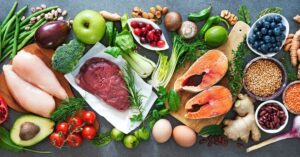
Instead of reaching for sweets, try adding these serotonin-boosters to your diet.

Fatty fish

The beneficial omega-3 fatty acids found in cold-water fatty fish play a role in serotonin’s function in the brain. Research specifically shows that EPA and DHA from fish oil appear to regulate both the release of serotonin and serotonin receptors’ function. Low levels of essential omega-3 fatty acids may impair the serotonin receptor and result in lower levels of serotonin.

Click here to learn more about the benefit of omega-3 fatty acids.

Green Tea and Turmeric

Research shows that theanine, an active compound in green tea, and curcumin from turmeric, can both raise brain serotonin levels. Even more, these ingredients also reduce inflammation, making them beneficial additions to your pantry. 

Learn more about the benefits of turmeric here.

Tryptophan Supplements for Serotonin

Tryptophan is the amino acid our bodies use to create serotonin. It’s also a unique example of a time when a supplement might be more beneficial than a whole food. Here’s why: tryptophan is the building block for serotonin, but this essential amino acid is found in protein-rich foods such as milk, nuts, meats and cheeses. It turns out, a high protein meal actually decreases the amount of tryptophan that can enter the brain (and thus the serotonin the brain can produce). 

The workaround? Tryptophan supplements allow you to get tryptophan without having to consume protein alongside it. Research shows that tryptophan supplements, especially when used with other treatments, may be useful in boosting serotonin and reducing depression symptoms. 

Vitamin D

Especially in latitudes with less sunlight, vitamin D deficiency is very common. Vitamin D, which our bodies produce in response to sunlight, is a necessary factor in the brain’s production of serotonin. Your doctor can help you evaluate your vitamin D levels with a blood test, in order to understand if supplementation can benefit you.

You can learn more about the benefits of vitamin D here.

5-HTP Supplements for Serotonin:

Despite its common use, I do not recommend 5-HTP as a serotonin-boosting supplement to treat clinical depression without the supervision of your provider. 5-HTP is the precursor to serotonin, which your body also converts into melatonin, a molecule that aids in sleep. Unlike serotonin, 5-HTP is small enough to cross the blood brain barrier. 

These factors make it sound like an enticing supplement for those with both depression, but high dose 5-HTP has some serious side effects. 

With long-term use (consistently taking for years), as it actually depletes dopamine and norepinephrine, two other neurotransmitters critical to mood regulation. Even with sufficient serotonin, a deficiency in these neurotransmitters can also lead to depression. 

Further, researchers linked long-term 5-HTP use with pre-existing heart valve disease in rats. That may or may not hold true for humans – further research is needed. 

And if you’re on SSRIs, 5-HTP is a big no-no. Supplementing 5-HTP should never happen together with SSRIs or other antidepressants, a combination that can lead to dangerously high levels of serotonin, known as serotonin syndrome

Summary

If you suspect a serotonin deficiency is affecting your mood, start by talking to your doctor. These articles can serve as a guide to help your conversation and make sure you have the information you need.


Serotonin Deficiency, What’s the Risk?

Perimenopause is a time of hormonal decline as the body prepares to stop ovulating and shift into menopause. While ideas of shifting hormones may feel you with a sense of dread, there are many nutrition, lifestyle, and perimenopause supplements that can help you maintain your energy, mood, and overall well being. 

Perimenopause can be a confusing time in a woman’s life. On the one hand, you’re still having periods, even if they’re not as regular as they used to be. On the other hand, a few aggravating symptoms begin to crop up, such as hot flashes, night sweats, vaginal dryness, acne and hair loss. 

It can be confusing because there are period and hormone issues that we’re told we just have to suffer through for most of our lives. You should NOT be bleeding through countless pairs of underwear, be in excruciating pain during your period, find yourself drenched in sweat, or feel like you’re losing your mind just because you’re a woman.

Perimenopause can feel like world-shaking hormonal change for some women, and it can sometimes be challenging to manage the ever changing hormones. 

In this article, we’re going to specifically discuss perimenopause supplements that can help you have a more comfortable (and less frustrating) transition. If you’re looking for information on perimenopausal conventional treatments or a comprehensive list of what perimenopause looks like, please read Perimenopause Symptoms and Treatment

What Is Perimenopause?

Perimenopause is the transitional period between a woman’s reproductive years and menopause. The most common indication that a woman is heading into perimenopause is irregular periods. Periods will continue to become more and more erratic, until they disappear altogether. At that point (after a year of not having a period), a woman is considered to have gone through menopause and the day following that one year anniversary of no period she is post-menopausal. 

Perimenopausal Hormone Changes

During perimenopause, a woman’s hormones begin to change, taking her on a rollercoaster. One such hormone is estrogen, a vital hormone for women. Estrogen performs so many functions: It helps us develop eggs, helps us ovulate, and helps build the lining of the uterus (the endometrium), which we shed during our period. It is also a player in our brain, bone, immune system, and heart health. Estrogen is a multitasking badass.

During perimenopause, estrogen typically begins to decline. But it doesn’t do so in a gradual fashion. Estrogen levels may become erratic and dip and rise suddenly, leading to annoying symptoms, like hot flashes.

In addition, with infrequent ovulation comes low progesterone levels. This can lead to feelings of anxiety, sleeplessness, water retention, and more. 

Perimenopausal symptoms can be so troublesome and disruptive to a woman’s life that she may seek help from her healthcare provider. 

15 Perimenopause Supplements

  1. Black Cohosh
  2. DIM
  3. Probiotics 
  4. B Vitamins 
  5. L-theanine
  6. Passionflower
  7. Melatonin
  8. Maca
  9. Saw Palmetto
  10. Zinc
  11. Omega-3 Fatty Acids
  12. Turmeric (Curcumin)
  13. N-Acetyl-Cysteine (NAC)
  14. Rhodiola
  15. Vitamin D

1. Black Cohosh (Actaea racemosa)

In a study of 80 postmenopausal women experiencing hot flashes, women who took black cohosh had fewer hot flashes than those who didn’t over eight weeks. 

Improvement may be because Black Cohosh contains fukinolic acid, a compound with similar properties to estrogen. During perimenopause, estrogen levels begin to decline, often leading to the onset of unpleasant symptoms. So, your body welcomes the boost.

Balance – Women’s Hormone Support is a supplement in my line that contains Black Cohosh, along with other nutrients that could help balance hormones.

2. DIM

Unbalanced estrogen, which is common during perimenopause, can cause a whole cascade of awfulness. Hot flashes, night sweats, headaches…I could go on, but you get it. Wonky estrogen doesn’t do you any favors. 

By encouraging the production of beneficial estrogen metabolites and reducing the harmful ones, DIM (Diindolylmethane) can help support balanced estrogen levels. 

DIM is a key perimenopause supplement because of it’s ability to support health estrogen metabolites and combat the symptoms related to the spikes in estrogen that can happen.

This is one reason we’ve formulated Balance – Women’s Hormone Support with DIM. 

3. Probiotics 

When you think perimenopause supplements, probiotics may not be the first thing to come to mind. But a healthy gut is essential for healthy hormones.

An essential function of the gut and the gut microbiome is that it helps us move excess estrogen out of the body (through our poop). Elimination is crucial because while estrogen is typically moving in a downward trajectory as we near menopause, estrogen dominance can sometimes occur in the early years of perimenopause. 

By giving our gut the love it needs and deserves, we can support our bodies’ natural estrogen detoxification mechanisms (that are eliminating the estrogen you no longer need).

Spore based probiotics, like MegaSporeBiotic, can help support a healthy microbiome and aid in the balance of your hormones. Spore-based probiotics deliver spores to the gut, where they get to work colonizing the gut and helping establish a healthy microbiome. The best part? No refrigeration necessary! 

4. B Vitamins

Did you know that your adrenal glands can produce estrogen? It’s true! Once the ovaries stop secreting adequate amounts of sex hormones, the adrenals help take over, producing DHEA, which is then converted into estrogen. How smart are our bodies?!

This is why B Vitamins are a must on the list of the best perimenopause supplements!

Supporting the adrenals is vital as they are going to be what your body relies on to continue estrogen and testosterone production. Stresses of modern life already place a demand on the adrenals without the imminent decline of the ovaries And it is this stress that can cause even more issues with the already declining progesterone. HPA dysregulation is a common issue that in itself can lead to fatigue, anxiety, and sleepless nights.  

B vitamins play an essential role in helping the adrenals respond to stress and produce hormones. If the body does not have enough B vitamins, the adrenals cannot perform at maximum capacity. B-Active Plus is a full-spectrum B vitamin complex that can help you get the range of B vitamins that may be missing in your diet. 

5. L-theanine 

Stress is one of those unavoidable parts of life that many of us wish we could actually avoid. Now, while some stress is normal, leading a stress-filled life without taking any measures to counteract and help reduce stress can wreak havoc on the adrenals, your hormones, and more.

For women going through perimenopause, more hormonal mayhem is the last thing they need. Along with practicing regular stress-management techniques (such as meditation and yoga), supplementing with nutrients to help promote a state of calm can help you feel less on edge and get better sleep. L-theanine has been shown to help those with stress-related woes.  

Sweet Dreams is a sleep supporting formula that contains ingredients that help to calm your mind and promote restorative sleep.” 

6. Passionflower

Passionflower is a nervine herb that supports the activity of GABA, a neurotransmitter that helps you find your chill. If you’re feeling tired but wired and struggle to fall asleep (a common complaint amongst perimenopausal women), passionflower could be helpful. It’s a known sedative and may also help with mild anxiety

Adrenal Calm is what I call a “literal chill pill.” With adaptogenic and nervine herbs, B vitamins, and a few targeted amino acids, it is a fantastic refresher for the adrenals. It can also help support a natural sleep pattern. 

7. Melatonin 

People who struggle with insomnia often turn to melatonin for relief. But that’s not all it’s useful for. Melatonin is also a powerful antioxidant, reducing inflammation and fighting free radicals at every turn. This makes it a powerful tool in support of good brain health. 

Of course, the fact that it could help some people fall and stay asleep doesn’t hurt, either. 

It is not uncommon for women with perimenopause to struggle with sleep due to the fluctuating estrogen and declining progesterone. Unfortunately, skipping out on a good night’s sleep can only add to the fatigue, mood swings, irritability, and stress on your system. This is why a large focus of supporting a perimenopausal woman’s health is making sure she’s not just falling asleep, but that this sleep is the most restorative.

Sweet Dreams contains botanicals that support nervous system function, thereby supporting  quality sleep. 

8. Maca

Maca is an adaptogenic herb that people reach for when they want to boost energy, increase libido, and manage symptoms like hot flashes. I recommend maca to my perimenopausal patients because (aside from helping to reduce those horrible hot flashes) it is a useful herb to support a healthy cortisol response. 

As the ovaries decline, so does testosterone and with it, you may be finding your libido follows. You can read more about how to bring back your mojo at any stage in life.

You’ll find that Maca is on most lists for perimenopause supplements, as well as for menopause support too.

9. Saw Palmetto

Testosterone is often thought of as a “male hormone,” but women have testosterone, too. And when we don’t have enough, we feel it. While it’s true that men do have much more testosterone than women, we need it just as much as they do!

The benefits of testosterone include:

  • Helps women build bones
  • Helps us develop and maintain muscle
  • Supports brain health
  • Boosts energy and libido
  • Helps with weight loss. 

Unfortunately, as we age, testosterone has more of a chance of being converted to DHT (dihydrotestosterone). DHT is an androgen hormone, high levels of which can cause hair loss or thinning hair on the head (which, let’s face it, women don’t want). 

Saw Palmetto could help in this department by inhibiting 5-alpha reductase, responsible for converting testosterone into DHT. 

Saw Palmetto Plus contains Saw Palmetto and pygeum africanum compounds, both of which have been shown to influence testosterone metabolism. It also contains zinc and essential fatty acids.

10. Zinc

Zinc has many wonderful uses for women. It is beneficial for women with PCOS, it helps with thyroid hormone production, and it supports a healthy immune system. 

As mentioned earlier, testosterone can decline as we age. While you may be fretting over what this means for your libido, a testosterone decline can also result in a decline in muscle mass. Decreased muscle mass, along with hormonal shifts, can be one reason why some women can struggle with weight as they enter the perimenopause and post-menopausal years.

Zinc can help with optimizing testosterone levels, including helping ensure they don’t tip into the hair loss causing levels as well. 

Women’s Twice Daily is a full-spectrum multivitamin containing zinc, selenium, B vitamins, calcium and more. 

11. Omega-3 Fatty Acids

Omega-3 fatty acids are essential for human beings—meaning we can’t make them so we have to eat them. And interestingly, we need our natural estrogen to convert plant based omega precursors into omega-3 fatty acids, making fatty fish and supplementation even more important as we age.

While Omega-3s have been touted as a remedy for hot flashes in women, more research is needed to determine whether this alone can have the benefits promised. 

Omega-3s can be a powerhouse for lowering triglycerides (which are an indicator of heart disease) in many people. As estrogen levels decline, so does the cardiovascular protection they offer. It is not uncommon to see increase or shifts in cholesterol into a much less favorable state as we age.

Omega Plus supports a healthy inflammatory response, which could help women better support their hormones. 

12. Turmeric (Curcumin)

Used as a medicinal herb in India for thousands of years, turmeric has made its way to the west. Turmeric is a potent anti-inflammatory and is rich in antioxidants. For perimenopausal women specifically, turmeric is excellent at supporting a healthy estrogen balance

Beyond that, the benefits of turmeric are numerous. It may be helpful with inflammation, osteoporosis, high blood pressure, gut health, iron chelation, fibroids, and more. 

Osteoporosis is one, in particular, I’d like to discuss further. Many women begin to experience the onset of osteoporosis, or bone loss, as they age. It’s a scary thing to think about, but there’s hope! As well as the well-known nutrients that may be helpful in the possible prevention of osteoporosis, like calcium and vitamin D, curcuminoids (present in turmeric) have been shown to prevent bone loss

Turmeric is one of those rare natural superstars that we could benefit from even if we don’t have any specific health conditions presenting themselves. Turmeric Boost contains a highly bioavailable (meaning it is easier for the body to utilize) curcumin formulation. 

13. N-Acetyl-Cysteine (NAC) 

NAC is an amino acid and precursor to glutathione, our most powerful antioxidant. Antioxidants are vital in the fight against oxidative stress. 

Unfortunately, as we age, antioxidant levels decline, leading to higher levels of oxidative stress. Additionally, decreasing estrogen levels also increases oxidative stress. 

Another not-so-fun fact about oxidative stress is that it is involved in the development of menopausal symptoms, such as hot flashes and night sweats. 

What I’m getting at is this: Oxidative stress is terrible. We want to keep it in check, especially as we age. We also want to ensure we’re doing our best to support antioxidants in their vital work in the body. 

That’s where a N-Acetyl-Cysteine (NAC) supplement comes in. By supporting your body’s natural detoxification processes, NAC is a great addition to any supplement toolbox. It’s a precursor to glutathione, which is considred the mother of all antioxidants. Glutathione combats the effects of free radicals and is protective in both the brain and ovaries. I use this one for my patients. 

14. Rhodiola

Rhodiola is an adaptogenic herb, which means it helps support adrenal function and enables you to handle stress a little better. 

As the ovaries begin to decline in function and eventually quit all together in postmenopause, it is the adrenal glands that will become a source of estrogen and testosterone production. To maintain hormone health after menopause, caring for the adrenal glands is a must. 

Rhodiola has been shown to support mental and physical endurance. This is good news in perimenopause when brain fog, fatigue, and decline in exercise tolerance can set in. Consider adding this to your daily perimenopause supplement routine.

Adrenal Support combines adaptogenic herbs, including Rhodiola, and nutrients that may support a normal adrenal function. Learn more about the Adrenal Support formula here. 

15. Vitamin D

Yes, vitamin D is vital for bone health and keeping them strong. But did you know that it has also been shown to help with hot flashes, vaginal dryness and is involved in breast cancer risk. You can read more about vitamin D benefits here.

As our estrogen levels decline our risk for bone disease increases. This is a big reason doctors recommend adding vitamin D to your list of perimenopause supplements in a dosage specific to your needs.

If you’re looking to supplement with vitamin D, you want to select a Vitamin D3 supplement that also has K2 to help it do its job best with less side effects.

Get Relief with These Perimenopause Supplements

Perimenopause does not have to be a horrible period of your life! Adding these supplements to your nutrition and lifestyle routine can make a significant difference to how you navigate this transition.

Being a woman does not have to be one painful, dreadful biological phase after another. Transitioning from our reproductive years to perimenopause to menopause can be a challenging time, but with support, you can ease those symptoms. By giving your body the support it needs, instead of fighting against the changes you’re experiencing, you can have less stressful perimenopausal years. 

References

Santoro N. Perimenopause: From Research to Practice. J Womens Health (Larchmt). 2016;25(4):332-339. doi:10.1089/jwh.2015.5556

https://www.ncbi.nlm.nih.gov/pmc/articles/PMC4834516/

Changes in Hormone Levels. (n.d.). Retrieved September 18, 2020, from https://www.menopause.org/for-women/sexual-health-menopause-online/changes-at-midlife/changes-in-hormone-levels

Mehrpooya M, Rabiee S, Larki-Harchegani A, et al. A comparative study on the effect of “black cohosh” and “evening primrose oil” on menopausal hot flashes. J Educ Health Promot. 2018;7:36. Published 2018 Mar 1. doi:10.4103/jehp.jehp_81_17

https://www.ncbi.nlm.nih.gov/pmc/articles/PMC5868221/

Kruse SO, Löhning A, Pauli GF, Winterhoff H, Nahrstedt A. Fukiic and piscidic acid esters from the rhizome of Cimicifuga racemosa and the in vitro estrogenic activity of fukinolic acid. Planta Med. 1999;65(8):763-764. doi:10.1055/s-2006-960862

https://pubmed.ncbi.nlm.nih.gov/10630125/

Vighi G, Marcucci F, Sensi L, Di Cara G, Frati F. Allergy and the gastrointestinal system. Clin Exp Immunol. 2008;153 Suppl 1(Suppl 1):3-6. doi:10.1111/j.1365-2249.2008.03713.x

https://www.ncbi.nlm.nih.gov/pmc/articles/PMC2515351/

Adrenal Glands. (n.d.). Retrieved September 18, 2020, from https://www.hopkinsmedicine.org/health/conditions-and-diseases/adrenal-glands

Hidese S, Ogawa S, Ota M, et al. Effects of L-Theanine Administration on Stress-Related Symptoms and Cognitive Functions in Healthy Adults: A Randomized Controlled Trial. Nutrients. 2019;11(10):2362. Published 2019 Oct 3. doi:10.3390/nu11102362

https://www.ncbi.nlm.nih.gov/pmc/articles/PMC6836118/

Reiter RJ, Mayo JC, Tan DX, Sainz RM, Alatorre-Jimenez M, Qin L. Melatonin as an antioxidant: under promises but over delivers. J Pineal Res. 2016;61(3):253-278. doi:10.1111/jpi.12360

https://pubmed.ncbi.nlm.nih.gov/27500468/

Davis SR, Wahlin-Jacobsen S. Testosterone in women–the clinical significance. Lancet Diabetes Endocrinol. 2015;3(12):980-992. doi:10.1016/S2213-8587(15)00284-3

https://pubmed.ncbi.nlm.nih.gov/26358173/

Pais P, Villar A, Rull S. Determination of the potency of a novel saw palmetto supercritical CO2 extract (SPSE) for 5α-reductase isoform II inhibition using a cell-free in vitro test system. Res Rep Urol. 2016;8:41-49. Published 2016 Apr 21. doi:10.2147/RRU.S96576

https://www.ncbi.nlm.nih.gov/pmc/articles/PMC4847595/

Institute of Medicine (US) and National Research Council (US) Committee on the Framework for Evaluating the Safety of Dietary Supplements. Dietary Supplements: A Framework for Evaluating Safety. Washington (DC): National Academies Press (US); 2005. Appendix K, Prototype Focused Monograph: Review of Antiandrogenic Risks of Saw Palmetto Ingestion by Women. 

https://www.ncbi.nlm.nih.gov/books/NBK216069/

Jamilian M, Foroozanfard F, Bahmani F, Talaee R, Monavari M, Asemi Z. Effects of Zinc Supplementation on Endocrine Outcomes in Women with Polycystic Ovary Syndrome: a Randomized, Double-Blind, Placebo-Controlled Trial. Biol Trace Elem Res. 2016;170(2):271-278. doi:10.1007/s12011-015-0480-7

https://pubmed.ncbi.nlm.nih.gov/26315303/

Mohammady M, Janani L, Jahanfar S, Mousavi MS. Effect of omega-3 supplements on vasomotor symptoms in menopausal women: A systematic review and meta-analysis. Eur J Obstet Gynecol Reprod Biol. 2018;228:295-302. doi:10.1016/j.ejogrb.2018.07.008

https://pubmed.ncbi.nlm.nih.gov/30056356/

Hewlings SJ, Kalman DS. Curcumin: A Review of Its Effects on Human Health. Foods. 2017;6(10):92. Published 2017 Oct 22. doi:10.3390/foods6100092

https://www.ncbi.nlm.nih.gov/pmc/articles/PMC5664031/

Doshi SB, Agarwal A. The role of oxidative stress in menopause. J Midlife Health. 2013;4(3):140-146. doi:10.4103/0976-7800.118990

https://www.ncbi.nlm.nih.gov/pmc/articles/PMC3952404/

Burdge G. α-Linolenic acid metabolism in men and women: nutritional and biological implications. Curr Opin Clin Nutr Metab Care. 2004;7(2):137-144.  

Giltay EJ, Gooren LJ, Toorians AW, Katan MB, Zock PL. Docosahexaenoic acid concentrations are higher in women than in men because of estrogenic effects. Am J Clin Nutr. 2004;80(5):1167-1174.