Thyroid

##Maecenas sed diam eget risus varius blandit sit amet non magna. Vivamus sagittis lacus vel augue laoreet rutrum faucibus dolor auctor. Donec id elit non mi porta gravida at eget metus. Etiam porta sem malesuada magna mollis euismod. Vivamus sagittis lacus vel augue laoreet rutrum faucibus dolor auctor. Cras mattis consectetur purus sit amet fermentum. Duis mollis, est non commodo luctus, nisi erat porttitor ligula, eget lacinia odio sem nec elit. Curabitur blandit tempus porttitor. Donec ullamcorper nulla non metus auctor fringilla. Nullam quis risus eget urna mollis ornare vel eu leo. Maecenas faucibus mollis interdum. Cras justo odio, dapibus ac facilisis in, egestas eget quam. Maecenas sed diam eget risus varius blandit sit amet non magna. Curabitur blandit tempus porttitor. Donec ullamcorper nulla non metus auctor fringilla. Nullam quis risus eget urna mollis ornare vel eu leo. Maecenas faucibus mollis interdum. Cras justo odio, dapibus ac facilisis in, egestas eget quam. Maecenas sed diam eget risus varius blandit sit amet non magna.

Most Popular

Mirena side effects can seriously disrupt your mood, your hormones, and your life. But all...

Magnesium is near the top of the list of crucial nutrients. It is the fourth most plentiful mineral in the human body, and it helps with things like your heartbeat, sleep cycles, muscle contraction, energy production, immune function, hormone balance and so much more. When you dig into the research, the magnesium benefits seem endless. Safe to say that getting enough magnesium is non-negotiable. 

The thing is, over 50% of the population in the U.S. isn’t getting enough magnesium in their diets, not even enough to meet the questionably low recommended daily allowance (RDA). Modern farming practices have depleted our soil of nutrients, and many of our foods don’t have as much magnesium in them as they did a few generations ago. 

On top of that, the standard American diet is woefully lacking in whole foods. To compound the issue, the rising prevalence of digestive disorders like celiac disease or Crohn’s means many people cannot absorb magnesium efficiently, either. 

Since your body stores most of your magnesium in your bones and soft tissues, blood tests aren’t the best way to diagnose deficiencies. Many women have subclinical (undetectable) magnesium deficiencies that won’t necessarily show up on a blood test. 

In a recent review of magnesium studies, researchers found that increasing magnesium by 100 mg a day reduced the risk of stroke by 7 percent, type 2 diabetes 19 percent, and heart failure an impressive 22 percent. 

In other words, if you’re trying to stay as healthy as possible, it’s a good idea to make sure you’re prioritizing that magnesium. 

Let’s dig into the details of all the ways this crucial mineral can help us every day.

What Are The Benefits Of Magnesium?

People reach for magnesium to address several concerns, including:

  1. Stress relief and HPA (hypothalamus-pituitary-adrenal) axis (a vital hormone and nervous system communication network) function 
  2. Improves PMS Symptoms
  3. Lessen Menstrual cramps
  4. Support Thyroid function
  5. Improve sleep
  6. Menstrual migraine and headaches
  7. As part of an eclampsia and preeclampsia regimen in pregnancy
  8. Relieve Constipation
  9. Improve Indigestion
  10. Perimenopause and menopause symptoms
  11. Support Bone health support
  12. Reduce Inflammation
  13. Alleviate Mood issues 
  14. Improve Insulin sensitivity
  15. Reduce Blood pressure

Whether or not magnesium regulates these depends on whether the magnesium deficiency is at the root of the problem, or something else. Since magnesium is so crucial for so many functions, there are many benefits to incorporating more magnesium in your day.. 

Magnesium is in every cell in the human body. It’s required for DNA and RNA synthesis, reproduction, and also for protein synthesis. It’s critical for insulin metabolism, blood pressure regulation, and proper muscle contraction. Magnesium helps your cells extract energy from the food you eat. 

When your dietary intake of magnesium is on the low side, as it is for approximately half the United States population, certain chronic diseases are more likely to develop. Researchers have linked diabetes, cardiovascular disease, Alzheimer’s disease, attention deficit hyperactivity disorder (ADHD), insulin resistance, and hypertension to low levels of magnesium.

Here are 15 ways magnesium works to help keep you healthy.

1. Magnesium for Stress Relief

The HPA (hypothalamus-pituitary-adrenal) axis keeps hormones and your nervous system communicating smoothly, which helps regulate hormones. Magnesium works to generally calm the nervous system and reduce anxiety and stress. A recent review of 18 studies showed that magnesium supplementation reduced self-reported levels of anxiety. 

And in another study, magnesium deficiency was linked to anxiety as well as HPA axis dysfunction. The HPA (hypothalamus-pituitary-adrenal) axis keeps hormones and your nervous system communicating smoothly, which helps regulate hormones. 

Magnesium can be beneficial in helping combat stress, but it is also depleted during times of elevated stress. This is why we include it in our Adrenal Calm formula, along with other nervous system calming herbs, to help you feel more calm and get better sleep.

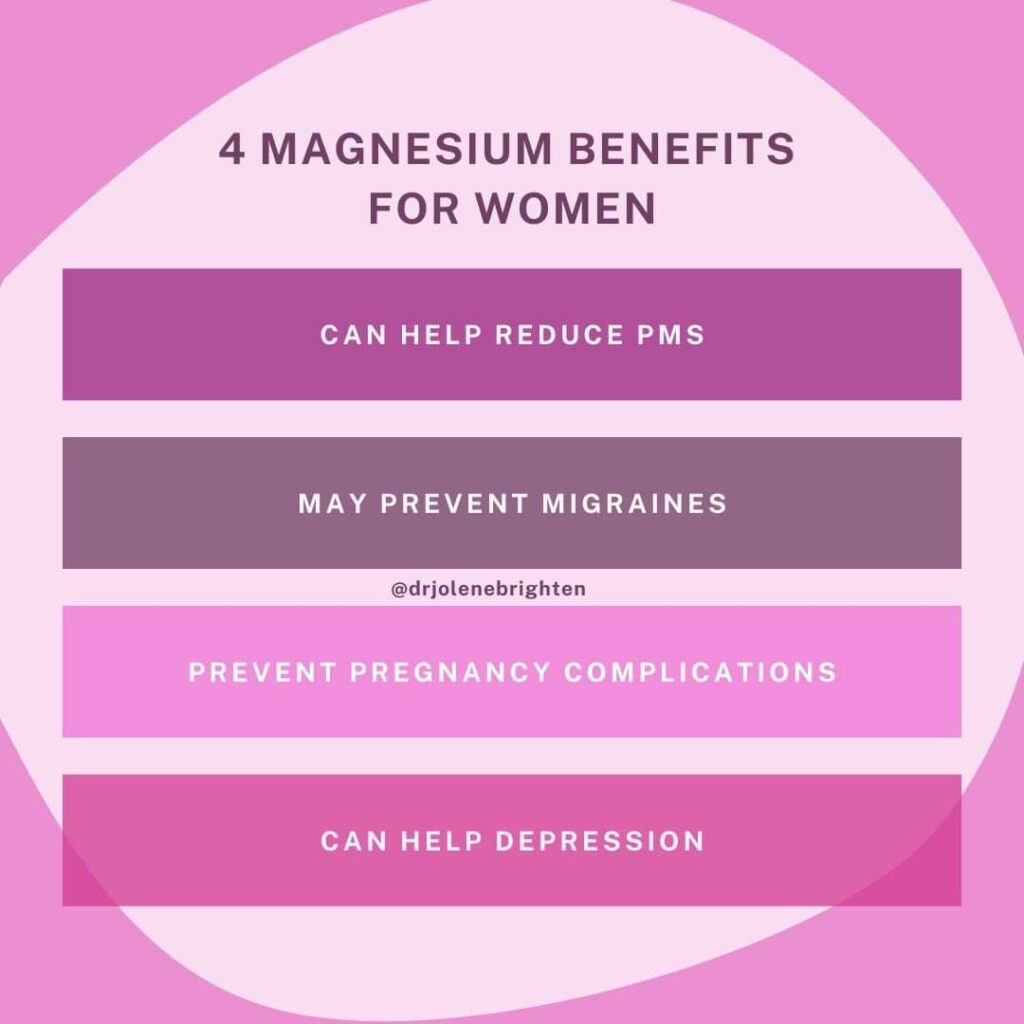
2. Magnesium Improves PMS Symptoms

In one study, participants were able to reduce premenstrual syndrome (PMS) symptoms using magnesium supplementation. Studies suggest that it’s even more effective as a PMS remedy when combined with vitamin B6, which is why we include the two in our Balance Women’s Hormone Support supplement

Studies have also shown that magnesium may reduce fluid retention — one of the most common PMS problems.

Also — magnesium helps your liver process estrogen more efficiently, which is crucial for eliminating those PMS symptoms like:

  • Breast tenderness
  • Weight gain
  • Bloating 
  • Insomnia

3. Magnesium May Lessen Menstrual Cramps

Magnesium could also help with cramps since it plays a role in regulating muscle contraction. 

Prostaglandins are hormone-like chemicals that are responsible for the contraction of the uterus (cramps). When compared to placebo, magnesium has been shown to be more effective in reducing period cramps and lowering prostaglandins.

Because it is highly absorbable and doesn’t cause digestive upset like other forms of magnesium, we use Magnesium Bisglycinate in my clinical. A typical starting dose is 300 mg nightly. Some people benefit from increasing their dose the week leading up to their period.

4. Magnesium Supports Thyroid Health  

Magnesium and thyroid health are intimately connected – it helps your thyroid gland produce proper levels of thyroid hormones. When magnesium levels are too low, your thyroid gland might enlarge, also known as goiter. Studies suggest that magnesium levels in those with hyperthyroidism are decreased and increased in those with hypothyroidism

5. Magnesium Helps Improve Sleep

A study of an elderly population suggests that magnesium supplementation could help relieve insomnia because of its calming effects. Many women also find that taking it regularly at bedtime may help improve the quality of their sleep. 

The reverse is also true — insomnia or restless sleep could be a key indicator of magnesium deficiency. 
magnesium for pms

6. Magnesium May Prevent Migraine Headaches

Menstrual migraine is a common phenomenon for women that’s not often discussed. Due to the fluctuating hormone levels just before period time, some women get hit with a migraine headache, in addition to other PMS symptoms.

Studies suggest that low levels of magnesium might play a role in the development of these headaches. And magnesium supplementation could help alleviate them. In my practice, I recommend 600 mg of magnesium to my patients at the onset of a headache for the best results. This is the one I  use with my patients. 

Keep in mind that by the time I’m prescribing a medication or suggesting supplements for my patients, I’ve already done exams, run labs, and reviewed their complete medical history. When you’re starting something new, always run your plans by your doctor.

7. Magnesium in Pregnancy is Important

Magnesium is essential for fetal development and the growth of new tissues, including bone and teeth. It is also necessary for nerve function and muscle contraction. 

Sometimes pregnant women develop issues with their blood pressure, referred to as preeclampsia. When the condition worsens, it can lead to eclampsia, which means the mother develops seizures. 

Magnesium could be useful in improving these conditions. One study showed that supplementation with magnesium cut the risk of eclampsia in half. 

Preeclampsia and eclampsia are extremely serious. Follow your doctor’s guidance the whole way through, and ask your doctor if you want to incorporate magnesium.

8. Magnesium Relieves Constipation

Specific forms of magnesium are considered laxatives due to their effect on the muscles within the digestive tract. Magnesium also pulls water into the bowels, helping things to get moving easier.

Magnesium oxide is one form of magnesium that has a noticeable laxative effect. You don’t absorb much magnesium oxide, so if you’re looking to elevate your magnesium stores, another form might be better. Magnesium citrate also gets things moving and can be gentler than other stimulant-type laxatives.

9. Magnesium Helps With Indigestion

Again, because of its effect on muscular function, magnesium may help calm spasms in the esophagus, which is one possible cause of indigestion and reflux. It also encourages stomach acid production. Low stomach acid could also be a cause of indigestion. There are other possible causes, too, so it’s best to get your indigestion evaluated. 

Pharmaceutical companies often include magnesium in over-the-counter acid reflux medications known as proton pump inhibitors. Antacids usually also include magnesium hydroxide or magnesium carbonate.

10. Magnesium Improves Menopause Symptoms

Women who are menopausal experience an array of symptoms, including depression, anxiety, and they might start to experience bone loss.

Magnesium could be effective in addressing these conditions, as we’ll discuss in more detail. Because it’s intimately linked to bone health, magnesium is critical for post-menopausal women or anyone looking to keep ahead of osteoporosis. Also, the calming effect magnesium has on the HPA axis means it reduces anxiety levels. Research has also shown that magnesium may also help alleviate certain kinds of depression. In one study, participants noticed an improvement in as little as two weeks.

11. Magnesium For Osteoporosis

Magnesium is one of the key components of bone. While we typically associate calcium with bone, magnesium is equally as important to bone health.

In a large 2014 study, researchers linked lowered magnesium intake to reduced bone mineral density, a test used to evaluate osteoporosis risk. 

And in a long-term study of men, those with the highest magnesium levels were 44 times less likely to experience a bone fracture. What’s more, none of the men with high magnesium levels broke a bone in the 20-year study period.

12. Magnesium May Lower Inflammation

Inflammation is one of those things that we all want to keep in check because it influences disease, obesity, and overall poor health.

Lower levels of magnesium are considered a predictive factor for chronic inflammatory stress that could lead to disease. And magnesium supplementation was shown to reduce markers of inflammation in study participants with prediabetes and overweight individuals.

13. Magnesium Helps Depression in Some Cases

As I briefly mentioned earlier, magnesium has shown great promise in the approach to depression, especially when the source of depression is magnesium deficiency. Since magnesium is considered safe to take, is inexpensive, and results may manifest in as little as two weeks, there’s plenty of reason to ask your doctor about magnesium as part of a depression regimen.

Magnesium deficiencies point to lowered levels of serotonin (the happy neurotransmitter). And one study of 402 students found an inverse relationship between magnesium intake and depressive symptoms, even after researchers accounted for other variables. 

14. Magnesium Increases Insulin Sensitivity

Researchers have well-established magnesium’s effect on insulin resistance, and the relationship is clear. Magnesium supplementation may help reduce certain types of insulin resistance, like the kind we see with type 2 diabetes. 

Some studies have even linked magnesium deficiencies with insulin resistance. By some counts, almost 50 percent of people with type 2 diabetes have low levels of magnesium. 

One large study found that participants who ingested the most magnesium were the least likely to develop diabetes.

15. Magnesium Lowers Blood Pressure

Another compelling benefit of magnesium is its effect on blood pressure. 

Because it can relax muscles, even vascular smooth muscles, especially in people who have high blood pressure, magnesium may lower both systolic and diastolic blood pressure

In one meta-analysis, researchers concluded that people who took magnesium lowered their blood pressure after just three months. 

How Much Magnesium Should I Get Every Day?

The recommended daily allowance for adults for magnesium is about 300-400mg.

More specifically, it depends on age and gender:

AgeFemaleMale
19-30310mg400mg
31 and up320mg420mg
Pregnancy350-400 mg

It’s important to note that many scientists consider the RDA for magnesium to be somewhat low, especially if you’re dealing with an existing deficiency. I usually suggest a daily maintenance supplement dose of 300 mg per day for my patients.

What Are The Best Whole Food Sources of Magnesium?

While I am a proponent of food first and supplements second, it’s important to note that according to the Linus Pauling Institute, “Magnesium is considered a shortfall nutrient in the diet, meaning that magnesium is underconsumed by eating the typical American diet.” This is why some people benefit from a supplement and all of us benefit from focusing on incorporating magnesium rich foods in our diet.

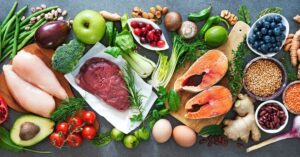
Magnesium is a critical nutrient in so many delicious foods. It makes it easy to get in those 300+mg per day! Leafy greens, nuts, and seeds are at the top of the list for many essential vitamins and minerals, and magnesium is no exception.

Some of my favorite, whole foods that contain magnesium include:

  • Pumpkin seeds
  • Almonds
  • Spinach
  • Broccoli
  • Cashews
  • Brown rice
  • Black beans
  • Potato, baked with skin
  • Banana
  • Salmon, Atlantic
  • Halibut, cooked
  • Avocado
  • Dark chocolate

Looking for an easy way to get your diet on the right track? I’ve got a complete guide that will help you out. It even has recipes done for you for an entire week. It’s got a lot of other great information in it too, and it’s completely free

How Can I Tell If I’m Deficient In Magnesium?

If you have subclinical levels of magnesium deficiency, you might not notice any symptoms at all. 

Some of the more common signs of low levels of magnesium include:

  • Fatigue
  • Eye twitch
  • Muscle cramps
  • Muscle weakness
  • Anxiety 
  • Depression
  • Vomiting
  • Nausea
  • Leg cramps
  • Neck and back pain
  • Heart disease
  • High blood pressure
  • PMS
  • Constipation
  • Pregnancy complications
  • Weight gain
  • Difficulty sleeping
  • Poor memory
  • Diabetes
  • Insulin resistance
  • Osteoporosis

Some women who experience PMS symptoms but are doing everything else right with their diet might find that a magnesium supplement helps their PMS disappear. 

Which Form Of Magnesium Is The Best?

There are so many possible types of magnesium to choose from, it can be confusing!

The first thing to consider is this: what problem are you trying to solve when considering magnesium?

If your concern is constipation, and you’re looking for a laxative effect, you may want to consider magnesium citrate.

For the rest of my patients, I recommend magnesium bis-glycinate, the primary ingredient in my Magnesium Plus. It will give you all the benefits of easily absorbed magnesium, without all diarrhea and digestive upset that you get when using other magnesium forms. 

Magnesium Glycinate vs Citrate

Magnesium bisglycinate or glycinate is much more well absorbed compared to citrate. This is why it is used in many of the scenarios discussed throughout this article. Citrate works best as a laxative and is less harsh than the sulfate form.

Different Types of Magnesium

  • Magnesium glycinate or bisglycinate – One of the most highly absorbable forms. Supports increase in memory, PMS and period relief, improved sleep, and reduced anxiety.
  • Magnesium citrate – Provides constipation relief by pulling water into the bowel.
  • Magnesium malate – Often recommended for those with chronic fatigue or fibromyalgia due to its support of energy production.
  • Magnesium L-threonate – May improve memory and reduce age related memory loss.
  • Magnesium chloride – This form is applied topically for quick absorption to help improve sleep and promote a sense of calm.
  • Magnesium oxide – Poorly absorbed, but may help with heartburn relief.
  • Magnesium sulfide – The most potent laxative, but more commonly used for Epsom salt baths.

Who Should Not Supplement With Magnesium?

Magnesium is generally considered safe. If you have diabetes, heart disease, or kidney disease, consult with your doctor before taking extra magnesium.

Also, if you’re taking any of the following medications, magnesium could interfere with them:

  • Antibiotics
  • High blood pressure medication
  • Muscle relaxers
  • Spironolactone or other potassium-sparing diuretics

Magnesium from food isn’t as likely to cause problems as supplemental magnesium, so it’s not advisable to avoid healthy foods because of their magnesium content. 

Magnesium For Optimal Health

Magnesium is vital for optimal health. Aim for a diet rich in magnesium and consider a supplement if you’re having difficulty meeting your needs with nutrition.

You can download our free meal plan or consider purchasing our Magnesium Plus as a way to increase your magnesium.

Citations

Jahnen-Dechent W, Ketteler M. Magnesium basics. Clin Kidney J. 2012;5(Suppl 1):i3–i14. doi:10.1093/ndtplus/sfr163

https://www.ncbi.nlm.nih.gov/pmc/articles/PMC4455825/

Razzaque MS. Magnesium: Are We Consuming Enough?. Nutrients. 2018 Dec 2;10(12). doi: 10.3390/nu10121863. PubMed PMID: 30513803; PubMed Central PMCID: PMC6316205.

https://www.ncbi.nlm.nih.gov/pubmed/30513803

Gröber U, Schmidt J, Kisters K. Magnesium in Prevention and Therapy. Nutrients. 2015;7(9):8199–8226. Published 2015 Sep 23. doi:10.3390/nu7095388

https://www.ncbi.nlm.nih.gov/pmc/articles/PMC4586582/

Fan MS, Zhao FJ, Fairweather-Tait SJ, Poulton PR, Dunham SJ, McGrath SP. Evidence of decreasing mineral density in wheat grain over the last 160 years. J Trace Elem Med Biol. 2008;22(4):315-24. doi: 10.1016/j.jtemb.2008.07.002. Epub 2008 Sep 17. PubMed PMID: 19013359.

https://www.ncbi.nlm.nih.gov/pubmed/19013359

Micronutrient Inadequacies in the US Population: an Overview. Oregon State University Micronutrient Information Center

https://lpi.oregonstate.edu/mic/micronutrient-inadequacies/overview.

Fang, X., Wang, K., Han, D. et al. Dietary magnesium intake and the risk of cardiovascular disease, type 2 diabetes, and all-cause mortality: a dose-response meta-analysis of prospective cohort studies. BMC Med 14, 210 (2016) doi:10.1186/s12916-016-0742-z

https://bmcmedicine.biomedcentral.com/articles/10.1186/s12916-016-0742-z#citeas

Boyle NB, Lawton C, Dye L. The Effects of Magnesium Supplementation on Subjective Anxiety and Stress-A Systematic Review. Nutrients. 2017;9(5):429. Published 2017 Apr 26. doi:10.3390/nu9050429

https://www.ncbi.nlm.nih.gov/pmc/articles/PMC5452159/

Cuciureanu MD, Vink R. Magnesium and stress. In: Vink R, Nechifor M, editors. Magnesium in the Central Nervous System [Internet]. Adelaide (AU): University of Adelaide Press; 2011.

https://www.ncbi.nlm.nih.gov/books/NBK507250/

Sartori SB, Whittle N, Hetzenauer A, Singewald N. Magnesium deficiency induces anxiety and HPA axis dysregulation: modulation by therapeutic drug treatment. Neuropharmacology. 2012;62(1):304–312. doi:10.1016/j.neuropharm.2011.07.027

https://www.ncbi.nlm.nih.gov/pmc/articles/PMC3198864/

Parazzini F, Di Martino M, Pellegrino P. Magnesium in the gynecological practice: a literature review. Magnes Res. 2017 Feb 1;30(1):1-7. doi: 10.1684/mrh.2017.0419. Review. PubMed PMID: 28392498.

https://www.ncbi.nlm.nih.gov/pubmed/28392498

Fathizadeh N, Ebrahimi E, Valiani M, Tavakoli N, Yar MH. Evaluating the effect of magnesium and magnesium plus vitamin B6 supplement on the severity of premenstrual syndrome. Iran J Nurs Midwifery Res. 2010;15(Suppl 1):401–405.

https://www.ncbi.nlm.nih.gov/pmc/articles/PMC3208934/

Seifert B, Wagler P, Dartsch S, Schmidt U, Nieder J. [Magnesium–a new therapeutic alternative in primary dysmenorrhea]. Zentralbl Gynakol. 1989;111(11):755-60. PubMed PMID: 2675496.

https://www.ncbi.nlm.nih.gov/pubmed/2675496

Walker AF, De Souza MC, Vickers MF, Abeyasekera S, Collins ML, Trinca LA. Magnesium supplementation alleviates premenstrual symptoms of fluid retention. J Womens Health. 1998 Nov;7(9):1157-65. doi: 10.1089/jwh.1998.7.1157. PubMed PMID: 9861593.

https://www.ncbi.nlm.nih.gov/pubmed/9861593

Hodges RE, Minich DM. Modulation of Metabolic Detoxification Pathways Using Foods and Food-Derived Components: A Scientific Review with Clinical Application. J Nutr Metab. 2015;2015:760689. doi:10.1155/2015/760689

https://www.ncbi.nlm.nih.gov/pmc/articles/PMC4488002/

Jones JE, Desper PC, Shane SR, Flink EB. Magnesium metabolism in hyperthyroidism and hypothyroidism. J Clin Invest. 1966;45(6):891–900. doi:10.1172/JCI105404

https://www.ncbi.nlm.nih.gov/pmc/articles/PMC292768/

Wang K, Wei H, Zhang W, et al. Severely low serum magnesium is associated with increased risks of positive anti-thyroglobulin antibody and hypothyroidism: A cross-sectional study. Sci Rep. 2018;8(1):9904. Published 2018 Jul 2. doi:10.1038/s41598-018-28362-5

https://www.ncbi.nlm.nih.gov/pmc/articles/PMC6028657/

Hsu JM, Root AW, Duckett GE, Smith JC Jr, Yunice AA, Kepford G. The effect of magnesium depletion on thyroid function in rats. J Nutr. 1984 Aug;114(8):1510-7. doi: 10.1093/jn/114.8.1510. PubMed PMID: 6747732.

https://www.ncbi.nlm.nih.gov/pubmed/6747732

Abbasi B, Kimiagar M, Sadeghniiat K, Shirazi MM, Hedayati M, Rashidkhani B. The effect of magnesium supplementation on primary insomnia in elderly: A double-blind placebo-controlled clinical trial. J Res Med Sci. 2012 Dec;17(12):1161-9. PubMed PMID: 23853635; PubMed Central PMCID: PMC3703169.

https://www.ncbi.nlm.nih.gov/pubmed/23853635

Mauskop A, Altura BT, Altura BM. Serum ionized magnesium levels and serum ionized calcium/ionized magnesium ratios in women with menstrual migraine. Headache. 2002 Apr;42(4):242-8. doi: 10.1046/j.1526-4610.2002.02075.x. PubMed PMID: 12010379.

https://www.ncbi.nlm.nih.gov/pubmed/12010379

Mauskop A, Altura BT, Cracco RQ, Altura BM. Intravenous magnesium sulfate relieves cluster headaches in patients with low serum ionized magnesium levels. Headache. 1995 Nov-Dec;35(10):597-600. doi: 10.1111/j.1526-4610.1995.hed3510597.x. PubMed PMID: 8550360.

https://www.ncbi.nlm.nih.gov/pubmed/8550360

Peikert A, Wilimzig C, Köhne-Volland R. Prophylaxis of migraine with oral magnesium: results from a prospective, multi-center, placebo-controlled and double-blind randomized study. Cephalalgia. 1996 Jun;16(4):257-63. doi: 10.1046/j.1468-2982.1996.1604257.x. PubMed PMID: 8792038.

https://www.ncbi.nlm.nih.gov/pubmed/8792038

Duley L, Gülmezoglu AM, Henderson-Smart DJ, Chou D. Magnesium sulphate and other anticonvulsants for women with pre-eclampsia. Cochrane Database Syst Rev. 2010 Nov 10;(11):CD000025. doi: 10.1002/14651858.CD000025.pub2. Review. PubMed PMID: 21069663.

https://www.ncbi.nlm.nih.gov/pubmed/21069663

Witlin AG, Sibai BM. Magnesium sulfate therapy in preeclampsia and eclampsia. 1998. In: Database of Abstracts of Reviews of Effects (DARE): Quality-assessed Reviews [Internet]. York (UK): Centre for Reviews and Dissemination (UK); 1995-.

https://www.ncbi.nlm.nih.gov/books/NBK67169/

Hein J. Comparison of the efficacy and safety of pantoprazole magnesium and pantoprazole sodium in the treatment of gastro-oesophageal reflux disease: a randomized, double-blind, controlled, multicentre trial. Clin Drug Investig. 2011;31(9):655-64. doi: 10.2165/11590270-000000000-00000. PubMed PMID: 21819161.

https://www.ncbi.nlm.nih.gov/pubmed/21819161

Tarleton EK, Littenberg B, MacLean CD, Kennedy AG, Daley C. Role of magnesium supplementation in the treatment of depression: A randomized clinical trial. PLoS One. 2017;12(6):e0180067. Published 2017 Jun 27. doi:10.1371/journal.pone.0180067

https://www.ncbi.nlm.nih.gov/pmc/articles/PMC5487054/

Orchard TS, Larson JC, Alghothani N, et al. Magnesium intake, bone mineral density, and fractures: results from the Women’s Health Initiative Observational Study. Am J Clin Nutr. 2014;99(4):926–933. doi:10.3945/ajcn.113.067488

https://www.ncbi.nlm.nih.gov/pmc/articles/PMC3953885/

Castiglioni S, Cazzaniga A, Albisetti W, Maier JA. Magnesium and osteoporosis: current state of knowledge and future research directions. Nutrients. 2013;5(8):3022–3033. Published 2013 Jul 31. doi:10.3390/nu5083022

https://www.ncbi.nlm.nih.gov/pmc/articles/PMC3775240/

Kunutsor, S.K., Whitehouse, M.R., Blom, A.W. et al. Eur J Epidemiol (2017) 32: 593. https://doi.org/10.1007/s10654-017-0242-2

https://link.springer.com/article/10.1007/s10654-017-0242-2

Nielsen FH. Effects of magnesium depletion on inflammation in chronic disease. Curr Opin Clin Nutr Metab Care. 2014 Nov;17(6):525-30. doi: 10.1097/MCO.0000000000000093. Review. PubMed PMID: 25023192.

https://www.ncbi.nlm.nih.gov/pubmed/25023192

Simental-Mendía LE, Rodríguez-Morán M, Guerrero-Romero F. Oral magnesium supplementation decreases C-reactive protein levels in subjects with prediabetes and hypomagnesemia: a clinical randomized double-blind placebo-controlled trial. Arch Med Res. 2014 May;45(4):325-30. doi: 10.1016/j.arcmed.2014.04.006. Epub 2014 May 9. PubMed PMID: 24814039.

https://www.ncbi.nlm.nih.gov/pubmed/24814039

Chacko SA, Sul J, Song Y, Li X, LeBlanc J, You Y, Butch A, Liu S. Magnesium supplementation, metabolic and inflammatory markers, and global genomic and proteomic profiling: a randomized, double-blind, controlled, crossover trial in overweight individuals. Am J Clin Nutr. 2011 Feb;93(2):463-73. doi: 10.3945/ajcn.110.002949. Epub 2010 Dec 15. PubMed PMID: 21159786; PubMed Central PMCID: PMC3021435.

https://www.ncbi.nlm.nih.gov/pubmed/21159786

Nielsen FH. Magnesium, inflammation, and obesity in chronic disease. Nutr Rev. 2010 Jun;68(6):333-40. doi: 10.1111/j.1753-4887.2010.00293.x. Review. PubMed PMID: 20536778.

https://www.ncbi.nlm.nih.gov/pubmed/20536778

Nielsen FH, Johnson LK, Zeng H. Magnesium supplementation improves indicators of low magnesium status and inflammatory stress in adults older than 51 years with poor quality sleep. Magnes Res. 2010 Dec;23(4):158-68. doi: 10.1684/mrh.2010.0220. Epub 2011 Jan 4. PubMed PMID: 21199787.

https://www.ncbi.nlm.nih.gov/pubmed/21199787

Yary T, Aazami S, Soleimannejad K. Dietary intake of magnesium may modulate depression. Biol Trace Elem Res. 2013 Mar;151(3):324-9. doi: 10.1007/s12011-012-9568-5. Epub 2012 Dec 14. PubMed PMID: 23238611.

https://www.ncbi.nlm.nih.gov/pubmed/23238611

Eby GA, Eby KL, Murk H. Magnesium and major depression. In: Vink R, Nechifor M, editors. Magnesium in the Central Nervous System [Internet]. Adelaide (AU): University of Adelaide Press; 2011.

https://www.ncbi.nlm.nih.gov/books/NBK507265/

Morais JBS, Severo JS, de Alencar GRR, de Oliveira ARS, Cruz KJC, Marreiro DDN, Freitas BJESA, de Carvalho CMR, Martins MDCCE, Frota KMG. Effect of magnesium supplementation on insulin resistance in humans: A systematic review. Nutrition. 2017 Jun;38:54-60. doi: 10.1016/j.nut.2017.01.009. Epub 2017 Feb 2. Review. PubMed PMID: 28526383.

https://www.ncbi.nlm.nih.gov/pubmed/28526383

Wang J, Persuitte G, Olendzki BC, et al. Dietary magnesium intake improves insulin resistance among non-diabetic individuals with metabolic syndrome participating in a dietary trial. Nutrients. 2013;5(10):3910–3919. Published 2013 Sep 27. doi:10.3390/nu5103910

https://www.ncbi.nlm.nih.gov/pmc/articles/PMC3820051/

Huerta M, Roemmich J, Kington M, et al. Magnesium Deficiency Is Associated With Insulin Resistance in Obese Children. Diabetes Care May 2005, 28 (5) 1175-1181; DOI: 10.2337/diacare.28.5.1175

https://care.diabetesjournals.org/content/28/5/1175

Rodríguez-Morán M, Guerrero-Romero F Oral Magnesium Supplementation Improves Insulin Sensitivity and Metabolic Control in Type 2 Diabetic Subjects Diabetes Care Apr 2003, 26 (4) 1147-1152; DOI: 10.2337/diacare.26.4.1147

https://care.diabetesjournals.org/content/26/4/1147

Barbagallo M, Dominguez LJ. Magnesium and type 2 diabetes. World J Diabetes. 2015 Aug 25;6(10):1152-7. doi: 10.4239/wjd.v6.i10.1152. Review. PubMed PMID: 26322160; PubMed Central PMCID: PMC4549665.

https://www.ncbi.nlm.nih.gov/pubmed/26322160

Kim DJ, Xun P, Liu K, Loria C, Yokota K, Jacobs DR Jr, He K. Magnesium intake in relation to systemic inflammation, insulin resistance, and the incidence of diabetes. Diabetes Care. 2010 Dec;33(12):2604-10. doi: 10.2337/dc10-0994. Epub 2010 Aug 31. PubMed PMID: 20807870; PubMed Central PMCID: PMC2992198.

https://www.ncbi.nlm.nih.gov/pubmed/20807870

Rodríguez-Morán M, Guerrero-Romero F. Oral magnesium supplementation improves insulin sensitivity and metabolic control in type 2 diabetic subjects: a randomized double-blind controlled trial. Diabetes Care. 2003 Apr;26(4):1147-52. doi: 10.2337/diacare.26.4.1147. PubMed PMID: 12663588.

https://www.ncbi.nlm.nih.gov/pubmed/12663588

Guerrero-Romero F, Rodríguez-Morán M. The effect of lowering blood pressure by magnesium supplementation in diabetic hypertensive adults with low serum magnesium levels: a randomized, double-blind, placebo-controlled clinical trial. J Hum Hypertens. 2009 Apr;23(4):245-51. doi: 10.1038/jhh.2008.129. Epub 2008 Nov 20. PubMed PMID: 19020533.

https://www.ncbi.nlm.nih.gov/pubmed/19020533

Hatzistavri LS, Sarafidis PA, Georgianos PI, Tziolas IM, Aroditis CP, Zebekakis PE, Pikilidou MI, Lasaridis AN. Oral magnesium supplementation reduces ambulatory blood pressure in patients with mild hypertension. Am J Hypertens. 2009 Oct;22(10):1070-5. doi: 10.1038/ajh.2009.126. Epub 2009 Jul 16. PubMed PMID: 19617879.

https://www.ncbi.nlm.nih.gov/pubmed/19617879

Kawano Y, Matsuoka H, Takishita S, Omae T. Effects of magnesium supplementation in hypertensive patients: assessment by office, home, and ambulatory blood pressures. Hypertension. 1998 Aug;32(2):260-5. doi: 10.1161/01.hyp.32.2.260. PubMed PMID: 9719052.

https://www.ncbi.nlm.nih.gov/pubmed/9719052

Zhang X, Li Y, Del Gobbo L, Rosanoff A, Wang J, Zhang W, and Song Y. Effects of Magnesium Supplementation on Blood Pressure: A Meta-Analysis of Randomized Double-Blind Placebo-Controlled Trials. Hypertension. 2016;68:324–333 doi.org/10.1161/HYPERTENSIONAHA.116.07664

https://www.ahajournals.org/doi/full/10.1161/HYPERTENSIONAHA.116.07664

Gröber U, Schmidt J, Kisters K. Magnesium in Prevention and Therapy. Nutrients. 2015;7(9):8199-8226. Published 2015 Sep 23. doi:10.3390/nu7095388

https://www.ncbi.nlm.nih.gov/pmc/articles/PMC4586582/

Office of Dietary Supplements – Magnesium. (n.d.). Retrieved September 24, 2020, from https://ods.od.nih.gov/factsheets/Magnesium-HealthProfessional/

Hyperthyroidism symptoms can include unexplained weight loss, heart palpitations, diarrhea, anxiety, insomnia, and excessive sweating. This is a condition most commonly caused by antibodies that stimulate the thyroid gland to produce too much thyroid hormone in what is called Grave’s disease. In this article we’ll explore conventional treatments along with 12 natural treatments for hyperthyroidism.

Hyperthyroidism affects a little more than 2 out of every 100 women

Often, thyroid disease in its early stages goes undetected — up to 60% of people with a thyroid condition are unaware that they even have it.  

My hope is that by exploring the symptoms, causes, complications, and treatments for hyperthyroidism in detail, more women will be empowered to seek care and solve their thyroid issues for good.

What are hyperthyroid symptoms?

Generally, women who are hyperthyroid feel extremely tired while simultaneously anxious, irritable, and hot. How you feel when you have hyperthyroid symptoms include:

  • Insomnia/sleep disturbance
  • Weight loss
  • Hair loss
  • Anxiety
  • Depression
  • Sweating
  • Loose stools
  • Tremor
  • Menstrual irregularities
  • Heat intolerance or feeling flushed
  • Irritability
  • Racing heart or heart palpitations
  • Fatigue
  • Increased appetite
  • Goiter (enlarged thyroid)
  • Bulging or swollen eyes

Hyperthyroid Vs. Hypothyroid: What’s the Difference?

While hyperthyroidism means that the thyroid is producing too much thyroxine, in hypothyroidism, the thyroid is producing too little thyroxine. Thyroxine or T4 is the inactive hormone produced by your thyroid.

Hyperthyroidism can alternate with hypothyroid symptoms, which can make it confusing for patients. And since these two words are so similar, it’s understandable that people often get them confused!

Both situations can wreak havoc on your body, just in almost exactly opposite ways (as you may expect). Hyperthyroid women tend to be hot, anxious, and losing weight for no reason. Hypothyroid women tend to be cold, anxious, and gaining weight when they simply look at food.

Both conditions can cause the thyroid to become enlarged, and can cause fluctuations in the menstrual cycle as well as hair loss and cardiovascular problems. 

As mentioned symptoms can alternate. If you have hyperthyroidism and undergo treatment then you may switch into a hypothyroid state. If you have Hashimoto’s thyroiditis then you can have alternating hyper and hypo symptoms. Keep reading because we’re going to cover how to differentiate between the two.

Other symptoms of hypothyroidism can include:

  • Constipation
  • Dry skin
  • Weak muscles
  • Hoarse voice
  • High cholesterol
  • Heavy period
  • Slowed heart rate
  • Memory problems
  • Feeling cold
  • Weight gain
  • Reduced libido

Bottom line, if you suspect you’re suffering from any kind of issues with your thyroid, it’s best to get to the doc and get checked out.

Diagnosing Hyperthyroidism

Thyroid problems are diagnosed by evaluation of symptoms and blood tests. But the symptoms can sometimes mimic other conditions, which in some cases means that they don’t get the appropriate testing or care they need.

Sadly, women can have their concerns about hyperthyroid symptoms dismissed by the medical community and a culture that normalizes stress. Feeling anxious and tired? Aren’t we all? Just have a glass of wine and get some rest… 

Especially when women begin experiencing hyperthyroid symptoms after giving birth — a condition known as postpartum thyroiditis, their concerns are often met with skepticism. Of course, you’re going to be exhausted and worried! You’ve just had a baby! Women are given an understanding pat on the back and sent on their way.

Entering menopause? Yeah, those anxious thoughts, sleepless nights, and feeling overheated are just your new normal. Or are they?

Women have also been socialized to believe that they are exaggerating their pain levels and often delay seeking care for fear of being perceived as hypochondriacs. Thus, hyperthyroidism can go undiagnosed for some time.

What Tests Should I Get?

I wrote an entire article on the exact tests you should ask for and why from your doc if you suspect you’re having thyroid issues. In addition to the tests in that article, your doctor should also consider antibodies specific to Grave’s disease if you are experiencing hyperthyroid symptoms. 

Often, when thyroid problems emerge, doctors reach for the standard TSH level to begin preliminary diagnosis. The thing is, this often doesn’t tell the whole story, and what’s considered a “normal” TSH level is frankly way too wide of a range. Plus, patients with subclinical hyperthyroidism may present with normal TSH levels, and we miss the chance to prevent them from descending into full-blown thyroid disease if we only assess TSH.

For my patients, I run a complete thyroid panel which includes:

  • TSH
  • Total and Free T4
  • Total and Free T3
  • Reverse T3
  • Anti-TPO
  • Anti-thyroglobulin
  • TRAb*

*When Grave’s is suspected Thyrotropin Receptor antibodies (TRAb) helps us make the diagnosis. 

Sometimes, a radioactive thyroid scan is recommended to determine how much iodine your thyroid takes up and assess its function. It can also be used to diagnose thyroid cancer. 

The Most Common Cause Of Hyperthyroidism: Graves Disease

The most common cause of thyroid problems is autoimmunity. The most common cause of hyperthyroidism is Graves disease, an autoimmune disease where the thyrotropin receptor antibody (TRAb) causes an overproduction of thyroid hormones.

Other, less common causes of hyperthyroidism include:

  • Plummer’s disease (toxic goiter)
  • Thyroid or pituitary tumors
  • Thyroiditis (inflamed thyroid)
  • Excess iodine intake 

For reasons that we’re still trying to understand, over 25% of patients who have one autoimmune disease have more than one. Along with the comorbidity of other autoimmune diseases, the following are risk factors for Graves disease:.

Risk Factors for Graves Disease

  • Being female — women are up to 8 times more likely to develop Graves than men
  • Having other family members with Graves
  • Being under the age of 40
  • Surviving a stressful situation, abuse, or trauma
  • Smoking cigarettes
  • Pregnancy

Graves disease is the only form of hyperthyroidism that causes swelling or bulging of the eyes. It can also result in Grave’s dermopathy — a reddening and thickening of the skin on the tops of the feet or the shins.

Hyperthyroidism And Weight

Our thyroid function and our weight are inextricably linked. Hormones produced by the thyroid regulate metabolism. 

This can be a tricky dance, as women who are hyperthyroid typically experience weight loss, and those who are hypothyroid have weight gain.

However, hyperthyroidism also can come with increased appetite. If you eat more high caloric foods than you burn (even with the overactive metabolism) you could gain weight.

And, many women experience weight gain when they begin treating their hyperthyroidism. With their metabolism slowed down, they find it extremely difficult to lose weight and this can be frustrating for sure. 

Can Hyperthyroidism Be Cured?

Traditional treatment for hyperthyroidism can include medication and surgery.  

If the thyroid is completely removed, technically hyperthyroidism is reversed, however, now the patient has hypothyroidism and has to be on levothyroxine (synthetic thyroid hormone) for life. This option is only considered in very extreme circumstances.

While you can not cure an autoimmune condition, you can put it into remission and eliminate symptoms with surgical, pharmaceutical, and natural therapies.

Non-Surgical Options For Treatment

There are a few options other than surgery for those with hyperthyroidism to consider.

Anti Thyroid Medications – Methimazole and Propylthiouracil

With about a 50% chance of remission, anti-thyroid drugs methimazole and propylthiouracil are often prescribed to treat hyperthyroidism. 

These medications can work quickly to restore proper thyroid function, but can also cause significant liver damage in some people. This usually presents in the first 2 to 12 weeks after beginning the medication.

If you are currently taking this medication and experience nausea, fatigue, dark urine, or jaundice — it’s important to discuss these symptoms with your doctor.

Methimazole for Grave’s Disease

This is the first choice medication and is used almost exclusively because it only needs to be taken once daily (convenient), has a longer lasting effect, and lower risk of side effects. This drug is a known teratogen, meaning it can cause harm to a developing baby, so this is not recommended during pregnancy. 

Propylthiouracil for Grave’s Disease

Propylthiouracil, also known as PTU, is used in patients who have reacted negatively to methimazole or are currently pregnant. Pregnancy can be a common time to see Grave’s disease develop.

Radioactive Iodine

Radioactive iodine is the most common treatment for hyperthyroidism. This treatment is where patients are given a pill containing actual radioactive iodine. When you take this pill the radioactive iodine is processed by your thyroid, and the thyroid dies. 

Patients who opt for this treatment have to be extremely careful about interacting with other people for a few days after treatment. They can actually still have enough radioactivity in their bodies to be picked up on scanners at the airport for another three months!

As with surgical removal, patients who choose this option usually become hypothyroid and have to remain on thyroid medication for the rest of their lives. 

This method is considered to be less expensive, invasive, and have lower complication rates than surgery.

Beta Blockers

Beta Blockers work by blocking the stimulatory effect of excitatory neurotransmitters, so they don’t affect thyroid levels directly.

However, they are often prescribed to help with the rapid heart rate and racing heartbeat issues that many patients with hyperthyroidism experience. They can bring tremendous symptom relief for people with Grave’s disease or hyperthyroidism, but do not treat the condition directly.

Natural Treatment for Hyperthyroidism

We’re going to discuss several natural therapies for the treatment of hyperthyroidism and to help manage the symptoms. However, I want to be clear that you shouldn’t try to treat hyperthyroidism alone and need to find a clinician to support you.

As a naturopathic physician I am licensed to treat hyperthyroidism and prescribe the medications above, but I still recommend patients also have an experienced endocrinologist as part of their health care team.

1. Address nutrient deficiencies  

When your thyroid is over-producing hormones, your entire body can become depleted of nutrients. Testing for nutrient deficiencies can help you understand your needs. Be extremely mindful of your diet — eat nutrient-dense foods. Include lots of vegetables and pasture-raised proteins in your diet. A high-quality multivitamin to fill in the gaps is a good idea too, but note that if your doctor advises you to avoid iodine then you’ll want to find an iodine-free supplement.  

Vitamin B12 and other B vitamins can become deficient in this condition. Your doctor may recommend a B-Complex or IV nutrients to replenish nutrient stores. You can read more about B12 here.

2. Selenium for Hyperthyroidism

There have been studies showing selenium to be an effective treatment for Grave’s disease and the associated thyroid eye disease. 

However, other studies have stated it is not an effective standalone treatment. It’s important to note that selenium is generally used in combination with other therapies, so while it may not be effective alone, it may be beneficial as an adjunct therapy.

3. L-Carnitine

L-carnitine is an amino acid that is found in fish, meat, and dairy. 

It has been shown to prevent thyroid hormone from entering certain cells which can help with symptoms of racing heart, palpitations, tremor, and fatigue. 

At this time, we do not have enough research to state that this is an effective treatment for Grave’s disease, but it may help alleviate some symptoms.

4. Add in Omega-3 fatty acids  

Omega-3s support the immune system, assist the body in reducing inflammation, and support brain health. Adding in a high-quality supplement that’s been filtered to remove contaminants is key.

Wild-caught salmon, sardines and freshly ground flaxseed are also great sources of Omega-3.

5. Bugleweed for Hyperthyroidism?

This has been traditionally used to treat hyperthyroidism with many individuals reporting benefit. However, there hasn’t been sufficient research conducted to understand if this is an effective treatment for hyperthyroidism. 

If you’re considering it, work with a licensed practitioner who is trained in herbal medicine.

6. Glucomannan and Hyperthyroidism

Glucomannan is a dietary fiber that comes from the root of the konjac plant. It is generally taken in capsule or powder form.

In one study it was found that individuals using it did experience lowered thyroid hormones and that it was effective. However, there are not enough studies to understand how effective it is as a standalone treatment. 

7. Address Autoimmunity 

As I explain in this article on autoimmunity, autoimmune diseases develop when our gut is compromised, we have a genetic predisposition and we experience an event that triggers autoimmunity. Supporting gut healing, detecting and healing any hidden infections, and reducing stress can help get your immune system back under control.

Autoimmune diseases are reversible and remission is completely possible—working with a licensed health care provider can help you achieve this.   

The immune system can be brought back into a more favorable state. But keep in mind that once tissue destruction has occurred then it is unlikely that this outcome of the autoimmunity can be reversed, as is the case with joint disfiguration with rheumatoid arthritis.

And remember, the majority of your immune system is housed in your gut.  

8. Improve your gut microbiome 

Our overall health is intimately connected to our gut! 

Autoimmunity has been linked to the microbiome. Supporting your microbiome includes eating a varied diet rich with fiber and prebiotics. For some people, using a probiotic can offer benefits.  

MegaSporebiotic is the most common probiotic we use in my practice. It’s the only probiotic of its kind that actually produces antioxidants in the digestive tract and survives the pH of the stomach acid.

9. Address adrenal health  

Adrenal function and thyroid function are intimately related. When your thyroid is overactive, causing feelings of anxiety and sleeplessness, reducing stress and taking care of your adrenals can make a huge difference.

Aim to create a bedtime routine that helps you unwind at the end of the day and prepare you body for sleep. Some people enjoy reading a book, taking a bath, meditation, or doing some gentle stretching. 

If you can’t seem to sleep, consider using a supplement to support the body in lower stress hormones like Adrenal Calm formula (the ultimate chill pill). Adrenal Calm is formulated to help your body keep your catecholamines (epinephrine and norepinephrine) in check and promote a sense of calm. 

Some people also benefit from formulas that contain melatonin, like my Sweet Dreams blend.

10. Lemon Balm (Melissa Off)

This herb has long been used in the treatment of hyperthyroidism and is often used in combination with Bugleweed, nutritional therapy, and a low iodine diet. It is most commonly taken in capsule or liquid tincture form.

Lemon Balm is thought to lower TSH levels and anecdotally, people have reported improved symptoms in using it. However, research has not be conducted to fully understand the effects of using this herb to treat hyperthyroidism. 

11. Diet For Hyperthyroidism

While there’s no one-size-fits-all solution for diet, it’s generally agreed that most extremely restrictive diets like keto or vegan aren’t ideal for thyroid health while you’re in a healing phase. 

Eat lots of whole foods, especially cruciferous vegetables. You know they’re my favorite for supporting hormone health and they also can help an overactive thyroid by competing with iodine for uptake in the thyroid. But real talk—you’d have to eat a lot of raw cruciferous vegetables so this isn’t a stand alone approach by any means or a replacement for other medical approaches.

Increased consumption of cruciferous veggies is also linked to lower rates of cardiovascular disease and cancer. So let’s all load up on:

  • Broccoli
  • Brussels sprouts
  • Kale
  • Cauliflower
  • Bok Choy
  • Collard greens
  • Mustard greens

Women with hyperthyroidism are also more likely to exhibit iron deficiency.  

So it makes sense to add in foods that are high in iron to the diet. Aim for eating more:

  • Beans
  • Lentils
  • Spinach
  • Grass-fed beef
  • Nuts 
  • Seeds
  • Quinoa
  • Organic and pasture-raised chicken and turkey

It’s important to note that iron from plant sources may not be absorbed as well. Getting screened for your iron status can help determine your needs. 

And check out my article on anemia for an in-depth look at how low iron levels can affect your body.

12. Low Iodine Diet

Before undergoing radioactive iodine treatment, your doctor may recommend a low iodine diet. This is also often recommended for patients who refuse medication, surgery or radioactive iodine therapy. 

Until you’re stable, it’s also extremely important to avoid any foods with iodine, like:

  • Iodized table salt
  • Seafood
  • Seaweed
  • Dairy 
  • Egg yolks

The American Thyroid Association, has a sample meal plan for patients on a low iodine diet.

Other foods to avoid include:

These foods can be aggravating for some people.

  • Caffeine — if you’re already feeling jittery, caffeine can make things worse
  • Gluten — even if you don’t have celiac disease, gluten can lead to inflammation in the thyroid 

In addition, people with autoimmune thyroid disease have reported benefits from using an Autoimmune Protocol (AIP) diet for a limited period of time. A recent pilot study showed promise in using this dietary approach with participants experiencing a decrease in inflammation (measured by CRP) and improvement in symptoms. Larger studies are needed to understand the benefits and best practices when using this therapy in autoimmune patients.

Remember, it’s a good idea to meet with a nutrition professional when undertaking dietary changes and to understand what is the best approach for you.

Keep in mind that low iodine can lead to hypothyroidism so balance is key and this is why working with a medical professional can be so beneficial. 

Complications Of Hyperthyroidism

It is incredible important to seek treatment from a licensed health care provider if you suspect you have Grave’s or hyperthyroidism.

Hyperthyroidism And Osteoporosis

Because the thyroid affects bone calcium metabolism, women with thyroid issues are at a much higher risk of developing osteoporosis.  

In fact, in this study, 67% of the patients had some bone loss, 87% had osteopenia (bone weakness) and 14% had full-blown osteoporosis.

If you are hyperthyroid, take extra precautions to get sufficient vitamin D, vitamin A, and minerals like magnesium and calcium.

And don’t forget to workout using weight-bearing exercises

Try things like:

  • Walking
  • Tennis
  • Weight lifting
  • Hiking

Hyperthyroidism And Heart Disease

Hyperthyroidism affects the heart much in the same way it negatively affects bone health. 

I’ve mentioned that hyperthyroidism can result in an increased heart rate and palpitations. But the real picture is this — the increased cardiac output can be 50-300% higher than in other people without thyroid disease. 

This significantly impacts the heart and can ultimately result in heart failure, atrial fibrillation, and dilated cardiomyopathy.

Thyroid Storm

When left untreated, hyperthyroidism in rare instances can result in what’s known as a thyroid storm

It is exactly as the name implies — a cluster of extreme symptoms, including high blood pressure, heart rate, and body temperature. A thyroid storm can be fatal if treatment is not immediately administered. Some patients, particularly the elderly, die from cardiopulmonary failure. 

I tell you these things not scare you, but to make you aware that thyroid disease is a very serious condition. And to help give you the confidence to make sure your concerns are taken seriously by your doctor as well. It’s much easier to resolve subclinical thyroid issues before they become full-blown. 

You Can Heal Your Thyroid

If you’re experiencing anxiety, racing heartbeat, insomnia, and feeling hot all the time, please get to the doctor and get checked out.

If we’re able to discover thyroid disease in its early stages, it’s much easier to heal. 

However, I’ve seen patients recover from even full-blown hyperthyroidism with the treatments I’ve outlined. 

Remain hopeful too — a positive outlook and belief in the possibility of healing truly do amazing things for health. 

Have questions about your hyperthyroid symptoms, female health or hormones? Head over to this link and sign up for my mailing list. I’ll send you a free hormone balancing starter kit, and then follow it up with weekly education and knowledge that you’ll actually look forward to reading.

Citations

General Information/Press Room | American Thyroid Association. https://www.thyroid.org/media-main/press-room/.

Bahn RS, Burch HB, Cooper DS, Garber JR, Greenlee MC, Klein I, Laurberg P, McDougall IR, Montori VM, Rivkees SA, Ross DS, Sosa JA, Stan MN. Hyperthyroidism and other causes of thyrotoxicosis: management guidelines of the American Thyroid Association and American Association of Clinical Endocrinologists.

Endocr Pract. 2011 May-Jun;17(3):456-520. doi: 10.4158/ep.17.3.456. PubMed PMID: 21700562. https://www.ncbi.nlm.nih.gov/pubmed/21700562

Women in Pain Report Significant Gender Bias – National Pain Report 12 Sep. 2014, http://nationalpainreport.com/women-in-pain-report-significant-gender-bias-8824696.html

Lichtman J, Leifheit-Limson E, Watanbe E, et al. Symptom Recognition and Healthcare Experiences of Young Women With Acute Myocardial Infarction. Cardiovascular Quality and Outcomes. 2015;8:S31–S38  https://www.ahajournals.org/doi/pdf/10.1161/CIRCOUTCOMES.114.001612

Wartofsky L, Dickey RA. The evidence for a narrower thyrotropin reference range is compelling. J Clin Endocrinol Metab. 2005 Sep;90(9):5483-8. doi: 10.1210/jc.2005-0455. Review. PubMed PMID: 16148345.                                                                            https://www.ncbi.nlm.nih.gov/pubmed/16148345

Thyroid Scan and Uptake – RadiologyInfo.org. 23 January 2019. https://www.radiologyinfo.org/en/info.cfm?pg=thyroiduptake

Graves’ dermopathy: What causes it? – Mayo Clinic.” https://www.mayoclinic.org/diseases-conditions/graves-disease/expert-answers/graves-dermopathy/faq-20058478

Kotwal A, Stan M. Thyrotropin Receptor Antibodies-An Overview. Ophthalmic Plast Reconstr Surg. 2018 Jul/Aug;34(4S Suppl 1): S20-S27. doi: 10.1097/IOP.0000000000001052. Review. PubMed PMID: 29771756.

https://www.ncbi.nlm.nih.gov/pubmed/29771756

Graves’ disease – Symptoms and causes – Mayo Clinic. 6 Mar. 2018. https://www.mayoclinic.org/diseases-conditions/graves-disease/symptoms-causes/syc-20356240

Cojocaru M, Cojocaru IM, Silosi I. Multiple autoimmune syndrome. Maedica (Buchar). 2010;5(2):132–134.

https://www.ncbi.nlm.nih.gov/pmc/articles/PMC3150011/

Graves’ Disease – NIDDK – NIH. September 2017. https://www.niddk.nih.gov/health-information/endocrine-diseases/graves-disease

Graves disease – Genetics Home Reference – NIH. 12 Nov. 2019.

https://ghr.nlm.nih.gov/condition/graves-disease.

Postpartum Thyroiditis – American Thyroid Association. 2019. https://www.thyroid.org/wp-content/uploads/patients/brochures/Postpartum_Thyroiditis_brochure.pdf

Wiersinga WM. Graves’ Disease: Can It Be Cured?. Endocrinol Metab (Seoul). 2019;34(1):29–38. doi:10.3803/EnM.2019.34.1.29

https://www.ncbi.nlm.nih.gov/pmc/articles/PMC6435849/

Mohlin E, Filipsson Nyström H, Eliasson M. Long-term prognosis after medical treatment of Graves’ disease in a northern Swedish population 2000-2010. Eur J Endocrinol. 2014 Mar;170(3):419-27. doi: 10.1530/EJE-13-0811. Print 2014 Mar. PubMed PMID: 24366943.

https://www.ncbi.nlm.nih.gov/pubmed/24366943

LiverTox: Clinical and Research Information on Drug-Induced Liver Injury [Internet]. Bethesda (MD): National Institute of Diabetes and Digestive and Kidney Diseases; 2012-. Methimazole. [Updated 2014 Feb 16]. 

https://www.ncbi.nlm.nih.gov/books/NBK548406/

LiverTox: Clinical and Research Information on Drug-Induced Liver Injury [Internet]. Bethesda (MD): National Institute of Diabetes and Digestive and Kidney Diseases; 2012-. Cholestatic Hepatitis. [Updated 2019 May 4].

https://www.ncbi.nlm.nih.gov/books/NBK548914/

Radioactive Iodine – RadiologyInfo.org. 

https://www.radiologyinfo.org/en/info.cfm?pg=radioiodine.

Radioactive Iodine for Hyperthyroidism – EndocrineWeb. 5 Aug. 2019. https://www.endocrineweb.com/conditions/hyperthyroidism/radioactive-iodine-hyperthyroidism.

Molnár I, Kelemen E, Somogyiné-Vári E (2015) The Prevalence and Characteristics of Allergy in Autoimmune Thyroid Diseases. J Clin Cell Immunol 6:306. doi:10.4172/2155-9899.1000306

https://www.omicsonline.org/open-access/the-prevalence-and-characteristics-of-allergy-in-autoimmune-thyroid-diseases-2155-9899-1000306.php?aid=51713

Dehner C, Fine R, Kriegel MA. The microbiome in systemic autoimmune disease: mechanistic insights from recent studies. Curr Opin Rheumatol. 2019 Mar;31(2):201-207. doi: 10.1097/BOR.0000000000000574. PubMed PMID: 30624285; PubMed Central PMCID: PMC6408954.

https://www.ncbi.nlm.nih.gov/pubmed/30624285

Cruciferous Vegetables | Linus Pauling Institute | Oregon State University Micronutrient Information Center. April 2017.

https://lpi.oregonstate.edu/mic/food-beverages/cruciferous-vegetables.

Eftekhari MH, Keshavarz SA, Jalali M, Elguero E, Eshraghian MR, Simondon KB. The relationship between iron status and thyroid hormone concentration in iron-deficient adolescent Iranian girls. Asia Pac J Clin Nutr. 2006;15(1):50-5. PubMed PMID: 16500878.

https://www.ncbi.nlm.nih.gov/pubmed/16500878

Iodine — Consumer – Office of Dietary Supplements – NIH. 17 Feb. 2016. https://ods.od.nih.gov/factsheets/Iodine-Consumer/.

Wong K.V. Gluten and Thyroid Health. JOJ Pub Health. 2017; 1(3): 555563. DOI: 10.19080/JOJPH.2017.01.555563.

https://juniperpublishers.com/jojph/pdf/JOJPH.MS.ID.555563.pdf

Tárraga López PJ, López CF, de Mora FN, et al. Osteoporosis in patients with subclinical hypothyroidism treated with thyroid hormone. Clin Cases Miner Bone Metab. 2011;8(3):44–48.

https://www.ncbi.nlm.nih.gov/pmc/articles/PMC3279063/

Tuchendler D, Bolanowski M. The influence of thyroid dysfunction on bone metabolism. Thyroid Res. 2014;7(1):12. Published 2014 Dec 20. doi:10.1186/s13044-014-0012-0

https://www.ncbi.nlm.nih.gov/pmc/articles/PMC4314789/

Osteopenia: When you have weak bones, but not osteoporosis.” 20 Aug. 2018. https://www.health.harvard.edu/womens-health/osteopenia-when-you-have-weak-bones-but-not-osteoporosis.

Exercise for Your Bone Health – NIH Osteoporosis and Related.” 1 Oct. 2018. https://www.bones.nih.gov/health-info/bone/bone-health/exercise/exercise-your-bone-health.

Klein I, Danzi S. Thyroid Disease and the Heart. Circulation. 2007; 116:1725–1735 Published 9 Oct 2007.  doi:10.1161/CIRCULATIONAHA.106.678326.

https://ahajournals.org/doi/10.1161/CIRCULATIONAHA.106.678326

Osuna PM, Udovcic M, Sharma MD. Hyperthyroidism and the Heart. Methodist Debakey Cardiovasc J. 2017;13(2):60–63. doi:10.14797/mdcj-13-2-60

https://www.ncbi.nlm.nih.gov/pmc/articles/PMC5512680/

Thyroid storm: MedlinePlus Medical Encyclopedia. 22 Feb. 2018. https://medlineplus.gov/ency/article/000400.htm.

Karger S, Führer D. [Thyroid storm–thyrotoxic crisis: an update]. Dtsch Med Wochenschr. 2008 Mar;133(10):479-84. doi: 10.1055/s-2008-1046737. Review. PubMed PMID: 18302101.

https://www.ncbi.nlm.nih.gov/pubmed/18302101

The health benefits of turmeric are extensive. Turmeric and its active compound, curcumin, have many science-backed health benefits, such as reduction of PMS symptoms, possible suppression of endometriosis tissue growth, potential prevention of Alzheimer’s (women are at the highest risk for this), and has shown benefits for those suffering from mood symptoms like depression.

Turmeric is a root that is rich in antioxidants and has potent anti-inflammatory properties, which accounts for its benefits in pain reduction and in the treatment of autoimmune disease, such as inflammatory bowel disease. 

Have you heard the hype about turmeric and curcumin?

If you haven’t — it’s time we had a chat. And if you have, I’m about to break down the myths and discuss the true benefits of turmeric.

Turmeric is an anti-inflammatory all-star. It’s been around for thousands of years and was revered by ancient cultures. 

It’s also been well-studied by modern science and, as it turns out, all of those traditional herbalists were on to something. 

As a naturopathic physician, I’ve seen many women in my clinic experience improvement in their hormonal imbalance symptoms after incorporating curcumin into their supplement routines. It’s a key ingredient in my Turmeric Boost formula, which is an essential part of my estrogen dominance protocol.

When you consider turmeric’s anti-inflammatory properties and its ability to diminish excess estrogen, it’s a go-to in my practitioner’s toolkit for managing hormones.

Curcumin has been shown in study after study to help manage just about every common chronic disease in the modern world. It’s a staple for anyone looking to improve their health. I wasn’t surprised to see turmeric top a list of supplements scientists take

Curcumin has been celebrated by the modern medical community for its potential role in helping dozens of conditions.

Health Benefits of Turmeric and Curcumin

It has natural anti-microbial, anti-fungal, and anti-bacterial properties.

And, in its whole form, turmeric has a gorgeous yellow-orange color that has been used for centuries as a food and fabric coloring agent. It’s what originally lent color to yellow mustard, and why curry powder is yellow.

In this article we are going to take an in-depth look at how turmeric is used and the benefits science says are the most important. Before we dive in, I want to explain more about turmeric and curcumin, as well as absorption.

curcumin health benefits for women

Is Curcumin The Same As Turmeric?

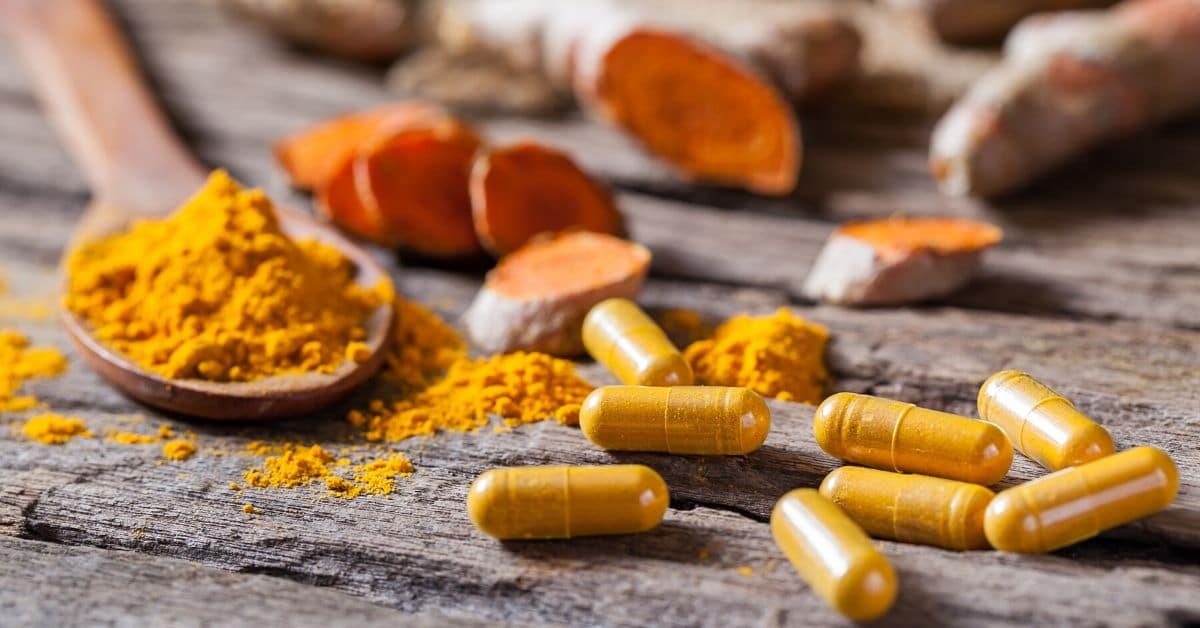
You may be familiar with the culinary spice turmeric. Turmeric is derived from a rhizome — the part of some plants that grow underground horizontally to produce new shoots of growth for the plant. 

Although it’s becoming more readily available, when in its rhizome form, it’s not an item that can easily be found in most grocery stores. It looks a lot like its cousin ginger, but when cut open it has a bright golden-orange color inside.

The turmeric rhizome is made up of several beneficial components called curcuminoids. Curcumin is one of these curcuminoids. Note that there are different kinds of turmeric (e.g., Curcuma longa and Curcuma xanthorrhiza), and they have different curcuminoids.

The other two curcuminoids in Curcuma longa are:

  • Demethoxy curcumin
  • Bisdemethoxy curcumin

So — while curcumin is derived from turmeric, it is not exactly the same thing.

Curcumin is the bioactive compound that gives this golden root it’s reputation in the medical literature.

Turmeric And Bioavailability

Despite all of its amazing benefits and potential for healing, curcumin has one defining challenge: it’s not easily utilized by the body.

It’s difficult to absorb and is metabolized quickly. 

In a turmeric rhizome, only 2-6% of the mass of the plant is curcumin. The curcumin that’s extracted from the plant is not water-soluble. And then, it’s highly sensitive to light exposure and its behavior is dependent upon the pH of any substances it’s combined with.

Basically — it’s difficult to get all of the goodness out of the turmeric plant, keep it stable, and into a form that delivers maximum benefits.

One of the ways that have been tested to improve bioavailability is to combine curcumin with piperine, a compound found in black pepper. I recommend it in Beyond the Pill as an Upgraded Golden Milk with fat and black pepper to enhance absorption.

Extensive studies have now shown that the best way to take advantage of all that curcumin has to offer is to combine it with turmeric oil, a hydrophilic carrier, and natural antioxidants. It’s exactly why I included turmeric oil and vitamin E along with the curcuminoids in my Turmeric Boost formulation. 

15 Health Benefits of Turmeric and Curcumin for Women

Now everyone can certainly benefit from some turmeric in their life, but for the purpose of our exploration we are going to focus on some women specific conditions. But by all means, take the blood pressure, pain reduction, brain boosting, and other beneficial info to the men in your life. 

  1. Inflammation
  2. PMS
  3. Cancer
  4. Depression
  5. Pain Relief
  6. High Blood Pressure
  7. Inflammatory Bowel Disease
  8. Osteoporosis
  9. Fibroids
  10. Endometriosis
  11. Alzheimer’s
  12. Gut Health
  13. Iron Chelation
  14. Increases Antioxidant Status
  15. Improved Brain Function
  16. Diabetes

1. Turmeric For Inflammation

Curcumin is one of the compounds in turmeric broadly referred to as curcuminoids. This is the active anti-inflammatory component of turmeric that is responsible for so many of its benefits.  One of the key ways curcumin works to improve so many common health issues is through the reduction of inflammation

Inflammation is basically the body’s natural immune response to an irritant — whether that be a virus or a cut. 

In most cases, we need a little inflammation to heal a cold or a splinter in our finger. Inflammation isn’t bad, but too much of it for too long can prove problematic.

Due to a variety of various triggers characteristic of modern life (stress and poor diet — I’m looking at you), many people suffer from a low-grade inflammation that eventually contributes to the onset of many chronic health conditions, including:

  • Diabetes
  • Cardiovascular disease
  • Arthritis
  • Allergies
  • Chronic Obstructive Pulmonary Disease (COPD)

Many times, people are unaware that their body is under the stress of inflammation until disease comes full force into their lives.

Curcumin is such a powerful anti-inflammatory that it has been found to be as effective as some anti-inflammatory drugs. One study showed the effect of curcumin was comparable to steroids in its benefits, but without the side effects. The low side effect profile makes turmeric especially attractive in the management of many inflammatory conditions.

Eating an anti-inflammatory diet, reducing stress, exercising, and supplementing with turmeric can all be critical parts of a healthy lifestyle.

2. Turmeric For PMS

In addition to decreasing levels of inflammation in the body, curcumin has also been shown to help alleviate PMS symptoms.

Curcuminoids have been touted as PMS relievers in several studies. And in a randomized, double-blind, placebo-controlled trial, (the gold standard of research) curcumin supplementation was found to significantly reduce the severity of PMS for the study participants after 3 menstrual cycles.

Curcumin is also a natural pain reliever — so it can do wonders for relieving cramping and headaches that can accompany monthly flow. 

I talk more about the benefits of turmeric supplementation for PMS in this article.

3. Is Turmeric Protective Against Cancer?

While there’s no evidence to prove causation — in countries where turmeric consumption is highest (namely India), cancer rates are lowest…

There are several other dietary and lifestyle differences to consider, but in western countries, cancers of all kinds are 5-23 times more prevalent than in India. 

Again, while we can’t assume it’s just the curcumin in turmeric working its magic here, there’s a whole host of evidence that shows curcumin has huge potential in the fight against cancer.

Can Turmeric Prevent Cancer?

Some studies have shown that turmeric may prevent cancer from occurring in the first place. In a small clinical trial studying the effects of curcumin in the development of colorectal cancer it was found that supplementing at 4 grams daily yields a 40% reduction in lesions that had the potential to become cancerous. 

Other studies have suggested that curcumin targets enzymes related to cancer growth and may help prevent head and neck cancer by killing abnormal cells, but these have been in a test tube model and not in a human trial. The same is true of the promising studies regarding breast cancer.

Can Turmeric Treat Cancer?

Curcumin may inhibit the development, growth, and even spread of multiple types of cancer. In fact, one study concluded that “the activity of curcumin reported against leukemia and lymphoma, gastrointestinal cancers, genitourinary cancers, breast cancer, ovarian cancer, head and neck squamous cell carcinoma, lung cancer, melanoma, neurological cancers, and sarcoma reflects its ability to affect multiple targets.” 

In addition to showing promise at the molecular level, there have been animal studies showing curcumin to be a potential treatment in certain cancers. 

However, at this time, there are no human trials showing that turmeric is in fact a stand alone treatment for cancer. Further research is needed to fully understand its role and current research points to it being a helpful herb in the management of symptoms, such as pain associated with cancer. 

While clearly I am a big fan of turmeric, it is important to note that supplements aren’t intended to treat or prevent disease per the FDA. And while I think a daily turmeric intake does have benefits for most, it isn’t meant to be used in lieu of medical treatments. Or in other words, if you have cancer, you’ll want to talk to your doc about what is best for you because turmeric alone isn’t likely enough. Or at least, we don’t have substantial evidence to conclude it would be.

4. Turmeric For Depression and Anxiety

Curcumin also shows great promise for the treatment of depression. In several studies, it’s been shown to have an antidepressant effect on study participants. In some cases, in as little as 4-8 weeks after beginning treatment.

Curcumin is also safe to combine with antidepressants, and can have a significant impact on patients with major depressive disorder.

Studies also show promise for the use of curcumin in anxiety disorders. Evidence suggests that it increases DHA levels — which is great news for brain tissue. DHA is an omega-3 fatty acid that has been shown to be beneficial in brain health.

You can read more about how to address anxiety before your period and how to heal anxiety in these articles. 

And of course, always chat with your doc before starting any supplements while on a medication.

5. Turmeric For Pain Relief

With it’s known anti-inflammatory properties, curcumin can be a safer alternative to other pain-killing pharmaceuticals. 

In study after study, it’s been used as effectively as other pain killers. In one study it was even used after patients had impacted molars removed to great effect.

While larger studies are needed to confirm, there’s plenty of evidence to suggest curcumin can help manage arthritis pain as well.

6. Turmeric For High Blood Pressure

Another great application that’s emerging for curcumin is the management of hypertension, aka high blood pressure.

Studies are indicating that curcumin is effective in lowering blood pressure. In one lab study, it was shown efficacious in managing blood pressure after metabolic syndrome was induced. 

Given women with PCOS are at higher risk for developing high blood pressure and other cardiometabolic issues, turmeric may be beneficial in helping manage their condition.

7. Turmeric For Inflammatory Bowel Disease

So much preliminary data indicates that curcumin shows great promise for the treatment of inflammatory bowel disease (IBD).

Inflammatory bowel diseases include:

Many side effects are reported from conventional IBD treatments to control the gas, bloating and diarrhea that IBD sufferers experience.

Curcumin offers anti-inflammatory relief without the adverse side effects of the drugs typically used to treat IBD. In some studies, 550mg of curcumin 2-4 times per day was enough to significantly reduce symptoms and render IBD inactive.

8. Turmeric  For Osteoporosis

Curcuminoids have even been studied for their effects on bone mass. In one laboratory study, curcuminoids were shown to help prevent bone loss. This is great news for women looking to prevent the onset of postmenopausal osteoporosis — which is pretty much all of us!

9. Turmeric For Fibroids

Fibroids are a common type of tumor that occurs in the female reproductive system. Fibroids can grow in various locations in the uterus and often go unnoticed. But sometimes, fibroids can grow large and cause all kinds of complications for women.

I did a deep-dive article on uterine fibroids that you can also check out for more information.

One of the ways to help manage fibroids naturally is with turmeric. In the case of uterine fibroids, curcumin appears to actually help kill the fibroid cells. Several studies suggest the use of curcumin is a promising step in the right direction to help keep fibroids under control.

10. Turmeric  For Endometriosis

Because curcumin is anti-inflammatory and can help modulate estrogen, it’s an ideal companion in endometriosis treatment. 

Research indicates that curcumin can actually suppress the proliferation of endometrial cellswhich is exactly what we want to accomplish when treating endometriosis.  

Also — since it’s a natural pain reliever, curcumin is wonderful for women suffering from endometriosis, which can be extremely painful.

There isn’t “one thing” that can help endometriosis and in my clinical experience, it is often best to leverage multiple modalities to get symptom relief. As is the case for all the benefits of turmeric and curcumin, a supplement is going to provide therapeutic doses and the most benefit. I would still advocate for eating turmeric and will explain in a bit how to enhance the absorption of curcumin when you do!

curcumin endometriosis treatment

11. Can Turmeric Prevent Alzheimer’s?

In recent years, the medical community has begun to view Alzheimer’s disease as a condition resulting from inflammation and blood sugar dysregulation.

It stands to reason then, that researchers began testing curcumin’s anti-inflammatory properties for Alzheimer’s treatment. Several studies have shown positive results. Many are hopeful that curcumin can not only prevent the onset of Alzheimer’s but actually regenerate neural stem cells

12. Can Turmeric Improve The Gut Microbiome?

You may have heard how important the gut microbiome is to overall health. We are just scratching the surface when it comes to understanding how a healthy gut translates into a healthy immune system, brain function, and hormones.

A recent study showed that both turmeric and curcumin positively impacted the gut microbiota — leading researchers to yet another positive benefit of this amazing rhizome.

13. Does Turmeric Chelate Iron?

As the researchers in this study regarding cancer patients concluded, curcumin, in fact, is an iron chelator. Is it likely that curcumin causes anemia? No.

What is a chelator? 

A chelator is basically something that bonds to metals. In this case, iron. Curcumin binds to it, and therefore individuals with high levels of iron due to hemochromatosis may be able use it to effectively reduce the levels of iron in their blood. Of course, if you have this condition, you need to speak with your doctor and continue to monitor your iron levels. 

While this may be useful for those actively trying to reduce their iron levels, it can also mean trouble for those with anemia. If you’re trying to increase your iron levels — avoid taking curcumin with you iron supplement or iron rich foods. That’s because curcumin is thought to prevent iron absorption when taken with an iron supplement or iron rich foods. There haven’t been many strong studies to support the use of curcumin in hemochromotosis or as a chelator

It is metabolized quickly, so if you’re trying to reduce inflammation and increase iron, it’s likely you can still reap the benefits of curcumin. And if anemia is your concern, take your iron supplement and curcumin separately. Just be sure to check with your doc. 

I advise my patients to take their Turmeric Boost away from iron containing supplements and meals if they show signs of anemia. 

14. Increases Antioxidant Status

Turmeric not only carries its own antioxidants, but it may also boost your body’s own natural ones!

Oxidative stress by free radicals is one mechanism that drives aging and disease. Free radicals, as I explain in this video, can cause DNA damage. 

Curcumin itself can neutralize free radicals or in other words, reduce their destructive potential.

15. Curcumin for Improved Brain Function

Turmeric may very well make you smarter. While we certainly need some controlled experiments, there is evidence that curcumin may improve memory and cognitive function…read: makes you smarter!

Curcumin supports brain-derived neurotrophic factor (BDNF), which supports brain health.

In fact, conditions like Alzheimer’s, dementia, and depression have been linked to decreased levels of BDNF. Curcumin has been shown to increase BDNF in the brain, which may lead to the growth of new neurons and decrease the risk of neurodegenerative disease.

16. Curcumin for Diabetes

In a research setting, curcumin has been found to be helpful in blood sugar regulation, as well as helping to prevent Type 2 Diabetes.

What is the Best Turmeric Supplement?

When selecting a turmeric supplement, it’s important that you find one that’s highly bioavailable. This means that your body will actually be able to absorb it and utilize it. Unfortunately, many turmeric supplements that are available on the market are poorly absorbed which means although you’re taking it, you won’t really see the benefits. The turmeric supplement I carry in my store contains a unique combination of three bioactive, health-promoting curcuminoids: curcumin, bisdemethoxy curcumin and demethoxy curcumin, along with turmeric oil. These three have been shown to have the strongest, most protective and best-researched constituents of turmeric root.

With Turmeric Boost, the general dosage is 1 softgel daily. However, your doctor may recommend up to 4 softgels per day depending on the intended outcome.

Who Shouldn’t Take Turmeric?

Curcuminoids are generally considered safe and without many side effects.

However, curcumin and turmeric are not a good idea to consume without talking to your doctor under the following circumstances:

  • Taking blood thinners (or aspirin, NSAIDs) 
  • Gallstones
  • Kidney stones 
  • Anemia
  • Pregnant
  • Breastfeeding
  • Trying to conceive 
  • Taking chemotherapy drugs
  • Taking blood pressure medication
  • Taking statins to lower cholesterol

Should I Take Turmeric In The Morning Or Evening?

No matter the time of day, it’s best to take curcumin on an empty stomach, 30 minutes before a meal or 2 hours after.

This way, it won’t interfere with the absorption of any other nutrients you are consuming.

Long revered as a peaceful sleep inducer, turmeric has traditionally been taken before bed. Ayurveda (the ancient medical system of India) touts the benefits of a nightcap of milk, honey, and turmeric that’s gained popularity in recent years and is known as golden milk.

In Beyond the Pill I share a recipe I recommend in the evening to promote better sleep, reduce anxiety, and support gut health while you sleep.

The Miraculous Biological Activities Of A Golden Spice

It’s almost hard to believe that a plant as beneficial as turmeric exists. 

As the researchers in this review note, it truly is miraculous. In several studies, up to 8g per day of curcumin have been well-tolerated by patients — but you really don’t need to consume nearly that much to reap serious benefits. 

Whether you’re looking to reduce PMS symptoms or help with fibroids, I recommend my Turmeric Boost formula — it contains curcumin as well as the other curcuminoids, turmeric oil and Vitamin E. It’s the highest quality and most effective formulation of turmeric you can find. 

My hope is that you’ll try it and together with therapies recommended by your doctor be able to prevent inflammation, osteoporosis, even manage endometriosis. 

Want to learn more about women’s hormones, what supplements you can use to get them in check, and have fun while you’re at it? Sign up for my email newsletter and get my hormone balancing starter kit at the same time — it’s chock full of recipes and only-available-to-subscribers articles. 

Citations

Hewlings SJ, Kalman DS. Curcumin: A Review of Its’ Effects on Human Health. Foods. 2017;6(10):92. Published 2017 Oct 22. doi:10.3390/foods6100092

https://www.ncbi.nlm.nih.gov/pmc/articles/PMC5664031/.

Zhang Y, Cao H, Yu Z, Peng HY, Zhang CJ. Curcumin inhibits endometriosis endometrial cells by reducing estradiol production. Iran J Reprod Med. 2013;11(5):415–422.

https://www.ncbi.nlm.nih.gov/pmc/articles/PMC3941414/.

5 Supplements That Scientists Actually Take | Inverse. 7 Sep. 2019. https://www.inverse.com/article/59044-supplements-scientists-actually-take.

Sun J, Chen F, Braun C, Zhou Y, Rittner H, Tian Y, Cai X, Ye D. Role of curcumin in the management of pathological pain. Phytomedicine. Volume 48, 15 September 2018, Pages 129-140.

https://www.ncbi.nlm.nih.gov/pubmed/30195871.

Nabavi SF, Thiagarajan R, Rastrelli L, Daglia M, Sobarzo-Sanchez E, Alinezhad H, Nabavi SM Curcumin: a natural product for diabetes and its complications. Current Topics in Medicinal Chemistry. Volume 15 , Issue 23 , 2015 DOI : 10.2174/1568026615666150619142519

https://www.ncbi.nlm.nih.gov/pubmed/26088351.

Tang M, Taghibiglou C. The Mechanisms of Action of Curcumin in Alzheimer’s Disease. Journal of Alzheimer’s Disease, vol. 58, no. 4, pp. 1003-1016, 2017. https://www.ncbi.nlm.nih.gov/pubmed/28527218

R. B. Mythri and M. M. Srinivas Bharath,  Curcumin: A Potential Neuroprotective Agent in Parkinson’s Disease, Current Pharmaceutical Design (2012) 18: 91. https://doi.org/10.2174/138161212798918995

https://www.ncbi.nlm.nih.gov/pubmed/22211691.

Jiang S, Han J, Li T, Xin Z, Ma Z, Di W, Hu W, Gong B, Di S, Wang D, Yang Y.  Pharmacological Research Volume 119, May 2017, Pages 373-383.

https://www.ncbi.nlm.nih.gov/pubmed/28274852.

Mazieiro R, Frizon RR, Barbalho S, and de Alvares Goulart R. Is Curcumin a Possibility to Treat Inflammatory Bowel Diseases, Journal of Medicinal Food VOL. 21, NO. 11, 15 November 2018. https://www.ncbi.nlm.nih.gov/pubmed/29957091.

Daily JW, Yang M, Park S. Efficacy of Turmeric Extracts and Curcumin for Alleviating the Symptoms of Joint Arthritis: A Systematic Review and Meta-Analysis of Randomized Clinical Trials. J Med Food. 2016;19(8):717–729. doi:10.1089/jmf.2016.3705

https://www.ncbi.nlm.nih.gov/pmc/articles/PMC5003001/.

Lal, B. , Kapoor, A. K., Asthana, O. P., Agrawal, P. K., Prasad, R. , Kumar, P. and Srimal, R. C. (1999), Efficacy of Curcumin in the Management of Chronic Anterior Uveitis. Phytother. Res., 13: 318-322. doi:10.1002/(SICI)1099-1573(199906)13:4<318::AID-PTR445>3.0.CO;2-7

https://www.ncbi.nlm.nih.gov/pubmed/10404539.

Yao Y, Wang W, Li M, et al. Curcumin Exerts its Anti-hypertensive Effect by Down-regulating the AT1 Receptor in Vascular Smooth Muscle Cells. Sci Rep. 2016;6:25579. Published 2016 May 5. doi:10.1038/srep25579

https://www.ncbi.nlm.nih.gov/pmc/articles/PMC4857140/.

Ng, Qin Xiang et al. Clinical Use of Curcumin in Depression: A Meta-Analysis

Journal of the American Medical Directors Association, Volume 18, Issue 6, 503 – 508 22 Feb. 2017 

https://www.ncbi.nlm.nih.gov/pubmed/28236605.

Esmaily, H., Sahebkar, A., Iranshahi, M. et al. Chin. J. Integr. Med. (2015) 21: 332. https://doi.org/10.1007/s11655-015-2160-z

https://www.ncbi.nlm.nih.gov/pubmed/25776839.

Noorafshan A, Vafabin M, Karbalay-Doust S, Asadi-Golshan R. Efficacy of Curcumin in the Modulation of Anxiety Provoked by Sulfite, a Food Preservative, in Rats. Prev Nutr Food Sci. 2017;22(2):144–148. doi:10.3746/pnf.2017.22.2.144

https://www.ncbi.nlm.nih.gov/pubmed/28702432.

Wu A, Noble EE, Tyagi E, Ying Z, Zhuang Y, Gomez-Pinilla F. Curcumin boosts DHA in the brain: Implications for the prevention of anxiety disorders. Biochim Biophys Acta. 2015;1852(5):951–961. doi:10.1016/j.bbadis.2014.12.005

https://www.ncbi.nlm.nih.gov/pubmed/25550171.

Kenji Tsuiji, Takashi Takeda, Bin Li, Atsuko Wakabayashi, Akiko Kondo, Tadashi Kimura & Nobuo Yaegashi (2011) Inhibitory effect of curcumin on uterine leiomyoma cell proliferation, Gynecological Endocrinology, 27:7, 512-517, DOI: 10.3109/09513590.2010.507287

https://www.ncbi.nlm.nih.gov/pubmed/20672906.

Moghadamtousi SZ, Kadir HA, Hassandarvish P, Tajik H, Abubakar S, Zandi K. A review on antibacterial, antiviral, and antifungal activity of curcumin. Biomed Res Int. 2014;2014:186864. doi:10.1155/2014/186864

https://www.ncbi.nlm.nih.gov/pubmed/24877064.

Rhizome | Description, Functions, & Examples | Britannica.com. 2019. https://www.britannica.com/science/rhizome

Curcuminoid – an overview | ScienceDirect Topics. 2019. https://www.sciencedirect.com/topics/medicine-and-dentistry/curcuminoid.

Lee WH, Loo CY, Bebawy M, Luk F, Mason RS, Rohanizadeh R. Curcumin and its derivatives: their application in neuropharmacology and neuroscience in the 21st century. Curr Neuropharmacol. 2013;11(4):338–378. doi:10.2174/1570159X11311040002

https://www.ncbi.nlm.nih.gov/pmc/articles/PMC3744901/.

Jäger R, Lowery RP, Calvanese AV, Joy JM, Purpura M, Wilson JM. Comparative absorption of curcumin formulations. Nutr J. 2014;13:11. Published 2014 Jan 24. doi:10.1186/1475-2891-13-11

https://www.ncbi.nlm.nih.gov/pubmed/24461029.

Aggarwal, B. B., Yuan, W. , Li, S. and Gupta, S. C. (2013), Curcumin‐free turmeric exhibits anti‐inflammatory and anticancer activities: Identification of novel components of turmeric. Mol. Nutr. Food Res., 57: 1529-1542. doi:10.1002/mnfr.201200838

https://www.ncbi.nlm.nih.gov/pubmed/23847105.

InformedHealth.org [Internet]. Cologne, Germany: Institute for Quality and Efficiency in Health Care (IQWiG); 2006-. What is an inflammation? 2010 Nov 23 [Updated 2018 Feb 22].

https://www.ncbi.nlm.nih.gov/books/NBK279298/.

Minihane AM, Vinoy S, Russell WR, et al. Low-grade inflammation, diet composition and health: current research evidence and its translation. Br J Nutr. 2015;114(7):999–1012. doi:10.1017/S0007114515002093

https://www.ncbi.nlm.nih.gov/pubmed/26228057.

Pahwa R, Jialal I. Chronic Inflammation. [Updated 2019 Jun 4]. In: StatPearls [Internet]. Treasure Island (FL): StatPearls Publishing; 2019 Jan-. https://www.ncbi.nlm.nih.gov/books/NBK493173/

Khayat S, Fanaei H, Kheirkhah M, Moghadam ZB, Kasaeian A, Javadimehr M. Curcumin attenuates severity of premenstrual syndrome symptoms: A randomized, double-blind, placebo-controlled trial. Complement Ther Med. 2015 Jun;23(3):318-24. doi: 10.1016/j.ctim.2015.04.001. Epub 2015 Apr 9. PubMed PMID: 26051565.

https://www.ncbi.nlm.nih.gov/pubmed/26051565.

Hutchins-Wolfbrandt A, Mistry AM. MINI-REVIEW Dietary Turmeric Potentially Reduces the Risk of Cancer. Asian Pacific Journal of Cancer Prevention, Vol 12, 2011.

http://journal.waocp.org/article_26033_1b27ce1966fc5c5d034c7ea0d22f2363.pdf.

Aggarwal BB, Kumar A, Bharti AC. Anticancer potential of curcumin: preclinical and clinical studies. Anticancer Res. 2003 Jan-Feb;23(1A):363-98. Review. PubMed PMID: 12680238.

https://www.ncbi.nlm.nih.gov/pubmed/12680238.

Lopresti AL, Maes M, Maker GL, Hood SD, Drummond PD. Curcumin for the treatment of major depression: a randomised, double-blind, placebo controlled study. J Affect Disord. 2014;167:368-75. doi: 10.1016/j.jad.2014.06.001. Epub 2014 Jun 11. PubMed PMID: 25046624.

https://www.ncbi.nlm.nih.gov/pubmed/25046624.

Kanchanatawan B, Tangwongchai S, Sughondhabhirom A, Suppapitiporn S, Hemrunrojn S, Carvalho AF, Maes M. Add-on Treatment with Curcumin Has Antidepressive Effects in Thai Patients with Major Depression: Results of a Randomized Double-Blind Placebo-Controlled Study. Neurotox Res. 2018 Apr;33(3):621-633. doi: 10.1007/s12640-017-9860-4. Epub 2018 Jan 11. PubMed PMID: 29327213.

https://www.ncbi.nlm.nih.gov/pubmed/29327213.

Maulina T, Diana H, Cahyanto A, Amaliya A. The efficacy of curcumin in managing acute inflammation pain on the post-surgical removal of impacted third molars patients: A randomised controlled trial. J Oral Rehabil. 2018 Sep;45(9):677-683. doi: 10.1111/joor.12679. Epub 2018 Jun 28. PubMed PMID: 29908031.

https://www.ncbi.nlm.nih.gov/pubmed/29908031.

Daily JW, Yang M, Park S. Efficacy of Turmeric Extracts and Curcumin for Alleviating the Symptoms of Joint Arthritis: A Systematic Review and Meta-Analysis of Randomized Clinical Trials. J Med Food. 2016 Aug;19(8):717-29. doi: 10.1089/jmf.2016.3705. Review. PubMed PMID: 27533649; PubMed Central PMCID: PMC5003001.

https://www.ncbi.nlm.nih.gov/pubmed/27533649.

du Preez R, Pahl J, Arora M, Ravi Kumar MNV, Brown L, Panchal SK. Low-Dose Curcumin Nanoparticles Normalise Blood Pressure in Male Wistar Rats with Diet-Induced Metabolic Syndrome. Nutrients. 2019 Jul 8;11(7). doi: 10.3390/nu11071542. PubMed PMID: 31288419; PubMed Central PMCID: PMC6682951.

https://www.ncbi.nlm.nih.gov/pubmed/31288419.

Inflammatory bowel disease (IBD) — Mayo Clinic. 18 November 2017. https://www.mayoclinic.org/diseases-conditions/inflammatory-bowel-disease/symptoms-causes/syc-20353315

Crohn’s disease – Symptoms and causes – Mayo Clinic. 13 Sep. 2019, https://www.mayoclinic.org/diseases-conditions/crohns-disease/symptoms-causes/syc-20353304

Ulcerative colitis – Symptoms and causes – Mayo Clinic. 4 Oct. 2019, https://www.mayoclinic.org/diseases-conditions/ulcerative-colitis/symptoms-causes/syc-20353326

Ulcerative Proctitis – Gastrointestinal Society. 19 Mar. 2019, https://badgut.org/information-centre/a-z-digestive-topics/ulcerative-proctitis/

Necrotizing Enterocolitis (NEC) | Cleveland Clinic. 7 October 2014. https://my.clevelandclinic.org/health/diseases/10026-necrotizing-enterocolitis

Vecchi Brumatti L, Marcuzzi A, Tricarico PM, Zanin V, Girardelli M, Bianco AM. Curcumin and inflammatory bowel disease: potential and limits of innovative treatments. Molecules. 2014 Dec 16;19(12):21127-53. doi: 10.3390/molecules191221127. Review. PubMed PMID: 25521115; PubMed Central PMCID: PMC6271352.

https://www.mdpi.com/1420-3049/19/12/21127/htm.

Wright LE, Frye JB, Timmermann BN, Funk JL. Protection of trabecular bone in ovariectomized rats by turmeric (Curcuma longa L.) is dependent on extract composition. J Agric Food Chem. 2010;58(17):9498–9504. doi:10.1021/jf101873f

https://www.ncbi.nlm.nih.gov/pmc/articles/PMC2945868/.

Malik M, Mendoza M, Payson M, Catherino WH. Curcumin, a nutritional supplement with antineoplastic activity, enhances leiomyoma cell apoptosis and decreases fibronectin expression. Fertil Steril. 2009 May;91(5 Suppl):2177-84. doi: 10.1016/j.fertnstert.2008.03.045. Epub 2008 Jun 13. PubMed PMID: 18555241.

https://www.ncbi.nlm.nih.gov/pubmed/18555241.

Tsuiji K, Takeda T, Li B, Wakabayashi A, Kondo A, Kimura T, Yaegashi N. Inhibitory effect of curcumin on uterine leiomyoma cell proliferation. Gynecol Endocrinol. 2011 Jul;27(7):512-7. doi: 10.3109/09513590.2010.507287. Epub 2010 Jul 30. PubMed PMID: 20672906.

https://www.ncbi.nlm.nih.gov/pubmed/20672906.

Zhang Y, Cao H, Yu Z, Peng HY, Zhang CJ. Curcumin inhibits endometriosis endometrial cells by reducing estradiol production. Iran J Reprod Med. 2013;11(5):415–422.

https://www.ncbi.nlm.nih.gov/pmc/articles/PMC3941414/.

Goozee KG, Shah TM, Sohrabi HR, Rainey-Smith SR, Brown B, Verdile G, Martins RN. Examining the potential clinical value of curcumin in the prevention and diagnosis of Alzheimer’s disease. British Journal of Nutrition (2016), 115, 449–465 doi:10.1017/S0007114515004687 

https://www.cambridge.org/core/services/aop-cambridge-core/content/view/A2DB953BAA57C30E080D030AF0C225D9/S0007114515004687a.pdf/examining_the_potential_clinical_value_of_curcumin_in_the_prevention_and_diagnosis_of_alzheimers_disease.pdf.

Cheng KK, Yeung CF, Ho SW, Chow SF, Chow AH, Baum L. Highly stabilized curcumin nanoparticles tested in an in vitro blood-brain barrier model and in Alzheimer’s disease Tg2576 mice. AAPS J. 2013 Apr;15(2):324-36. doi: 10.1208/s12248-012-9444-4. Epub 2012 Dec 11. PubMed PMID: 23229335; PubMed Central PMCID: PMC3675736.

https://www.ncbi.nlm.nih.gov/pubmed/23229335.

Hucklenbroich J, Klein R, Neumaier B, Graf R, Fink GR, Schroeter M, Rueger MA. Aromatic-turmerone induces neural stem cell proliferation in vitro and in vivo. Stem Cell Res Ther. 2014 Sep 26;5(4):100. doi: 10.1186/scrt500. PubMed PMID: 25928248; PubMed Central PMCID: PMC4180255.

https://www.ncbi.nlm.nih.gov/pubmed/25928248.

Mohajeri MH, Brummer RJM, Rastall RA, et al. The role of the microbiome for human health: from basic science to clinical applications. Eur J Nutr. 2018;57(Suppl 1):1–14. doi:10.1007/s00394-018-1703-4

https://www.ncbi.nlm.nih.gov/pmc/articles/PMC5962619/.

Peterson CT, Vaughn AR, Sharma V, Chopra D, Mills PJ, Peterson SN, Sivamani RK. Effects of Turmeric and Curcumin Dietary Supplementation on Human Gut Microbiota: A Double-Blind, Randomized, Placebo-Controlled Pilot Study. J Evid Based Integr Med. 2018 Jan-Dec;23:2515690X18790725. doi: 10.1177/2515690X18790725. PubMed PMID: 30088420; PubMed Central PMCID: PMC6083746.

https://www.ncbi.nlm.nih.gov/pubmed/30088420.

Jiao Y, Wilkinson J 4th, Di X, et al. Curcumin, a cancer chemopreventive and chemotherapeutic agent, is a biologically active iron chelator. Blood. 2009;113(2):462–469. doi:10.1182/blood-2008-05-155952

https://www.ncbi.nlm.nih.gov/pmc/articles/PMC2615657/.

Flora SJ, Pachauri V. Chelation in metal intoxication. Int J Environ Res Public Health. 2010;7(7):2745–2788. doi:10.3390/ijerph7072745

https://www.ncbi.nlm.nih.gov/pmc/articles/PMC2922724/.

Hemochromatosis – Symptoms and causes – Mayo Clinic. 5 Jan. 2018. https://www.mayoclinic.org/diseases-conditions/hemochromatosis/symptoms-causes/syc-20351443

Anemia – Symptoms and causes – Mayo Clinic. 16 Aug. 2019. https://www.mayoclinic.org/diseases-conditions/anemia/symptoms-causes/syc-20351360

Smith TJ, Ashar BH. Iron Deficiency Anemia Due to High-dose Turmeric. Cureus. 2019;11(1):e3858. Published 2019 Jan 9. doi:10.7759/cureus.3858

https://www.ncbi.nlm.nih.gov/pmc/articles/PMC6414192/.

Gupta SC, Patchva S, Koh W, Aggarwal BB. Discovery of curcumin, a component of golden spice, and its miraculous biological activities. Clin Exp Pharmacol Physiol. 2012;39(3):283–299. doi:10.1111/j.1440-1681.2011.05648.x

https://www.ncbi.nlm.nih.gov/pmc/articles/PMC3288651/.

Gupta SC, Patchva S, Aggarwal BB. Therapeutic roles of curcumin: lessons learned from clinical trials. AAPS J. 2013;15(1):195–218. doi:10.1208/s12248-012-9432-8 https://www.ncbi.nlm.nih.gov/pmc/articles/PMC3535097/

Pivari F, Mingione A, Brasacchio C, Soldati L. Curcumin and Type 2 Diabetes Mellitus: Prevention and Treatment. Nutrients. 2019;11(8):1837. doi:10.3390/nu11081837

The health benefits of turmeric are extensive. Turmeric and its active compound, curcumin, have many science-backed health benefits, such as reduction of PMS symptoms, possible suppression of endometriosis tissue growth, potential prevention of Alzheimer’s (women are at the highest risk for this), and has shown benefits for those suffering from mood symptoms like depression.

Turmeric is a root that is packed with antioxidants and has potent anti-inflammatory properties, which accounts for its benefits in pain reduction and the treatment of autoimmune diseases, such as inflammatory bowel disease. 

Have you heard the hype about turmeric and curcumin?

If you haven’t — it’s time we had a chat. And if you have, I’m about to break down the myths and discuss the true benefits of turmeric.

Turmeric is an inflammation-calming all-star. It’s been around for thousands of years and was revered by ancient cultures. 

It’s also been well-studied by modern science and, as it turns out, all of those traditional herbalists were on to something. 

As a naturopathic physician, I’ve seen many women in my clinic experience improvement in their hormonal imbalance symptoms after incorporating curcumin into their supplement routines. It’s a key ingredient in my Turmeric Boost formula, which is an essential part of my estrogen dominance protocol.

When you consider turmeric’s anti-inflammatory properties and its ability to diminish excess estrogen, it’s a go-to in my practitioner’s toolkit for managing hormones.

Curcumin has been shown in study after study to help manage just about every common chronic disease in the modern world. It’s a staple for anyone looking to improve their health. I wasn’t surprised to see turmeric top a list of supplements scientists take

The modern medical community has celebrated curcumin for its potential role in helping dozens of conditions.

Health Benefits of Turmeric and Curcumin

It has natural anti-microbial, anti-fungal, and anti-bacterial properties.

And, in its whole form, turmeric has a gorgeous yellow-orange color that has been used for centuries as a food and fabric coloring agent. It’s what originally lent color to yellow mustard and why curry powder is yellow.

In this article, we will take an in-depth look at how turmeric is used, and the benefits science says are the most important. Before we dive in, I want to explain more about turmeric and curcumin, as well as absorption.

curcumin health benefits for women

Is Curcumin The Same As Turmeric?

You may be familiar with the culinary spice turmeric. Turmeric is derived from a rhizome — the part of some plants that grow underground horizontally to produce new shoots of growth for the plant. 

Although it’s becoming more readily available, it’s not an item that can easily be found in most grocery stores when in its rhizome form. It looks a lot like its cousin, ginger, but when cut open, you’ll see a bright golden-orange color inside.

The turmeric rhizome is made up of several beneficial components called curcuminoids. Curcumin is one of these curcuminoids.

The other two curcuminoids in turmeric are:

  • Demethoxy curcumin
  • Bisdemethoxy curcumin

So — while curcumin is derived from turmeric, it is not exactly the same thing.

Curcumin is the bioactive compound that gives this golden root its reputation in the medical literature.

Turmeric And Bioavailability

Despite its amazing benefits and potential for healing, curcumin has one defining challenge: it’s not efficiently utilized by the body.

It’s difficult to absorb and is metabolized quickly. 

In a turmeric rhizome, only 2-6% of the mass of the plant is curcumin. The curcumin that’s extracted from the plant is not water-soluble. And then, it’s vulnerable to light exposure and its behavior is dependent upon the pH of any substances it’s combined with.

Basically — it’s challenging to get all of the goodness out of the turmeric plant, keep it stable, and into a form that delivers maximum benefits.

One way that has been tested to improve bioavailability is to combine curcumin with piperine, a compound found in black pepper. I mention it in Beyond the Pill as an Upgraded Golden Milk with fat and black pepper to enhance absorption.

Extensive studies have shown that the best way to take advantage of all that curcumin offers is to combine it with turmeric oil, a hydrophilic carrier, and natural antioxidants. It’s exactly why I included turmeric oil and vitamin E along with the curcuminoids in my Turmeric Boost formulation. 

15 Health Benefits of Turmeric and Curcumin for Women

Now everyone can certainly benefit from some turmeric in their life, but for the purpose of our exploration, we will focus on some women-specific conditions. But by all means, take the blood pressure, pain reduction, brain boosting, and other beneficial info to the men in your life. 

  1. Inflammation
  2. PMS
  3. Cancer
  4. Depression
  5. Pain Relief
  6. High Blood Pressure
  7. Inflammatory Bowel Disease
  8. Osteoporosis
  9. Fibroids
  10. Endometriosis
  11. Alzheimer’s
  12. Gut Health
  13. Iron Chelation
  14. Increases Antioxidant Status
  15. Improved Brain Function

1. Turmeric For Inflammation

Curcumin is one of the compounds in turmeric broadly referred to as curcuminoids. This is the active anti-inflammatory component of turmeric that is responsible for so many of its benefits.  One of the key ways curcumin works to improve so many common health issues is by calming the body’s inflammatory response. 

Inflammation is basically the body’s natural immune response to an irritant — whether that be a virus or a cut. 

In most cases, we need a little inflammation to heal a cold or a splinter in our finger. Inflammation isn’t bad, but too much of it for too long can prove problematic.

Due to a variety of various triggers characteristic of modern life (stress and poor diet — I’m looking at you), many people suffer from a low-grade inflammation that eventually contributes to the onset of many chronic health conditions, including:

  • Diabetes
  • Cardiovascular disease
  • Arthritis
  • Allergies
  • Chronic Obstructive Pulmonary Disease (COPD)

People are often unaware that their body is under the stress of inflammation until disease comes full force into their lives.

Curcumin is such a potent anti-inflammatory that it has been found to be as effective as some anti-inflammatory drugs. One study showed the effect of curcumin was comparable to steroids in its benefits, but without the side effects. The low side effect profile makes turmeric especially attractive in the management of many inflammatory conditions.

Eating an anti-inflammatory diet, reducing stress, exercising, and supplementing with turmeric can all be critical parts of a healthy lifestyle.

2. Turmeric For PMS

In addition to decreasing levels of inflammation in the body, curcumin has also been shown to help alleviate PMS symptoms.

Curcuminoids have been touted as PMS relievers in several studies. And in a randomized, double-blind, placebo-controlled trial (the gold standard of research), curcumin supplementation was found to significantly reduce the severity of PMS for the study participants after three menstrual cycles.

Curcumin is also a natural pain reliever — so it can do wonders for relieving cramping and headaches that can accompany monthly flow. 

I talk more about the benefits of turmeric supplementation for PMS in this article.

3. Is Turmeric Protective Against Cancer?

While there’s no evidence to prove causation — in countries where turmeric consumption is highest (namely India), cancer rates are lowest. There could be other factors at play, though. 

There are several other dietary and lifestyle differences to consider, but in western countries, cancers of all kinds are 5-23 times more prevalent than in India. 

Again, while we can’t assume it’s just the curcumin in turmeric working its magic here, there’s a whole host of evidence that shows curcumin has huge potential in the fight against cancer.

Can Turmeric Prevent Cancer?

Some studies have shown that turmeric may prevent cancer from occurring in the first place. In a small clinical trial studying the effects of turmeric in the development of colorectal cancer, it was found that supplementing at 4 grams daily resulted in a 40% reduction in lesions that had the potential to become cancerous. 

Other studies have suggested that turmeric targets enzymes related to cancer growth and may help prevent head and neck cancer by killing abnormal cells, but these have been in a test tube model and not in a human trial. The same is true of the promising studies regarding breast cancer.

Can Turmeric Treat Cancer?

Curcumin may inhibit the development, growth, and even spread of multiple types of cancer. One study concluded that “the activity of curcumin reported against leukemia and lymphoma, gastrointestinal cancers, genitourinary cancers, breast cancer, ovarian cancer, head and neck squamous cell carcinoma, lung cancer, melanoma, neurological cancers, and sarcoma reflects its ability to affect multiple targets.” 

In addition to showing promise at the molecular level, there have been animal studies showing curcumin to be a potential treatment in certain cancers. 

However, at this time, there are no human trials showing that turmeric is in fact a standalone treatment for cancer. Further research is needed to fully understand its role, and current research points to it being a helpful herb in the management of symptoms, such as pain associated with cancer. 

While clearly I am a big fan of turmeric, it is important to note that supplements aren’t intended to treat or prevent disease. And while I think a daily turmeric intake does have benefits for most, it isn’t meant to be used in lieu of medical treatments. Or in other words, if you have cancer, you’ll want to talk to your doc about what is best for you because turmeric alone isn’t likely enough. Or at least, we don’t have substantial evidence to conclude it would be.

4. Turmeric For Depression and Anxiety

Curcumin also shows great promise for the treatment of depression. In several studies, it’s been shown to have an antidepressant effect on study participants. In some cases, participants noticed a difference in as little as 4-8 weeks after beginning treatment.

Curcumin is also safe to combine with antidepressants, and can have a significant impact on patients with major depressive disorder.

Studies also show promise for the use of curcumin in anxiety disorders. Evidence suggests that it increases DHA levels — which is great news for brain tissue. DHA is an omega-3 fatty acid that has been shown to be beneficial in brain health.

You can read more about how to address anxiety before your period and how to heal anxiety in these articles. 

And of course, always chat with your doc before starting any supplements while on a medication.

5. Turmeric For Pain Relief

With it’s known anti-inflammatory properties, curcumin can be a safer alternative to other pain-killing pharmaceuticals. 

In study after study, it’s been used as effectively as other pain killers. In one study it was even used after patients had impacted molars removed to great effect.

While larger studies are needed to confirm, there’s plenty of evidence to suggest curcumin can help manage arthritis pain as well.

6. Turmeric For High Blood Pressure

Another great application that’s emerging for curcumin is the management of hypertension, aka high blood pressure.

Studies are indicating that curcumin is effective in lowering blood pressure. In one lab study, it was shown efficacious in managing blood pressure after researchers induced metabolic syndrome. 

Given women with PCOS are at higher risk for developing high blood pressure and other cardiometabolic issues, turmeric may be beneficial in helping manage their condition.

7. Turmeric For Inflammatory Bowel Disease

So much preliminary data indicates that curcumin shows great promise for the treatment of inflammatory bowel disease (IBD).

Inflammatory bowel diseases include:

Many side effects are reported from conventional IBD treatments to control the gas, bloating and diarrhea that IBD sufferers experience.

Curcumin offers anti-inflammatory relief without the adverse side effects of the drugs typically used to treat IBD. In some studies, 550mg of curcumin 2-4 times per day was enough to significantly reduce symptoms and render IBD inactive.

8. Turmeric  For Osteoporosis

Curcuminoids have even been studied for their effects on bone mass. In one laboratory study, curcuminoids were shown to prevent bone loss. This is great news for women looking to prevent the onset of postmenopausal osteoporosis — which is pretty much all of us!

9. Turmeric For Fibroids

Fibroids are a common type of tumor that occurs in the female reproductive system. Fibroids can grow in various locations in the uterus and often go unnoticed. But sometimes, fibroids can grow large and cause all kinds of complications for women.

I did a deep-dive article on uterine fibroids that you can also check out for more information.

One of the ways to help manage fibroids naturally is with turmeric. In the case of uterine fibroids, curcumin appears to actually help kill the fibroid cells. Several studies suggest the use of curcumin is a promising step in the right direction to help keep fibroids under control.

10. Turmeric  For Endometriosis

Because curcumin is anti-inflammatory and can help modulate estrogen, it’s an ideal companion in endometriosis treatment. 

Research indicates that curcumin can actually suppress the proliferation of endometrial cellswhich is exactly what we want to accomplish when treating endometriosis.  

Also — since it’s a natural pain reliever, curcumin is wonderful for women suffering from endometriosis, which can be extremely painful.

There isn’t “one thing” that can help endometriosis and in my clinical experience, it is often best to leverage multiple modalities to get symptom relief. As is the case for all the benefits of turmeric and curcumin, a supplement is going to provide therapeutic doses and the most benefit. I would still advocate for eating turmeric and will explain in a bit how to enhance the absorption of curcumin when you do!

curcumin endometriosis treatment

11. Can Turmeric Prevent Alzheimer’s?

In recent years, the medical community has begun to view Alzheimer’s disease as a condition resulting from inflammation and blood sugar dysregulation.

It stands to reason then, that researchers began testing curcumin’s anti-inflammatory properties for Alzheimer’s treatment. Several studies have shown positive results. Many are hopeful that curcumin can not only prevent the onset of Alzheimer’s but actually regenerate neural stem cells

12. Can Turmeric Improve The Gut Microbiome?

You may have heard how important the gut microbiome is to overall health. We are just scratching the surface when it comes to understanding how a healthy gut translates into a healthy immune system, brain function, and hormones.

A recent study showed that both turmeric and curcumin positively impacted the gut microbiota — leading researchers to yet another positive benefit of this amazing rhizome.

13. Does Turmeric Chelate Iron?

As the researchers in this study regarding cancer patients concluded, curcumin, in fact, is an iron chelator. Is it likely that curcumin causes anemia? No.

What is a chelator? 

A chelator is something that bonds to metals. In this case, iron. Curcumin binds to it, and therefore individuals with high levels of iron due to hemochromatosis may be able use it to effectively reduce the levels of iron in their blood. Of course, if you have this condition, you need to speak with your doctor and continue to monitor your iron levels. 

While this may be useful for those actively trying to reduce their iron levels, it can also mean trouble for those with anemia. If you’re trying to increase your iron levels, avoid taking curcumin with iron supplements or iron-rich foods. That’s because curcumin is thought to prevent iron absorption when taken with an iron supplement or iron-rich foods. There haven’t been many strong studies to support the use of curcumin in hemochromatosis or as a chelator

It is metabolized quickly, so if you’re trying to reduce inflammation and increase iron, it’s likely you can still reap the benefits of curcumin. And if anemia is your concern, take your iron supplement and curcumin separately. Just be sure to check with your doc. 

I advise my patients to take their Turmeric Boost away from iron-containing supplements and meals if they show signs of anemia. 

14. Increases Antioxidant Status

Turmeric not only carries its own antioxidants, but it may also boost your body’s wn natural ones!

Oxidative stress by free radicals is one mechanism that drives aging and disease. Free radicals, as I explain in this video, can cause DNA damage. 

Curcumin itself can neutralize free radicals or in other words, reduce their destructive potential.

15. Curcumin for Improved Brain Function

Turmeric may very well make you smarter. While we certainly need some controlled experiments, there is evidence that cucumin may improve memory and cognitive function (read: makes you smarter)!

Curcumin supports brain-derived neurotrophic factor (BDNF), which supports brain health.

In fact, conditions like Alzheimer’s, dementia, and depression have been linked to decreased levels of BDNF. Curcumin has been shown to increase BDNF in the brain, which may lead to the growth of new neurons and decrease the risk of neurodegenerative disease.

16. Curcumin and Blood Sugar

Research has found that curcumin was helpful in study participants’ blood sugar regulation and diabetes prevention. If you are or suspect you are pre-diabetic, ask your doctor about incorporating turmeric as part of a full prevention plan. 

Turmeric certainly won’t rescue you from a high-sugar diet or a sedentary life. So, definitely work with your doctor when you’re facing metabolic issues. 

What is the Best Turmeric Supplement?

When selecting a turmeric supplement, it’s important that you find one that’s highly bioavailable. This means that your body will actually be able to absorb it and utilize it. Unfortunately, many turmeric supplements that are available on the market are poorly absorbed which means although you’re taking it, you won’t really see the benefits. The turmeric supplement I carry in my store contains a unique combination of three bioactive, health-promoting curcuminoids: curcumin, bisdemethoxy curcumin and demethoxy curcumin, along with turmeric oil. These three have been shown to have the strongest, most protective and best-researched constituents of turmeric root.

With Turmeric Boost, the general dosage is 1 softgel daily. However, your doctor may recommend up to 4 softgels per day depending on the intended outcome.

Who Shouldn’t Take Turmeric?

Curcuminoids are generally considered safe and without many side effects.

However, curcumin and turmeric are not a good idea to consume without talking to your doctor under the following circumstances:

  • Taking blood thinners (or aspirin, NSAIDs) 
  • Gallstones
  • Kidney stones
  • Anemia
  • Pregnant
  • Breastfeeding
  • Trying to conceive 
  • Taking chemotherapy drugs
  • Taking blood pressure medication
  • Taking statins to lower cholesterol
  • Taking medicine to lower blood sugar

Should I Take Turmeric In The Morning Or Evening?

No matter the time of day, it’s best to take curcumin on an empty stomach, 30 minutes before a meal or 2 hours after.

This way, it won’t interfere with the absorption of any other nutrients you are consuming.

Long revered as a peaceful sleep inducer, turmeric has traditionally been taken before bed. Ayurveda (the ancient medical system of India) touts the benefits of a nightcap of milk, honey, and turmeric that’s gained popularity in recent years and is known as golden milk.

In Beyond the Pill I share a recipe I recommend in the evening to promote better sleep, reduce anxiety, and support gut health while you sleep.

The Miraculous Biological Activities Of A Golden Spice

It’s almost hard to believe that a plant as beneficial as turmeric exists. 

As the researchers in this review note, it truly is miraculous. In several studies, up to 8g per day of curcumin have been well-tolerated by patients — but you really don’t need to consume nearly that much to reap serious benefits. 

Whether you’re looking to reduce PMS symptoms or help with fibroids, I recommend my Turmeric Boost formula — it contains curcumin as well as the other curcuminoids, turmeric oil and Vitamin E. It’s the highest quality and most effective formulation of turmeric you can find. 

My hope is that you’ll try it and together with therapies recommended by your doctor be able to prevent inflammation, osteoporosis, even manage endometriosis. Want to learn more about women’s hormones, what supplements you can use to get them in check, and have fun while you’re at it? Sign up for my email newsletter and get my hormone balancing starter kit at the same time — it’s chock full of recipes and only-available-to-subscribers articles.

Citations

Hewlings SJ, Kalman DS. Curcumin: A Review of Its’ Effects on Human Health. Foods. 2017;6(10):92. Published 2017 Oct 22. doi:10.3390/foods6100092

https://www.ncbi.nlm.nih.gov/pmc/articles/PMC5664031/.

Zhang Y, Cao H, Yu Z, Peng HY, Zhang CJ. Curcumin inhibits endometriosis endometrial cells by reducing estradiol production. Iran J Reprod Med. 2013;11(5):415–422.

https://www.ncbi.nlm.nih.gov/pmc/articles/PMC3941414/.

5 Supplements That Scientists Actually Take | Inverse. 7 Sep. 2019. https://www.inverse.com/article/59044-supplements-scientists-actually-take.

Sun J, Chen F, Braun C, Zhou Y, Rittner H, Tian Y, Cai X, Ye D. Role of curcumin in the management of pathological pain. Phytomedicine. Volume 48, 15 September 2018, Pages 129-140.

https://www.ncbi.nlm.nih.gov/pubmed/30195871.

Nabavi SF, Thiagarajan R, Rastrelli L, Daglia M, Sobarzo-Sanchez E, Alinezhad H, Nabavi SM Curcumin: a natural product for diabetes and its complications. Current Topics in Medicinal Chemistry. Volume 15 , Issue 23 , 2015 DOI : 10.2174/1568026615666150619142519

https://www.ncbi.nlm.nih.gov/pubmed/26088351.

Tang M, Taghibiglou C. The Mechanisms of Action of Curcumin in Alzheimer’s Disease. Journal of Alzheimer’s Disease, vol. 58, no. 4, pp. 1003-1016, 2017. https://www.ncbi.nlm.nih.gov/pubmed/28527218

R. B. Mythri and M. M. Srinivas Bharath,  Curcumin: A Potential Neuroprotective Agent in Parkinson’s Disease, Current Pharmaceutical Design (2012) 18: 91. https://doi.org/10.2174/138161212798918995

https://www.ncbi.nlm.nih.gov/pubmed/22211691.

Jiang S, Han J, Li T, Xin Z, Ma Z, Di W, Hu W, Gong B, Di S, Wang D, Yang Y.  Pharmacological Research Volume 119, May 2017, Pages 373-383.

https://www.ncbi.nlm.nih.gov/pubmed/28274852.

Mazieiro R, Frizon RR, Barbalho S, and de Alvares Goulart R. Is Curcumin a Possibility to Treat Inflammatory Bowel Diseases, Journal of Medicinal Food VOL. 21, NO. 11, 15 November 2018. https://www.ncbi.nlm.nih.gov/pubmed/29957091.

Daily JW, Yang M, Park S. Efficacy of Turmeric Extracts and Curcumin for Alleviating the Symptoms of Joint Arthritis: A Systematic Review and Meta-Analysis of Randomized Clinical Trials. J Med Food. 2016;19(8):717–729. doi:10.1089/jmf.2016.3705

https://www.ncbi.nlm.nih.gov/pmc/articles/PMC5003001/.

Lal, B. , Kapoor, A. K., Asthana, O. P., Agrawal, P. K., Prasad, R. , Kumar, P. and Srimal, R. C. (1999), Efficacy of Curcumin in the Management of Chronic Anterior Uveitis. Phytother. Res., 13: 318-322. doi:10.1002/(SICI)1099-1573(199906)13:4<318::AID-PTR445>3.0.CO;2-7

https://www.ncbi.nlm.nih.gov/pubmed/10404539.

Yao Y, Wang W, Li M, et al. Curcumin Exerts its Anti-hypertensive Effect by Down-regulating the AT1 Receptor in Vascular Smooth Muscle Cells. Sci Rep. 2016;6:25579. Published 2016 May 5. doi:10.1038/srep25579

https://www.ncbi.nlm.nih.gov/pmc/articles/PMC4857140/.

Ng, Qin Xiang et al. Clinical Use of Curcumin in Depression: A Meta-Analysis

Journal of the American Medical Directors Association, Volume 18, Issue 6, 503 – 508 22 Feb. 2017 

https://www.ncbi.nlm.nih.gov/pubmed/28236605.

Esmaily, H., Sahebkar, A., Iranshahi, M. et al. Chin. J. Integr. Med. (2015) 21: 332. https://doi.org/10.1007/s11655-015-2160-z

https://www.ncbi.nlm.nih.gov/pubmed/25776839.

Noorafshan A, Vafabin M, Karbalay-Doust S, Asadi-Golshan R. Efficacy of Curcumin in the Modulation of Anxiety Provoked by Sulfite, a Food Preservative, in Rats. Prev Nutr Food Sci. 2017;22(2):144–148. doi:10.3746/pnf.2017.22.2.144

https://www.ncbi.nlm.nih.gov/pubmed/28702432.

Wu A, Noble EE, Tyagi E, Ying Z, Zhuang Y, Gomez-Pinilla F. Curcumin boosts DHA in the brain: Implications for the prevention of anxiety disorders. Biochim Biophys Acta. 2015;1852(5):951–961. doi:10.1016/j.bbadis.2014.12.005

https://www.ncbi.nlm.nih.gov/pubmed/25550171.

Kenji Tsuiji, Takashi Takeda, Bin Li, Atsuko Wakabayashi, Akiko Kondo, Tadashi Kimura & Nobuo Yaegashi (2011) Inhibitory effect of curcumin on uterine leiomyoma cell proliferation, Gynecological Endocrinology, 27:7, 512-517, DOI: 10.3109/09513590.2010.507287

https://www.ncbi.nlm.nih.gov/pubmed/20672906.

Moghadamtousi SZ, Kadir HA, Hassandarvish P, Tajik H, Abubakar S, Zandi K. A review on antibacterial, antiviral, and antifungal activity of curcumin. Biomed Res Int. 2014;2014:186864. doi:10.1155/2014/186864

https://www.ncbi.nlm.nih.gov/pubmed/24877064.

Rhizome | Description, Functions, & Examples | Britannica.com. 2019. https://www.britannica.com/science/rhizome

Curcuminoid – an overview | ScienceDirect Topics. 2019. https://www.sciencedirect.com/topics/medicine-and-dentistry/curcuminoid.

Lee WH, Loo CY, Bebawy M, Luk F, Mason RS, Rohanizadeh R. Curcumin and its derivatives: their application in neuropharmacology and neuroscience in the 21st century. Curr Neuropharmacol. 2013;11(4):338–378. doi:10.2174/1570159X11311040002

https://www.ncbi.nlm.nih.gov/pmc/articles/PMC3744901/.

Jäger R, Lowery RP, Calvanese AV, Joy JM, Purpura M, Wilson JM. Comparative absorption of curcumin formulations. Nutr J. 2014;13:11. Published 2014 Jan 24. doi:10.1186/1475-2891-13-11

https://www.ncbi.nlm.nih.gov/pubmed/24461029.

Aggarwal, B. B., Yuan, W. , Li, S. and Gupta, S. C. (2013), Curcumin‐free turmeric exhibits anti‐inflammatory and anticancer activities: Identification of novel components of turmeric. Mol. Nutr. Food Res., 57: 1529-1542. doi:10.1002/mnfr.201200838

https://www.ncbi.nlm.nih.gov/pubmed/23847105.

InformedHealth.org [Internet]. Cologne, Germany: Institute for Quality and Efficiency in Health Care (IQWiG); 2006-. What is an inflammation? 2010 Nov 23 [Updated 2018 Feb 22].

https://www.ncbi.nlm.nih.gov/books/NBK279298/.

Minihane AM, Vinoy S, Russell WR, et al. Low-grade inflammation, diet composition and health: current research evidence and its translation. Br J Nutr. 2015;114(7):999–1012. doi:10.1017/S0007114515002093

https://www.ncbi.nlm.nih.gov/pubmed/26228057.

Pahwa R, Jialal I. Chronic Inflammation. [Updated 2019 Jun 4]. In: StatPearls [Internet]. Treasure Island (FL): StatPearls Publishing; 2019 Jan-. https://www.ncbi.nlm.nih.gov/books/NBK493173/

Khayat S, Fanaei H, Kheirkhah M, Moghadam ZB, Kasaeian A, Javadimehr M. Curcumin attenuates severity of premenstrual syndrome symptoms: A randomized, double-blind, placebo-controlled trial. Complement Ther Med. 2015 Jun;23(3):318-24. doi: 10.1016/j.ctim.2015.04.001. Epub 2015 Apr 9. PubMed PMID: 26051565.

https://www.ncbi.nlm.nih.gov/pubmed/26051565.

Hutchins-Wolfbrandt A, Mistry AM. MINI-REVIEW Dietary Turmeric Potentially Reduces the Risk of Cancer. Asian Pacific Journal of Cancer Prevention, Vol 12, 2011.

http://journal.waocp.org/article_26033_1b27ce1966fc5c5d034c7ea0d22f2363.pdf.

Aggarwal BB, Kumar A, Bharti AC. Anticancer potential of curcumin: preclinical and clinical studies. Anticancer Res. 2003 Jan-Feb;23(1A):363-98. Review. PubMed PMID: 12680238.

https://www.ncbi.nlm.nih.gov/pubmed/12680238.

Lopresti AL, Maes M, Maker GL, Hood SD, Drummond PD. Curcumin for the treatment of major depression: a randomised, double-blind, placebo controlled study. J Affect Disord. 2014;167:368-75. doi: 10.1016/j.jad.2014.06.001. Epub 2014 Jun 11. PubMed PMID: 25046624.

https://www.ncbi.nlm.nih.gov/pubmed/25046624.

Kanchanatawan B, Tangwongchai S, Sughondhabhirom A, Suppapitiporn S, Hemrunrojn S, Carvalho AF, Maes M. Add-on Treatment with Curcumin Has Antidepressive Effects in Thai Patients with Major Depression: Results of a Randomized Double-Blind Placebo-Controlled Study. Neurotox Res. 2018 Apr;33(3):621-633. doi: 10.1007/s12640-017-9860-4. Epub 2018 Jan 11. PubMed PMID: 29327213.

https://www.ncbi.nlm.nih.gov/pubmed/29327213.

Maulina T, Diana H, Cahyanto A, Amaliya A. The efficacy of curcumin in managing acute inflammation pain on the post-surgical removal of impacted third molars patients: A randomised controlled trial. J Oral Rehabil. 2018 Sep;45(9):677-683. doi: 10.1111/joor.12679. Epub 2018 Jun 28. PubMed PMID: 29908031.

https://www.ncbi.nlm.nih.gov/pubmed/29908031.

Daily JW, Yang M, Park S. Efficacy of Turmeric Extracts and Curcumin for Alleviating the Symptoms of Joint Arthritis: A Systematic Review and Meta-Analysis of Randomized Clinical Trials. J Med Food. 2016 Aug;19(8):717-29. doi: 10.1089/jmf.2016.3705. Review. PubMed PMID: 27533649; PubMed Central PMCID: PMC5003001.

https://www.ncbi.nlm.nih.gov/pubmed/27533649.

du Preez R, Pahl J, Arora M, Ravi Kumar MNV, Brown L, Panchal SK. Low-Dose Curcumin Nanoparticles Normalise Blood Pressure in Male Wistar Rats with Diet-Induced Metabolic Syndrome. Nutrients. 2019 Jul 8;11(7). doi: 10.3390/nu11071542. PubMed PMID: 31288419; PubMed Central PMCID: PMC6682951.

https://www.ncbi.nlm.nih.gov/pubmed/31288419.

Inflammatory bowel disease (IBD) — Mayo Clinic. 18 November 2017. https://www.mayoclinic.org/diseases-conditions/inflammatory-bowel-disease/symptoms-causes/syc-20353315

Crohn’s disease – Symptoms and causes – Mayo Clinic. 13 Sep. 2019, https://www.mayoclinic.org/diseases-conditions/crohns-disease/symptoms-causes/syc-20353304

Ulcerative colitis – Symptoms and causes – Mayo Clinic. 4 Oct. 2019, https://www.mayoclinic.org/diseases-conditions/ulcerative-colitis/symptoms-causes/syc-20353326

Ulcerative Proctitis – Gastrointestinal Society. 19 Mar. 2019, https://badgut.org/information-centre/a-z-digestive-topics/ulcerative-proctitis/

Necrotizing Enterocolitis (NEC) | Cleveland Clinic. 7 October 2014. https://my.clevelandclinic.org/health/diseases/10026-necrotizing-enterocolitis

Vecchi Brumatti L, Marcuzzi A, Tricarico PM, Zanin V, Girardelli M, Bianco AM. Curcumin and inflammatory bowel disease: potential and limits of innovative treatments. Molecules. 2014 Dec 16;19(12):21127-53. doi: 10.3390/molecules191221127. Review. PubMed PMID: 25521115; PubMed Central PMCID: PMC6271352.

https://www.mdpi.com/1420-3049/19/12/21127/htm.

Wright LE, Frye JB, Timmermann BN, Funk JL. Protection of trabecular bone in ovariectomized rats by turmeric (Curcuma longa L.) is dependent on extract composition. J Agric Food Chem. 2010;58(17):9498–9504. doi:10.1021/jf101873f

https://www.ncbi.nlm.nih.gov/pmc/articles/PMC2945868/.

Malik M, Mendoza M, Payson M, Catherino WH. Curcumin, a nutritional supplement with antineoplastic activity, enhances leiomyoma cell apoptosis and decreases fibronectin expression. Fertil Steril. 2009 May;91(5 Suppl):2177-84. doi: 10.1016/j.fertnstert.2008.03.045. Epub 2008 Jun 13. PubMed PMID: 18555241.

https://www.ncbi.nlm.nih.gov/pubmed/18555241.

Tsuiji K, Takeda T, Li B, Wakabayashi A, Kondo A, Kimura T, Yaegashi N. Inhibitory effect of curcumin on uterine leiomyoma cell proliferation. Gynecol Endocrinol. 2011 Jul;27(7):512-7. doi: 10.3109/09513590.2010.507287. Epub 2010 Jul 30. PubMed PMID: 20672906.

https://www.ncbi.nlm.nih.gov/pubmed/20672906.

Zhang Y, Cao H, Yu Z, Peng HY, Zhang CJ. Curcumin inhibits endometriosis endometrial cells by reducing estradiol production. Iran J Reprod Med. 2013;11(5):415–422.

https://www.ncbi.nlm.nih.gov/pmc/articles/PMC3941414/.

Goozee KG, Shah TM, Sohrabi HR, Rainey-Smith SR, Brown B, Verdile G, Martins RN. Examining the potential clinical value of curcumin in the prevention and diagnosis of Alzheimer’s disease. British Journal of Nutrition (2016), 115, 449–465 doi:10.1017/S0007114515004687 

https://www.cambridge.org/core/services/aop-cambridge-core/content/view/A2DB953BAA57C30E080D030AF0C225D9/S0007114515004687a.pdf/examining_the_potential_clinical_value_of_curcumin_in_the_prevention_and_diagnosis_of_alzheimers_disease.pdf.

Cheng KK, Yeung CF, Ho SW, Chow SF, Chow AH, Baum L. Highly stabilized curcumin nanoparticles tested in an in vitro blood-brain barrier model and in Alzheimer’s disease Tg2576 mice. AAPS J. 2013 Apr;15(2):324-36. doi: 10.1208/s12248-012-9444-4. Epub 2012 Dec 11. PubMed PMID: 23229335; PubMed Central PMCID: PMC3675736.

https://www.ncbi.nlm.nih.gov/pubmed/23229335.

Hucklenbroich J, Klein R, Neumaier B, Graf R, Fink GR, Schroeter M, Rueger MA. Aromatic-turmerone induces neural stem cell proliferation in vitro and in vivo. Stem Cell Res Ther. 2014 Sep 26;5(4):100. doi: 10.1186/scrt500. PubMed PMID: 25928248; PubMed Central PMCID: PMC4180255.

https://www.ncbi.nlm.nih.gov/pubmed/25928248.

Mohajeri MH, Brummer RJM, Rastall RA, et al. The role of the microbiome for human health: from basic science to clinical applications. Eur J Nutr. 2018;57(Suppl 1):1–14. doi:10.1007/s00394-018-1703-4

https://www.ncbi.nlm.nih.gov/pmc/articles/PMC5962619/.

Peterson CT, Vaughn AR, Sharma V, Chopra D, Mills PJ, Peterson SN, Sivamani RK. Effects of Turmeric and Curcumin Dietary Supplementation on Human Gut Microbiota: A Double-Blind, Randomized, Placebo-Controlled Pilot Study. J Evid Based Integr Med. 2018 Jan-Dec;23:2515690X18790725. doi: 10.1177/2515690X18790725. PubMed PMID: 30088420; PubMed Central PMCID: PMC6083746.

https://www.ncbi.nlm.nih.gov/pubmed/30088420.

Jiao Y, Wilkinson J 4th, Di X, et al. Curcumin, a cancer chemopreventive and chemotherapeutic agent, is a biologically active iron chelator. Blood. 2009;113(2):462–469. doi:10.1182/blood-2008-05-155952

https://www.ncbi.nlm.nih.gov/pmc/articles/PMC2615657/.

Flora SJ, Pachauri V. Chelation in metal intoxication. Int J Environ Res Public Health. 2010;7(7):2745–2788. doi:10.3390/ijerph7072745

https://www.ncbi.nlm.nih.gov/pmc/articles/PMC2922724/.

Hemochromatosis – Symptoms and causes – Mayo Clinic. 5 Jan. 2018. https://www.mayoclinic.org/diseases-conditions/hemochromatosis/symptoms-causes/syc-20351443

Anemia – Symptoms and causes – Mayo Clinic. 16 Aug. 2019. https://www.mayoclinic.org/diseases-conditions/anemia/symptoms-causes/syc-20351360

Smith TJ, Ashar BH. Iron Deficiency Anemia Due to High-dose Turmeric. Cureus. 2019;11(1):e3858. Published 2019 Jan 9. doi:10.7759/cureus.3858

https://www.ncbi.nlm.nih.gov/pmc/articles/PMC6414192/.

Gupta SC, Patchva S, Koh W, Aggarwal BB. Discovery of curcumin, a component of golden spice, and its miraculous biological activities. Clin Exp Pharmacol Physiol. 2012;39(3):283–299. doi:10.1111/j.1440-1681.2011.05648.x

https://www.ncbi.nlm.nih.gov/pmc/articles/PMC3288651/.

Gupta SC, Patchva S, Aggarwal BB. Therapeutic roles of curcumin: lessons learned from clinical trials. AAPS J. 2013;15(1):195–218. doi:10.1208/s12248-012-9432-8 https://www.ncbi.nlm.nih.gov/pmc/articles/PMC3535097/

Pivari F, Mingione A, Brasacchio C, Soldati L. Curcumin and Type 2 Diabetes Mellitus: Prevention and Treatment. Nutrients. 2019;11(8):1837. doi:10.3390/nu11081837

Curcumin Extract for Prevention of Type 2 Diabetes. Somlak C, Rattanamongkolgul S, Luechapudiporn R, Phisalaphong C, Jirawatnotai S. Diabetes Care 2012 Nov; 35(11): 2121-2127. https://care.diabetesjournals.org/content/35/11/2121