
Wellbeing

##Maecenas sed diam eget risus varius blandit sit amet non magna. Vivamus sagittis lacus vel augue laoreet rutrum faucibus dolor auctor. Donec id elit non mi porta gravida at eget metus. Etiam porta sem malesuada magna mollis euismod. Vivamus sagittis lacus vel augue laoreet rutrum faucibus dolor auctor. Cras mattis consectetur purus sit amet fermentum. Duis mollis, est non commodo luctus, nisi erat porttitor ligula, eget lacinia odio sem nec elit. Curabitur blandit tempus porttitor. Donec ullamcorper nulla non metus auctor fringilla. Nullam quis risus eget urna mollis ornare vel eu leo. Maecenas faucibus mollis interdum. Cras justo odio, dapibus ac facilisis in, egestas eget quam. Maecenas sed diam eget risus varius blandit sit amet non magna. Curabitur blandit tempus porttitor. Donec ullamcorper nulla non metus auctor fringilla. Nullam quis risus eget urna mollis ornare vel eu leo. Maecenas faucibus mollis interdum. Cras justo odio, dapibus ac facilisis in, egestas eget quam. Maecenas sed diam eget risus varius blandit sit amet non magna.

Most Popular

In this day in age sex is everywhere in the media. We are constantly bombarded...

Urinary tract infections (UTIs) are incredibly common. If you’re currently experiencing a burning sensation when you pee, or you feel like you have to urinate, but not much comes out, you could be dealing with a UTI.

But what if it’s 6 p.m. on a Friday and you can’t get to the doctor until Monday? Or you don’t want to take antibiotics unless you absolutely have to? (Smart move for keeping your microbiome top form btw, but keep reading because there are some good reasons you might choose the antibiotic route.)

In this article, we’re discussing some of the top natural remedies for clearing up a UTI — or steering clear of one in the first place — that you can use in the privacy of your own home. But first, let’s dig into exactly what a UTI is and how to tell if you have one.

What Is A Urinary Tract Infection?

A urinary tract infection occurs when a bacterial infection affects your urinary system, causing problems like discomfort during urination, frequent urination, urgency, and other symptoms. The most common culprits causing the problem are the microbes Escherichia coli (E. coli) and Staphylococcus saprophyticus

Why do Urinary Tract Infections Occur?

These bacteria are commonly found in the digestive tract, which means that if they are causing mayhem for your urinary tract, it’s possible they made the way there from your anus. Infrequent urination and dehydration have also been shown to be factors in developing UTIs. 

Studies suggest that when women are encouraged to drink more water, they are less likely to develop a UTI. 

Practicing good sex hygiene and always wiping from front to back when using the bathroom can help prevent this contamination. Sometimes, even if you’re diligent, bacteria can still find its way to where it shouldn’t be. 

If you’re just starting to suspect that you have a UTI, chances are good that it’s only affecting your lower urinary tract — that is to say, your bladder and urethra. This is why UTIs are commonly referred to as “bladder infections.” Technically, a bladder infection is a type of UTI, but most women use the term interchangeably. 

In the later stages of a more severe UTI infection, the whole urinary system can be compromised, including your kidneys. 

If a UTI gets to this point, it’s considered a more complex and potentially dangerous situation. If you think you have a UTI and you’ve got a fever above 99.9, or acute pains in your lower back, side, or groin, it’s best to get to a doctor ASAP to see if you need antibiotics. The natural remedies I’m discussing here won’t be enough to kick a full-blown case of pyelonephritis (kidney infection) to the curb. 

How Do You Know If You Have A Urinary Tract Infection?

Often, UTIs start almost asymptomatic (without symptoms). You may have an urge to urinate, but then when you go to the bathroom, you can’t seem to go. Or you can only relieve yourself a tiny bit, and then you’re making a beeline for the restroom again just minutes after you’ve walked out. Maybe you feel a bit of burning or tingling when you pee. A lot of women don’t seem to think much of their symptoms at this point. 

When these mild symptoms start to happen a few times in a row, women often begin to notice. But sometimes, things progress a little further, and a mild fever or pelvic pain starts to develop before we acknowledge something is wrong.

This could be because you’ve had symptoms before and had them dismissed by a doctor. A recent study showed that the test commonly used to diagnose UTI isn’t always accurate. Researchers discovered that the standard culture missed the presence of pathogenic bacteria almost 20% of the time. 

So — if you’re experiencing any of these symptoms, don’t get a positive result on your bacteria culture test, and your doctor isn’t giving you answers — be sure to seek a second opinion, and you may want to try out the more natural remedies in this article.

Sometimes what feels like a UTI or a painful bladder is because of a condition known as Interstitial Cystitis. Either way, your provider should be working with you to find out the cause of your symptoms.

Bladder Infection Symptoms

The most common symptoms of a mild lower urinary tract infection that’s infecting the bladder or urethra include:

  • Burning sensation or pain while urinating
  • Feeling of pressure in your pelvis or lower abdomen
  • Having the urge to urinate frequently
  • Being unable to void much urine 
  • Presence of blood in the urine
  • Pelvic pain
  • Low-grade fever
  • Change in the color of your urine (darker, cloudy, milky)
  • Stronger than usual odor to your urine

If the UTI has progressed to the kidneys, the symptoms may include:

  • Backache
  • Pain in the side
  • High fever
  • Nausea
  • Vomiting
  • Chills

Urinary Tract Infection Treatment

The typical treatment for a UTI is antibiotics prescribed by your doctor. To diagnose a UTI, your doctor may identify your symptoms and prescribe you the appropriate medication.

In other instances, if your symptoms aren’t straightforward, or if you’ve been struggling with recurrent UTIs, your doc may suggest further testing.

More in-depth testing may involve:

  • Additional bacteria cultures of a urine sample
  • Ultrasound, computerized tomography (CT) scan, or magnetic resonance imaging (MRI)
  • Cystoscopy — using a camera to look inside your urethra and bladder

Urinary tract infection antibiotics

Some of the common antibiotics your doctor may prescribe to treat a UTI include:

  • Cephalexin (Keflex®)
  • Ceftriaxone (Rocephin®)
  • Trimethoprim/sulfamethoxazole (Septra®, Bactrim®)
  • Nitrofurantoin (Macrobid®, Macrodantin®)
  • Fosfomycin (Monurol®)

In certain instances, your doctor may prescribe a less common antibiotic. If you have allergies to certain antibiotics, for example, or your UTI is more severe, you may receive a prescription for a class of antibiotics called fluoroquinolones. These include Cipro (ciprofloxacin) and Levaquin (levofloxacin). 

A typical course of antibiotics for a mild UTI lasts several days. If you’re otherwise feeling fine besides your UTI, your physician may suggest a shortened course of drugs, maybe 1-3 days. Follow your doctor’s direction, though. Stopping an antibiotic too soon could enable your infection to return. 

If you are getting frequent, recurring infections, your doctor might suggest a low dose antibiotic regimen over the course of several months. 

It’s important to note that an estimated 22% of women receiving antibiotic treatment for a UTI develop candida overgrowth soon after. If you have to take antibiotics, be sure to accompany them with a course of probiotics to help to keep candida at bay.

While you may want to avoid antibiotics at any cost to spare your microbiome, it’s important to keep in mind that a UTI can quickly turn into a kidney infection. Because your kidneys are immune privileged, meaning your immune system doesn’t effectively get inside this organ, an infection here can lead to long term kidney damage. If you’re going to take the natural route, it’s strongly recommended that you communicate with your provider and perhaps have them call in an antibiotic prescription in the event that you do need it. 

Symptoms like fever, chills, nausea, vomiting, pain in your low back or side is a sign that it’s time to talk to your provider and start that antibiotic. Your microbiome can heal, but your kidneys can’t if an infection is left untreated.

Pain Medication for UTIs

Another treatment your doctor may recommend is an analgesic to numb your urethra and bladder. This can help with painful urination.

Hormone Replacement Therapy as a UTI Treatment

Sometimes, postmenopausal women find vaginal estrogen therapy helpful in preventing  bladder infections since the lowered estrogen levels after menopause cause changes to and an overall thinning of the tissues in the urinary tract, making you more susceptible to infection. It appears that estrogen therapy may help strengthen urinary tract tissue and trigger the release of natural antimicrobial proteins found in the bladder.  

13 of The Best Natural Remedies for a UTI

The best natural remedy for a UTI is, first and foremost, prevention. As I mentioned earlier, practicing good sex hygiene is essential, and so is wiping from the front to back when using the restroom. Anything you can do to help prevent the spread of bacteria from the anus to the urethra is key.

However, another thing to focus on is keeping your immune system strong at all times. 

Here are some of the ways to support your immune system and specifically fight off bladder infections that you can try before resorting to antibiotics or if you’ve tried medications and they didn’t work.

UTI Home Remedies

1. Don’t Hold It

When you feel the urge to urinate, go! Holding your pee creates a recipe for disaster when you’re trying to avoid or heal from a UTI. When you’re not flushing the urine out of your bladder, you’re not flushing out the bacteria that are clinging to the urinary tract, which encourages them to multiply. The best way to get rid of those infection-causing microbes is to make sure you use the bathroom, and often. It’s also a good idea to pee after you’ve had sex. This helps get rid of any bacteria that may enter the urethra as a result of intercourse.  

2. Hydrate, Hydrate, Hydrate

Drinking plenty of filtered water (I love my Berkey water filter so, so much) is vital for many aspects of health. Urinary health is no exception. If you’re currently fighting or trying to prevent a bladder infection, proper hydration has been shown to decrease UTI incidence. Aim to drink twice your bodyweight in ounces every day, whether you have an infection or not. 

3. Cranberry Power

Your grandmother’s old recommendation for a bladder infection has some truth to it after all. Drinking unsweetened cranberry juice seems to prevent bacteria from clinging to the urinary tract, especially when used long term for prevention. And cranberry extract, which is readily available and not super expensive, is even more effective than the juice. In one study, it was proven about as effective as antibiotics in treating UTI.  

4. Take Probiotics

Probiotics are an excellent tool for supporting your immune system at all times. Probiotics are live and active “friendly” bacteria that help destroy any of the not-so-good ones. You can get them in supplement form (here’s the one I recommend to my patients), but you can also get them by eating fermented foods like sauerkraut and kimchi. 

5. D-mannose

D-mannose is a monosaccharide that can be rapidly absorbed and excreted by the urinary tract and can prevent the adhesion of bacteria to the urinary tract walls. In one study, women with recurrent UTI were given a D-mannose powder, and their risk of recurrent UTI was significantly reduced

6. Vitamin C

Vitamin C is well known for its support of the immune system. Whenever you’re fighting an infection of any sort, it’s a good idea to ratchet up the vitamin C intake. Some experts say that vitamin C may help treat a bladder infection by making urine more acidic, which could inhibit bacterial growth. In a study of pregnant women, researchers found 100mg per day of vitamin C to effectively treat a UTI. This is excellent news for pregnant women, as vitamin C is considered safe for use during pregnancy. You’ll find a healthy dose of vitamin C in our Prenatal Plus.

7. Barberry

Barberry has been used in traditional medicine for hundreds of years to help cure a variety of ailments. It’s also known as uva-ursi. In one study, researchers found that a formula containing the active ingredients in barberry and dandelion was an effective treatment for recurrent cystitis, which is useful information for anyone looking to find a natural cure for their UTI. 

8. Garlic

Garlic is a powerful natural antimicrobial and immune supportive food. With antibacterial and antiviral properties, it’s a great idea to include it in your diet regularly. If you don’t like the flavor, you can find garlic available in capsule form. 

9. Urinate After Sex

This is good advice in general, whether you’re fighting a UTI or not. Going pee after sex helps wash away any bacteria that may have made its way to your urethra opening during coitus. 

@drjolenebrighten

##stitch with @richiegattztv Great way to prevent a UTI. ##uti ##medicine ##drjolenebrighten ##womenshealth

♬ original sound – Dr. Jolene Brighten

10. Keep Dry Down There

One way to make sure you’re creating the least hospitable environment for pathogenic bacteria is to keep things dry. Bacteria love moisture. When you get out of the bath or shower, be sure to dry off your lady parts gently with a clean towel. Also — wear clothes that allow your urethra to breathe — cotton underwear and loose-fitting jeans are good ideas. Trapping bacteria with sweat creates conditions that enable them to thrive. After a challenging workout, be sure to ditch the sweaty yoga pants for something drier.

11. Professional Grade Oregano Oil

Some essential oils have powerful antibacterial properties, including oregano oil, which has been shown to kill E. coli, one of the main bacteria that cause UTI. The great thing about oregano oil is that it doesn’t cause side effects the way that antibiotics can — and you don’t have to worry about antibiotic resistance when taking it either. Oregano oil is taken internally in a capsule form. Be sure to use professional grade only and look for the GMP stamp on the label. This isn’t the same as an essential oil you’d use in a diffuser. And please, do not apply directly to your skin, especially the urethra as it can cause a significant burn.

12. Corn Silk (Zea mays)

Corn silk is originally an indigenous treatment for bladder conditions, including UTIs that has been adopted by western herbalists. It is often combined with other herbs because of its ability to soothe the urinary tract and anti-inflammatory effects. More recently, research has shown that constituents of this plant may in fact prevent E. coli from being able to adhere to the walls of the urinary tract.

13. Avoid Spermicides

As helpful as they may be in preventing pregnancy, spermicides aren’t great for vaginas or UTIs. One of the most significant risk factors researchers discovered in young women with UTI is diaphragm with spermicide use. It’s best to use another form of birth control if you’re trying to clear up or prevent a UTI. Check out my ultimate contraception guide for plenty of other options.

What About Coconut Oil for UTIs?

While coconut oil itself hasn’t exactly been studied as a UTI treatment, it has been shown to have bacteria-fighting benefits, especially as a topical treatment for skin infections. There are undoubtedly a ton of ladies who swear by topical coconut oil as a means for preventing or treating mild yeast infections. There’s enough anecdotal evidence to suggest that the administration of coconut oil to the urethra opening may help soothe some external itching and burning caused by a bladder infection. But as for a potent enough treatment for a UTI, this one isn’t likely to eliminate an infection.

Will A UTI Go Away On Its Own?

As with any infection, an otherwise healthy woman’s body is technically equipped to fight and resolve a UTI on its own. An estimated 25-42% of UTIs resolve without conventional treatment. 

The problem arises when the infection becomes too rampant for the immune system to handle. If immunity is compromised in any way, or if the infection has been building for a while, then it’s time to bring in some extra help to fight those bad bacteria. 

The trouble is, antibiotic-resistant UTIs are increasing. As the New York Times reported, one in three simple UTIs is now considered resistant to one of the most common antibiotics used to treat them, Bactrim. One in five is considered resistant to other commonly prescribed antibiotics. 

Why Do I Keep Getting Urinary Tract Infections?

UTIs can be extremely frustrating when they keep coming back. Most of the time, the recurrent infection is caused by the same pathogen as the initial infection. And about 80% of UTIs are reoccurring.

This could be due to the antibiotic resistance of the bacteria. Since we take so many antibiotics, they are becoming less and less effective against many strains of E. coli. It can also be simply physiology — certain women are just more prone to urinary tract infections. 

One of the keys is to make sure that you start treating a UTI as soon as you feel even very mild symptoms pop up. The longer the bacteria have a chance to multiply, the harder the infection is to get rid of. 

Practicing the natural and preventive measures I’ve laid out here is a great idea — take a daily probiotic, vitamin C, and drink plenty of water…even if you don’t have symptoms right now. These good habits can go a long way towards keeping a UTI from cropping back up.  

Looking For More Natural Remedies? 

As you may know, I’m extremely passionate about providing women with all the details they need to make informed decisions about their reproductive health. 

I’m not in any way against pharmaceuticals when they are necessary and indicated for a particular treatment. Antibiotics have a time and a place in our health. But when other options are safe and effective, I like to offer women choices that include natural options they can administer themselves.

If you’re into that sort of balance too, I’d love to send you an email when I post new articles. Hop on my mailing list HERE so I can share my research with you!

Citations

Hooton T, Gupta K, Acute simple cystitis in women. UpToDate. 13 Mar 2019.

https://www.uptodate.com/contents/acute-simple-cystitis-in-women?search=acute%20simple%20cystitis%20in%20women&source=search_result&selectedTitle=1~150&usage_type=default&display_rank=1

Minardi D, d’Anzeo G, Cantoro D, Conti A, Muzzonigro G. Urinary tract infections in women: etiology and treatment options. Int J Gen Med. 2011;4:333–343. doi:10.2147/IJGM.S11767

https://www.ncbi.nlm.nih.gov/pmc/articles/PMC3108201/

Foxman B. Epidemiology of urinary tract infections: incidence, morbidity, and economic costs. Dis Mon. 2003 Feb;49(2):53-70. doi: 10.1067/mda.2003.7. Review. PubMed PMID: 12601337.

https://www.ncbi.nlm.nih.gov/pubmed/12601337

Hickling DR, Nitti VW. Management of recurrent urinary tract infections in healthy adult women. Rev Urol. 2013;15(2):41–48.

https://www.ncbi.nlm.nih.gov/pmc/articles/PMC3784967/

Mazzola BL, von Vigier RO, Marchand S, Tönz M, Bianchetti MG. Behavioral and functional abnormalities linked with recurrent urinary tract infections in girls. J Nephrol. 2003 Jan-Feb;16(1):133-8. PubMed PMID: 12649544.

https://www.ncbi.nlm.nih.gov/pubmed/12649544

select

Eckford SD, Keane DP, Lamond E, Jackson SR, Abrams P. Hydration monitoring in the prevention of recurrent idiopathic urinary tract infections in pre-menopausal women. Br J Urol. 1995 Jul;76(1):90-3. doi: 10.1111/j.1464-410x.1995.tb07839.x. PubMed PMID: 7648069.

https://www.ncbi.nlm.nih.gov/pubmed/7648069

Wilde MH, Carrigan MJ. A chart audit of factors related to urine flow and urinary tract infection. J Adv Nurs. 2003 Aug;43(3):254-62. doi: 10.1046/j.1365-2648.2003.02708.x. PubMed PMID: 12859784.

https://www.ncbi.nlm.nih.gov/pubmed/12859784

Beetz R. Mild dehydration: a risk factor of urinary tract infection?. Eur J Clin Nutr. 2003 Dec;57 Suppl 2:S52-8. doi: 10.1038/sj.ejcn.1601902. Review. PubMed PMID: 14681714.

https://www.ncbi.nlm.nih.gov/pubmed/14681714

Heytens, S. et al. Women with symptoms of a urinary tract infection but a negative urine culture: PCR-based quantification of Escherichia coli suggests infection in most cases. Clinical Microbiology and Infection, Volume 23, Issue 9, 647 – 652

https://www.clinicalmicrobiologyandinfection.com/article/S1198-743X(17)30209-4/fulltext

Rozenberg S, Pastijn A, Gevers R, Murillo D. Estrogen therapy in older patients with recurrent urinary tract infections: a review. Int J Fertil Womens Med. 2004 Mar-Apr;49(2):71-4. Review. PubMed PMID: 15188831.

https://www.ncbi.nlm.nih.gov/pubmed/15188831

Robinson D, Cardozo LD. The role of estrogens in female lower urinary tract dysfunction. Urology. 2003 Oct;62(4 Suppl 1):45-51. doi: 10.1016/s0090-4295(03)00676-9. Review. PubMed PMID: 14550837.

https://www.ncbi.nlm.nih.gov/pubmed/14550837

Foxman B, Buxton M. Alternative approaches to conventional treatment of acute uncomplicated urinary tract infection in women. Curr Infect Dis Rep. 2013;15(2):124–129. doi:10.1007/s11908-013-0317-5

https://www.ncbi.nlm.nih.gov/pmc/articles/PMC3622145/

Bergamin PA, Kiosoglous AJ. Non-surgical management of recurrent urinary tract infections in women. Transl Androl Urol. 2017;6(Suppl 2):S142–S152. doi:10.21037/tau.2017.06.09

https://www.ncbi.nlm.nih.gov/pmc/articles/PMC5522788/

Al-Badr A, Al-Shaikh G. Recurrent Urinary Tract Infections Management in Women: A review. Sultan Qaboos Univ Med J. 2013;13(3):359–367. doi:10.12816/0003256

https://www.ncbi.nlm.nih.gov/pmc/articles/PMC3749018/

Lean K, Nawaz RF, Jawad S, Vincent C. Reducing urinary tract infections in care homes by improving hydration. BMJ Open Qual. 2019;8(3):e000563. Published 2019 Jul 10. doi:10.1136/bmjoq-2018-000563

https://www.ncbi.nlm.nih.gov/pmc/articles/PMC6629391/

Hooton TM, Vecchio M, Iroz A, et al. Effect of Increased Daily Water Intake in Premenopausal Women With Recurrent Urinary Tract Infections: A Randomized Clinical Trial. JAMA Intern Med. 2018;178(11):1509–1515. doi:10.1001/jamainternmed.2018.4204

https://jamanetwork.com/journals/jamainternalmedicine/fullarticle/2705079

Lotan Y, Daudon M, Bruyère F, Talaska G, Strippoli G, Johnson RJ, Tack I. Impact of fluid intake in the prevention of urinary system diseases: a brief review. Curr Opin Nephrol Hypertens. 2013 May;22 Suppl 1:S1-10. doi: 10.1097/MNH.0b013e328360a268. Review. PubMed PMID: 23673384.

https://www.ncbi.nlm.nih.gov/pubmed/23673384

Jepson RG, Craig JC. Cranberries for preventing urinary tract infections. Cochrane Database Syst Rev. 2008 Jan 23;(1):CD001321. doi: 10.1002/14651858.CD001321.pub4. Review. PubMed PMID: 18253990.

https://www.ncbi.nlm.nih.gov/pubmed/18253990

Stothers L. A randomized trial to evaluate effectiveness and cost effectiveness of naturopathic cranberry products as prophylaxis against urinary tract infection in women. Can J Urol. 2002 Jun;9(3):1558-62. PubMed PMID: 12121581.

https://www.ncbi.nlm.nih.gov/pubmed/12121581

McMurdo ME, Argo I, Phillips G, Daly F, Davey P. Cranberry or trimethoprim for the prevention of recurrent urinary tract infections? A randomized controlled trial in older women. J Antimicrob Chemother. 2009 Feb;63(2):389-95. doi: 10.1093/jac/dkn489. Epub 2008 Nov 28. PubMed PMID: 19042940; PubMed Central PMCID: PMC2639265.

https://www.ncbi.nlm.nih.gov/pubmed/19042940

Beerepoot M, Geerlings S. Non-Antibiotic Prophylaxis for Urinary Tract Infections. Pathogens. 2016 Apr 16;5(2). doi: 10.3390/pathogens5020036. Review. PubMed PMID: 27092529; PubMed Central PMCID: PMC4931387.

https://www.ncbi.nlm.nih.gov/pubmed/27092529

Ghouri F, Hollywood A, Ryan K. A systematic review of non-antibiotic measures for the prevention of urinary tract infections in pregnancy. BMC Pregnancy Childbirth. 2018;18(1):99. Published 2018 Apr 13. doi:10.1186/s12884-018-1732-2

https://www.ncbi.nlm.nih.gov/pmc/articles/PMC5899369/

Larrson B, Jonnason A, Fianu S. Prophylactic effect of UVA-E in women with recurrent cystitis: A preliminary report. Current Therapeutic Research Volume 53, Issue 4, April 1993, Pages 441-443 https://www.sciencedirect.com/science/article/pii/S0011393X05802048

Elmore L, Nance G, Singleton S, Lorenz L. Treatment of Dermal Infections With Topical Coconut Oil:

A review of efficacy and safety of Cocos nucifera L. in treating skin infections. Natural Medicine Journal 2014 May Vol. 6 Issue 5

https://www.naturalmedicinejournal.com/journal/2014-05/treatment-dermal-infections-topical-coconut-oil#Table1

Ochoa-Brust GJ, Fernández AR, Villanueva-Ruiz GJ, Velasco R, Trujillo-Hernández B, Vásquez C. Daily intake of 100 mg ascorbic acid as urinary tract infection prophylactic agent during pregnancy. Acta Obstet Gynecol Scand. 2007;86(7):783-7. doi: 10.1080/00016340701273189. PubMed PMID: 17611821.

https://www.ncbi.nlm.nih.gov/pubmed/17611821

Kranjčec B, Papeš D, Altarac S. D-mannose powder for prophylaxis of recurrent urinary tract infections in women: a randomized clinical trial. World J Urol. 2014 Feb;32(1):79-84. doi: 10.1007/s00345-013-1091-6. Epub 2013 Apr 30. PubMed PMID: 23633128.

https://www.ncbi.nlm.nih.gov/pubmed/23633128

Wawrysiuk S, Naber K, Rechberger T, Miotla P. Prevention and treatment of uncomplicated lower urinary tract infections in the era of increasing antimicrobial resistance-non-antibiotic approaches: a systemic review. Arch Gynecol Obstet. 2019;300(4):821–828. doi:10.1007/s00404-019-05256-z

https://www.ncbi.nlm.nih.gov/pmc/articles/PMC6759629/#CR36

Sienkiewicz M, Wasiela M, Głowacka A. [The antibacterial activity of oregano essential oil (Origanum heracleoticum L.) against clinical strains of Escherichia coli and Pseudomonas aeruginosa]. Med Dosw Mikrobiol. 2012;64(4):297-307. PubMed PMID: 23484421.

https://www.ncbi.nlm.nih.gov/pubmed/23484421

Hooton TM, Scholes D, Hughes JP, Winter C, Roberts PL, Stapleton AE, Stergachis A, Stamm WE. A prospective study of risk factors for symptomatic urinary tract infection in young women. N Engl J Med. 1996 Aug 15;335(7):468-74. doi: 10.1056/NEJM199608153350703. PubMed PMID: 8672152.

https://www.ncbi.nlm.nih.gov/pubmed/8672152/

Al-Badr A, Al-Shaikh G. Recurrent Urinary Tract Infections Management in Women: A review. Sultan Qaboos Univ Med J. 2013;13(3):359–367. doi:10.12816/0003256
https://www.ncbi.nlm.nih.gov/pmc/articles/PMC3749018/

Considering Spironolactone for Acne? Spironolactone (Aldactone) is one of the most common treatments for hormonal acne, as well as alopecia (hair loss), oily skin, and hirsutism. It is effective at lowering testosterone levels by inhibiting synthesis of this hormone, increasing sex hormone binding globulin and blocking androgen receptors. It may also reduce an enzyme known as 5-alpha reductase, which is responsible for converting testosterone into a potent androgen called Dihydrotestosterone or DHT.

If you’ve been prescribed Spironolactone for acne or are considering taking it for various hormonal applications, let’s explore the pros, cons, and potential cautions associated with it.

What Type of Drug Is Spironolactone? 

Spironolactone is a medication that is used in the treatment of high blood pressure, acne, hirsutism, and alopecia. Spironolactone is what is known as a diuretic, or water pill and is frequently referred to as a potassium sparring drug because it causes the body to retain potassium, while excreting sodium. Its primary function is to remove excess fluids from the body. 

It also has testosterone suppressing effects, so it’s commonly used as an off-label treatment for women with acne, hirsutism, and androgenic hair loss.

Spironolactone is Used to Treat

Also, because it’s a diuretic, spironolactone is often used to treat:

  • Edema
  • Heart conditions
  • High blood pressure
  • Cirrhosis of the liver
  • Kidney disease
  • Hypokalemia (low potassium) 

It has also been used as hormone therapy for transgender females due to the fact that it suppresses testosterone. 

How Does Spironolactone Work?

Spironolactone is a medication that competes with a hormone called aldosterone at the reception within in the kidneys to increase sodium and water excretion while causing the body to hold onto potassium. This medication is taken by mouth.

Spironolactone for Acne?

Because spironolactone blocks testosterone receptors and inhibits the body from making androgens women often see an improvement in acne, reduction in oily skin, and may even see resolution of hirsutism (unwanted hair growth, especially on the face). In addition, it has also been used for alopecia, hair loss since it may inhibit 5-alpha-reductase enzyme, which converts testosterone into DHT, a potent androgen.

Spironolactone may also increase sex hormone binding globulin (SHBG), which will bind excess testosterone. It’s for these reasons that your doctor may prescribe Spironolactone for acne.

Some studies have reported a 30-50% reduction in sebum (oil) production, which is beneficial for women struggling with oily skin.

It is important to note that spironolactone is not approved by the FDA to treat hormonal acne, alopecia, or hirsutism. 

Does Spironolactone Help Acne?

Spironolactone has been used as a treatment for acne, specifically acne vulgaris — the kind associated with hormonal imbalance. The typical dose, which is an off-label use, for women struggling with acne is 50 to 200 mg daily. However, it is recommended to begin with a lower dose as this may be effective at resolving acne and result in lower side effect risk. 

There’s not a ton of reliable data to determine its efficacy when used in this way. Although there are some studies that show dramatic improvement, others have reviewed the data and found a high likelihood of bias in these studies.  

As with most treatments, results vary from woman to woman. Plenty of women claim it’s the holy grail of acne healing and others don’t experience much improvement. Some develop headaches or other side effects that make using the medication unbearable.

Who Can Benefit from Spironolactone Treatment?

Spironolactone is typically considered in women who are experiencing moderate to severe acne and haven’t see resolution of symptoms using birth control, antibiotics, or isotretinoin. If women are wanting to avoid isotretinoin or Retin A then this is an alternative her doctor may recommend.

Clinically, spironolactone is most beneficial for women with cyclical acne that flares premenstrual or in the luteal phase and during menses and when acne is primarily distributed along the jawline.

Cyclical acne is indicative of a hormone imbalance and can be rooted in estrogen or testosterone excess. Typically, if acne is distributed along the jawline that points towards androgen excess or excess testosterone. Testing is the best way to determine your current hormone imbalance.

As I explain in this article on acne and in Beyond the Pill, hormonal birth control can deplete acne-preventing nutrients, mess with your gut flora, AND once you stop taking it, testosterone can flare up — big time. Making your acne worse. This is when some women may be prescribed Spironolactone to treat their acne.

Keep reading because we’ll be reviewing spironolactone side effects you should be aware of.

6 Natural Alternatives to Spironolactone for Acne 

There are several natural ways to enable your body to clear acne that I like to explore with my patients who have experienced acne after stopping birth control. These tactics work even if you’ve never been on birth control, too.

When you understand that acne is multifactorial and often a combination of poor gut health, elimination of metabolic waste, inflammation, and hormones then these tactics make sense. We have bacteria on our skin as part of our normal flora, but there are certain species that can become problematic, especially when there is excess sebum (oil) production and inflammation. Lowering inflammation by supporting your gut and eating an anti-inflammatory diet can help you clear acne and make it gone for good.

1. Support Healthy Elimination 

This is something your body does every day. When you aren’t getting rid of the waste through your digestive tract and kidneys your body can try to expel them through your skin. This is when acne can occur. So, what’s the easiest solution to this? Increase dietary fiber. 

Aim for 25 grams of fiber daily. If you’re not currently eating that much, start slow and work your way up. I suggest starting with increasing your vegetable intake. Aim for 6-9 cups of veggies every day. It will do wonders for your skin! How to start? Grab my hormone balancing meal plan here.

2. Drink Plenty Of Water 

Not only will this help remove metabolic waste, but dehydration is bad for your entire body, and that includes your skin. This study showed that drinking 2 liters per day for just one month significantly impacted participants’ skin

3. Take a Two Week Detox 

Want to fast track your way to clear, glowing skin? Consider a two week detox focused on nutrients that aid in elimination and help support your skin. 

Sometimes, simply adding fiber to your diet isn’t enough. And sometimes you want your skin looking better like yesterday. This is why thousands of women turn to my detox kits for more complete support and see amazing skin-clearing benefits as a result. Check out the Paleo Detox and Plant-Based Detox (vegan).

4. Support The Gut Microbiome 

Your gut is where the majority of your immune system lives and your immune system is a key player in the health of your skin. In addition, this is where the initial breakdown can happen that leads to food sensitivities. 

When your gut microbiome is flourishing, it will take care of those less favorable gut bugs that can exacerbate acne for you! In my naturopathic medical practice I recommend Gut Rebuild if patients are in need of gut healing support and Mega Sporebiotic to encourage healthy microbial diversity.

5. Balance Your Hormones 

As explained above, hormone imbalance like excess testosterone can drive acne and make it a huge problem. In this article on high testosterone in women I talk about how to get testosterone in check and the steps that I’ve seen have the greatest impact.

If PCOS and/or testosterone levels are the issue, I highly recommend trying out my Saw Palmetto Plus formula, which has helped so many women get a hold of their painful, cystic acne. 

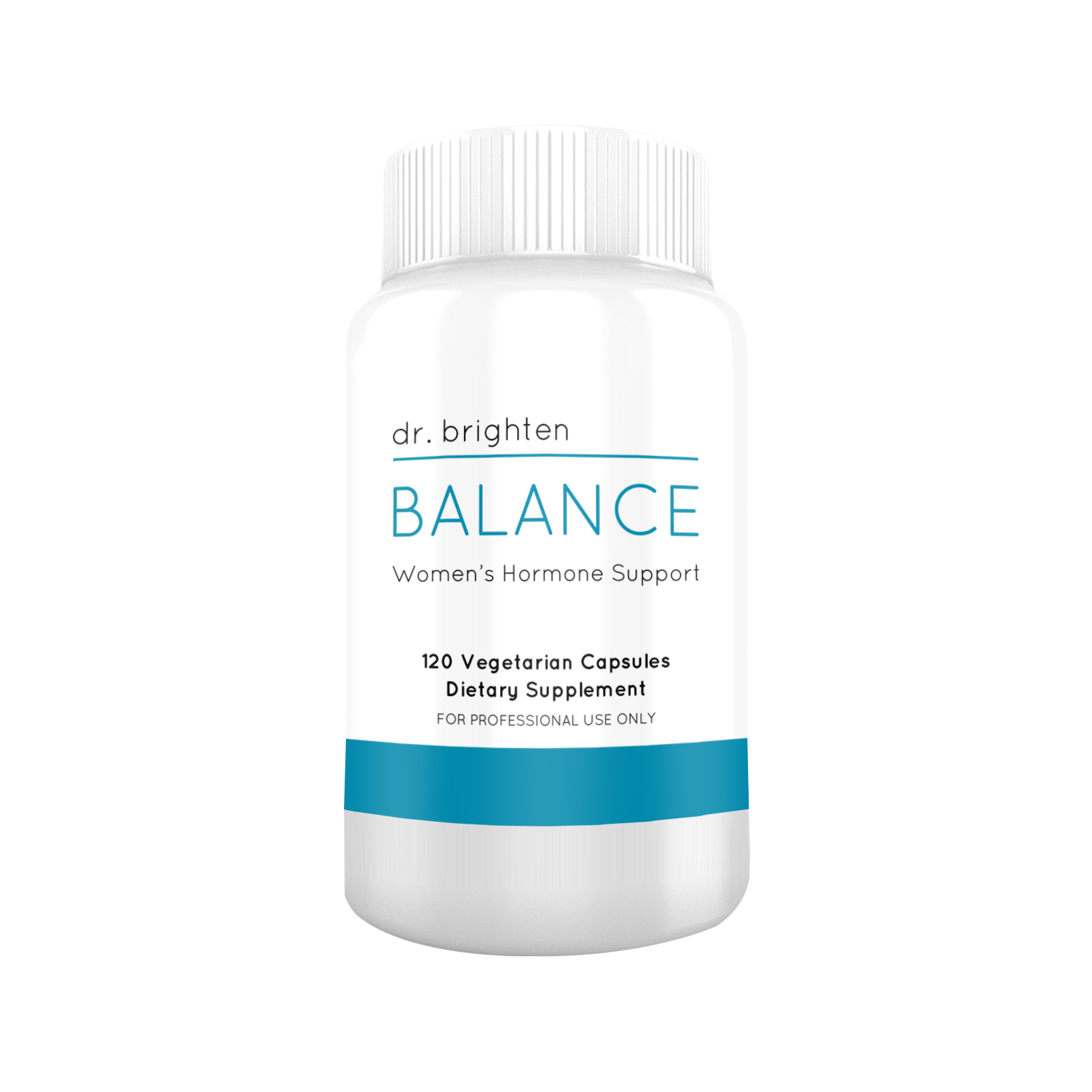
If estrogen excess is your issue, check out my Balance Women’s Hormone Support formula for what some women describe as immediate relief.

Remember, supplements are designed to support what your body does best and truly work best when diet and lifestyle are dialed in. And as always, supplements are not designed to treat a diagnosed medical condition. I remind you of this because while Spironolactone is not medically necessary when used to treat acne, it is if you’ve been prescribed it for cardiovascular issues like high blood pressure. 

6. Increase Omegas 

Healthy fats, especially omega-3, have been shown to have a myriad of health benefits, especially for brain and skin health. Try adding in chia seeds, walnuts, fatty fish like salmon, or a high-quality omega-3 supplement to your diet. This can impact the quality of the oils your produce on your skin.

PCOS Treatment And Spironolactone

In addition to being a diuretic, spironolactone is also considered an anti-androgen and reduces testosterone. For this reason, many doctors prescribe it for Polycystic Ovarian Syndrome (PCOS).

In fact, in some studies, it has been shown to be more effective and better tolerated than metformin, a common pharmaceutical PCOS treatment that works by improving insulin sensitivity. 

But note that Metformin is used to treat pre-diabetes and diabetes and does not work the same way as Spironolactone so they are not interchangeable if being used for the FDA approved conditions these medications treat. We’re talking strictly acne here.

Its anti-androgenic effects mean it can help control hirsutism — the unwanted hair growth that can accompany PCOS, as well as help control acne and thinning hair that are also common with the condition. 

Is Spironolactone the Best Treatment for Your PCOS? 

Look over the side effects, make a note of your symptoms and discuss with your doc if you should do a trial of natural PCOS therapies or go the Spironolactone route. As a naturopathic physician, I’ve treated many women with PCOS using diet and lifestyle therapies alone to regulate their periods, encourage regular ovulation, clear their skin, and ditch the unwanted hair growth. 

When we treat hormonal issues with pharmaceuticals, we are only temporarily addressing symptoms, and not getting to the root cause of the problem.  

Spironolactone PCOS Side Effects

While spironolactone can be a great relief for some women, others are unable to handle the side effects like headaches or increased anxiety that accompany the use of the medication. 

  • Headaches
  • Increased blood sugar
  • Frequent urination
  • Fatigue
  • Vomiting
  • Diarrhea
  • Heart palpitations
  • Low electrolytes

Plus, since most doctors require that patients take the pill while on spironolactone, this can be a potentially dangerous situation for women with PCOS. With spironolactone and oral contraceptives treating some symptoms, the inflammation and insulin resistance that are at the heart of this condition can continue to develop — putting you at further risk of developing heart disease and diabetes. 

Furthermore, spironolactone can increase blood sugar levels in some patients. 

I go into more detail in this article on treating PCOS symptoms with the pill, but just know: Over 50% of women with PCOS will develop diabetes type 2 before the age of 40.

For this reason, I recommend that patients consider a more natural, root-cause-addressing approach to managing PCOS.

 Addressing PCOS without Spironolactone

Addressing nutrition and exercise is one of the first steps. No, this isn’t a “you just have to eat right and exercise” kind of prescription. Instead, it is about supporting your metabolic health, insulin sentization, reducing inflammation and giving your body the nutrients it needs to get all your hormones in check. I have a fantastic, free recipe guide that will get you started — without feeling like you have to starve or deprive yourself, either. 

Try to get some exercise on most days. You don’t have to overexert yourself at the gym (unless you want to!) — just do something to move your body and find what you enjoy as a starting place.

Second, in my practice, I use the PCOS Basic Kit to help patients clear up their skin, stop thinning hair, and even get their period back. 

PCOS can be managed naturally, and without the side effects of anti-androgens + birth control.

Spironolactone For PMS

Since spironolactone can affect hormones and reduce water retention, it has been used as a treatment for PMS symptoms. 

According to studies, it can significantly improve bloating, irritability, depression, and breast tenderness that many women complain of prior to the start of their period.  

However, it can also increase those same exact symptoms in other women. The package insert for spironolactone lists breast and nipple pain, anxiety, and weight gain as possible side effects. Not all medications work the same for all women across the board, which is why you have to monitor what works for you and communicate to your prescribing provider. 

5 Natural Alternatives to Spironolactone for PMS

If the idea of taking spironolactone and/or the pill to regulate PMS sounds a bit risky to you, read on. I’ve got some other options for you to consider instead. 

Many times, PMS can be attributed to excess estrogen circulating in the body. It’s essential that if you’re experiencing PMS symptoms that you address this problem. Easy ways to help get rid of excess estrogen include:

1. Nutrition For Estrogen Support  

Estrogen is eliminated by our gut and our liver. A poor diet can compromise both. I recommend a diet full of vegetables, fiber, and hormone supporting fats that makes elimination easy and liver function at its best. You can access a free recipe guide here to get you started.  

2. Hormonal Balance Support 

Utilizing ingredients like DIM, broccoli seed extract, and calcium d-glucarate can help the body clear estrogen more effectively. 

Other times, low progesterone can be the culprit for PMS. Often, it’s both high estrogen and low progesterone that are causing the mayhem.

I give a lot of pointers on how to increase progesterone in this article.

3. Nutrition to Boost Progesterone

We need to eat healthy fat, and tons of whole food nutrients to get in zinc, vitamin B6, vitamin C, and magnesium to help support progesterone production. Add in olive oil, ginger, dark green veggies, beans, and citrus to your diet in copious amounts.

4. Reduce stress

When your body is stressed, whether from under-eating, over-exercising, or worry, you won’t ovulate. When you don’t ovulate, progesterone isn’t produced. Managing stress levels in any way you can improves your overall health and encourages progesterone production. 

5. Supplements for Hormone Balance

Sometimes, all it takes is a little extra support from my Balance Women’s Hormone Support formula to get those estrogens out and boost progesterone to see a major reduction in PMS.  

Can Spironolactone Make Your Breasts Larger?

Spironolactone is famous for increasing breast size. Unfortunately, this side effect is usually accompanied by breast pain, tenderness, and swelling. 

Take note, this can happen to men who take the medication as well, it’s known as gynecomastia.

Can It Make You Lose Weight?

While spironolactone can’t make you lose body fat, it can help with fluid retention. Because it’s a diuretic, it can eliminate excess water weight rather quickly.

As the Mayo Clinic warns, however, the loss of too much water can cause dehydration and low blood pressure. If you’re taking this medication and sweating a lot, be sure to hydrate.  

What are the Side Effects of Spironolactone? 

So this medication can make your breasts bigger, help you get rid of excess fluid retention, clear up acne, unwanted hair, and help with PMS? While this may sound like winning the lottery, it is important to bear in mind that this drug only works so long as you’re on it…once you stop taking it, the effects do not last. Or in other words, this isn’t going to give you root cause resolution and is instead a drug that is used for symptom management.

Also, as with any pharmaceutical, we have to be aware of the side effects. This medication actually comes with a black box warning from the FDA due to the fact that studies have shown an association between its use and liver, thyroid cancer, and breast cancer. However, some researchers say these studies have been performed with much higher than typical doses given to humans. And this study concluded spironolactone use resulted in no increased risk for breast, uterine, ovarian and cervical cancer.  

Spironolactone Side Effects

  • Anxiety
  • Headache
  • Menstrual irregularities
  • Depletes magnesium, sodium, calcium
  • Depletes electrolytes
  • Increases potassium and blood sugar
  • Low libido
  • Excessive thirst
  • Breast tenderness or pain
  • Muscle pains or cramps
  • Drowsiness
  • Vomiting
  • Diarrhea
  • Gastric bleeding
  • Lethargy
  • Renal failure

While a typical starting dose is 50 mg, you can discuss with your doctor using a trial dose of 25 mg. If it is well tolerated, but you haven’t quite seen the improvement in your skin, then consider increasing to 50 mg.

Spironolactone Interactions And Caution

Spironolactone can cause elevations of potassium in the body. For this reason, there are certain food, drug, and conditions where spironolactone would be contraindicated.

Too much potassium leads to hyperkalemia (high levels of potassium in the blood) — which leads to muscle weakness, cramps, and potential heart problems. 

Spironolactone and Food Interactions

Since spironolactone can increase potassium levels, it’s recommended that you avoid excess consumption of foods containing potassium if you’re taking this medication. 

And girl, you know that celery juice craze that swept the internet? Well, it turns out that 16 ounces of celery on the daily is delivering a whole lot of potassium. I counsel my patients to avoid this practice if they are using a Spironolactone or an oral contraceptive that is potassium sparing due to the potential risk.

If you’re one of the gals who swears that celery juice results in clear skin for you then by all means, do you. But you’ve gotta choose—the juice or the meds, especially if you have a pre-existing condition.

Spironolactone and Drug Interactions

Also — anything that also makes you retain potassium (like ACE inhibitors) should be avoided.

Do not take spironolactone with other medications like non-steroidal anti-inflammatory drugs (NSAID), lithium, digoxin, or oral contraceptives that contain the progestin drosperinone. As I explain in Beyond the Pill, contraceptives with this progestin like Yaz, Yasmin, and Ocella, also cause the body to retain potassium, which can increase cardiovascular issues in some women.

Spironolactone should never be taken by anyone with kidney issues, or Addison’s disease (adrenal insufficiency). 

Also — if you have diabetes — monitoring blood sugar levels even more closely is essential if you take spironolactone, as it can increase blood sugar levels.  

Is Spironolactone Safe To Use While Pregnant or Breastfeeding?

First things first, this medication is not recommended to take while pregnant or breastfeeding. 

Spironolactone does cross the placenta, and if you get pregnant while taking it, the American Academy of Dermatology warns, serious birth defects can result

For this reason, doctors usually require that their patients take hormonal birth control while using spironolactone. Often, oral contraceptives are used as a means to mitigate hormonal acne and PMS as well, so sometimes, doctors prescribe both medications in conjunction with one another in order to “fix the cycle” and reduce acne.

Let’s be clear, hormonal birth control does not balance hormones, fix periods, regulate cycles or cure acne. Hormonal birth control shuts down your ovarian function so you don’t make your own hormones. It is a symptom management tool, not a root cause solution. 

It’s totally your call if you want to use it and I support women in making their own decision, but it is important that we be honest about how it works. If you are wanting to start birth control, read this article about how to support your body on birth control

Is Spironolactone Right for Me?

Only you can decide if spironolactone is the right medication for you. 

If you’ve been prescribed this medication and you’re having anxiety or headaches, or increased blood sugar, keep looking for options. Don’t settle until you’ve gotten to the root cause of your issues and healed your body and mind. 

And if you have questions along the way, I’m always here to help — no matter what you choose! 

If you’re looking for more educational resources, I invite you to join my mailing list, where I share my knowledge about women’s health and hormones every week! I’d love to include you in my tribe and send you my hormone balancing starter kit as a thank you!

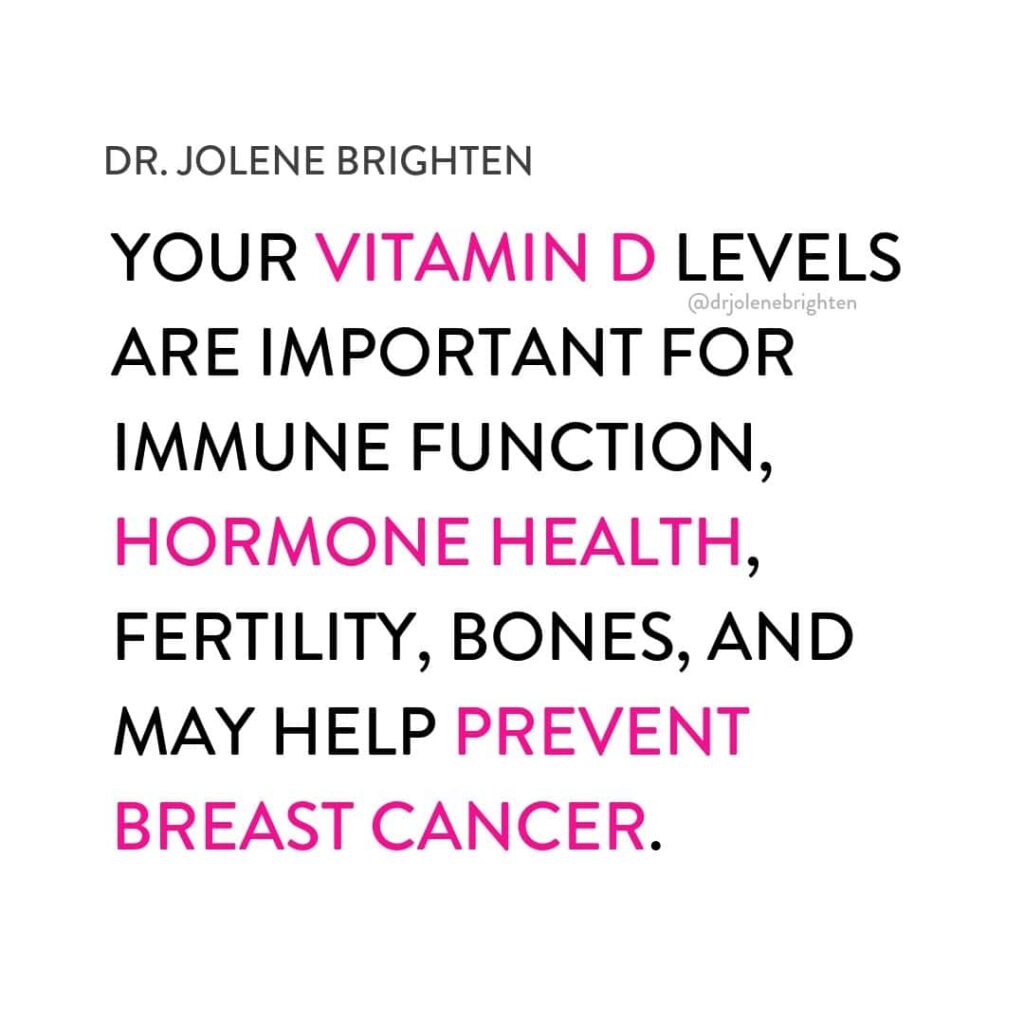
It’s been estimated that 41% of U.S. residents have a vitamin D deficiency. Vitamin D benefits are huge in women’s health, which is why this article is going to get you in the know on how to improve your levels.

We’re often told to soak up some sun to get vitamin D—but what does vitamin D actually do? And what are the benefits of vitamin D for women’s health?

Fertility, period cramps, bone density, autoimmunity, and even fibroids may see improvement by getting your vitamin D in check!

In this article, I’ll break down exactly what vitamin D is (spoiler alert: It’s actually a hormone!), why we need it, how vitamin D deficiency can impact our health, and how to increase our intake of this nutrient. 

What is Vitamin D?

Interestingly, vitamin D is actually a hormone produced by the kidneys! Vitamin D is a vital component for good health and vitality. It’s important for maintaining strong bones  (it’s a key player in calcium and phosphorus absorption), good immune health, endocrine (hormone) function, cardiovascular health, and can regulate hundreds of genes via the vitamin D receptor (VDR). Additionally, vitamin D may have some anti-inflammatory properties. 

Vitamin D deficiency can cause and exacerbate multiple health issues (e.g. autoimmune conditions and cardiovascular disease). It’s therefore important to maintain optimal vitamin D levels. 

Vitamin D Metabolism

Want to get nerdy with me? Sure you do! Ok, if you don’t then just scroll down to the benefits and how to get vitamin D info.

Before we jump in, let me explain that there isn’t a single form of vitamin D. The active form of vitamin D is the 1α, 25-dihydroxyvitamin D or vitamin D3 (calcitriol). You may have seen it on a lab test as 1,25(OH) Vitamin D. Cholecalciferol and ergocalciferol (D2) are inactive precursors that the body uses to make active vitamin D. This activation takes place in the liver and kidneys. 

Ok, so now you’re in the know that when I say vitamin D here, I am talking about D3 or 1,25(OH) vitamin D.

How does Vitamin D help the body?

Vitamin D is important for many reasons (yeah, we’re gonna get into a lot here). Without sufficient amounts, we cannot effectively absorb calcium, and our immune systems are more vulnerable. In addition, our periods can be painful, our fertility may suffer (men too), our skin can become dry and dull (potentially causing rashes), and our hair may even fall out when vitamin D levels in the body drop.

Can vitamin D affect my period?

Longer cycles? Be sure to check your vitamin D. Studies have shown that insufficient vitamin D levels (20-30 ng/ml) are associated with two times the increased likelihood a woman will have longer cycles compared to women who have a vitamin D level above 40 ng/ml. Additionally, there is a 30% increased chance your menstrual cycle length will be longer with every 10 ng/ml decrease of circulating vitamin D levels.

If you’re experiencing long cycles (days between one period to another) then you’ll want to keep reading to understand what levels are ideal on lab tests and how to increase vitamin D levels naturally.

Does vitamin D help with period cramps?

There are studies that have shown a significant reduction in period cramps after 8 weeks of supplementing at 50,000 IU daily in women who are deficient in vitamin D. These women saw a rise in their vitamin D blood levels that on average rose above 50 ng/ml. As you’ll read below, this is a level considered sufficient by the Vitamin D Council.

While there are trials using doses of 50,000 IU, this isn’t what we typically use in clinical practice. As a naturopathic physician who supports women’s hormones and helps them troubleshoot the worst of period problems, I typically use a dose of 5,000-10,000 IU depending on what lab work shows. In addition, we retest after three months of therapy to determine how the individual is responding.

In my clinical practice we use a liquid Vitamin D3/K2 because it is easier to modify the dose to meet the individual’s needs. Keep reading because I’m going to share with you what you blood levels should be at, different dosing considerations for supplements and how to acquire vitamin D through diet and lifestyle therapies.

Vitamin D fertility

Vitamin D has been shown to be beneficial to women’s hormones and fertility.

Polycystic ovarian syndrome (PCOS) is one of the leading causes of infertility. In one study, it was found that supplementation with vitamin D showed improvement in overall vitamin D status, “leading to an improvement in the quality of embryos and a significantly higher clinical pregnancy rate.”

Implantation rates have also been shown to be higher among women with sufficient vitamin D undergoing IVF. In my practice, I run a vitamin D (among other labs) prior to referring to a reproductive endocrinologist (RE) so we can ensure a woman has the best nutritional status to make the RE’s job easier and the IVF outcomes more successful.

Vitamin D during pregnancy

Women with adequate vitamin D status have been shown to have lower risk of pregnancy complications like preeclampsia and postpartum bleeding.

In a recent Cochrane Review on vitamin D supplementation during pregnancy it was stated: “Supplementing pregnant women with vitamin D alone probably reduces the risk of pre-eclampsia, gestational diabetes, low birthweight and the risk of severe postpartum hemorrhage.” They went on to say that randomized controlled trials are needed to evaluate the risks and benefits of vitamin D supplementation in pregnancy.

Vitamin D Uterine Fibroids

Supplementing with vitamin D has been found to reduce the size of uterine fibroids. In an animal study funded by the National Institutes of Health it was found that vitamin D may be a beneficial, non-surgical approach to shrinking fibroids.

Interestingly, African American women have been shown to experience fibroids at 2-3 times the risk of white women. As you’ll read below, darker pigmented skin is associated with a higher risk of vitamin D deficiency.

Vitamin D and Diabetes

Animal studies have shown that vitamin D3 plays a role in insulin secretion from the pancreas. Interestingly, studies have suggested that vitamin D insufficiency or deficiency negatively impacts blood sugar regulation. 

If you are struggling with symptoms of hormone imbalance then this is a vitamin you want to get tested. Blood sugar dysregulation can be the underlying issue that is driving your symptoms and poor vitamin D status may be playing a role. The good news is that your doctor can easily test this important nutrient. 

vitamin d fertility

Promotes bone growth 

Vitamin D is very important for calcium and phosphorus absorption. It is required in order for us to effectively absorb calcium from the gut. And what are calcium and phosphate important for? Bone health!

Adequate levels of these nutrients are important for building strong bones with normal mineralization. 

Without adequate vitamin D (and, by extension, calcium), bones may become thin, brittle, and misshapen. 

This can lead to osteopenia (reduced bone mass) and osteoporosis (brittle or thin bones). And before you start thinking, “wait, isn’t that something that only happens to older women,” I want you to know that osteoporosis starts now and then presents later. Or in other words, you have to take care of your bones today to ensure you don’t develop the disease later. Optimal vitamin D and healthy hormones can help! 

Bones Influence Your Mood

New studies are also pointing to bones being involved in the “fight or flight response.” Yes, forevs we’ve thought that it’s only been the role of the adrenal hormones, epinephrine and norepinephrine, to activate this response. But as it turns out, your bones are also producing a hormone that may be involved with stress. We’re early in our understanding, but this supports the idea that your bones, muscle, and fat cells are also endocrine organs. 

Fight disease

According to research, vitamin D deficiency has been associated with higher risk of cancer, heart disease, MS, arthritis, and type 1 diabetes. 

One reason for this is possibly that vitamin D helps regulate the immune system. It also acts as an anti-inflammatory, so optimal amounts are really important. 

Additionally, research has shown that vitamin D supplementation can help protect you against the flu and respiratory tract infections. So too little vitamin D can render you more likely to contract these illnesses. 

Autoimmune Disease

I want to spend a little more time here because the highest risk population for the majority of autoimmune diseases are women.

What’s important to understand about autoimmune diseases like lupus, multiple sclerosis, Hashimoto’s thyroiditis, type 1 diabetes, psoriasis, and rheumatoid arthritis is that they are mediated by immune cells called T cells. Vitamin D3 has been found to modulate these T cells in such a way that the autoimmune attack on the body is diminished. Good stuff, right!?!?! 

The other interesting connection between autoimmunity and vitamin D is that the further people live from the equator (less sun exposure), the more people we see with autoimmune disease with multiple sclerosis being the most notable.

And it isn’t just specific for adults. In fact, there have been several prospective studies that suggest that for children adequate vitamin D in pregnancy through adolescence may decrease the risk of autoimmunity.

Does that mean just taking vitamin D will eliminate autoimmunity? Unlikely. Autoimmune disease, in my clinical experience, is multifactorial. But vitamin D undeniably plays a role.

While we don’t quite have enough evidence to state that vitamin D will prevent an autoimmune disease, there is a lot of evidence to suggest that both correcting insufficient or deficient levels, along with maintaining sufficient levels in the body may help decrease the risk of autoimmune disease. 

Eczema and Vitamin D

Eczema or atopic dermatitis tends to flare in the winter. In one study, as little as 1,000 IU/day for a month was shown to improve winter related eczema. There have been several randomized control trials showing that vitamin D therapy reduced severity and extent of the eczema rashes. Even a pharmaceutical version of Vitamin D called Calcipotriol in a cream applied to hand eczema has shown promise.

Vitamin D and Breast Cancer

Vitamin D is involved in the regulation of many genes via the vitamin D receptor (VDR), including the growth and differentiation of cells. Low vitamin D status has been associated with an increased risk of developing breast and colorectal cancer in observational studies. 

In ecological studies, it’s been observed that the higher latitude or further from the equator an individual resides the higher the mortality rate is with breast cancer. Other studies have shown no difference in risk of breast cancer. Conversely, in a meta-analysis of five prospective cohort studies and one retrospective, higher vitamin D in the blood was associated with a 33% reduction in risk of death.

Reduce depression

In the United States, it’s estimated that 14.8 million people have depression. Worldwide, depression is considered the leading cause of disability, affecting a whopping 121 million people. 

In a study examining the relationship between vitamin D and seasonal affective disorder (SAD), it was found that light therapy significantly improved mood. What this means is, for people who may experience depression seasonally (e.g. in winter), exposure to light might help. 

In winter, it’s darker longer, and we stay indoors more because it’s freezing outside. This leads us to get very little sunlight, which affects our vitamin D levels. So, getting more sun and increasing vitamin D could really help with mood disorders. 

Boosts weight loss

The World Health Organization has named obesity an epidemic of the 21st century. Obesity also increases the risk of vitamin D deficiency. 

In a study of 50 overweight and obese women, in a group of whom received vitamin D supplementation while the other group did not, it was found that vitamin D helped with weight loss. 

Obesity is associated with lower vitamin D levels because vitamin D synthesized by the skin or taken via supplement or diet can be sequestered in the fat cells. And while increased adiposity (fat cells) is a risk for developing a vitamin D deficiency, it isn’t just a matter of supplementing at the same dose as an individual with less body fat. In fact, trials have shown that when people with higher body fat are given the same dose of vitamin D as leaner participants their levels of vitamin D do not improve as expected.

Vitamin D Deficiency Symptoms

Getting a blood test is best to determine your vitamin D status. If you’re having any of these signs of deficiency then it’s a good idea to make an appointment with your doctor and discuss if vitamin D testing is right for you.

Frequent sickness 

Vitamin D is essential for maintaining a healthy immune system that can effectively fight illness. If you find yourself getting sick often, especially with viruses, it’s possible that you have a vitamin D deficiency. 

Fatigue

In a study of women who complained of fatigue, it was found that they were either deficient in vitamin D, or just did not have high enough levels of vitamin D (i.e. insufficient vitamin D). 

In another study, a woman who suffered from fatigue found symptom resolution by supplementing with vitamin D. Vitamin D may deficiency may be the cause of low energy levels in some individuals.

Muscle pain and weakness

Low vitamin D can present as muscle pain and weakness in adults and children. It appears to be most pronounced when levels drop below 20ng/dL. In fact, one study showed that in 150 people referred for non-specific muscle pain, 93% had a vitamin D deficiency.

Hair Loss

We all lose some hair each day. A little shedding is normal. However, if you’re pulling out handfuls of hair when you brush it, or see loads of hair going down the drain every time you wash it, it’s possible that your hair loss is becoming more severe. 

One of the most severe forms of hair loss, alopecia areata, is associated with vitamin D deficiency. In a study of 23 patients with alopecia, one common thread was that they all had very low vitamin D levels. 

Depression

Low vitamin D levels have been associated with increased risk for depression. 

Back pain

Do you suffer from chronic back pain, specifically lower back pain? Inadequate vitamin D could be the cause. This pain could be a symptom of osteomalacia, a type of bone weakening

Since we know that vitamin D is very tightly connected to bone health, it stands to reason that being deficient in vitamin D could cause bone pain. These are often mistaken for muscle pains, because we typically don’t expect our bones to hurt!

Osteoporosis and risk of fracture

Bone loss is multifactorial with nutrition status, weight bearing exercise and hormones all being important factors. Vitamin D deficiency has been found to be associated with increased risk of hip fracture and bone loss. This is in part due to the fact that if vitamin D is low then intestinal calcium absorption will also be low.

Ricketts

This is where vitamin D deficiency is quite extreme and the bones do not solidify in children. As a result, the weight bearing bones begin to bow.

Vitamin D Risk Factors

For some groups (despite spending safe amounts of time in the sun, and eating foods containing vitamin D), vitamin D deficiency is more likely. 

Dark skin 

People with naturally dark skin have a higher likelihood of being vitamin D deficient than those with light skin. This is because melanin (the pigment in our skin) doesn’t absorb as much UV radiation, making it more difficult for the body to synthesize vitamin D.

Being elderly

People as young as 50 have an increased risk of being vitamin D deficient. As we age, we become less effective at synthesizing vitamin D from sunlight. Additionally, the older we get, the more likely we are to stay indoors—and less time outdoors = less sunlight = less vitamin D.  

Celiac Disease

Diseases that impact your body’s ability to absorb nutrients can have long-lasting detrimental impacts especially as certain key nutrients become depleted. Vitamin D is often found to be low in those with Celiac disease.

Obesity

Obesity is a worldwide health problem, especially in developed nations. Studies have shown a correlation between a high BMI and lower level of serum 25-hydroxy vitamin D. It has also been found that obese men and women are less likely to get vitamin D from dietary sources. Lastly, it’s possible that obese individuals expose less skin to the sun than their non-obese counterparts. 

Diets low in fish and dairy

Unfortunately, it’s very difficult to get enough vitamin D from diet alone. Fatty fish like salmon and mackerel (as well as fish liver oils) are probably the best dietary sources of vitamin D. It is also found to a lesser degree in beef liver, cheese, and egg yolks. 

Vitamin D deficiency is more common for those with milk allergies, lactose intolerance, and for those who follow a vegan diet. If you do not tolerate milk, then I wouldn’t advise introducing it into your diet as the only means to raise vitamin D status.

Even with the best diet and sunlight exposure, you may need supplementation so getting tested is best.

Countries with little sun

Because we need sunlight to get our vitamin D synthesis on, people in countries with little sunlight are vulnerable to vitamin D deficiency. In addition to getting some vitamin D from food (like fish and cheese), we need exposure to sunlight to ensure our vitamin D levels are optimal. 

However, even those in super sunny countries aren’t off the hook! Think about it: It’s summer. The sun is blazing. It’s humid. What’s the last thing you want to do? Go outside! So even though you may live in an area that gets plenty of sunshine, it might just be too uncomfortable to go outdoors. Or, it’s so hot that it really isn’t safe to be outside. This could very easily lead to vitamin D deficiency.

Spending too much time indoors

Today, the world is literally at our fingertips. We can buy clothes, food, toiletries, and other necessities online. We can text and call our friends. We can have takeout delivered to our door. We work from home or in office buildings. What’s the common thread here? Being inside. 

For many of us, there is just no real need to go outside. And by not spending time in nature and soaking up a few minutes of safe, healthy sunshine, we could very well be causing a vitamin D deficiency. 

No Gallbladder

If you’ve had your gallbladder removed, you’re more likely to have trouble absorbing fat-soluble nutrients. The gallbladder stores up bile that’s made by your liver and released when you eat to help fats be absorbed. Without your gallbladder, bile is released as it’s made which means there’s not typically enough around when you eat.

If your Vitamin D is still low despite supplementation and you no longer have your gallbladder, you may need additional digestive support to make sure fats including Vitamin D are properly absorbed.

Vitamin D Test

The best way to determine your vitamin D needs is to have lab testing. You can meet with your doctor to discuss testing or you can order vitamin D testing direct to discuss with your doctor.

The Vitamin D Council recommends maintaining serum levels of 50 ng/ml (equivalent to 125 nmol/L*), with the following reference ranges:

  • Deficient: 0-40 ng/ml (0-100 nmol/l)
  • Sufficient: 40-80 ng/ml (100-200 nmol/l)
  • High Normal: 80-100 ng/ml (200-250 nmol/l)
  • Undesirable: > 100 ng/ml (> 250 nmol/l)
  • Toxic: > 150 ng/ml (> 375 nmol/l)

How can you increase your vitamin D intake?

So maybe you’ve been reading and are getting a little freaked out because you’re checking a lot of those “risk factor” boxes. Don’t worry; I got you! 

I’ve got a few simple ways for you to increase your vitamin D intake. The same thing may not work for everyone, but I am sure you will find a method of increasing your vitamin D intake that works for you and your lifestyle. 

Sunlight

This is probably the easiest way to increase your vitamin D intake. Instead of drinking your morning cup of coffee inside, grab your mug and spend a few minutes outdoors. Reading a great book? Find a quiet, sunny spot at your local park (or in your garden, if you have one) and spend some time there. Instead of doing yoga in your living room, roll out your mat on the patio. 

It’s important to note that your skin must be free of sunscreen and clothing to reap the most benefits from the sun. Additionally, you should try to be in the sun for a certain amount of time (e.g., 15 minutes) for optimal endogenous production.

These are all simple changes that can get you into the sun more. But always be aware of how hot it is and how strong the sun is. You never want to put yourself at risk for heatstroke or sunburn by spending hours in the midday sun. Find that balance, and try to get small amounts of sunshine. 

Let’s have some real talk though, there have been studies to show that those who live in the sunniest of places, like Ecuador, still have vitamin D insufficiency/ deficiency. This is why it is best not to assume and instead, get tested!

You may find you need a supplement and there is no shame in that. Keep reading to learn about healthy supplementation.

Vitamin D Foods

If you cannot spend time in the sun for health reasons, live in an area that doesn’t get much sunshine, or just plain don’t like being out in the sun, eating foods containing vitamin D is a good alternative. 

Some foods that contain vitamin D include:

  • Fatty fish (e.g. salmon, mackerel, sardines)
  • Cod liver oil
  • Foods that have been fortified with vitamin D (e.g. milk, cheese, orange juice, cereal, and some non-dairy milk products)
  • Egg yolks
  • Beef liver

Vitamin D supplements

If you can’t get enough sun (e.g. you work in an office or live in a place with little sunlight), or your diet is low in vitamin D, supplements are a very useful option. In addition, if your lab testing reveals your are insufficient or deficient in vitamin D, your doctor will likely recommend supplementation.

It is important to select Vitamin D3 with K2 to increase your blood levels and prevent toxicity issues.

Dr. Brighten Vitamin D3/K2 is a naturally emulsified liquid vitamin D3 (and vitamins K1 and K2). It is highly bioavailable and concentrated, with 1ml offering 2,000 IU of vitamin D. 

A liquid supplement such as this is a good option because you can easily modify the dose that is best for you. 

The Vitamin D Council recommends the following maintenance dosages on days that you don’t sunbathe:

  • Children: 1,000 IU/ 25lbs of body weight, up to 125lbs (A 50lb child would need 2,000 IU)
  • Adults: 5,000 IU
  • Pregnant & Breastfeeding: 5,000 IU daily*

*Note that if mom is sufficient then it is unlikely baby also needs a vitamin D supplement.

Obese adults should consider a higher dose, not to exceed 10,000 IU. If you are taking a dose higher than 5,000 IU daily then it is wise to retest after 3 months of supplementation to monitor your levels and then every 6 months or as often as your doctor recommends.

If you struggle with absorption in your GI tract, another potential route is using topical Vitamin D, which might be helpful for those without a gallbladder, or who have high fat loss in the stool (also called steatorrhea).

Vitamin D Toxicity

There’s no evidence to support the idea that vitamin D toxicity can develop from prolonged sun exposure. Vitamin D toxicity is often brought about by over supplementation (50,000 IU/day or more).

It’s generally regarded that healthy adults taking less than 10,000 IU/ day of vitamin D will not develop vitamin D toxicity, although monitoring via blood work is best to understand what is true for you.

In adults who supplement with high dose vitamin D for long periods of time, they are at risk for kidney stones and calcification of their heart and kidneys.

Summary

For strong bones, a healthy immune system, and better moods, vitamin D is an incredible tool for your health toolkit. 

By getting plenty of sunshine (with common-sense precautions), consuming foods rich in vitamin D, and supplementing if necessary, you can help support optimal levels of vitamin D for your body.


Additional References

Kulie T, Groff A, Redmer J, Hounshell J, Schrager S. Vitamin D: An Evidence-Based Review. The Journal of the American Board of Family Medicine. 2009;22(6):698-706. doi:10.3122/jabfm.2009.06.090037.

Vitamin D Fact Sheet – National Institutes of Health

Holick MF. Sunlight and vitamin D for bone health and prevention of autoimmune diseases, cancers, and cardiovascular disease. The American Journal of Clinical Nutrition. 2004;80(6). doi:10.1093/ajcn/80.6.1678s.

Wang H, Chen W, Li D, et al. Vitamin D and Chronic Diseases. Aging and disease. 2017;8(3):346. doi:10.14336/ad.2016.1021.

Penckofer S, Kouba J, Byrn M, Ferrans CE. Vitamin D and Depression: Where is all the Sunshine? Issues in Mental Health Nursing. 2010;31(6):385-393. doi:10.3109/01612840903437657.

Entezari M, Khosravi Z, Kafeshani M, Tavasoli P, Zadeh A. Effect of Vitamin D supplementation on weight loss, glycemic indices, and lipid profile in obese and overweight women: A clinical trial study. International Journal of Preventive Medicine. 2018;9(1):63. doi:10.4103/ijpvm.ijpvm_329_15.

Urashima M, Segawa T, Okazaki M, Kurihara M, Wada Y, Ida H. Randomized trial of vitamin D supplementation to prevent seasonal influenza A in schoolchildren. The American Journal of Clinical Nutrition. 2010;91(5):1255-1260. doi:10.3945/ajcn.2009.29094.

Ecemis GC, Atmaca A. Quality of life is impaired not only in vitamin D deficient but also in vitamin D-insufficient pre-menopausal women. Journal of Endocrinological Investigation. 2013 Sep;36(8):622-7. doi: 10.3275/8898.

Mahamid M, Abu-Elhija O, Samamra M, Mahamid A, Nseir W. Association between vitamin D levels and alopecia areata. The Israel Medical Association Journal. 2014 Jun;16(6):367-70.

Vitamin D for Pain – Pain Science

How much sun is enough? – SunSmart

Vitamin D Deficiency: A Common Risk Factor for Seniors – Parent Giving

Vanlint S. Vitamin D and Obesity. Nutrients. 2013 Mar; 5(3): 949–956. doi: 10.3390/nu5030949

Cortese M, Riise T, Bjørnevik K, et al. Timing of use of cod liver oil, a vitamin D source, and multiple sclerosis risk: The EnvIMS study. Multiple Sclerosis Journal. 2015;21(14):1856-1864. doi:10.1177/1352458515578770.

Juntongjin, P., & Pongprasert, R. (2019). Calcipotriol ointment shows comparable efficacy to topical steroids in chronic hand eczema. Dermatologic Therapy. doi:10.1111/dth.12956

Mastalgia is the medical term for breast pain or breast tenderness. This is a common symptom that as many as 70% of women experience. It is most common to experience mastalgia the week before your period as part of PMS symptoms.

Ever feel you can’t walk down the stairs, exercise or even roll over in bed because your breasts are so sore? Yeah, that is mastalgia and there is a whole lot you can do about it that doesn’t require a pharmaceutical intervention.

What Causes Cyclical Mastalgia (aka sore boobs)

Sore or painful breasts before your period is what is referred to as cyclical mastalgia. This form of mastalgia is most common and due to a hormone imbalance.

Women with cyclical mastalgia typically experience both breasts becoming sore following ovulation (during the luteal phase) that resolves once their period begins.

Estrogen, progesterone, and prolactin are all involved in the stimulation of breast tissue that leads to tenderness, but for the majority of the women I see in my medical practice, it is excess stimulation by estrogen that drives breast tenderness. This is commonly referred to as estrogen dominance.

Hormonal birth control, like the pill, can also be responsible for causing breast pain. The synthetic estrogen stimulates breast tissue and can lead to an increase in tenderness. Taking the pill is essentially inducing estrogen dominance on your breast cells.

If you’re experiencing non-cyclical breast tenderness then you’ll want to check out my previous article regarding this.

What is Estrogen Dominance?

Estrogen dominance can be either frank (too much estrogen altogether) or relative (not enough progesterone).

Symptoms of Estrogen Dominance

  • Breast swelling and tenderness
  • Irregular or heavy periods
  • Painful periods
  • Water retention
  • Hair loss
  • Headaches
  • Migraines
  • Weight gain, especially butt, hips and thighs
  • Mood swings, irritability
  • PMS is often caused by too much estrogen

In some cases, the issue isn’t too much estrogen, but rather, too much of the wrong kind of estrogen. For example, if too much of the 16OHE1 metabolite is made it can stimulate your breasts to swell and become tender before your period. More on this soon.

Mastalgia? Here’s What to Do

If you take nothing else away from this article please understand this: Broccoli is your breast’s best friend.

Cruciferous vegetables like broccoli, cauliflower, and kale (you know, the stuff your mom tried to get you to eat as a kid) support healthy estrogen breakdown in the body. This is how you take the estrogen you no longer need and move it out your system.

If you need help getting more cruciferous into your diet please grab my complimentary meal plan and recipe guide here.

Now for the nerdy talk…

[bctt tweet=”Broccoli is besties with your breasts! “]

Eat Cruciferous Vegetables for Mastalgia

These vegetables are rich in Indole-3 Carbinol ( I3C) which the body converts to Diindolylmethane (DIM). DIM makes estrogen play nice with everyone on the playground.

Here’s how that goes down in your body: Eat broccoli and you get glucobrassicin. Glucobrassicin is converted to I3C (also loves up your hormones) and then is eventually converted to DIM.

You need adequate stomach acid to make the conversion from I3C to DIM, so if you’re blocking acid with a drug, have low stomach acid in general, or have hypothyroidism,  you may need to supplement with DIM while you work to correct the underlying cause of your low stomach acid.

DIM Helps Your Liver Process Estrogen

DIM supports Phase 1 estrogen metabolism in the liver. This means packaging it up to move it out. But don’t forget Phase 2, bile, and pooping , are also really important.

When it comes to estrogen metabolites, 2OHE1 is best and DIM has been shown to promote this over 16OHE1. Remember, 16OHE1 is the type that causes mastalgia and stimulates estrogen-sensitive cancer cells, like breast cancer.

How does DIM do this? It supports liver enzymes that promote 2OHE1 production!

How do you know what you’re doing with your estrogen? You get a test. In my practice, we run the Dutch test from Precision Analytical to evaluate hormones and their metabolites. That way we know what’s up with YOUR estrogen.

Eat Broccoli Sprouts for Mastalgia

Ok, so if you’re thinking maybe broccoli is cool and recognizing how much DIM rocks then you’re going to love broccoli sprouts even more.

Sulforaphane is a badass molecule that forms when you munch on a cruciferous plant. You gotta chew well to liberate myrosinase (enzyme) & glucobrassicin so they can get together & get the sulforaphane > I3C > DIM party started. (See above for the I3C + DIM talk).

Sulforaphane bumps antioxidant status, is cancer protective, supports liver detox, gets your estrogen moving into the right pathways so it can’t be hating on your breasts, & improves gut flora + a ton of other things.

Broccoli sprouts & broccoli seed extract are HIGH in breast supportive nutrients!

Which is why I recommend all my patients eat sprouts 3-5 times per week. And good news, if you’re worried about stuff like SIBO symptoms or thyroid disease, then sprouts are your jam! They are less likely to aggravate & are much more potent than eating the whole broccoli plant.

Now don’t go ditching all your cruciferous & think you can just stick to sprouts. Sprouts are awesome, as is variety in your diet. Remember, science doesn’t know everything about food. There are many other benefits that come with a varied diet.

You can sprout at home easily (hello Pinterest), look for sprouts at your local grocery, or you can opt for a supplement. It’s about what is easiest for you because let’s be real, if it isn’t easy then you probably won’t do it.

Supplements that Support Breast Health

Now that you know all this you can appreciate how awesome it is that Balance by Dr. Brighten is formulated to contain DIM, broccoli seed extract, chrysin, and a whole slew of other nutrients & herbs to support healthy hormone levels and breasts that don’t hurt. It’s all about keeping those estrogen metabolites in check. 😉

Magnesium, Calcium D-Glucarate, Folate, Resveratrol, vitamin B6 and B12, green tea, and turmeric all support the healthiest estrogen metabolism.

Step Up Your Exercise Routine

As much as you may not want to move if you have breast tenderness, regular exercise can help bring relief in the long run. On days when your breasts are more tender, opt for gentler exercises like yoga, pilates, stretching, or light walking.

Exercise 20 minutes minimum on the daily. Exercise is always winning in the research on breast cancer. So shake it, pump it, run it, flow with it…do what you love to move your body.

If you’re looking for more support to get your hormones in balance and ditch breast tenderness, be sure to grab my Hormone Starter Kit! It’s my gift to you in helping you jump start your healing journey.

hormone balance supplement fight mastalgia

Balance by Dr. Brighten 

A comprehensive women’s formula designed to harmonize sex hormones and improve common hormone related issues. Formulated with B Vitamins, antioxidants and hormone supporting herbs, this product helps support the body in eliminating excess estrogens and environmental toxins.

References:
Ader, D., et al. Cyclical mastalgia: prevalence and associated health and behavioral factors. J Psychosom Obstet Gynaecol. 2001 Jun;22(2):71-6.

acne medication

Spironolactone For Acne

Considering Spironolactone for Acne? Spironolactone (Aldactone) is one of the most common treatments for hormonal acne, as well as alopecia (hair loss), oily skin, and

Read More »

The Benefits of Vitamin D

It’s been estimated that 41% of U.S. residents have a vitamin D deficiency. Vitamin D benefits are huge in women’s health, which is why this

Read More »